
.svg)







IAA TRANSPORTATION Weekly | 06/2026
Tesla, Pilot Travel Centers, DAF Trucks and more
Tesla and Pilot plan proprietary fast-charging network for heavy-duty electric trucks in the U.S., DAF expands its e-truck portfolio, RWTH Aachen tests an electric bus-cable car hybrid, Chery establishes European commercial vehicle headquarters in Liverpool, and autonomous startup Waabi enters a strategic partnership with Uber – these are our top stories for Week 6, 2026.
Tesla and Pilot plan proprietary fast-charging network for heavy-duty electric trucks in the U.S., DAF expands its e-truck portfolio, RWTH Aachen tests an electric bus-cable car hybrid, Chery establishes European commercial vehicle headquarters in Liverpool, and autonomous startup Waabi enters a strategic partnership with Uber – these are our top stories for Week 6, 2026.
- 1. Tesla and Pilot Travel Centers Plan Proprietary Fast-Charging Network for Heavy-Duty Electric Trucks in the U.S.
- 2. DAF Expands E-Truck Portfolio
- 3. RWTH Aachen Tests Electric Bus-Cable Car Hybrid
- 4. Chery to Build European Commercial Vehicle Headquarters in Liverpool
- 5. Autonomous Startup Waabi Secures up to $750 Million, Enters Strategic Partnership with Uber
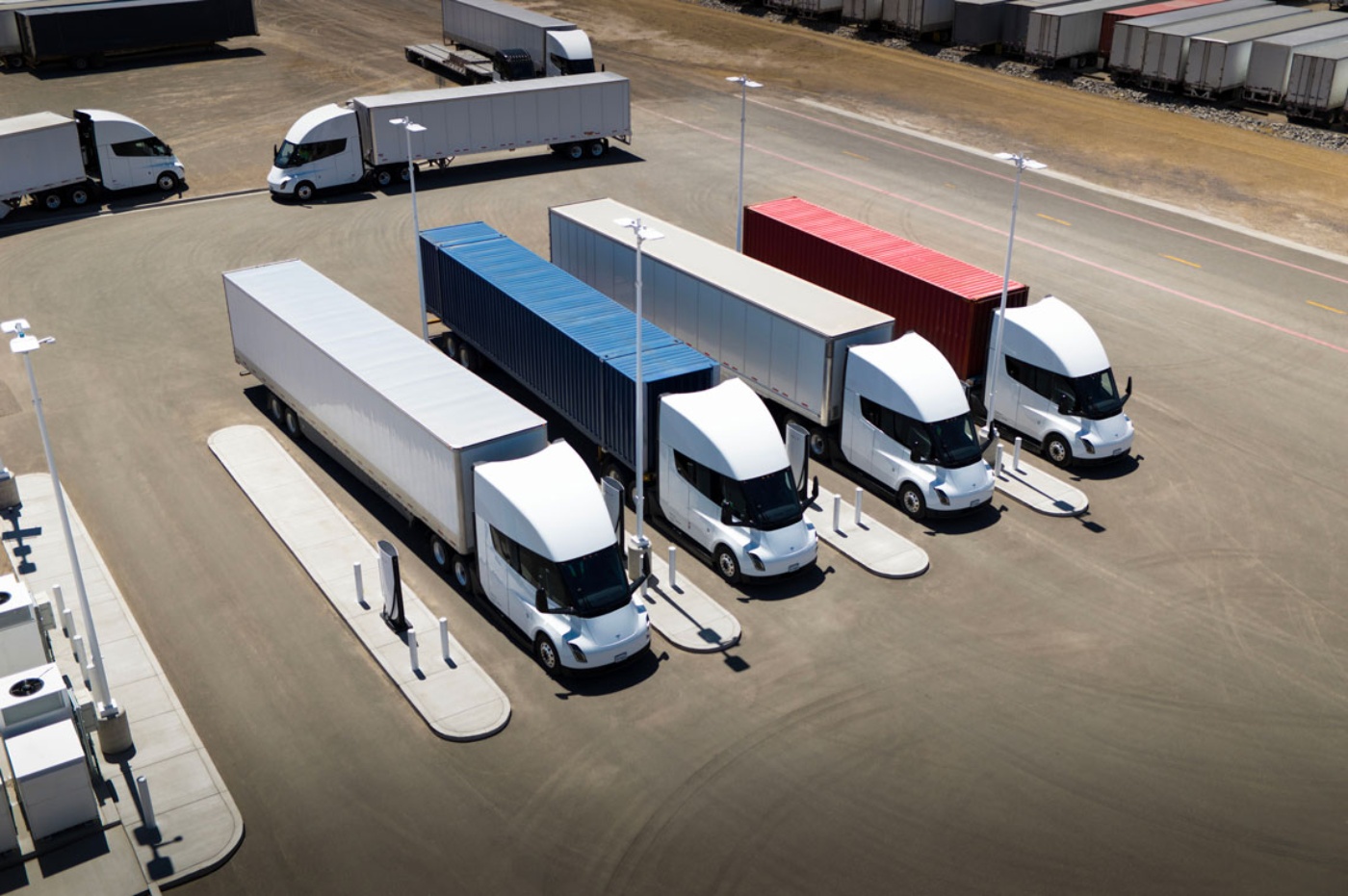
Tesla and Pilot Travel Centers are planning a proprietary fast-charging network for heavy-duty electric trucks across the United States. Starting in summer 2026, the first locations featuring Megawatt Charging Systems (MCS) are expected to launch along major transit corridors—including Interstate 5 and I-10—with initial sites in California, Georgia, Nevada, New Mexico, and Texas.
Each hub will be equipped with four to eight V4 charging stalls, delivering up to 1.2 megawatts per stall. In the initial phase, these charging points are reserved exclusively for the Tesla Semi, though they may be opened to other electric trucks in the future.
Pilot operates approximately 900 travel centers across the U.S. and Canada, providing a dense network of potential truck hubs. The infrastructure utilizes a decentralized system with compact charging units and a central power unit to reduce both footprint and costs. According to Tesla, a Megawatt charge can restore most of a Semi’s range in about 30 minutes—a major milestone for the electrification of long-haul trucking.
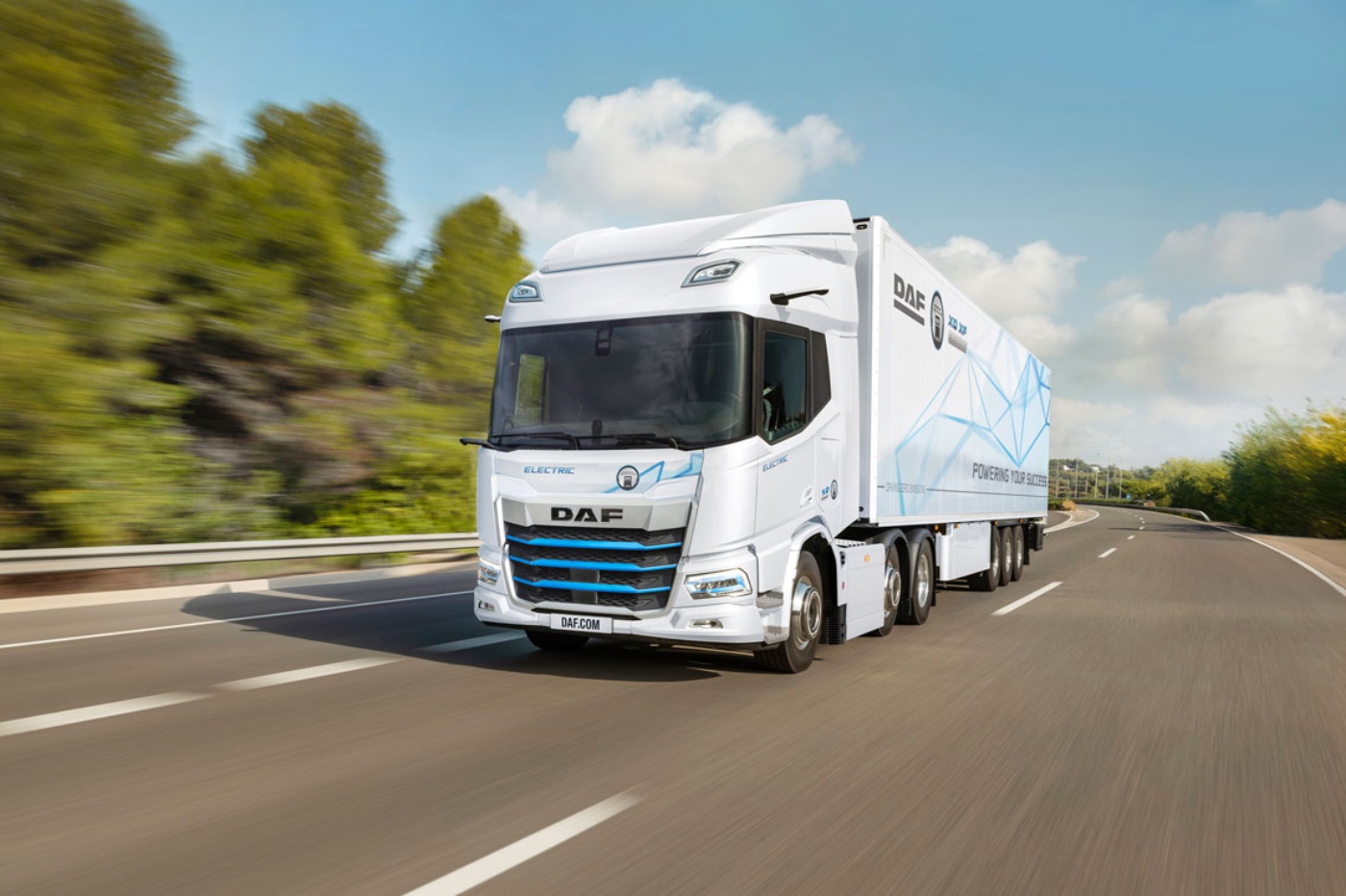
DAF Trucks is expanding its electric portfolio with new axle configurations for demanding applications. In addition to the established XD, XF, XG, and XG+ Electric models, 6x2, 6x4, and 8x4 configurations will soon be available.
While the company previously focused on 4x2 variants, the expanded lineup now specifically targets construction and vocational applications requiring higher traction, larger payloads, or specialized body requirements. 6x2 models with steered axles improve maneuverability and efficiency, while 6x4 and 8x4 versions with tandem drive axles are designed for heavy-duty tasks such as concrete mixing or tipper operations.
The new axle configurations are available across several series, including the XF Electric, the "2026 International Truck of the Year." All electric variants are produced at the Eindhoven plant. With this expansion, DAF is positioning itself as a provider of tailored e-truck solutions ranging from urban distribution to construction sites.
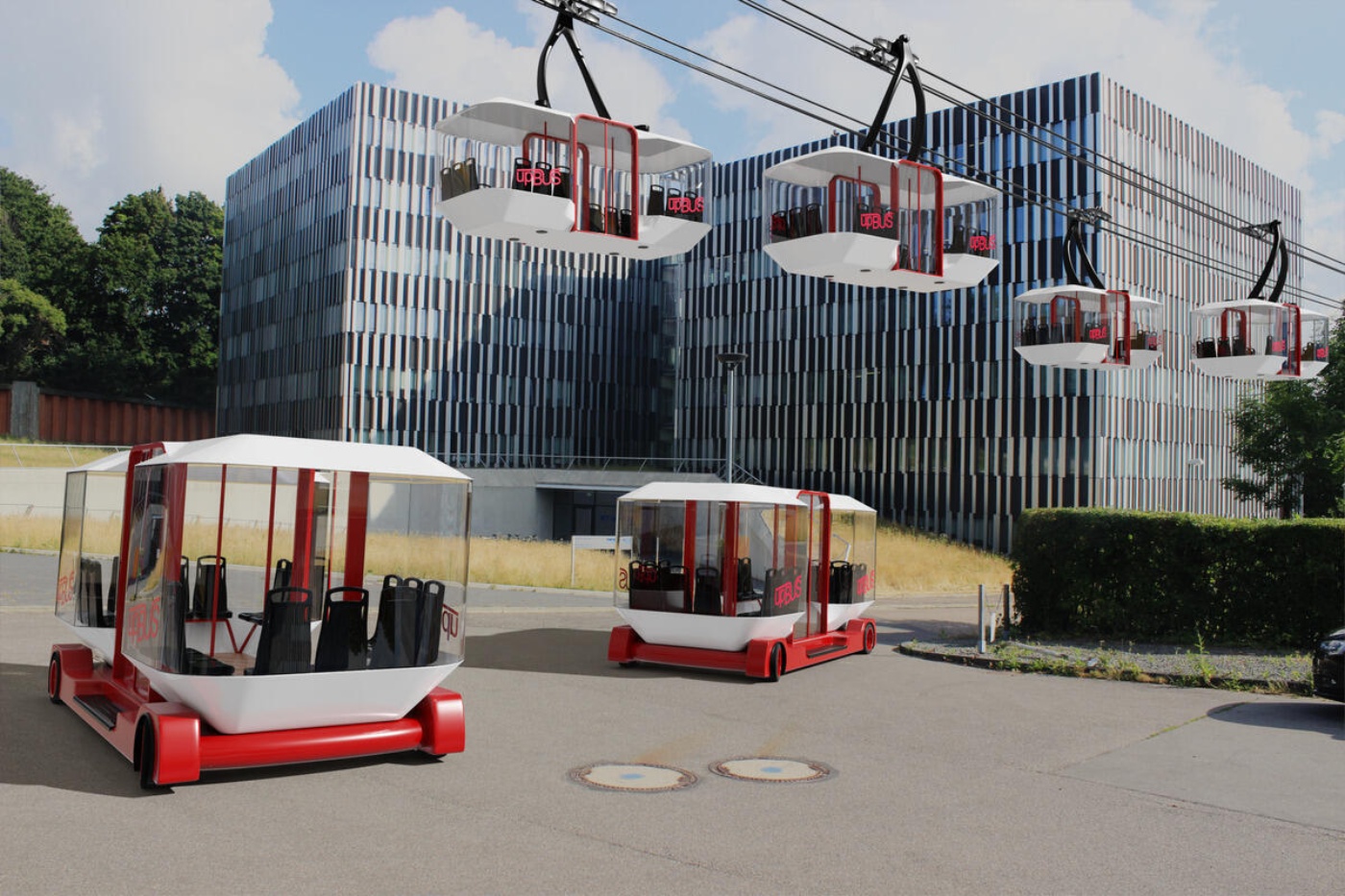
Researchers at RWTH Aachen have tested a prototype for the "upBUS" project, which combines an electric bus and a cable car into a single system. The concept features an autonomous, electrically powered passenger pod capable of both driving on city streets and transitioning onto urban cable car lines.
The core innovation is the fully automated coupling process: while in motion, the cabin can detach from the road module and hook into a cable car system within seconds. In the first testing phase, this transition was successfully demonstrated on a 20-meter model track. The automated coupling worked as intended, providing critical data for further development.
The project aims to enable seamless transitions between different modes of transport, thereby reducing bottlenecks in urban public transit. Larger-scale field trials are planned for summer 2026. Looking ahead, a pilot route is slated for Simmerath (NRW), where a previous feasibility study already showed positive technical and ecological results.
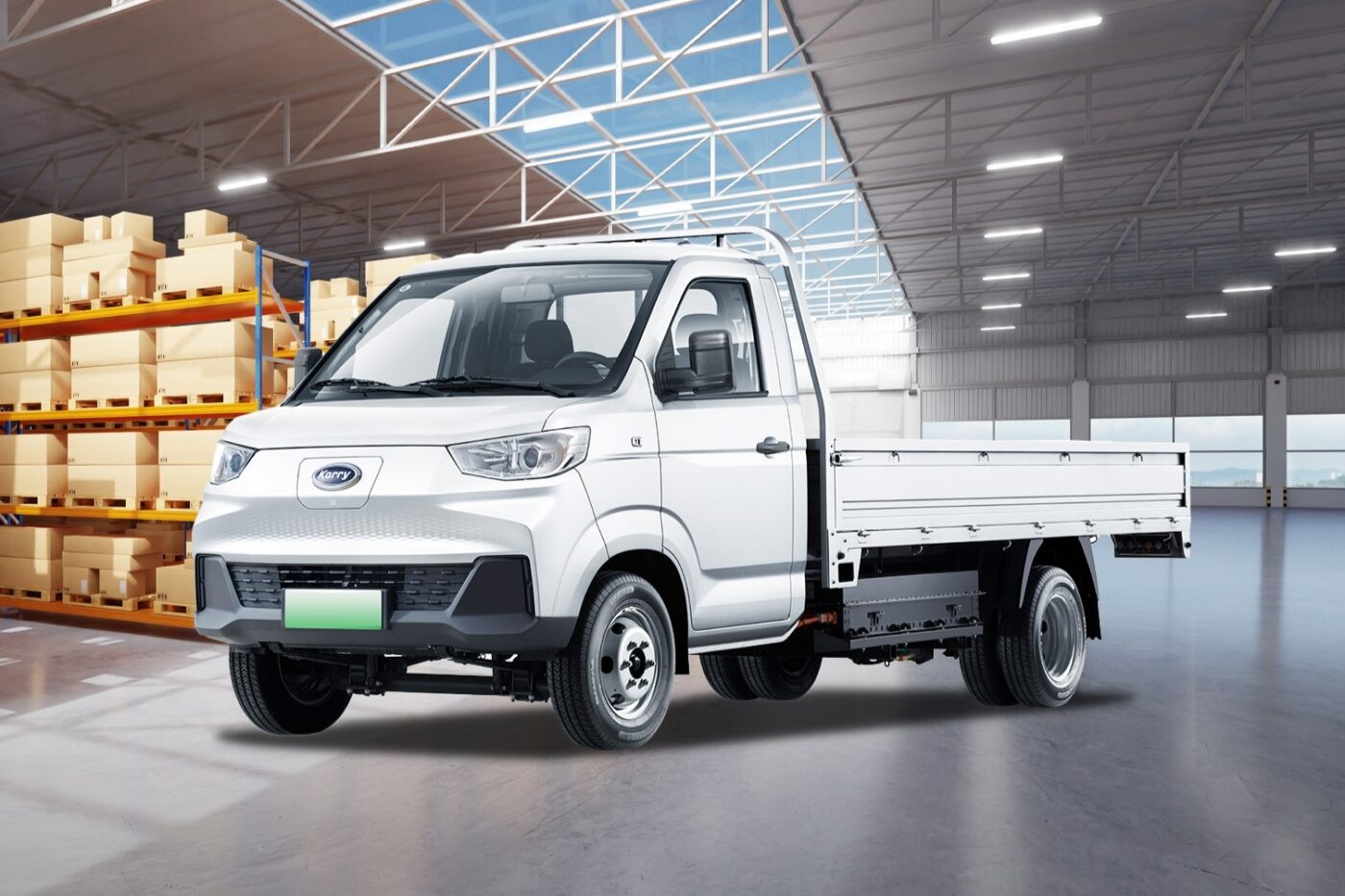
Chery Commercial Vehicle plans to establish its European commercial vehicle headquarters in Liverpool. The site will serve as a hub for R&D, engineering, and sales to drive the company's expansion into the European market.
While Chery is already present in several European countries with passenger car brands like Omoda and Jaecoo, the company is now shifting its focus toward the commercial sector—specifically electric vans and transporters like the Karry EX7.
The new headquarters is not intended to be a production plant; vehicles will continue to be manufactured in China. Instead, Liverpool will function as a development and adaptation center, tailoring products to European requirements and driving innovation for the local market.
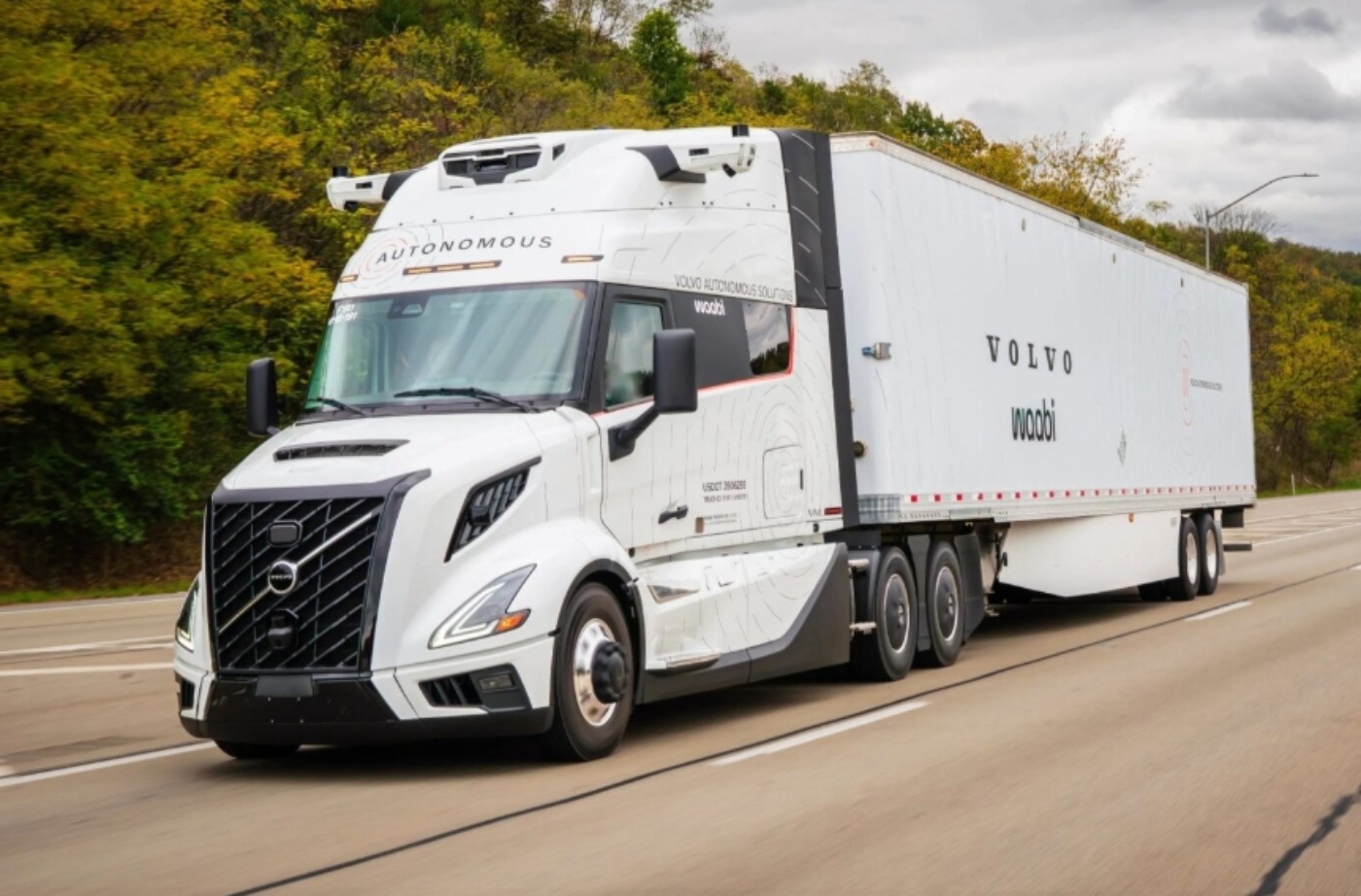
The Canadian autonomous driving startup Waabi has raised up to $750 million in a Series C round while simultaneously entering into a strategic partnership with Uber. With additional milestone-based capital from Uber, the total funding volume reaches nearly $1 billion. Investors include Khosla Ventures, G2 Venture Partners, and strategic backers such as NVIDIA Ventures, Volvo Group Venture Capital, and Porsche SE.
The core of the partnership is the integration of the "Waabi Driver" AI software into autonomous ride-hailing services on the Uber platform. The plan involves deploying at least 25,000 robotaxis, which will initially be operated exclusively through Uber. Waabi will provide the autonomous technology, while Uber contributes its platform, infrastructure, and market access.
Founded in 2021 by AI researcher Raquel Urtasun, Waabi originally specialized in autonomous trucking. With its scalable "Physical AI" platform, the company is now expanding its focus to robotaxis, positioning itself as a provider of a unified AI architecture for both highway and urban driving—a strategic step toward the large-scale commercialization of autonomous mobility.