.svg)


RWTH Aachen Tests Electric Bus-Gondola Hybrid: A New Vision for Urban Mobility
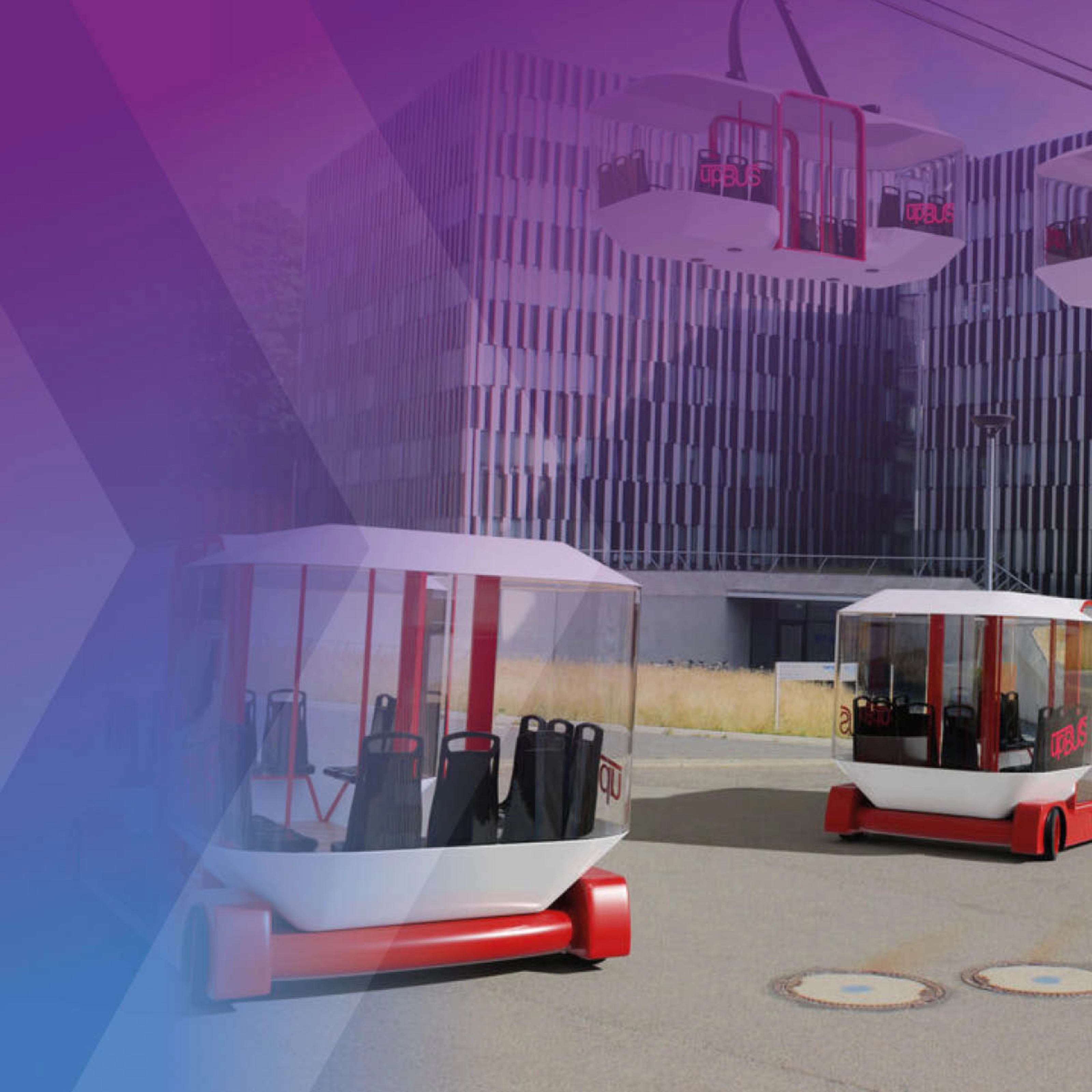
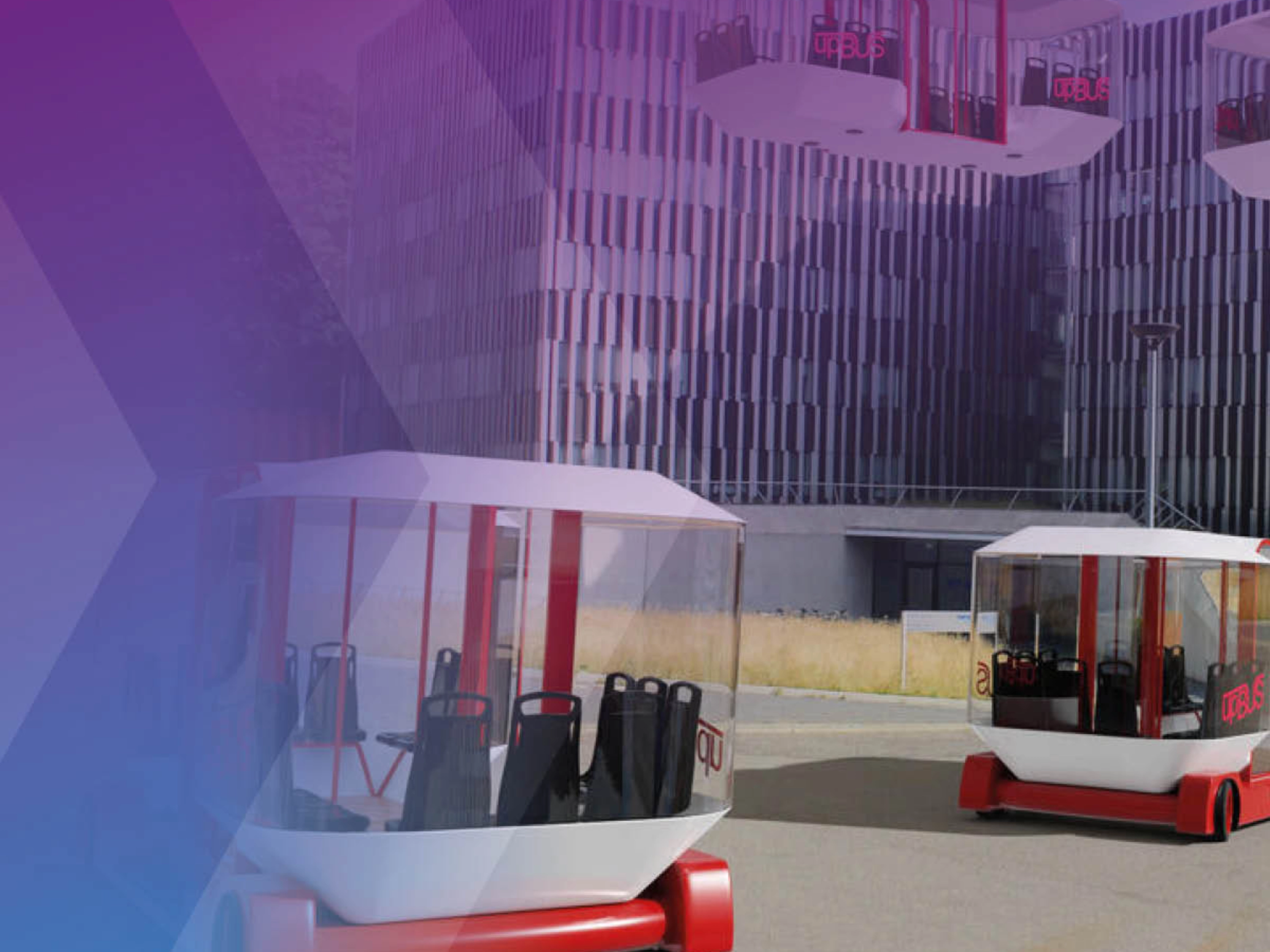
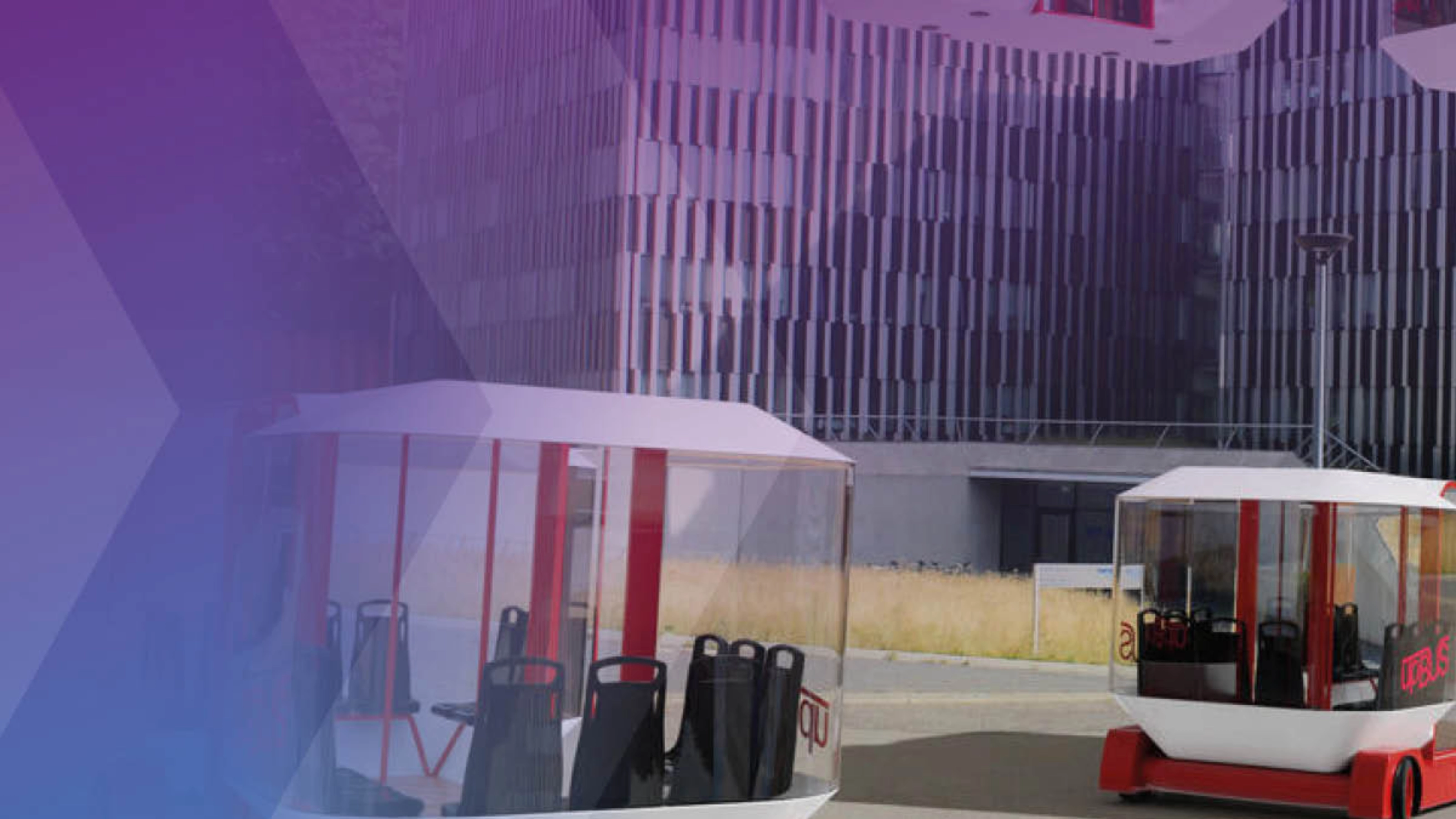
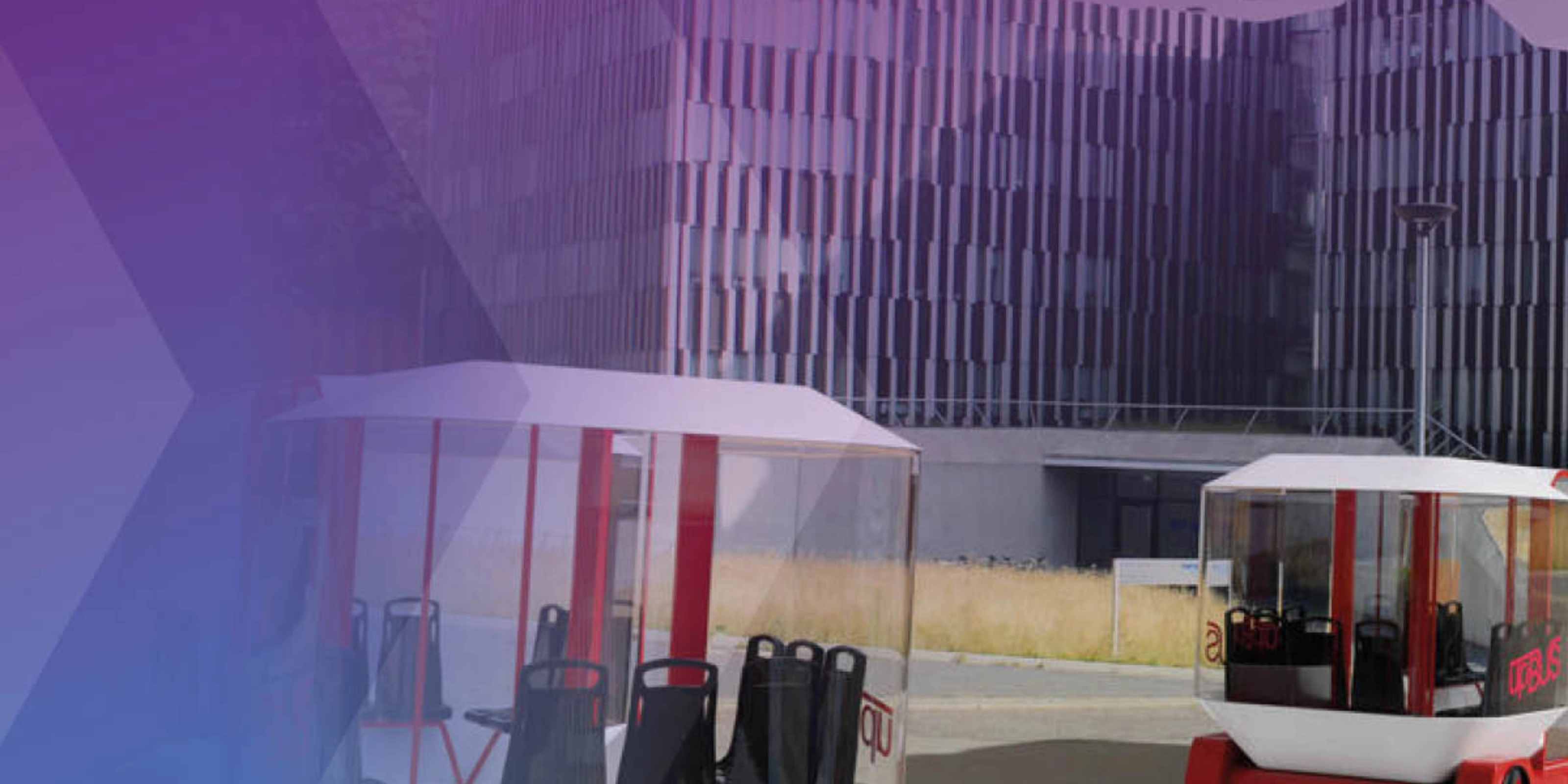
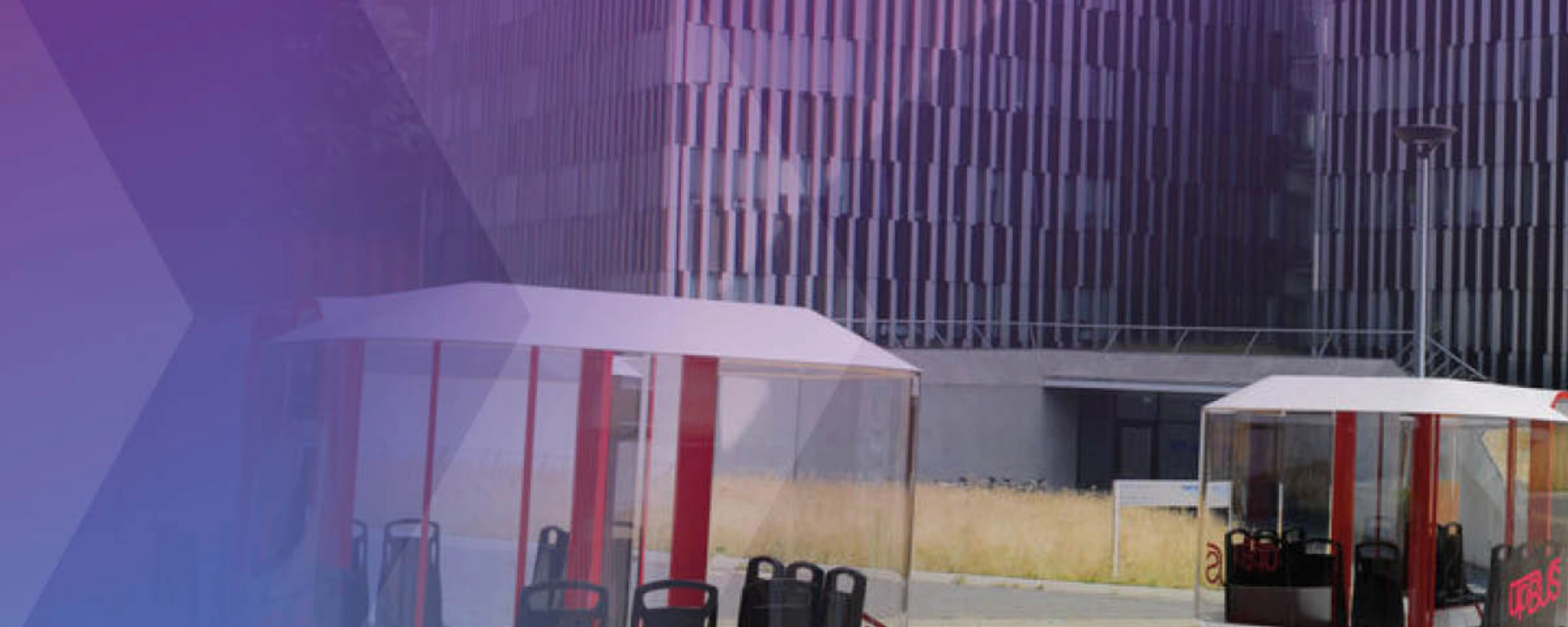
Researchers at RWTH Aachen University have successfully tested the first prototype of a combined electric bus and cable car vehicle. Known as the "upBUS" system, the project aims to merge the flexibility of autonomous electric vehicles with the efficiency of aerial gondolas, creating an entirely new form of intermodal public transit.
Researchers at RWTH Aachen University have successfully tested the first prototype of a combined electric bus and cable car vehicle. Known as the "upBUS" system, the project aims to merge the flexibility of autonomous electric vehicles with the efficiency of aerial gondolas, creating an entirely new form of intermodal public transit.
Concept and Functionality
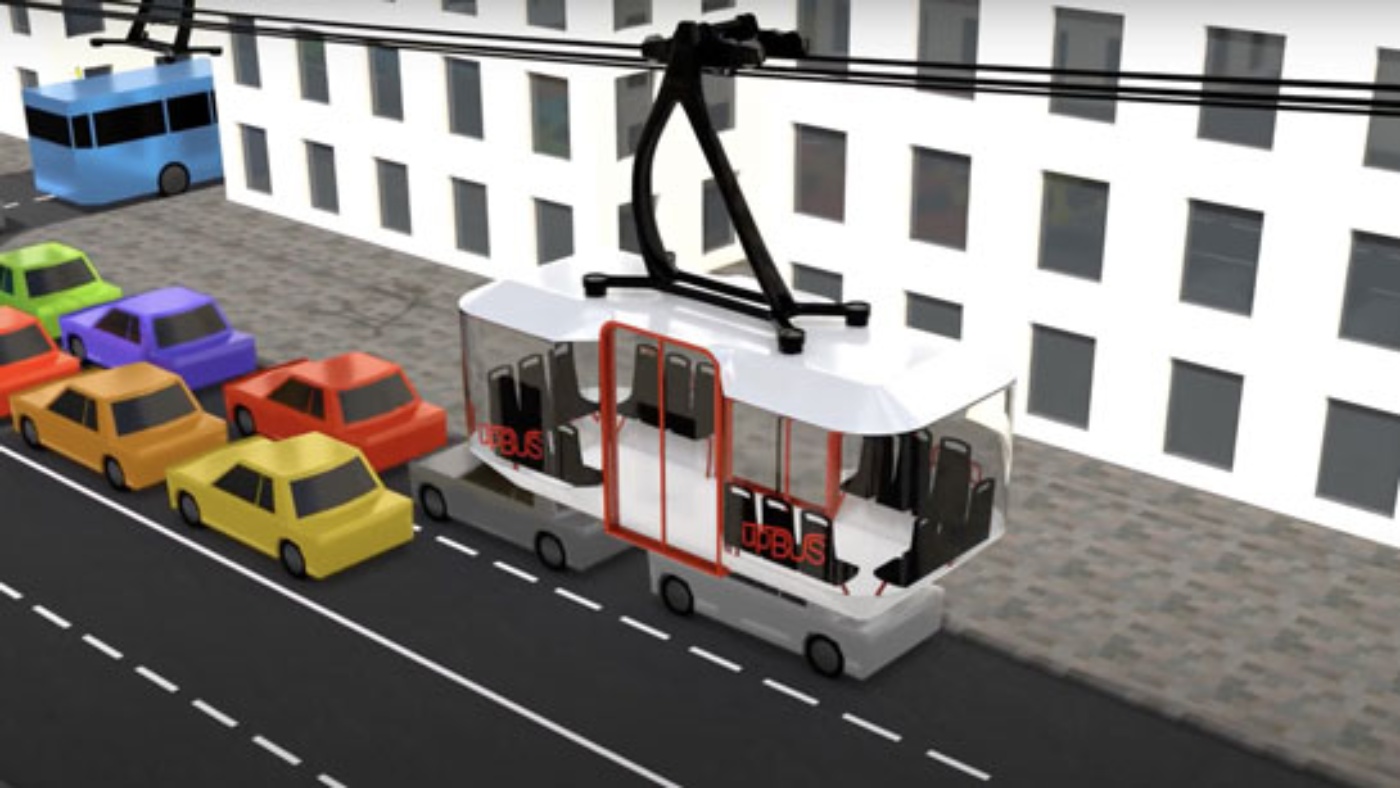
At the heart of the "upBUS" project is an autonomous electric minibus designed with a detachable passenger cabin. This cabin can operate both as a ground-based shuttle and as an aerial gondola. During the most recent testing phase, the team trialed a Minimum Viable Product (MVP) focused on the fully automated coupling process. In just a few seconds, the passenger cabin can transfer between the road-based chassis and the cable car system while in motion.
To achieve this, the project team constructed a 20-meter test track featuring a guided carriage to simulate the transition between road and cable modes. The primary takeaway from this phase is that the automated coupling system is functional, providing critical data for further engineering refinements.
Technical Collaboration and Integration
The research project is designed to develop transit systems that offer seamless transitions between different modes of transportation. The goal is to reduce congestion and urban transit bottlenecks where traditional bus lines reach their limits or where cable cars offer a viable alternative to conventional infrastructure.
Outlook: Field Trials and 2026 Pilot Route
Building on these technical insights, researchers are planning full-scale field trials for the summer of 2026. Following these demonstrations, a follow-up project aims to establish a pilot route in the town of Simmerath (North Rhine-Westphalia). A previous feasibility study in the area has already yielded positive results regarding both technical requirements and environmental impact.