
.svg)







IAA TRANSPORTATION Weekly | KW 07/2026
Europcar, Toyota, Phoenix Contact and AutoFlight
Europcar electrifies its cargo van fleet, Toyota launches an all-electric version of its "Pixis Van" Kei car, Phoenix Contact unveils a new commercial vehicle charging inlet with integrated control, and AutoFlight presents a large-scale air taxi for cargo and up to ten passengers—these are our top stories for week seven of 2026.
Europcar electrifies its cargo van fleet, Toyota launches an all-electric version of its "Pixis Van" Kei car, Phoenix Contact unveils a new commercial vehicle charging inlet with integrated control, and AutoFlight presents a large-scale air taxi for cargo and up to ten passengers—these are our top stories for week seven of 2026.
- 1. Europcar Electrifies Cargo Van Fleet – Electric Vans Now Available for Corporate Rental
- 2. Toyota Launches All-Electric Version of the "Pixis Van" Kei Van
- 3. Phoenix Contact Unveils New Commercial Vehicle Charging Inlet with Integrated Control
- 4. AutoFlight Presents Large-Scale Air Taxi for Cargo and Up to Ten Passengers
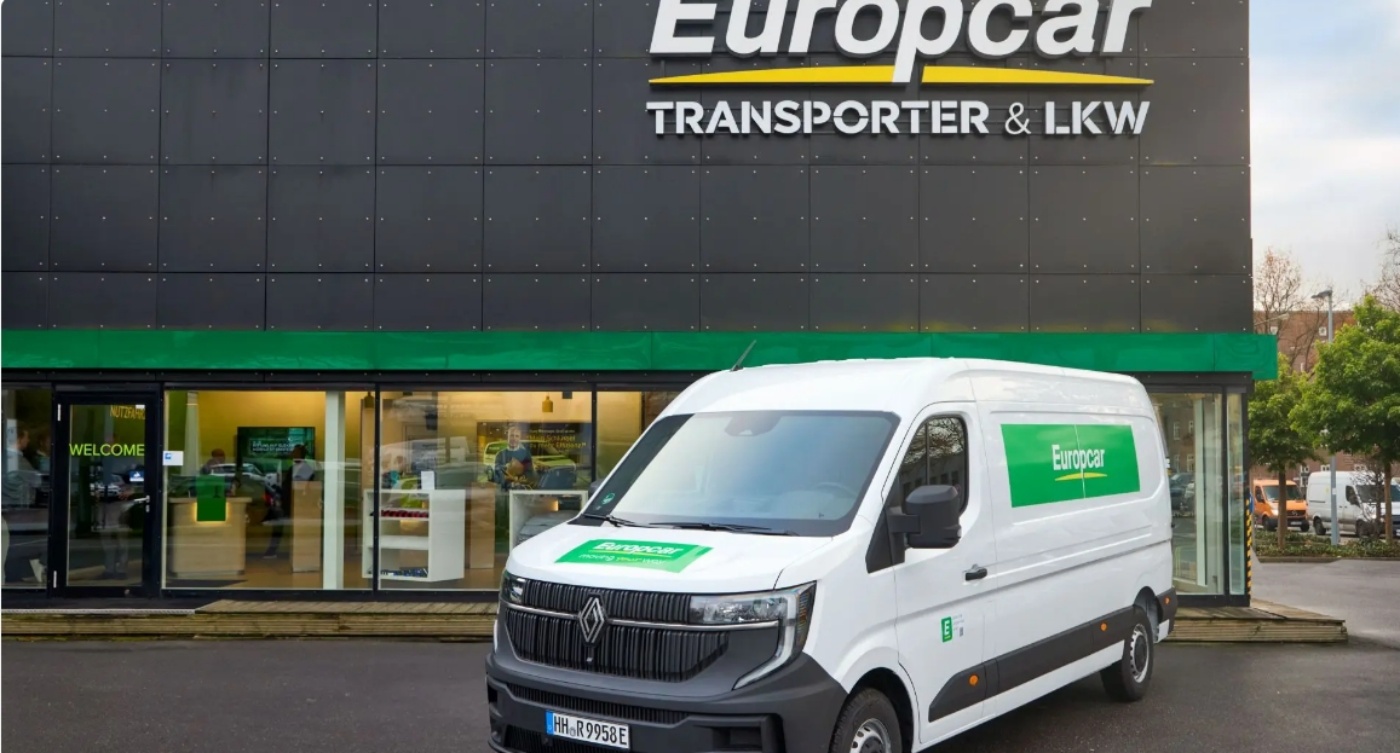
Europcar is expanding its fleet to include fully electric cargo vans, specifically targeting companies looking to transition to zero-emission delivery operations. To kick off the initiative, Europcar is offering the Renault Master E-Tech for rent in Germany—providing a solution that avoids high upfront capital expenditures while focusing on urban and regional logistics.
These e-vans offer a range of over 250 miles, a payload capacity of approximately 2,200 lbs, and practical features such as protective wood cargo lining, parking sensors, and a rearview camera. Moving forward, the company plans to expand the lineup with additional brands and vehicle configurations. In Dortmund, 20 vehicles have already been leased to new customers on one-year contracts to facilitate real-world operational testing.
Additionally, Europcar Vans & Trucks has launched a pilot program for existing customers in the UK, where electric vans like the Volkswagen e-Transporter can be tested free of charge for three weeks. The goal is to provide businesses with a low-threshold entry into electric commercial vehicles while reducing carbon footprints and noise pollution in delivery traffic.
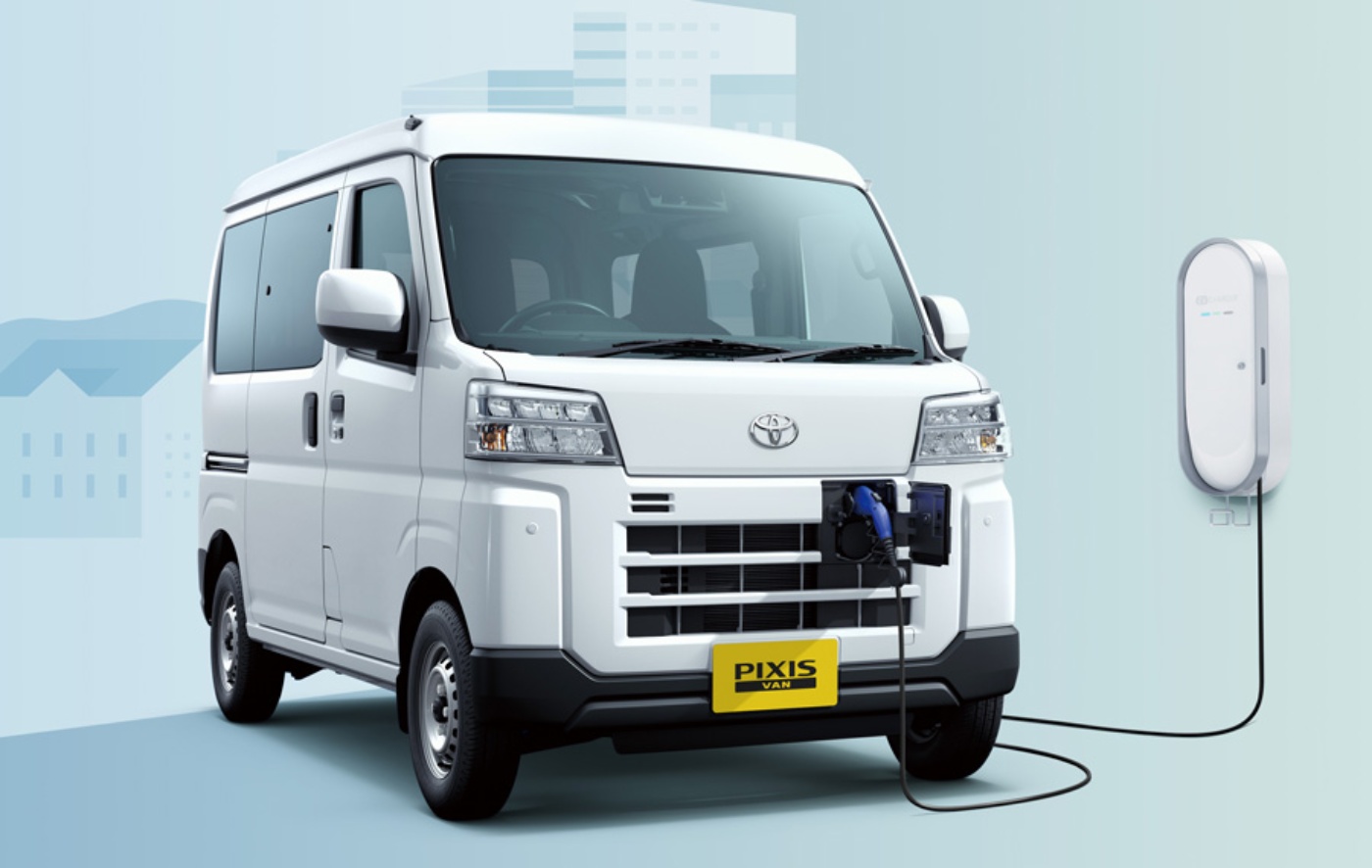
Toyota has introduced an all-electric version of the Pixis Van in Japan. Available as of February 2, 2026, the Pixis Van BEV is specifically aimed at commercial customers, such as tradespeople and delivery services.
This compact electric van features a 36.6 kWh battery, a rear-wheel-drive electric motor producing 47 kW and approximately 93 lb-ft of torque, and a range of roughly 160 miles. Despite its small exterior dimensions, this "Kei" van offers a practical cargo area with a payload capacity of up to 770 lbs—making it ideal for narrow city streets and construction sites.
For daily operations, the Pixis Van BEV supports DC fast charging (reaching 80% in about 50 minutes), flexible AC charging options, and a 1,500W outlet with Vehicle-to-Home (V2H) functionality. This allows the vehicle to provide power for tools, equipment, or household appliances. The electric drivetrain was a collaborative development between Toyota, Suzuki Motor Corporation, and Daihatsu Motor Co., underscoring Toyota's strategy to advance electromobility even in the micro-commercial vehicle segment.
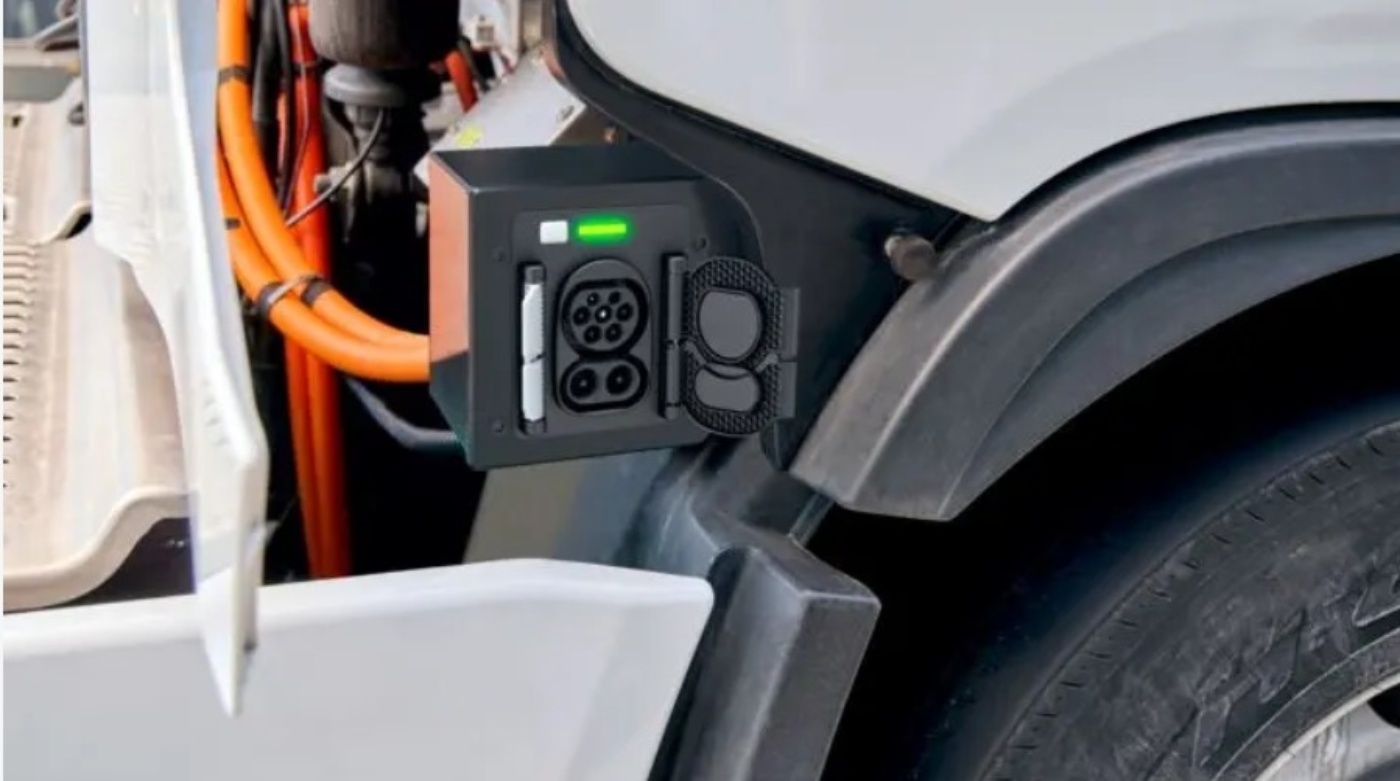
Phoenix Contact has introduced a new charging inlet for electric commercial vehicles that combines the charging port and the control unit into a single module. For the first time, this assembly handles both the physical electrical connection and the communication with the charging infrastructure—utilizing standard charging protocols—directly within the inlet itself.
This integrated "intelligence" eliminates the need for separate control and communication modules inside the vehicle. This design reduces assembly time, saves installation space, and minimizes potential points of failure while simultaneously increasing robustness and serviceability. This is a significant advantage for cargo vans and heavy-duty electric trucks with complex charging requirements. The modular solution covers everything from 7 kW AC charging to high-power DC fast-charging applications, positioning Phoenix Contact with a compact, scalable unit in the growing electric commercial vehicle market.

AutoFlight has unveiled a new large-scale eVTOL concept designed to carry up to ten passengers or up to 4,000 lbs (1.8 metric tons) of cargo. This positions the aircraft well above many previous air taxi designs, which typically only transport two to four people.
The model utilizes a hybrid-electric powertrain: electric rotors enable vertical take-off and landing (VTOL), while a supplemental internal combustion engine provides energy during cruise flight. This concept is intended to improve range, payload capacity, and cost-effectiveness—particularly for heavier loads and longer distances.
The cabin features a flexible configuration and can be used as either a passenger or cargo platform, suitable for logistics connections between urban hubs or airports. Currently, the aircraft is a concept prototype without certification. Specific dates for test flights or a commercial market launch have not yet been announced.