
.svg)
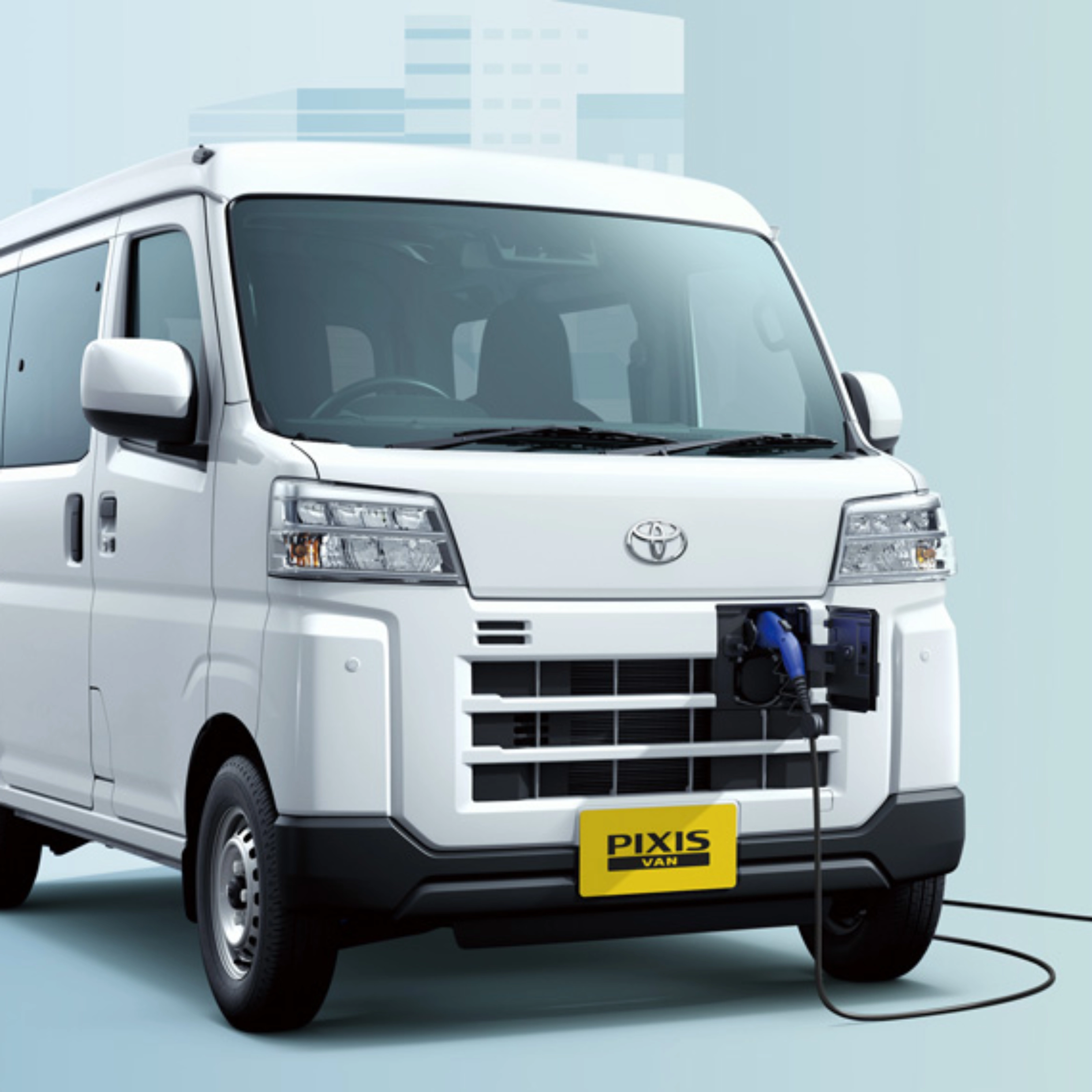
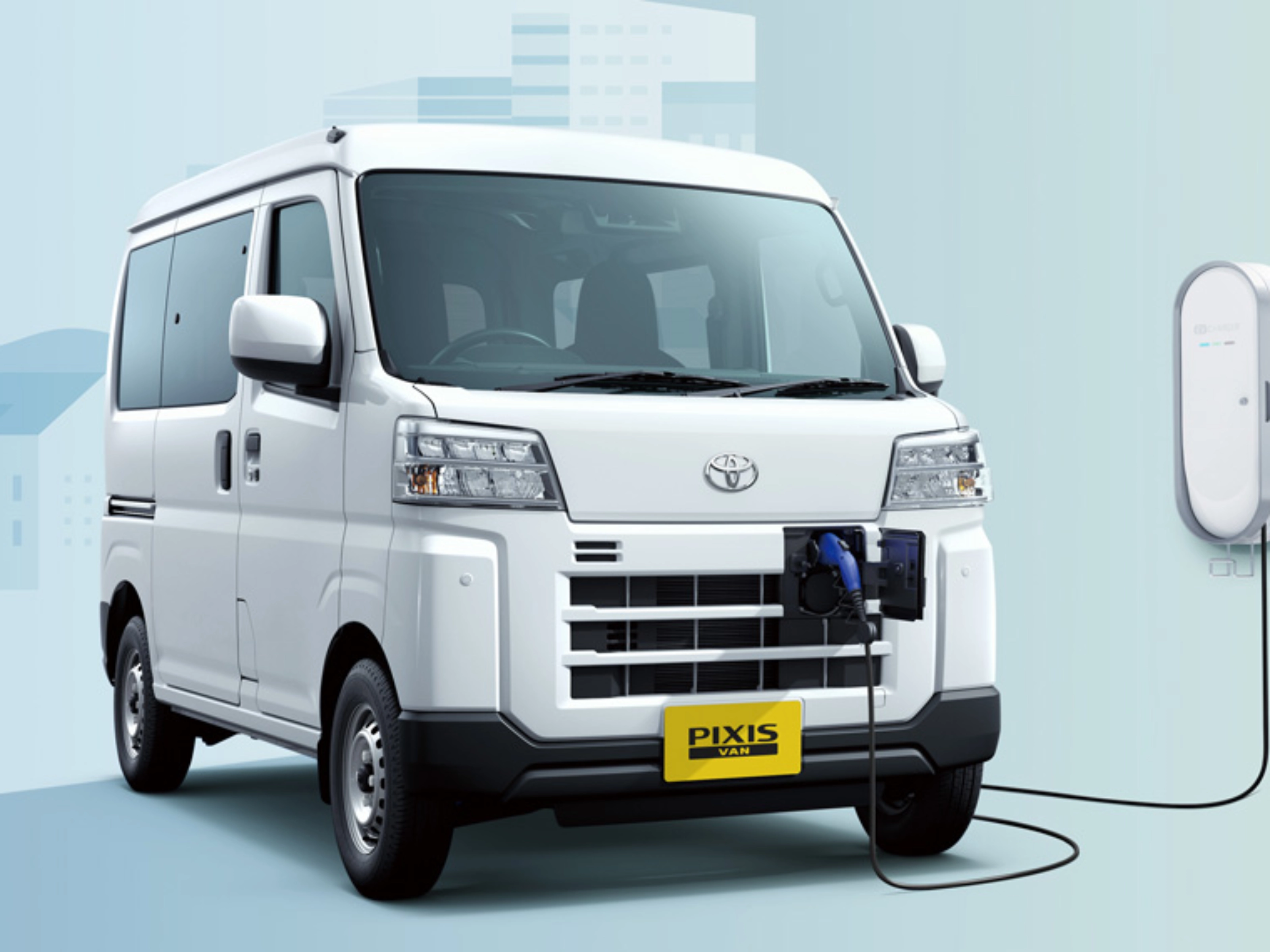
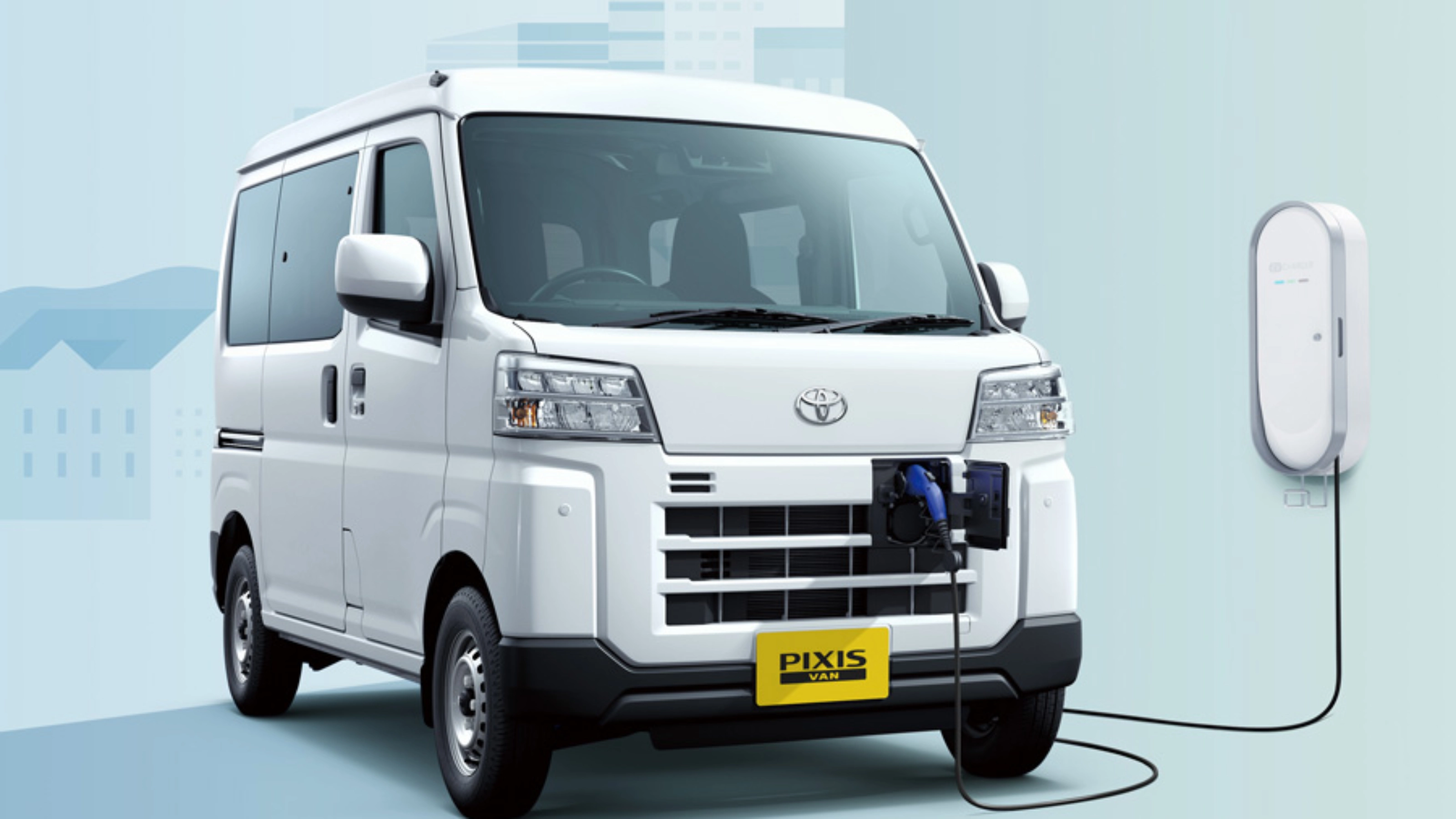
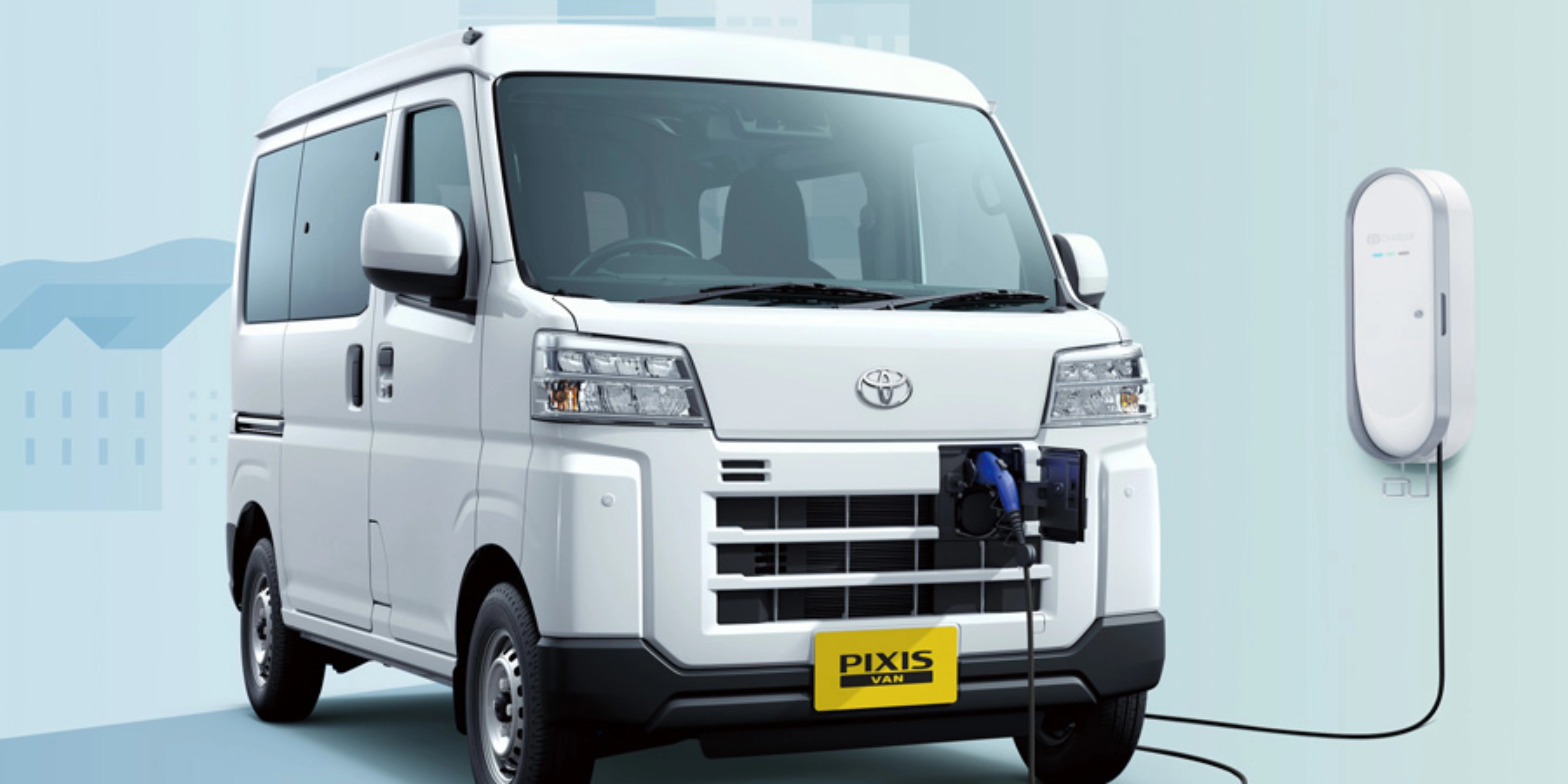
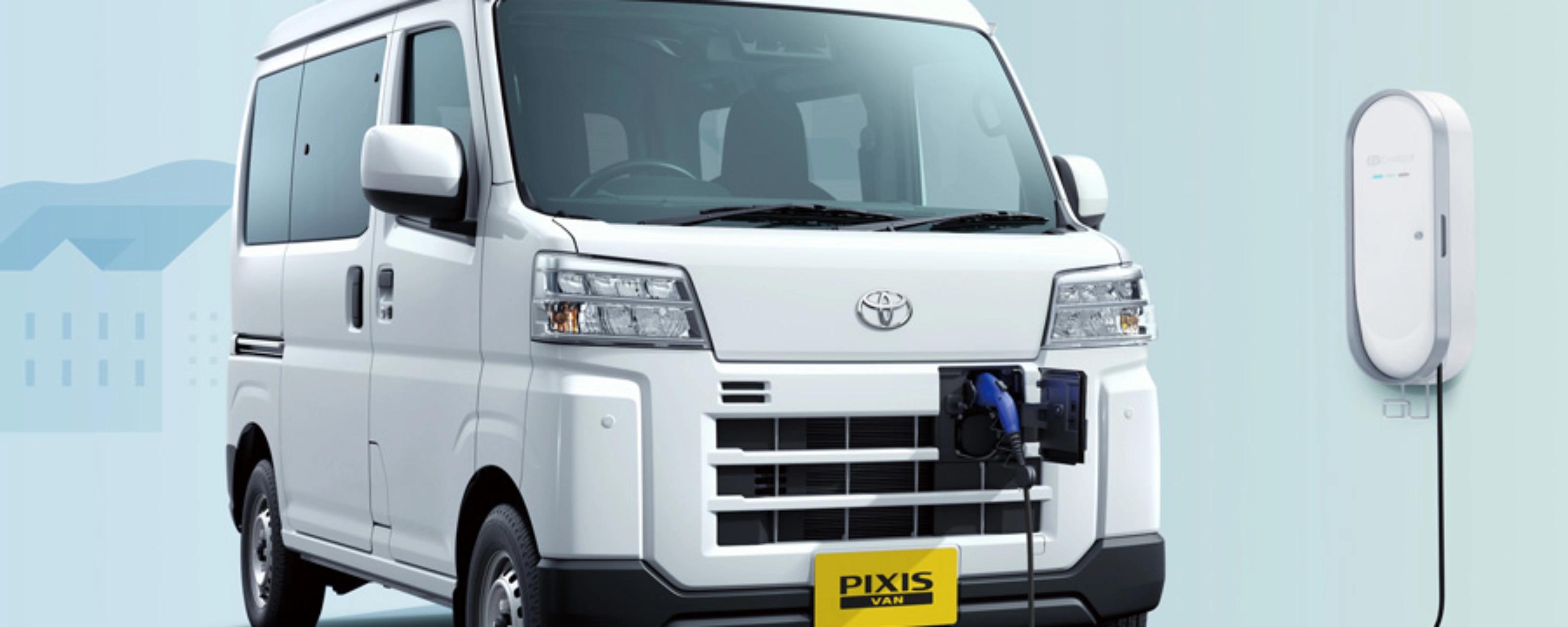
Toyota Launches All-Electric Version of the "Pixis Van" Kei Van
Image: (c) Toyota
Toyota has expanded its compact commercial vehicle lineup with the release of a battery-electric (BEV) version of the Pixis Van, which officially hit the Japanese market on February 2, 2026. This new model is specifically engineered to meet the daily operational needs of small businesses, tradespeople, and delivery services.
Toyota has expanded its compact commercial vehicle lineup with the release of a battery-electric (BEV) version of the Pixis Van, which officially hit the Japanese market on February 2, 2026. This new model is specifically engineered to meet the daily operational needs of small businesses, tradespeople, and delivery services.
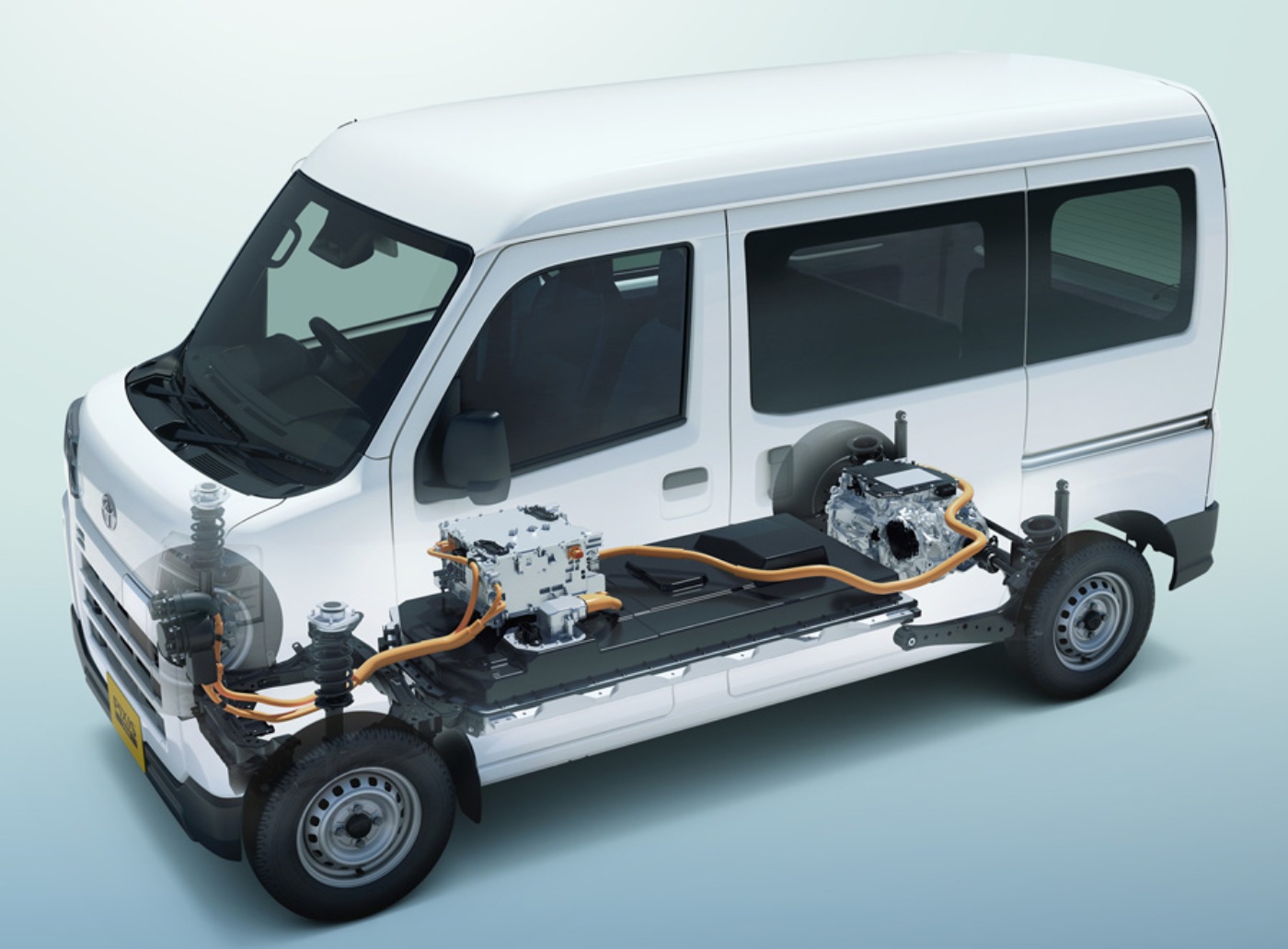
The new Pixis Van BEV features a 36.6 kWh lithium-ion battery system mounted beneath the floor and utilizes a rear-wheel-drive electric motor. With an output of 47 kW and approximately 93 lb-ft of torque, the van provides quiet yet responsive acceleration. It offers a driving range of roughly 160 miles per charge, which is well-suited for typical commercial routes.
The inherent compactness of the "Kei" platform allows the Pixis Van BEV to maneuver effortlessly through narrow streets, construction sites, and congested downtown areas. Despite its small footprint, the cargo area remains impressively spacious, measuring roughly 6.3 feet long, 4.2 feet wide, and 4.1 feet high, while supporting a maximum payload of up to 770 lbs.
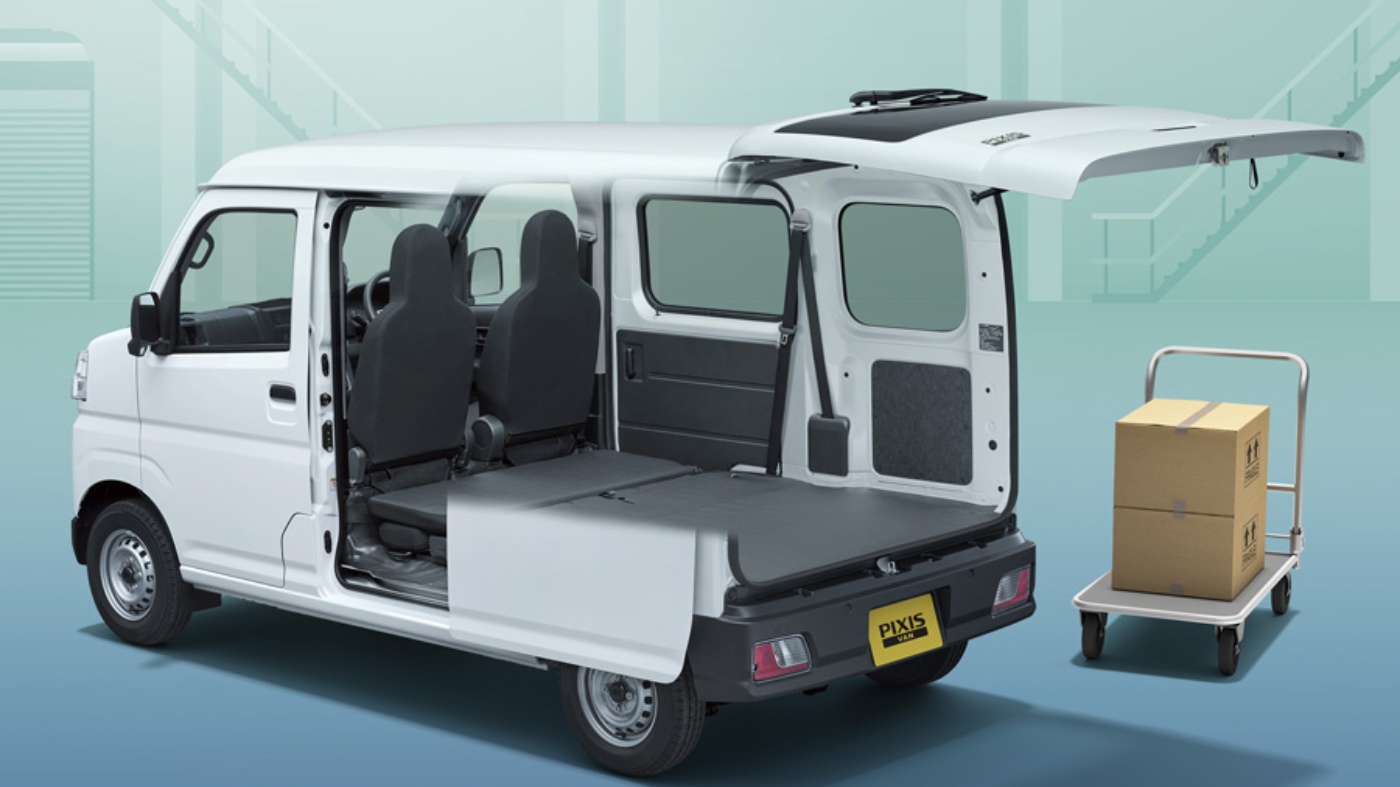
Every aspect of this battery-electric van was designed with practicality in mind. In addition to DC fast-charging capabilities that can reach an 80% charge in about 50 minutes at a 50 kW station, the vehicle offers user-friendly AC charging options and standardized connectors. Furthermore, a 1,500W AC outlet with Vehicle-to-Home (V2H) compatibility allows users to power electric tools, equipment, or even household appliances while on the move or during a power outage.
The electric drivetrain for the Pixis Van BEV was a collaborative development effort between Toyota, Suzuki Motor Corporation, and Daihatsu Motor Co.