
.svg)







IAA TRANSPORTATION Weekly | 05/2026
Daimler Truck, Foxconn, Mitsubishi Fuso and more
Exhibitor registrations for IAA TRANSPORTATION 2026 promise increased international reach and a wave of newcomers; Daimler Truck unveils the Mercedes-Benz NextGenH2 Truck; Foxconn and Mitsubishi Fuso form a new bus OEM in Japan; Scania and the Volvo FH earn five stars in Euro NCAP truck safety ratings; TRATON deepens its partnership with PlusAI; and Mercedes-Benz Trucks tests megawatt charging for long-haul transport—these are our top stories for Week 5, 2026.
Exhibitor registrations for IAA TRANSPORTATION 2026 promise increased international reach and a wave of newcomers; Daimler Truck unveils the Mercedes-Benz NextGenH2 Truck; Foxconn and Mitsubishi Fuso form a new bus OEM in Japan; Scania and the Volvo FH earn five stars in Euro NCAP truck safety ratings; TRATON deepens its partnership with PlusAI; and Mercedes-Benz Trucks tests megawatt charging for long-haul transport—these are our top stories for Week 5, 2026.
- 1. Inside IAA: Exhibitor Registrations for IAA TRANSPORTATION 2026
- 2. Inside IAA: Sign Up Now for the IAA TRANSPORTATION 2026 Newsletter
- 3. Daimler Truck Unveils Mercedes-Benz NextGenH2 Truck
- 4. Foxconn and Mitsubishi Fuso Launch New Bus OEM in Japan
- 5. Euro NCAP Truck Safety Ratings: Scania and Volvo FH Earn Five Stars
- 6. TRATON Deepens Partnership with PlusAI
- 7. Mercedes-Benz Trucks Tests Megawatt Charging
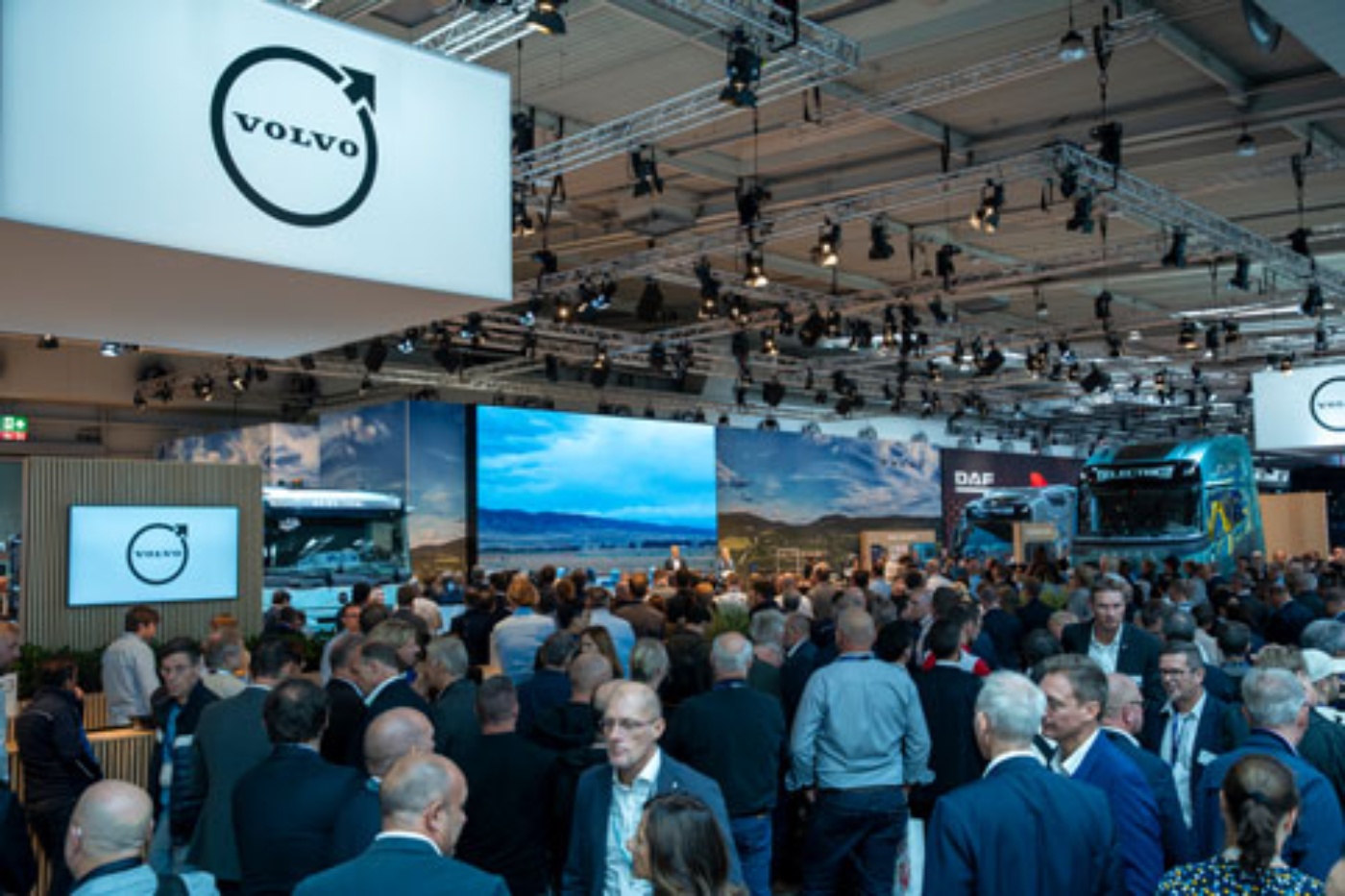
As with IAA TRANSPORTATION 2024, an increase in exhibitors is already emerging in the run-up to the event. Currently, the number of registrations for IAA TRANSPORTATION 2026 is approximately 11 percent higher than the comparative value from January 2024; several halls at the exhibition grounds are already overbooked. More registrations are coming in daily.
Equally encouraging is that the number of international exhibitors remains at the record level of the last IAA (currently 70 percent). Companies from China, Turkey, and Italy are particularly well-represented this year. Another positive highlight is the number of newcomers: 23 percent of the exhibitors will be participating in IAA TRANSPORTATION for the first time to showcase their innovations in Hannover.
Alongside newcomers such as e-van manufacturer FLEXIS, development service provider IAV, suppliers Igus and Stoneridge, and charging infrastructure provider Zerova, well-known industry leaders like Renault Trucks are returning to IAA TRANSPORTATION to present their latest premieres. This also includes Mercedes-Benz Vans, which have confirmed their participation with a dedicated presence. Additionally, truck manufacturers such as BYD, DAF Trucks, Daimler Truck, Dongfeng, Ford, Ford Trucks, KIA, MAN Truck & Bus, MAXUS, Scania, VW Commercial Vehicles, and Volvo Trucks will be showcasing their products.
By far the most strongly represented exhibitor group to date is the suppliers. Companies such as AUMOVIO, Robert Bosch, BPW Bergische Achsen, Daikin, Horse Power Train, MAHLE, Rupf Automotive, WISTRA, and the ZF Group, among others, will be showcasing their innovative developments and products. They are followed closely by body manufacturers, including Fliegl Fahrzeugbau, JOST-Werke Germany, Junge Fahrzeugbau, Kässbohrer, Kögel Trailer, Krone Trailer, Meiller Kipper, Meusburger Fahrzeugbau, Spier, and Schmitz Cargobull, who will present their diverse range of products as global market leaders at IAA TRANSPORTATION in Hannover.
To stay informed about the most important developments at IAA TRANSPORTATION, sign up for the official newsletter today. You will receive regular updates on the trends and topics shaping IAA TRANSPORTATION 2026, including detailed insights into specific event formats, keynote themes, and essential industry news.
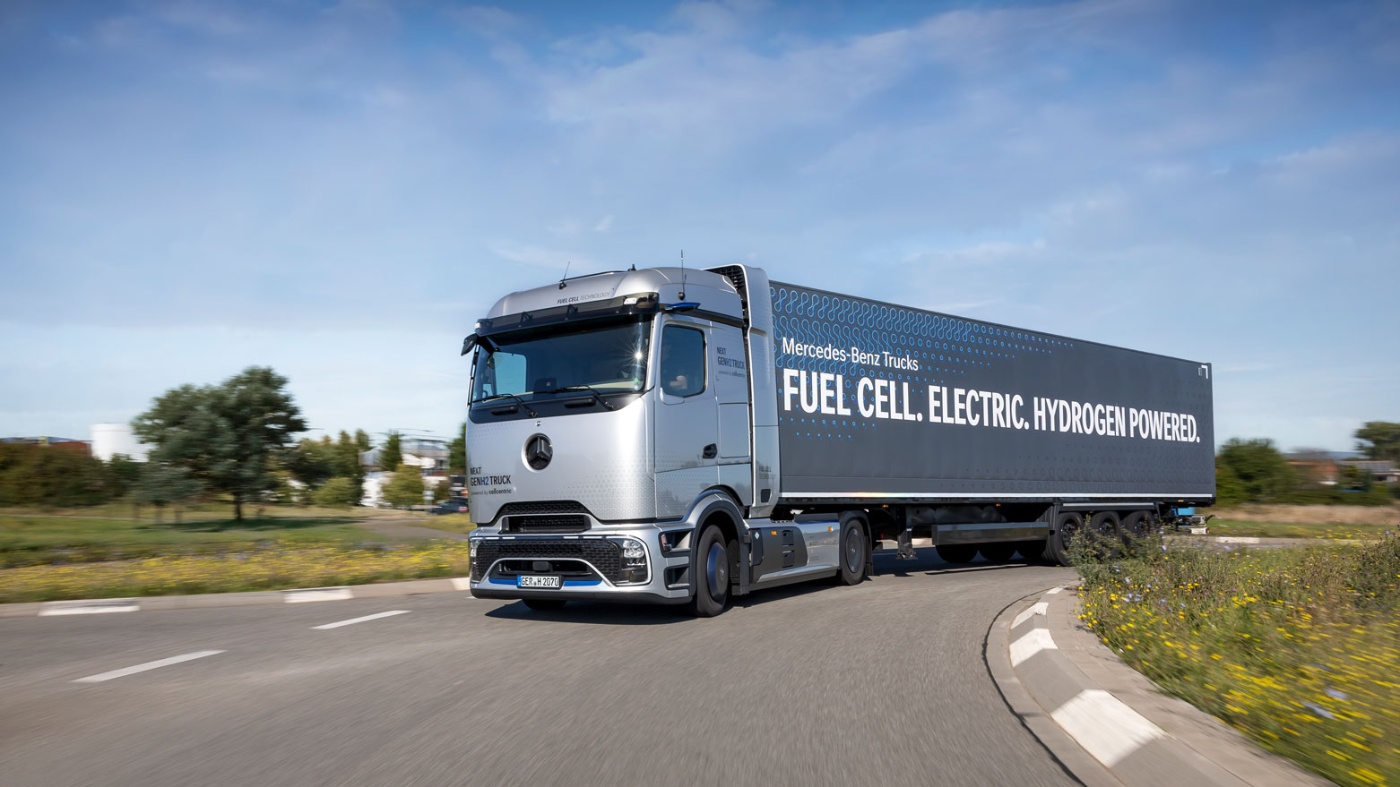
Daimler Truck AG will launch a small-series production of 100 fuel cell semi-trucks—the Mercedes-Benz NextGenH2—at the end of 2026. Based on the GenH2 platform, the model combines proven liquid hydrogen technology with cellcentric fuel cells and production-ready components such as the ProCabin, integrated e-axle, a modern Multimedia Cockpit, and the latest driver assistance systems.
The vehicles will be manufactured at the Mercedes-Benz plant in Wörth and deployed to select customers for real-world transport operations. The goal is to collect operational data, test service and supply chain processes, and further validate daily usability. Daimler Truck views this limited run as a critical step toward full-scale series production in the early 2030s.
Previous tests with GenH2 prototypes have already demonstrated high ranges and short refueling times in customer trials, backed by over 140,000 miles (225,000 km) of practical experience with zero local $CO_2$ emissions.
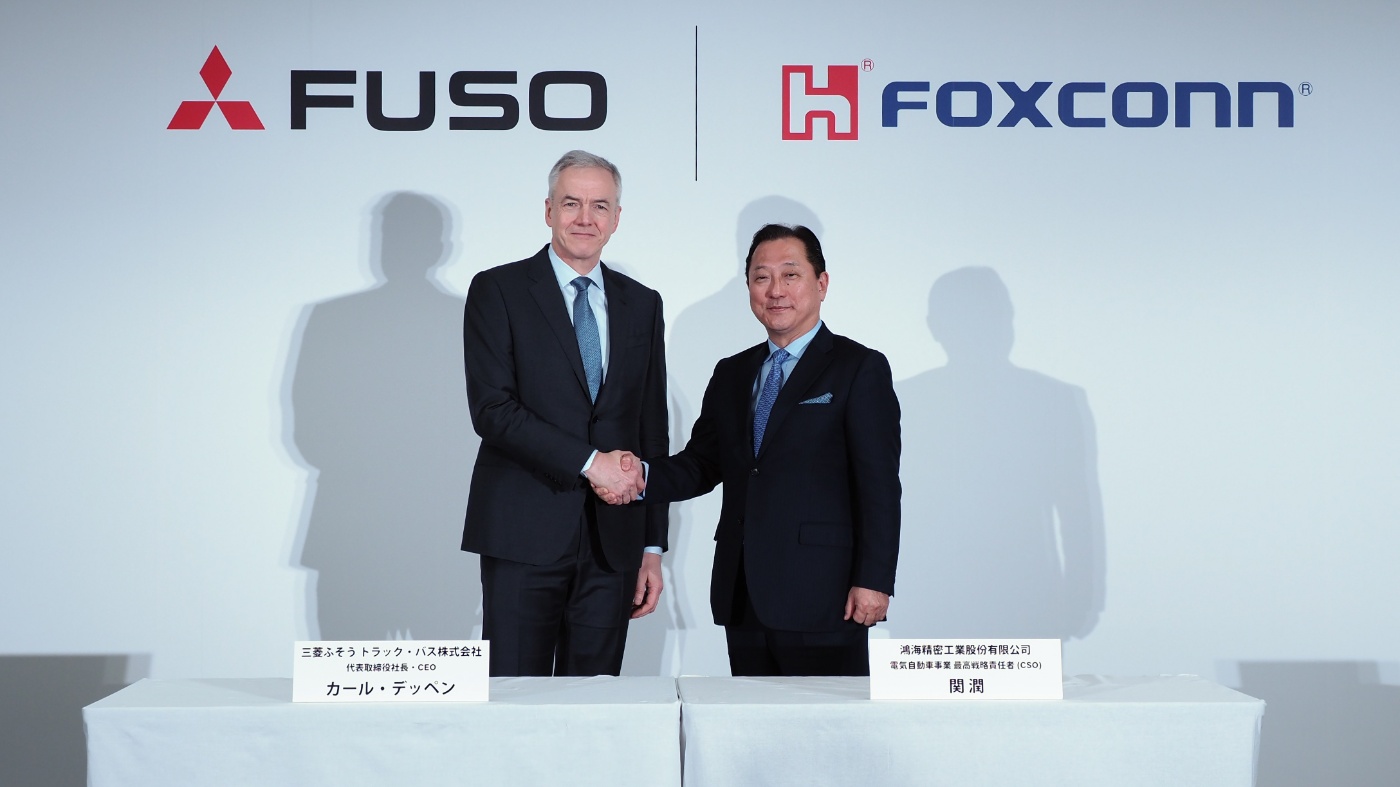
Hon Hai Technology Group (Foxconn) and Mitsubishi Fuso Truck and Bus Corporation plan to establish an independent bus OEM in Japan focused on zero-emission vehicles (ZEVs). The new company is slated to launch in the second half of 2026, centralizing the development, production, supply chain, and sales of zero-emission buses.
The venture builds on the collaboration between Mitsubishi Fuso and Foxconn’s automotive subsidiary, Foxtron Vehicle Technologies. Plans focus on electric buses based on Foxtron’s "MODEL T" and "MODEL U" platforms, designed for both the Japanese and international markets.
Katsuto Kora has been appointed CEO of the new entity. The partnership aims to merge FUSO’s commercial vehicle expertise and brand heritage with Foxconn’s strengths in electrification, electronics, and global partnerships. By doing so, the partners intend to shorten development cycles, reduce costs, and bring high-quality, sustainable buses to market faster while adhering to Japan’s stringent quality and regulatory standards.
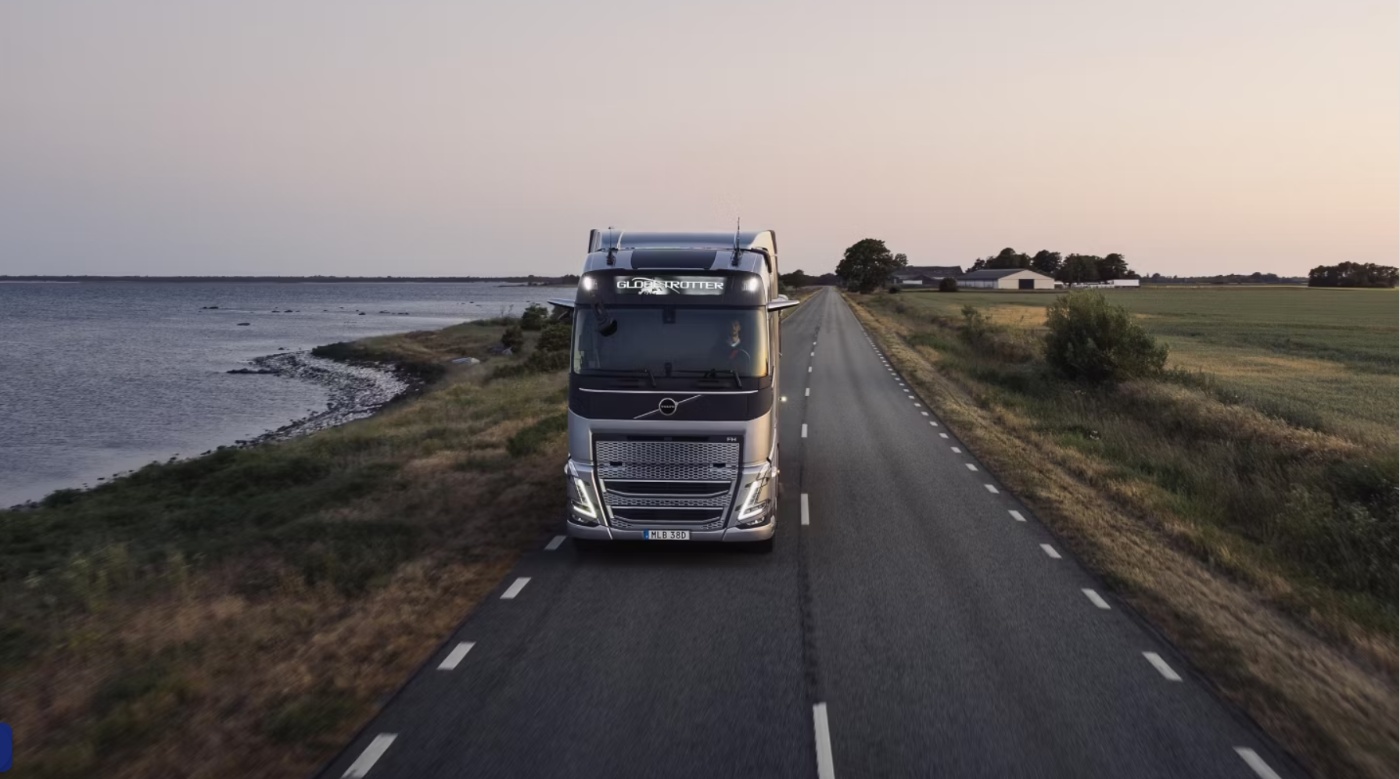
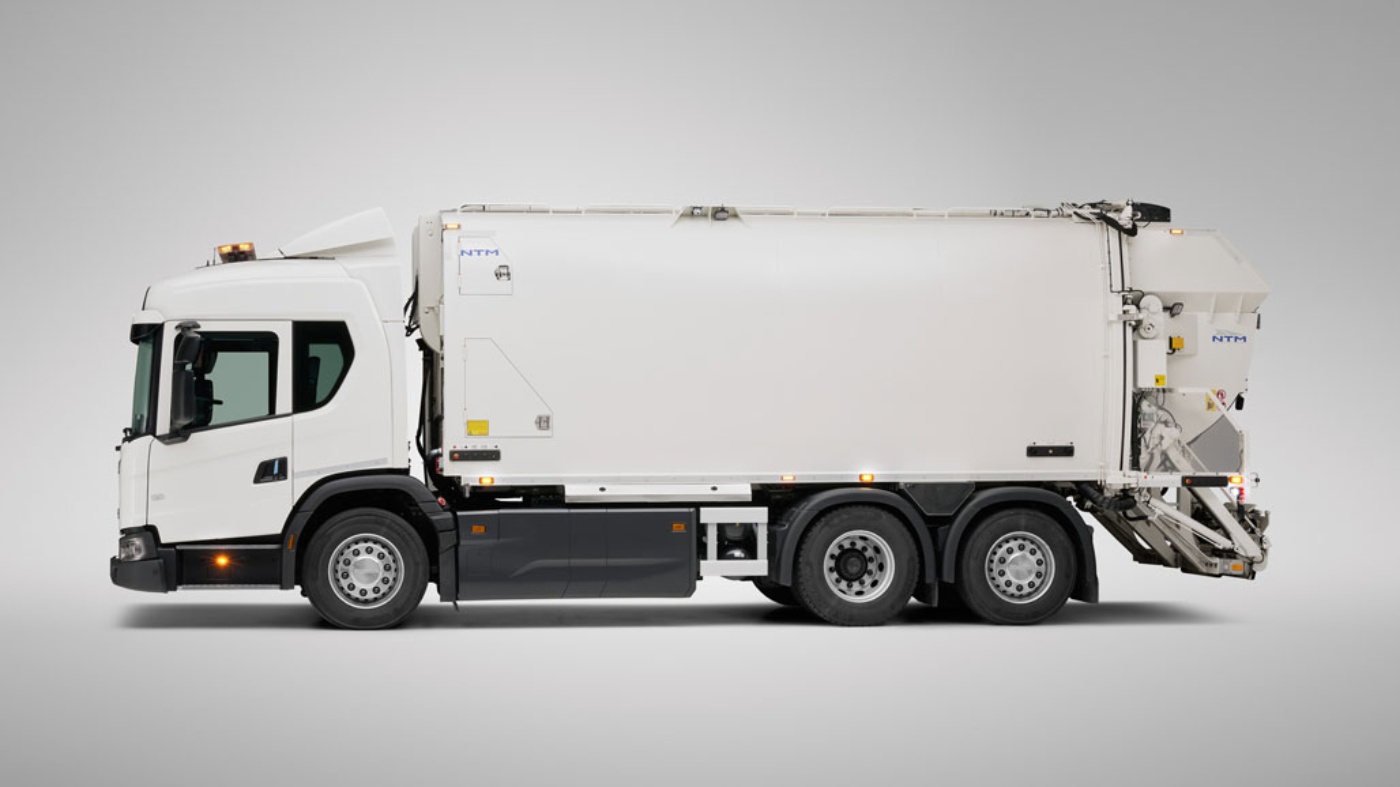
In the latest Euro NCAP safety assessments for heavy commercial vehicles, Scania and Volvo Trucks are setting the bar: Both the Scania L-Series and the Volvo FH achieved the maximum five-star rating, highlighting the growing focus on active safety in heavy-duty transport.
The Scania L-Series particularly impressed during the Euro NCAP testing, earning the "CitySafe" accreditation. The rating was driven by excellent visibility from the low-entry cab and high-performance assistance and collision-avoidance systems, which are vital in urban environments with high pedestrian and cyclist traffic.
The Volvo FH also secured five stars and the CitySafe Award, continuing Volvo’s winning streak following top marks for the FH Aero and FM models. The award recognizes superior performance in driver assistance, collision avoidance, and active safety systems.
Elsewhere in the test group, the Ford F-MAX received three stars, while the Iveco S-Way (2025 model year) was awarded two stars. Overall, the results demonstrate that safety is becoming a significant differentiator in the heavy-duty vehicle market.
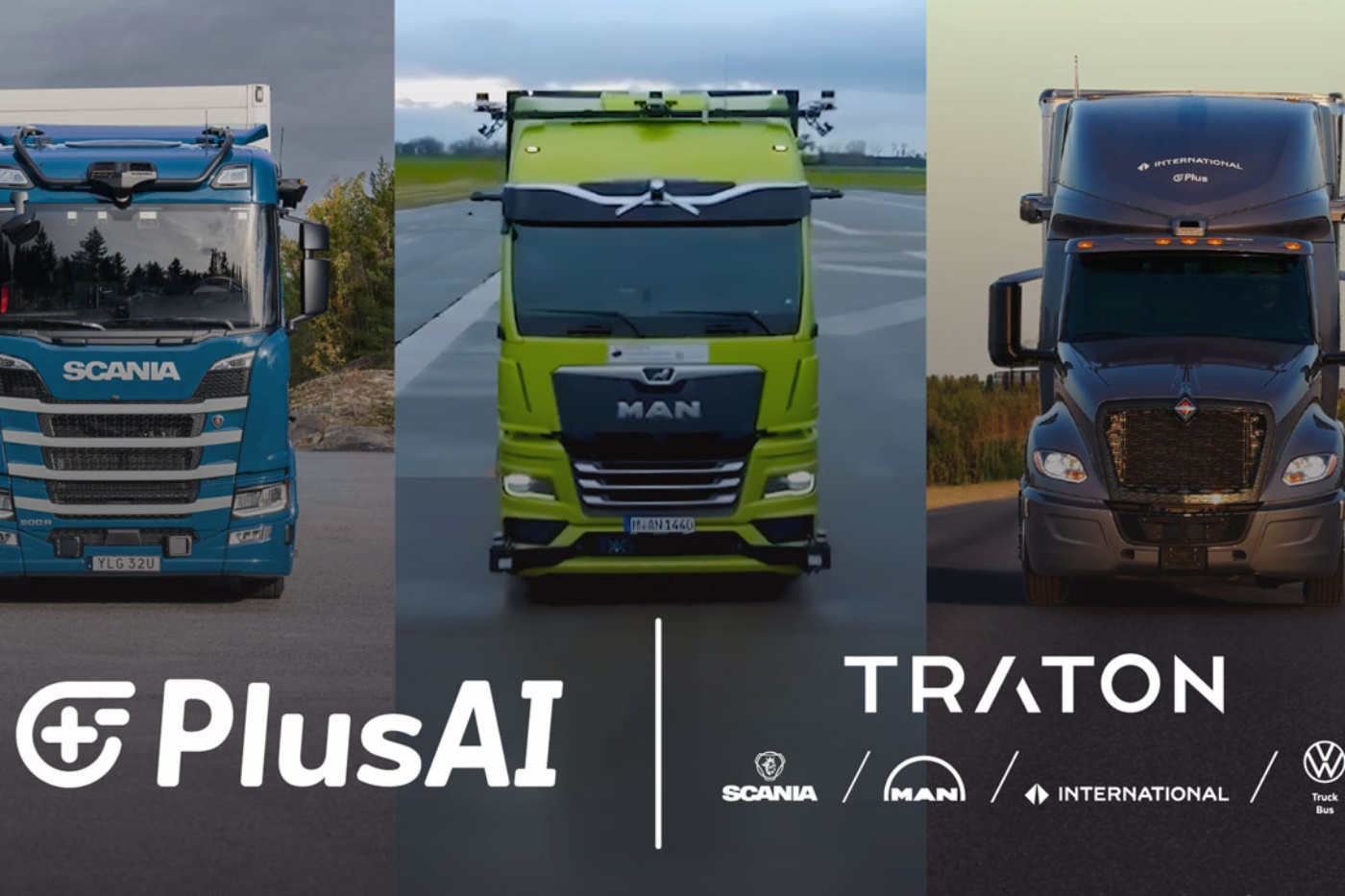
The TRATON GROUP is significantly expanding its strategic partnership with US-based autonomous driving startup PlusAI to accelerate the launch of series-produced autonomous long-haul trucks in the US and Europe. TRATON is committing up to $25 million in dedicated R&D funding for this purpose.
The investment supports the integration of the AI-based SuperDrive™ software into vehicle platforms for Scania, MAN, and International. Key focus areas include factory integration, validation, and industrial preparation for autonomous trucks.
Additionally, TRATON plans to take a seat on the PlusAI Board of Directors following its Nasdaq IPO to further align strategic goals ahead of the commercial rollout. This cooperation builds on the partnership launched in 2024, where SuperDrive was selected as the preferred on-highway platform. Current fleet tests in Texas and demonstrated Level 4 safety maneuvers underscore the progress made to date.
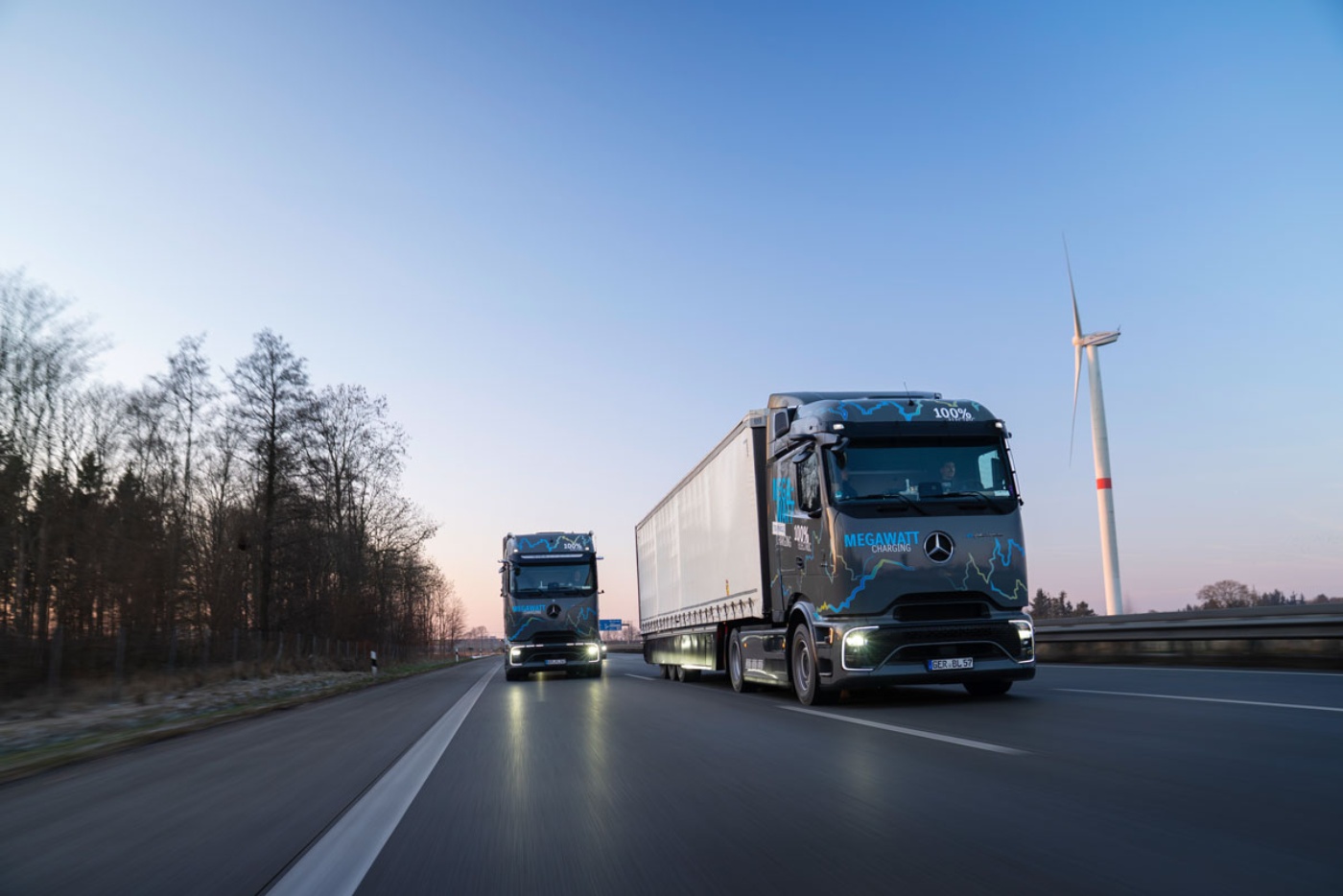
Mercedes-Benz Trucks is testing the Megawatt Charging System (MCS) in real-world long-haul operations for the first time: Two eActros 600 trucks completed a roughly 1,500-mile (2,400 km) test drive from Germany to Sweden. The objective is to validate ultra-fast charging at power levels of up to 1,000 kW under everyday conditions.
The route spanned from the Mercedes-Benz Wörth plant through the Netherlands, Belgium, and Denmark to Linköping, Sweden. Both public and private MCS charging stations were used to test compatibility, charging behavior, thermal management, and interoperability with various providers.
The focus remained on practical insights rather than lab conditions. Development engineers tracked charging performance, energy and thermal management, and infrastructure reliability over long distances. The results are expected to show how quickly and reliably megawatt charging can make battery-electric long-haul transport a viable reality.