
.svg)



Mercedes-Benz Trucks Tests Megawatt Charging for Long-Haul Transport: eActros 600 Embarks on 1,500-Mile Journey to Sweden
Image: (c) Daimler Truck
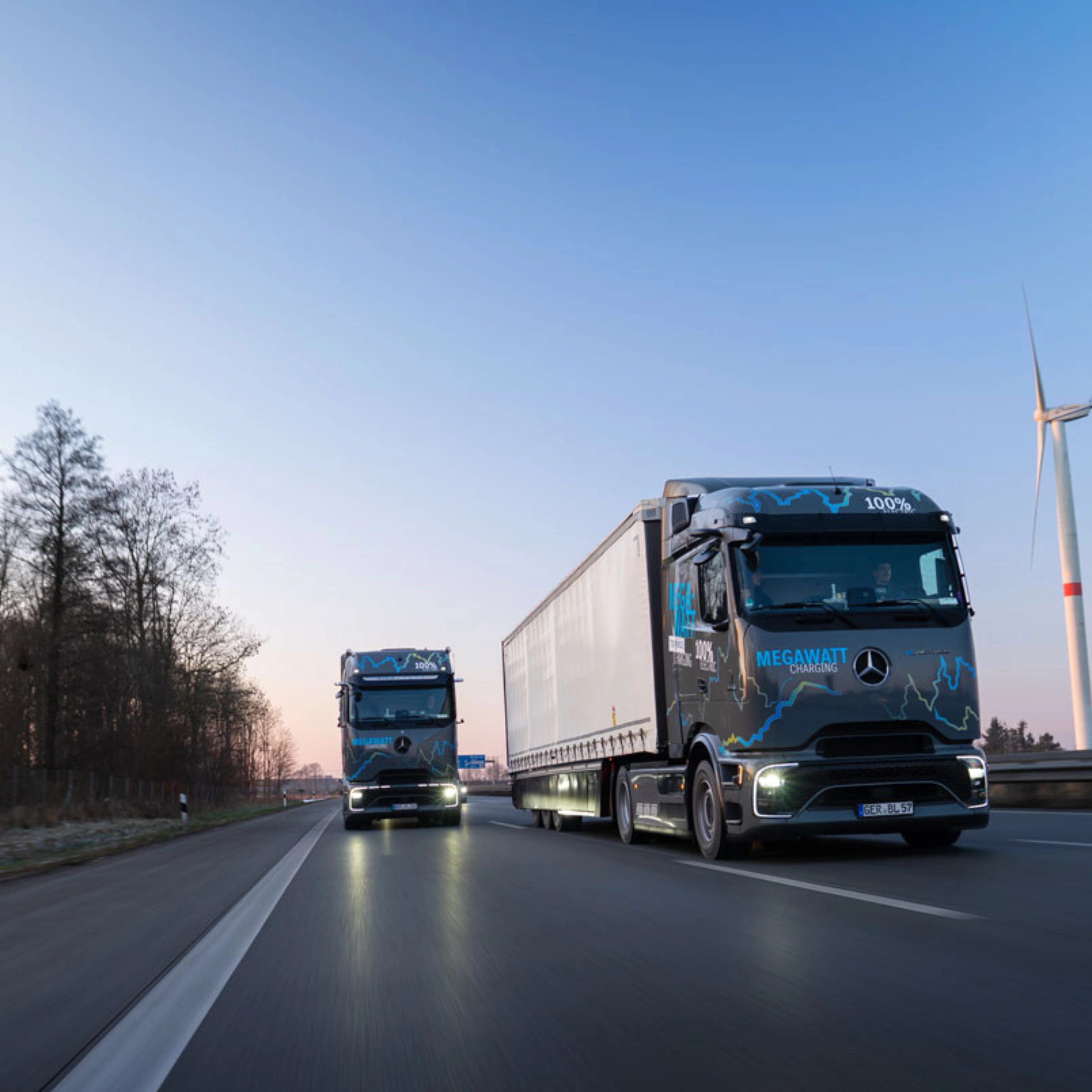
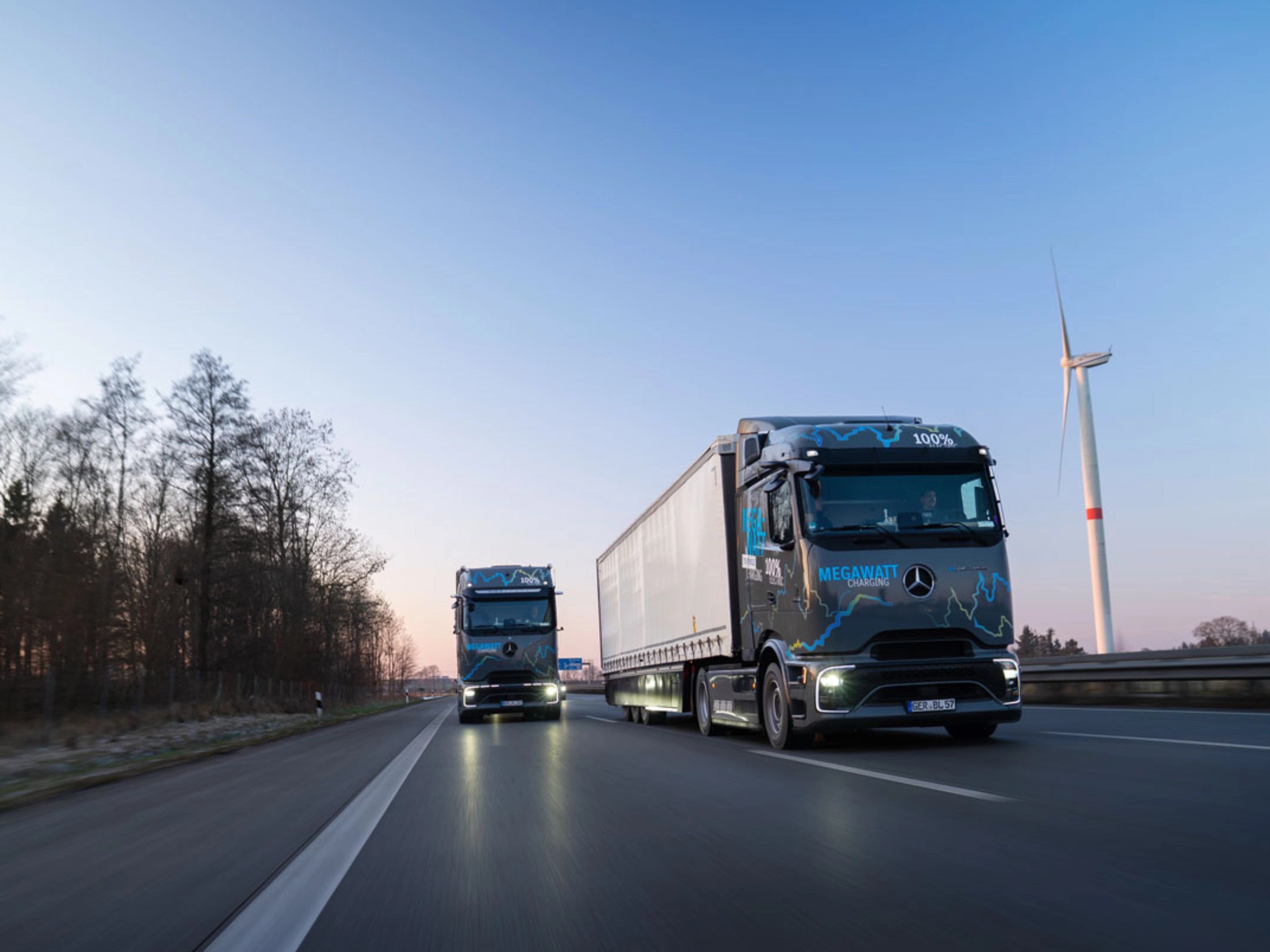
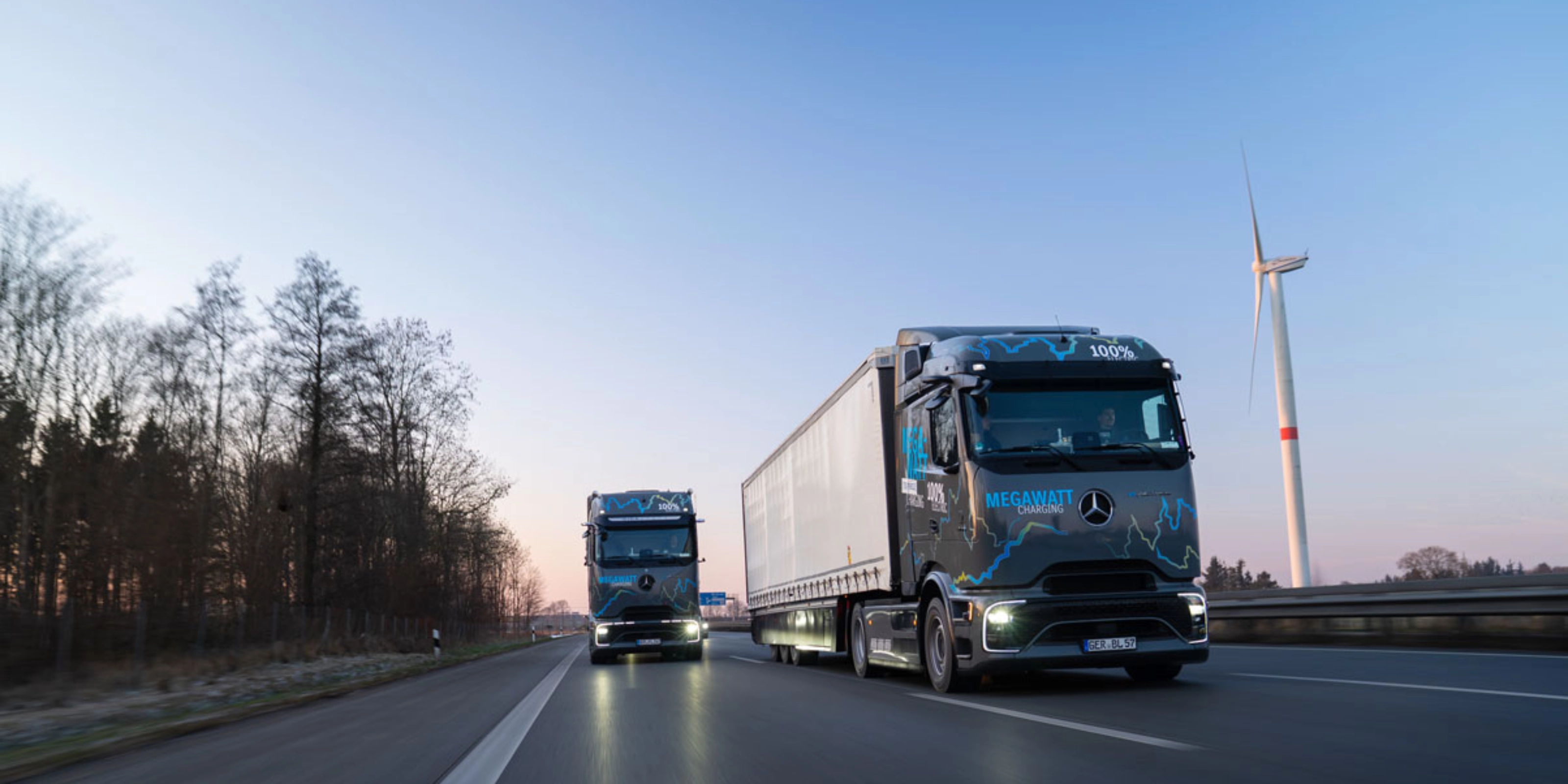
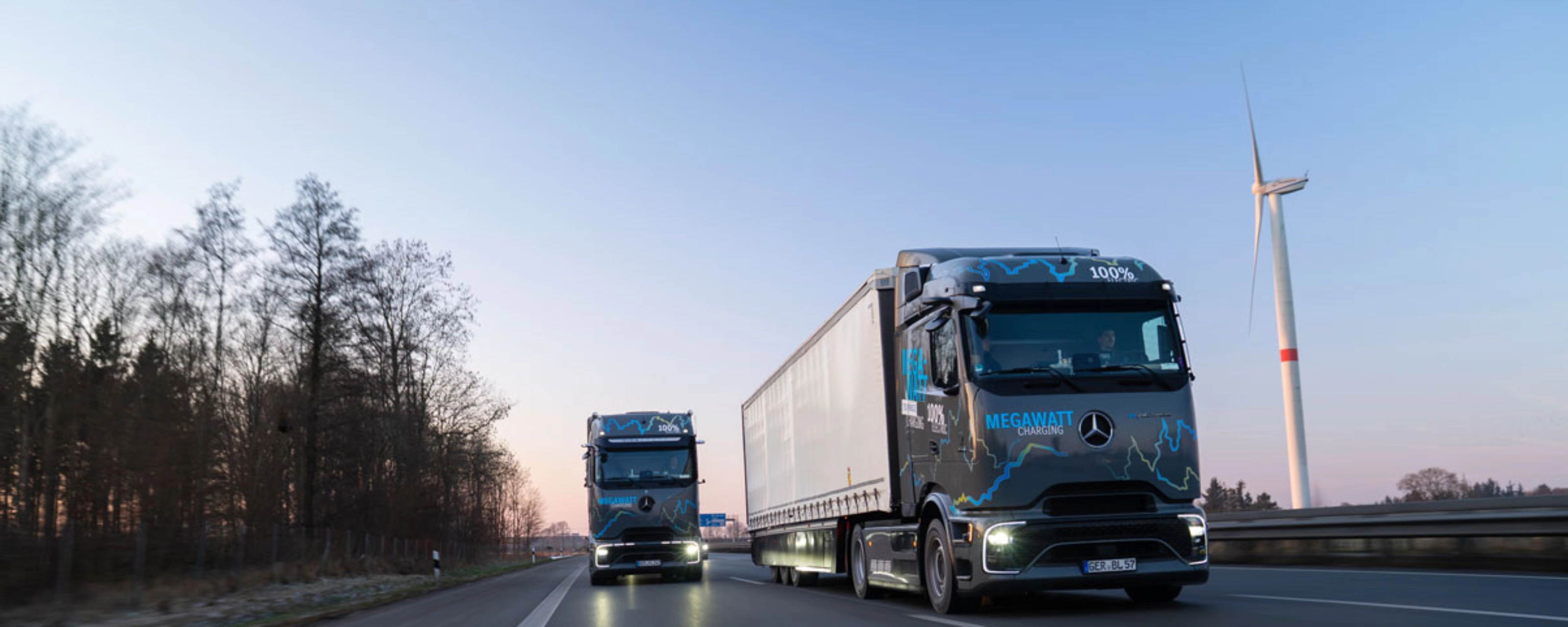
Mercedes-Benz Trucks has launched a new real-world trial for ultra-fast heavy-duty charging. Two eActros 600 electric trucks have set off on a roughly 2,400-kilometer (1,500-mile) test run from Germany to Sweden to put the Megawatt Charging System (MCS) to the test under authentic operating conditions.
Mercedes-Benz Trucks has launched a new real-world trial for ultra-fast heavy-duty charging. Two eActros 600 electric trucks have set off on a roughly 2,400-kilometer (1,500-mile) test run from Germany to Sweden to put the Megawatt Charging System (MCS) to the test under authentic operating conditions.
The Goal: Megawatt Charging for Long-Haul Logistics
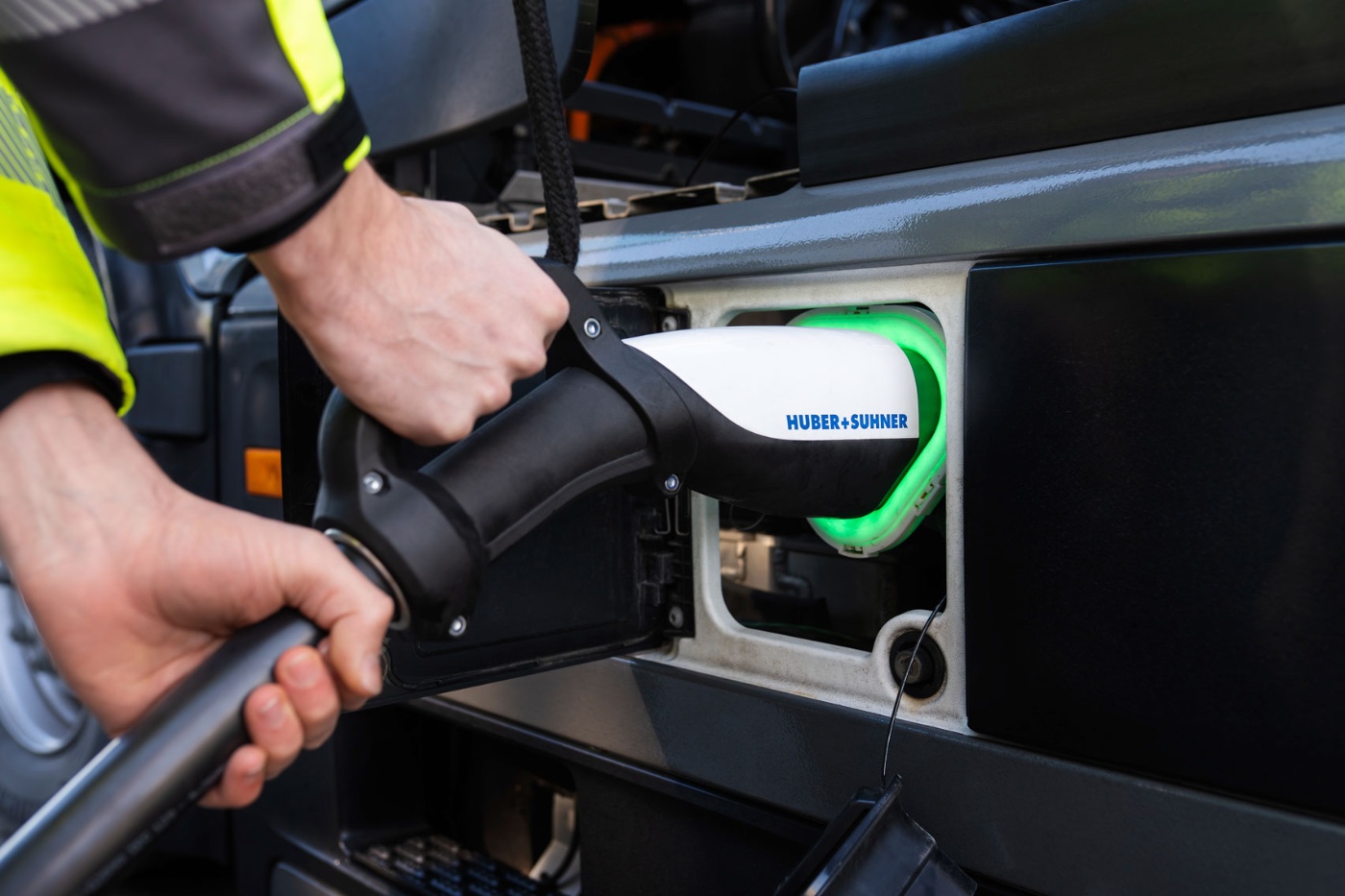
The focus of this trial is the performance of the MCS standard, which enables charging outputs of up to 1,000 kilowatts (kW) and was designed specifically for heavy-duty battery-electric trucks. Through this long-distance run, Mercedes-Benz Trucks aims to go beyond basic technical functionality, analyzing compatibility, thermal management, and charging behavior across various types of infrastructure.
The route stretches from the Mercedes plant in Wörth am Rhein through the Netherlands, Belgium, and Denmark, ending in Linköping, Sweden. The trucks will utilize both public and private MCS charging stations to evaluate how well the vehicles interact with different providers and how the system holds up in international operations.
Real-World Insights Over Lab Results
Instead of relying on simulated data, Mercedes-Benz Trucks is utilizing development engineers on the ground to collect data on charging cycles, average power output, and infrastructure performance. A critical priority is the thermal and energy management of the massive truck batteries; extremely high charging currents place significant stress on both hardware and cooling systems—challenges that must be mastered in the field, not just in a lab.