








IAA TRANSPORTATION Weekly | 43/2026
Citroën, Fryte Mobility, Shell, FAW Trucks
Citroën reimagines the classic 2CV van with an all-electric concept, Fryte Mobility integrates route planning and charging slot reservations into the dragonize electric truck charging network, and Shell and FAW Trucks test battery immersion cooling in a hybrid concept truck – these are our top news stories for week 43 of 2026.
Citroën reimagines the classic 2CV van with an all-electric concept, Fryte Mobility integrates route planning and charging slot reservations into the dragonize electric truck charging network, and Shell and FAW Trucks test battery immersion cooling in a hybrid concept truck – these are our top news stories for week 43 of 2026.
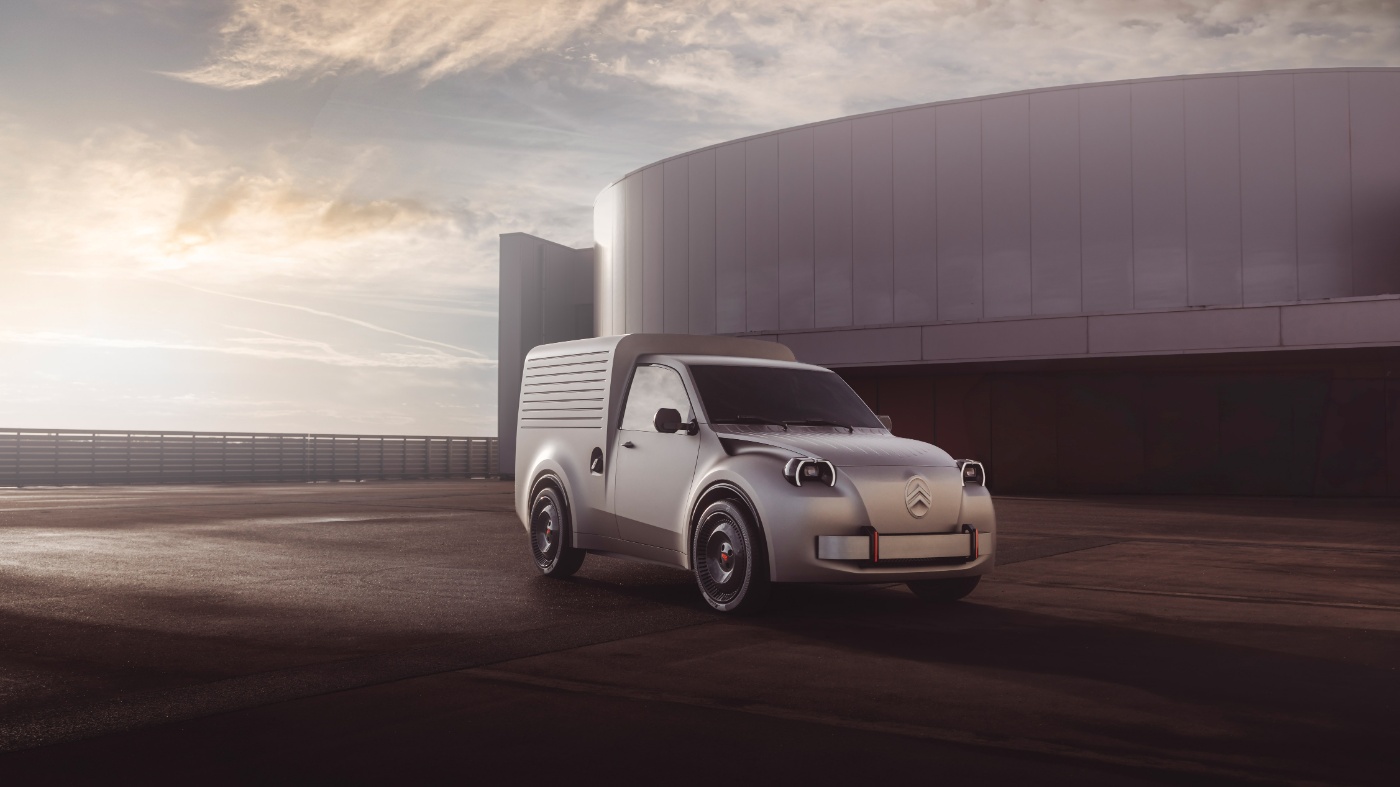
Citroën has unveiled the 2CV Fourgonnette Concept in Paris. The all-electric commercial vehicle concept reimagines the historic Citroën 2CV Fourgonnette, also known in Germany as the "Kastenente," to meet the needs of modern commercial customers. The concept focuses on a compact vehicle design, ease of use, and practical solutions for everyday business operations.
The concept vehicle draws inspiration from the distinctive boxy shape of its historic predecessor, bringing its functional approach to a small electric van. Rather than incorporating extensive technical features, Citroën emphasizes essential functions, user-friendliness, and straightforward operation. The combination of a compact vehicle architecture and distinctive design is intended to demonstrate what lightweight electric commercial vehicles could look like in the future.
The 2CV Fourgonnette Concept is based on the 2CV Concept, which was also unveiled in Paris. Potential applications include skilled trades, urban delivery services, and small businesses. With this concept, Citroën demonstrates how the original idea of a simple, versatile commercial vehicle can be adapted for electric mobility. The company has not yet released specific details regarding power output, battery capacity, range, or potential series production.
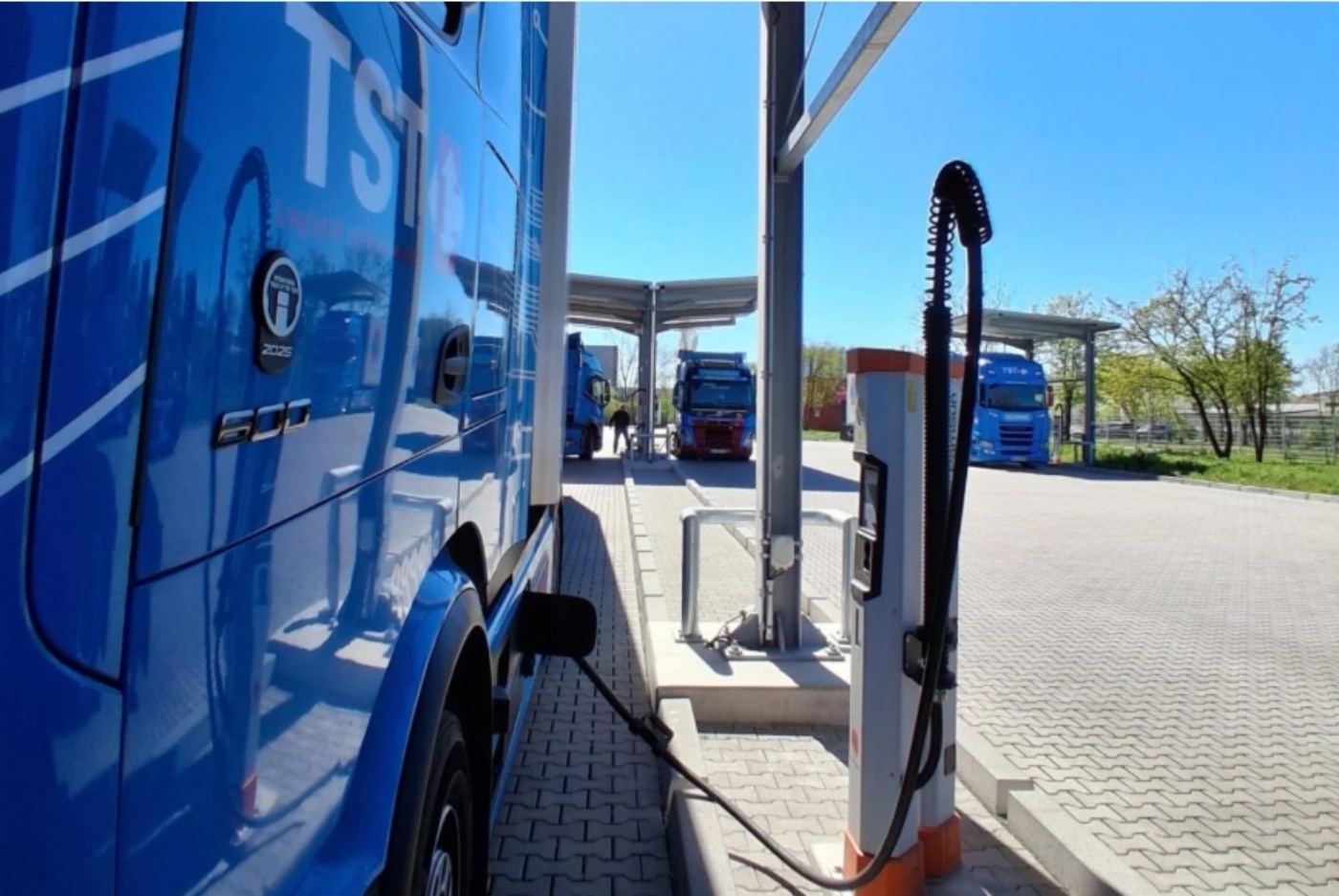
The dragonize collaborative electric truck charging network, established by German logistics provider TST Logistik, is expanding its services to include integrated route and charging planning. To achieve this, the network, which launched in April 2026, has partnered with software provider Fryte Mobility. The solution enables freight forwarders to coordinate transport orders, routes, and charging operations while reserving dedicated charging slots at depot charging stations. Following a trial phase, the system is now in regular operation.
Fryte's software is integrated directly into the existing dragonize DepotOS platform. This allows dispatchers to select suitable charging points during route planning and reserve them for the trucks' expected arrival times. The entire process, from route planning and charging point reservations to charger activation and billing, is handled digitally. According to the project partners, more than 30 electric trucks from the TST fleet, along with additional external logistics companies, are already using the platform. Coordinated charging schedules are intended to reduce waiting times and improve utilization of the existing charging infrastructure.
Founded by TST Group, the dragonize network is primarily aimed at small and medium-sized freight forwarding companies. Participating businesses can contribute their own depot charging points or use the charging infrastructure of other network members. Several partners are involved in the technical implementation: Chargecloud provides the backend for charging operations, Alpitronic supplies the charging hardware, and Fryte Mobility handles route and charging planning, including the reservation function. The modular offering ranges from individual services to complete solutions covering the planning, installation, operation, and billing of charging infrastructure.
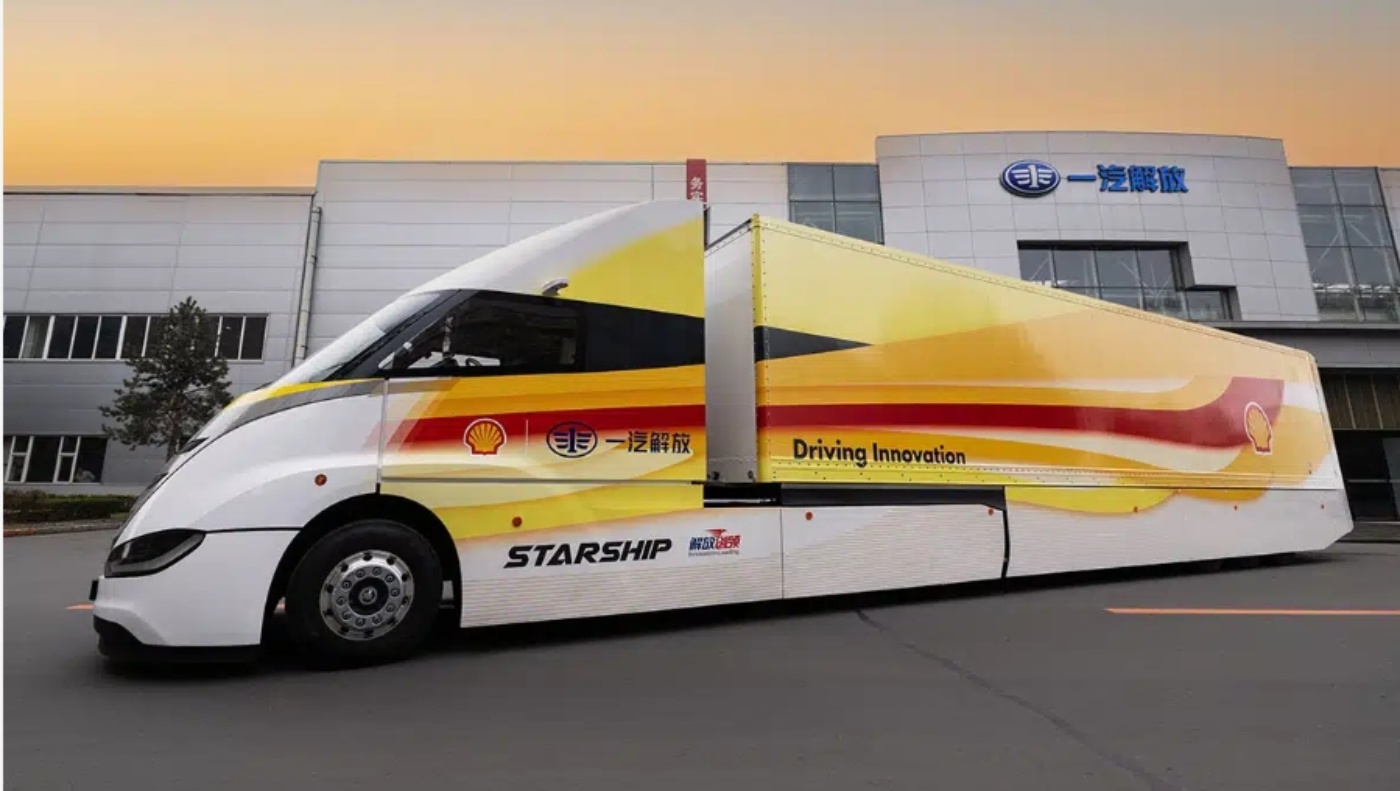
Shell Lubricants and Chinese commercial vehicle manufacturer FAW Trucks have jointly developed a battery pack featuring immersion cooling technology and tested it in the Shell Starship 3.0 Hybrid concept truck. The technology is designed to improve thermal management in commercial vehicle batteries, thereby increasing their performance, energy efficiency, and service life. According to the companies, initial test results indicate a potential increase in battery life of up to 32% and a 0.8% improvement in energy efficiency.
Unlike conventional cooling systems, immersion cooling surrounds the battery cells directly with an electrically insulating cooling fluid. This approach is intended to dissipate heat across a larger surface area and achieve a more uniform temperature distribution. The jointly developed battery system initially underwent industry-standard testing before being evaluated in the Shell Starship 3.0 Hybrid under demanding operating conditions. According to the project partners, the results to date also indicate an increase of up to 98% in the vehicle's maximum gradeability.
First introduced in 2025, the battery pack has since undergone further development and serves as a technology platform for testing new solutions for heavy-duty commercial vehicles in the Shell Starship 3.0 Hybrid. The results obtained so far remain preliminary, with final performance data expected to be published once validation is complete. FAW Trucks is currently evaluating the potential use of immersion cooling in future hybrid commercial vehicles, while Shell plans to expand the development of suitable cooling fluids to additional applications in the commercial vehicle sector.