.svg)







IAA TRANSPORTATION Weekly | 42/2026
Michelin, BELLE, Winduction
Michelin is expanding its portfolio of solutions for electric vehicle fleets with the new MICHELIN EV Charge service, the BELLE research project identifies depot charging as a key factor in electrifying heavy-duty trucks, and ETH Zurich spin-off Winduction aims to charge electric buses through their tires – these are our top news stories for week 42 of 2026.
Michelin is expanding its portfolio of solutions for electric vehicle fleets with the new MICHELIN EV Charge service, the BELLE research project identifies depot charging as a key factor in electrifying heavy-duty trucks, and ETH Zurich spin-off Winduction aims to charge electric buses through their tires – these are our top news stories for week 42 of 2026.
- 1. Michelin EV Charge: New Charging Solution Provides Access to More Than 1.2 Million Charging Points Across Europe
- 2. BELLE Research Project: Depot Charging as the Key to Electrifying Heavy-Duty Trucks
- 3. ETH Zurich Spin-Off Winduction Develops Wireless Charging System for Electric Buses Through Their Tires
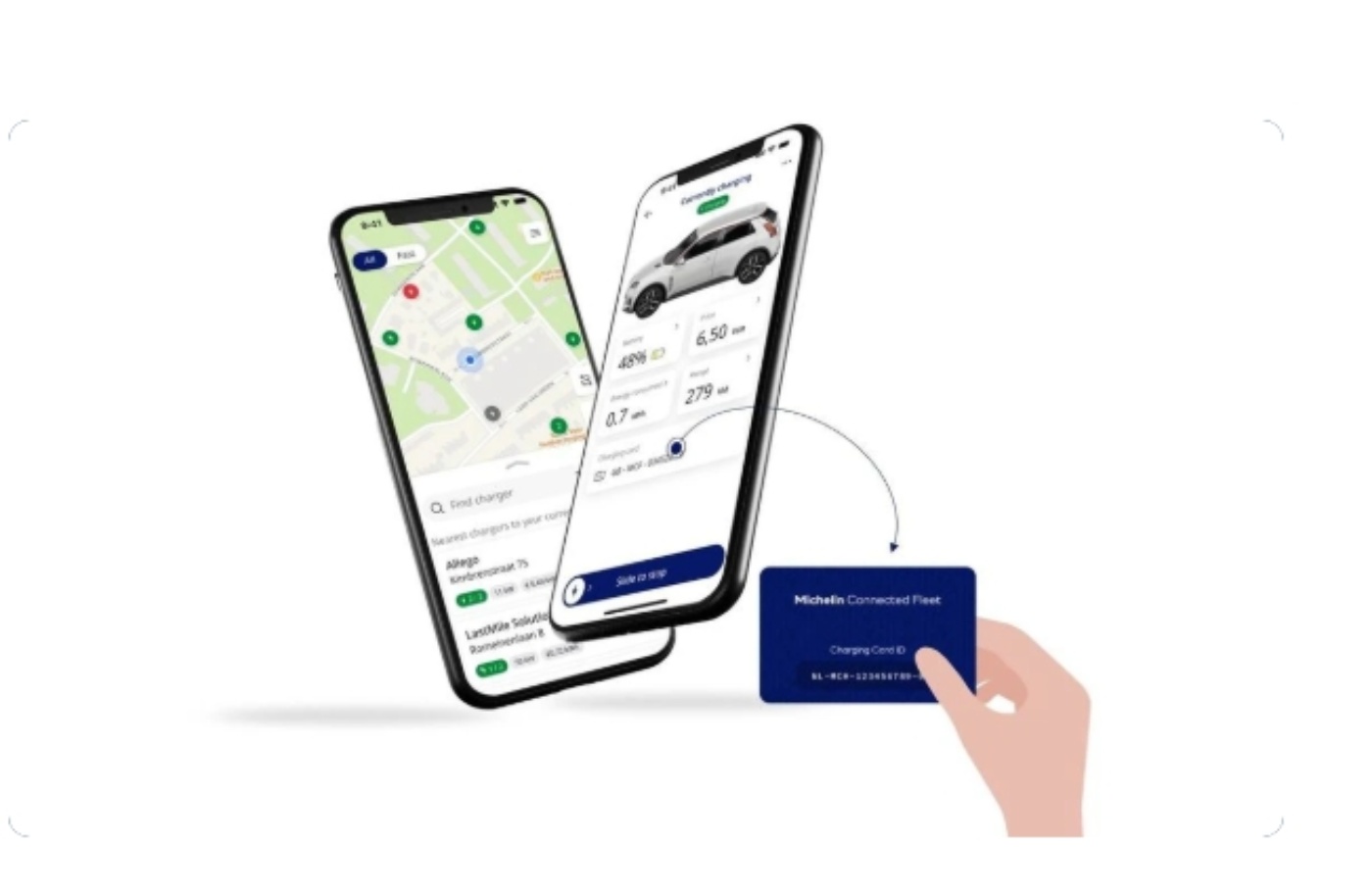
Michelin is expanding its portfolio of solutions for electric vehicle fleets with the introduction of MICHELIN EV Charge. The service gives businesses access to more than 1.2 million charging points across Europe through a single charging card and mobile app. Integration with the MyConnectedFleet fleet management platform is designed to combine charging and vehicle data to help optimize operating costs of electric fleets.
Drivers can use the app to search for charging stations, identify available charging points, and plan trips. A single charging card provides access to different charging networks. For fleet managers, MICHELIN EV Charge offers a centralized overview of charging costs. Michelin promises transparent pricing without additional network fees, as well as individually negotiated charging rates in some cases.
Through integration with MICHELIN Connected Fleet, charging data can be combined with vehicle telematics information. This gives fleet operators insights into energy consumption, battery charge levels, distances traveled, and charging patterns. The data is intended to help identify expensive charging sessions, optimize charging processes, and reduce ongoing operating costs.
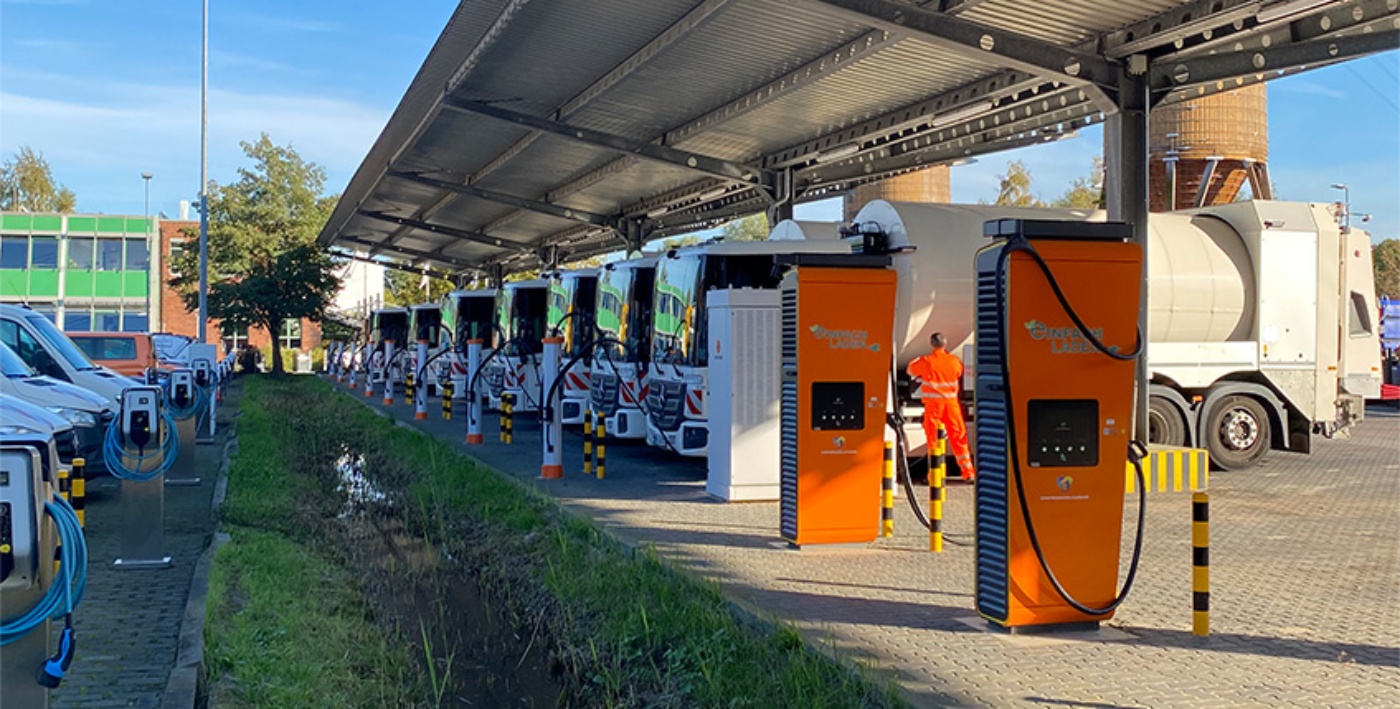
The BELLE research project (Betriebshofelektrifizierung – Ladeinfrastruktur und Lastmanagement in der praktischen Erprobung), which focuses on depot electrification, charging infrastructure, and load management in real-world operations, has been completed after several years of research and demonstration activities. The project focused on the technical and economic aspects of depot electrification, charging infrastructure design, and the integration of battery-electric trucks into existing operations.
One of the key findings is that depot charging is a critical prerequisite for the widespread adoption of electric commercial vehicles in many applications. In addition to high-capacity grid connections and charging infrastructure, intelligent load and charging management plays a particularly important role. The project findings are intended to help businesses and public-sector stakeholders plan and implement electrified depots.
The research team also sees economic potential: Battery-electric commercial vehicles can already be operated cost-effectively in numerous applications. Additional revenue opportunities include monetizing greenhouse gas (GHG) emission reduction credits and making charging infrastructure available to third parties. In the longer term, providing flexibility services to the power grid could further improve the economic viability of electrified depots.
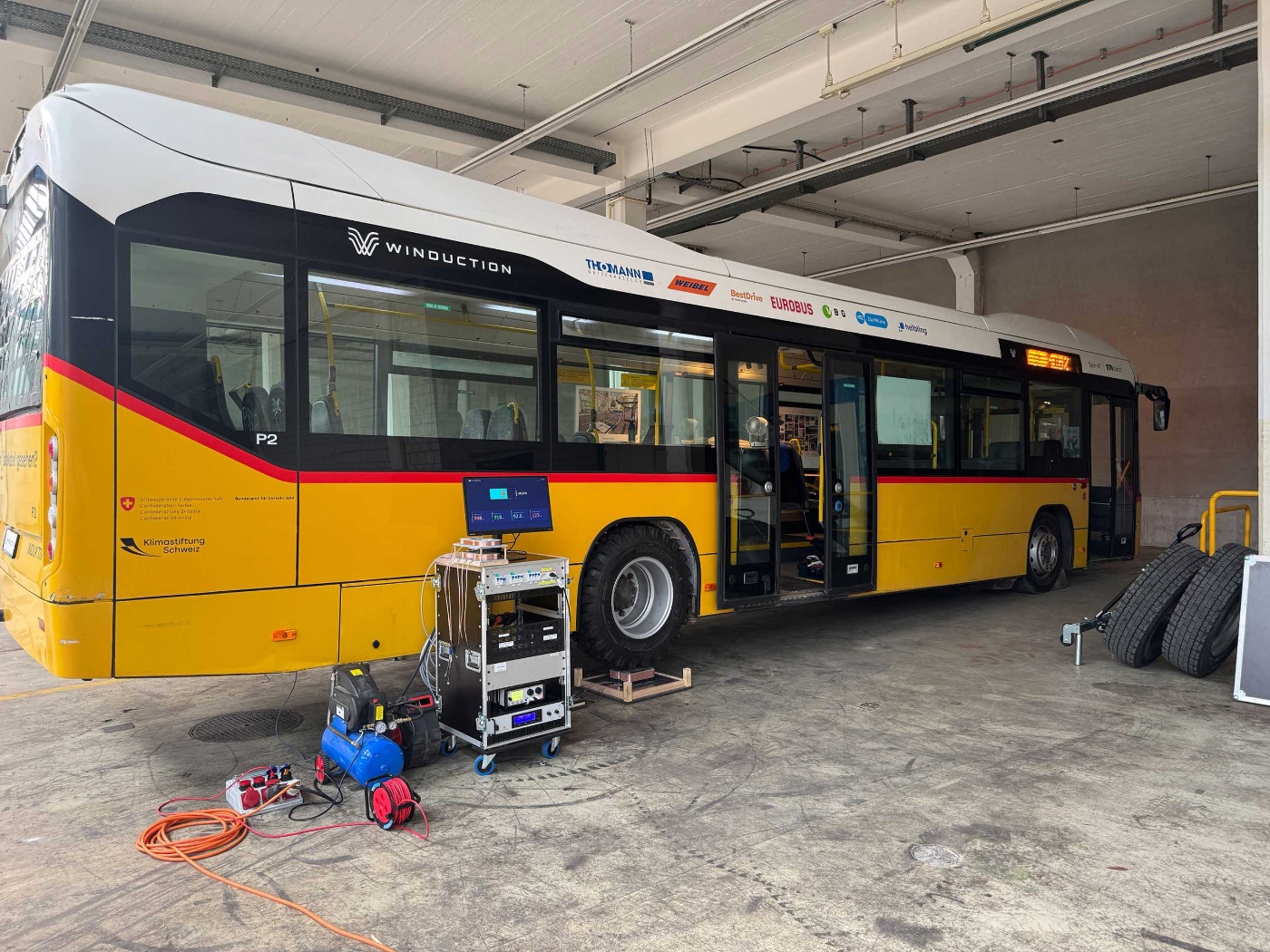
Swiss ETH Zurich spin-off Winduction has developed an inductive charging system designed to charge electric buses wirelessly during regular stops. Unlike conventional systems, energy is transferred through specially developed tires and charging plates embedded in the road surface. According to the company, the short distance between the integrated induction coils is supposed to enable the system to achieve an efficiency of more than 90%.
Winduction is working with partners to develop steel-free tires which enable magnetic energy transfer. By repeatedly recharging at bus stops, electric buses could eventually operate with smaller, lighter batteries. According to the company's calculations, just two charging stops could be sufficient along a bus route between Zurich Airport and Zurich Oerlikon that has a total of 24 stops. This would allow approximately three hours of charging time over a 16-hour operating day.
Following initial tests with an electric bus prototype, Winduction is currently building a testing facility in Winterthur, Switzerland, including a laboratory and a dedicated bus stop. The first pilot operation under real-world conditions, including passenger service, is planned for 2028. Energy transfer is designed to take place fully automatically, without requiring any additional action from bus drivers.