
.svg)







IAA TRANSPORTATION Weekly | 30/2026
MAN, Izuzu, Clean Motion, Milence
MAN showcases its van and truck portfolio from 3.5 to 250 tons at IAA TRANSPORTATION, Isuzu launches a pilot project for battery swapping in electric refuse trucks, Clean Motion starts a field test for battery swapping on the EVIG solar-electric vehicle, and Milence opens a charging hub built with zero-emission construction methods—these are our top news stories for Week 30 of 2026.
MAN showcases its van and truck portfolio from 3.5 to 250 tons at IAA TRANSPORTATION, Isuzu launches a pilot project for battery swapping in electric refuse trucks, Clean Motion starts a field test for battery swapping on the EVIG solar-electric vehicle, and Milence opens a charging hub built with zero-emission construction methods—these are our top news stories for Week 30 of 2026.
- 1. MAN showcases van and truck portfolio from 3.5 to 250 tons at IAA TRANSPORTATION
- 2. Isuzu launches pilot project for battery swapping in electric refuse trucks
- 3. Clean Motion starts field test for battery swapping on the EVIG solar-electric vehicle
- 4. Milence opens charging hub built with zero-emission construction methods
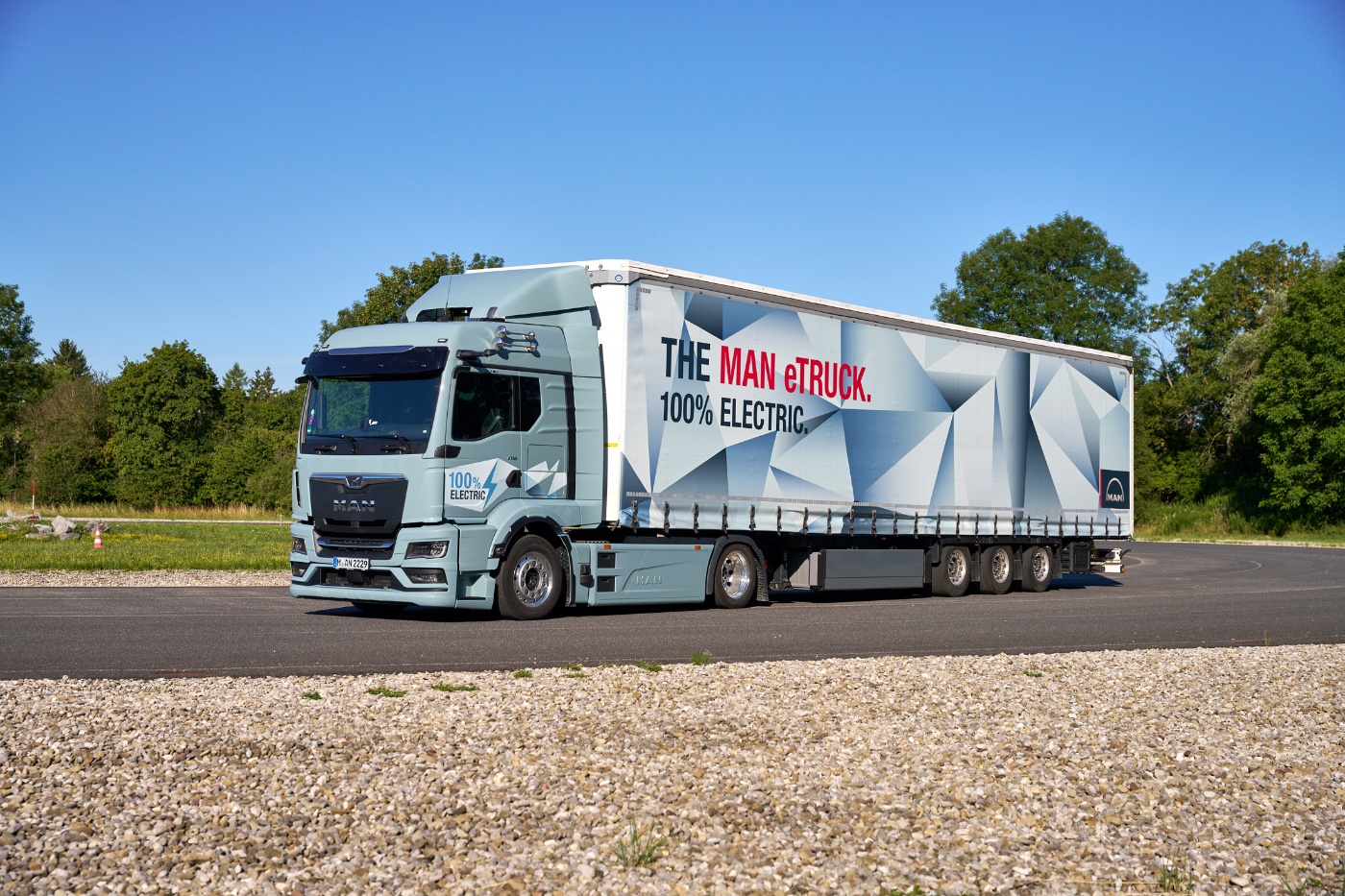
Under the motto “Driving. People. Partner.”, MAN is presenting its commercial vehicle portfolio from 3.5 to 250 tons with electric and conventional drivetrains at IAA TRANSPORTATION 2026. The showcase centers around its complete electric truck lineup featured in its entirety for the first time—including the eTGL, eTGM, eTGS, and eTGX—along with new driver assistance systems and digital services designed to boost efficiency and vehicle uptime.
Key developments include the further enhancement of the GPS-assisted MAN EfficientCruise system with PredictiveDrive, which can deliver energy and fuel savings of up to 5.5 percent depending on the route profile, and up to 9 percent in challenging topography. The lineup is rounded out by new safety features such as Emergency Brake Assist (EBA Advanced), a Driver Monitoring System, expanded side-scan monitoring solutions, and the MAN OptiView digital mirror replacement system.
In addition, MAN is presenting its e-mobility ecosystem for charging infrastructure, smart charging, and energy management through MAN Transport Solutions, alongside an outlook on bidirectional charging and the Smart Charging Cube. For the MAN TGE, the focus centers on new customization options, Lifetime Connectivity, and the MAN TGE Connect app for connected, more efficient vehicle use.
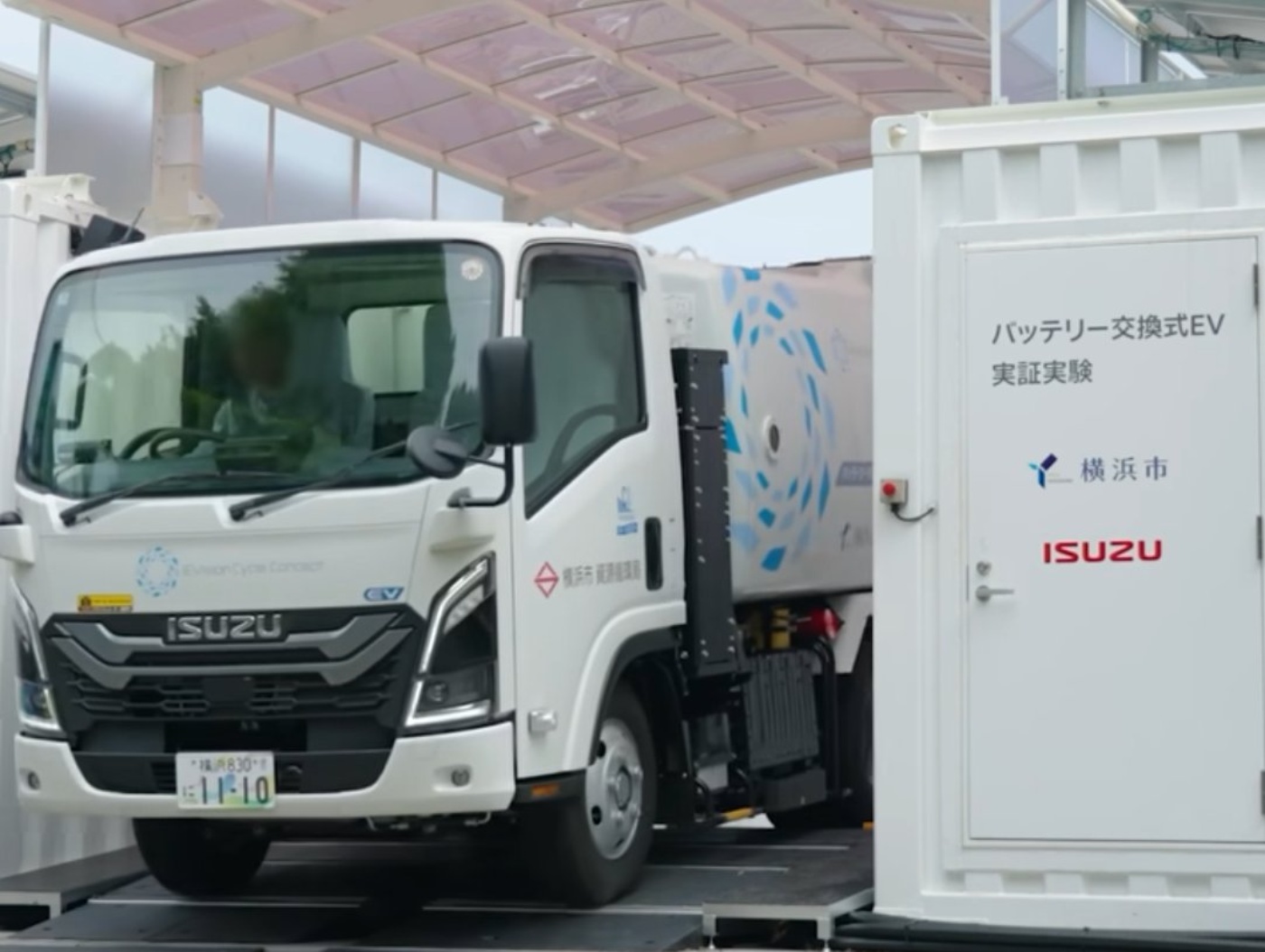
In partnership with the City of Yokohama, Isuzu Motors is testing a battery swapping system for battery-electric refuse collection vehicles through March 2028. The goal of the pilot project is to increase the operational readiness of municipal electric vehicles through automated traction battery replacement.
At specialized swapping stations, depleted batteries are replaced with fully charged units in about three minutes. This avoids long charging downtime and improves vehicle availability in daily operations—especially for garbage trucks, whose compaction systems require significant extra energy.
The project is part of Isuzu's electrification strategy and aims to demonstrate how battery swapping systems can support the cost-effective deployment of battery-electric commercial vehicles in municipal operations.
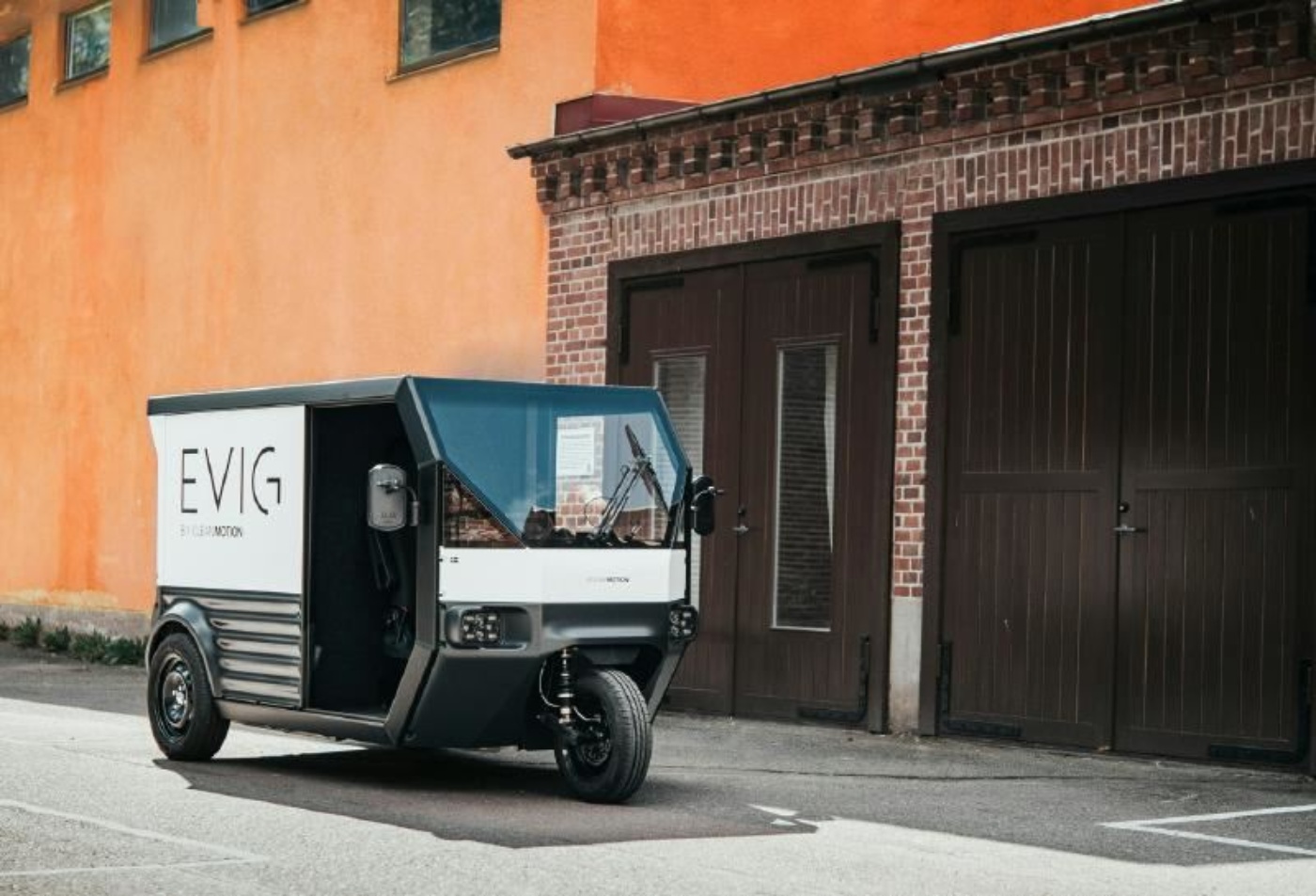
Swedish vehicle manufacturer Clean Motion has completed development of a battery swapping system for its EVIG solar-electric vehicle and is launching a field test in urban traffic in Stockholm in partnership with delivery service Foodora. The project aims to test a shared battery swapping infrastructure for various types of electric vehicles.
To achieve this, the EVIG was adapted to GoCimo’s existing battery swapping infrastructure and integrated into regular delivery operations. The project evaluates how a shared swapping platform can be used across vehicles ranging from e-mopeds to light commercial vehicles, as well as the benefits it offers for urban commercial transport.
Depending on the configuration, the solar-electric EVIG achieves a range of 100 to 150 kilometers (62 to 93 miles), which can be extended by 40 to 50 kilometers (25 to 31 miles) on sunny days thanks to its integrated solar module. The results of the pilot project will serve as a foundation for further expanding battery swapping infrastructure.
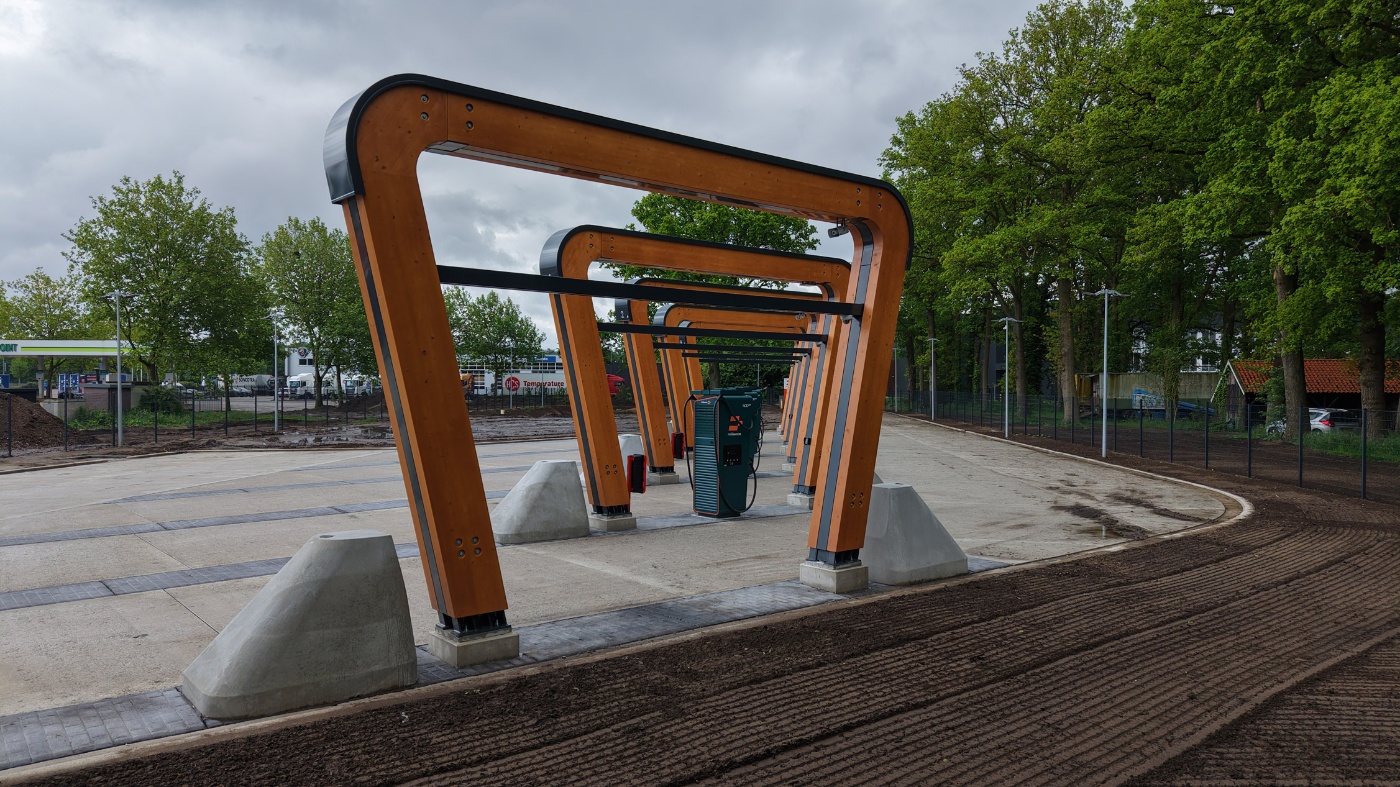
Milence has opened its first charging hub built entirely using electric construction equipment in Deurningen-Hengelo, Netherlands. Located along the A1 highway, the site is the company's fourth charging location in the Netherlands, bolstering the North Sea–Baltic corridor and cross-border charging infrastructure for battery-electric heavy trucks.
As part of the pilot project, Milence gained practical experience with zero-emission infrastructure construction and, alongside electric construction machinery, utilized sustainable materials such as PEFC-certified wood and fiber-reinforced concrete to reduce its carbon footprint.
The charging hub features five 400-kW CCS fast-charging points for heavy-duty transport and is designed for future expansion. Existing amenities such as a restaurant, restroom facilities, and secured parking are designed to seamlessly combine charging stops with mandatory driver rest periods.