
.svg)







IAA TRANSPORTATION Weekly | 04/2026
MAN, eHaul, RWTH Aachen, ecoro and DAF
MAN Truck & Bus is investing nearly one billion euros in its German facilities; the eHaul research project has successfully completed a two-year pilot of Europe's first fully automated battery-swapping station for heavy-duty electric trucks; TH Köln, RWTH Aachen, and automation specialist Ecoro are developing virtual logistics lanes; and DAF is expanding its EV lineup with the XG and XG⁺ Electric for long-haul transport. These are our top stories for Week 4, 2026.
MAN Truck & Bus is investing nearly one billion euros in its German facilities; the eHaul research project has successfully completed a two-year pilot of Europe's first fully automated battery-swapping station for heavy-duty electric trucks; TH Köln, RWTH Aachen, and automation specialist Ecoro are developing virtual logistics lanes; and DAF is expanding its EV lineup with the XG and XG⁺ Electric for long-haul transport. These are our top stories for Week 4, 2026.

As part of its "MAN2030+" future-proofing program, MAN Truck & Bus will invest nearly one billion euros in its German locations by the end of 2030. The goal is to ensure the long-term competitiveness of its plants through electrification, digitalization, and automation.
A key framework agreement guarantees the preservation of all German sites and provides job security until at least 2035, with an option to extend to 2040. Simultaneously, MAN is planning a comprehensive efficiency program aiming to save approximately 900 million euros by 2028, primarily by reducing material, non-personnel, and overhead costs.
Future vehicle generations based on the TRATON Modular System will be partially developed and produced in Eastern Europe. With this move, MAN is combining a clear commitment to its German roots with an international focus for its next generation of technologies and platforms.
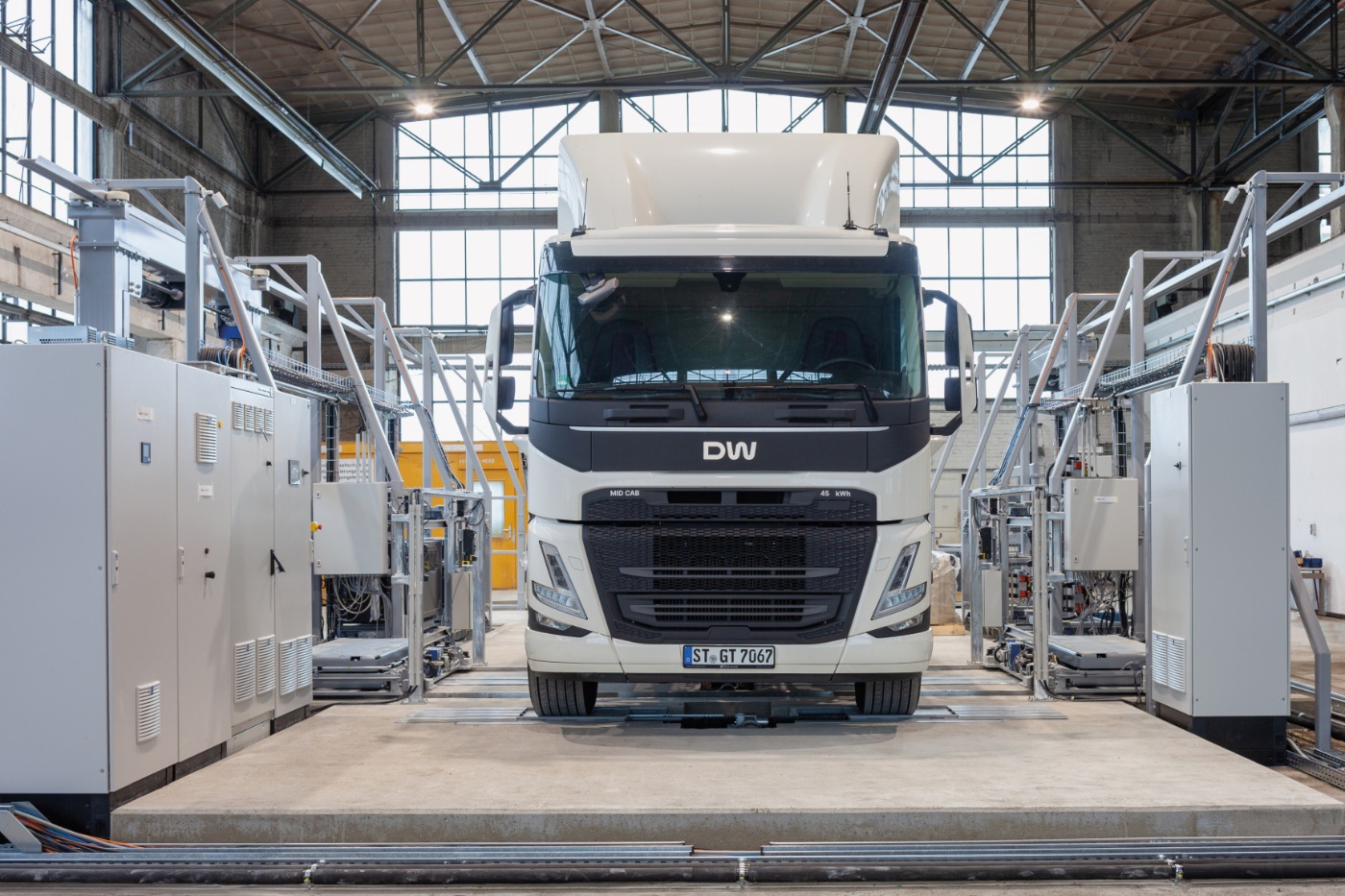
The Berlin-based research project eHaul has successfully concluded a two-year trial of Europe's first fully automated battery-swapping station for heavy-duty electric trucks. Since late 2023, the facility in Lübbenau (Brandenburg) has been operating two 40-ton trucks in real-world logistics environments. Results show that the fully automated swap takes only a few minutes—significantly faster than fast-charging, which requires long downtimes and extremely high-capacity grid connections for heavy trucks.
A core advantage of the concept is its reduced dependence on high-power grid infrastructure, which is still lacking in many areas. Due to the positive results, the original one-year pilot was voluntarily extended by another year. The findings are now being integrated into the follow-up project UniSwapHD, which is working with European manufacturers on standardized swappable batteries and has developed the DIN SPEC 91533 standard for this purpose.
The goal for the next stage of development is a battery swap in under five minutes—faster than many diesel fuel stops. Future swaps will occur from underneath rather than from the side to further improve speed, reliability, and compatibility. The initiative will be spearheaded by the spin-off E▪HAUL GmbH.
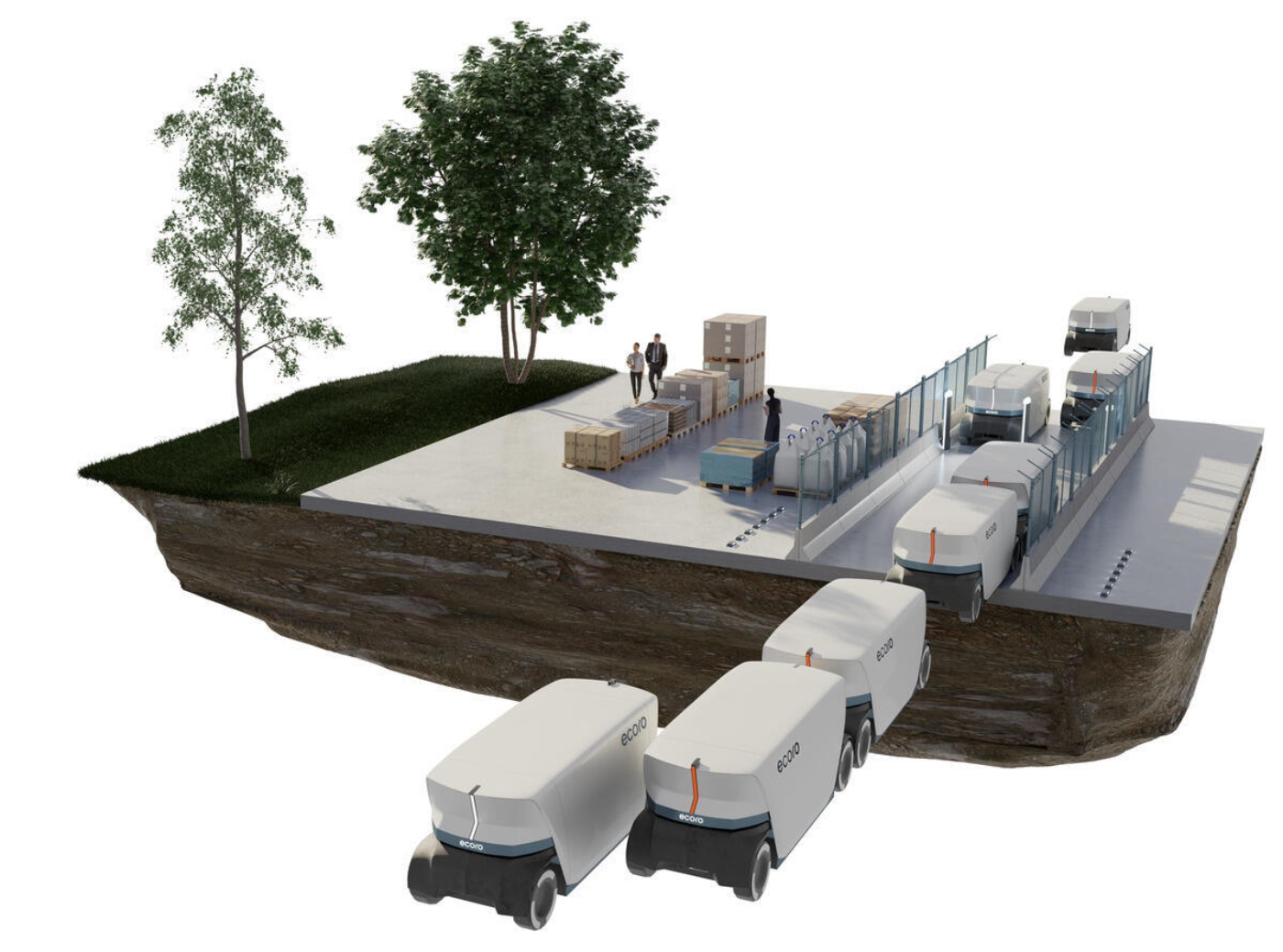
Under the project name "ViDeLL" (Virtual Dedicated Logistics Lanes), TH Köln, RWTH Aachen, and automation specialist Ecoro are researching virtual logistics lanes for automated delivery vehicles. Instead of physically separated lanes, specific road sections will be digitally reserved for autonomous logistics vehicles at certain times—managed via networked systems, smart markings, and sensors. This allows road space to be flexibly adapted to changing demands without expensive construction.
Algorithms will use real-time data to decide when and where virtual lanes are activated, while sensors manage the interaction between autonomous delivery vehicles and standard traffic. The concept targets urban "last mile" and retail logistics as well as freight transport between city-based production sites. In parallel, the partners are evaluating legal and safety requirements for future implementation.
The consortium includes the startup Ecoro, whose autonomous electric shuttles could one day operate on these virtual lanes. Additionally, the consortium cited previous successes like the "BEV Goes eHighway – BEE" project, where battery-electric trucks equipped with pantographs were tested over 6,000 miles in public traffic to reduce battery sizes and maximize charging infrastructure efficiency.
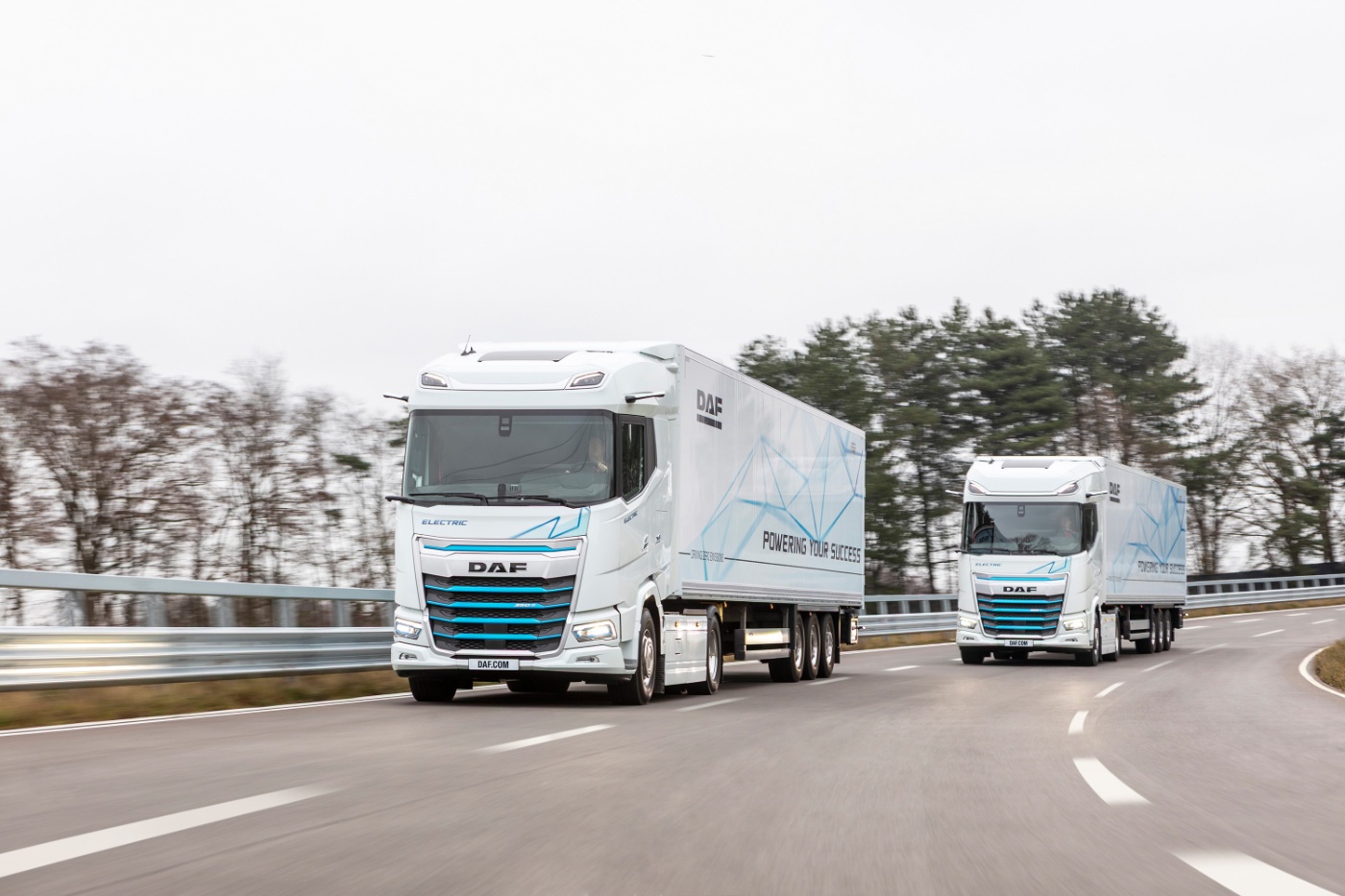
DAF Trucks is expanding its electric portfolio with the XG Electric and XG⁺ Electric long-haul models. The Dutch manufacturer aims to provide battery-electric solutions not only for urban and regional transport but for national and international long-haul routes as well.
The new models utilize the same platform as the XF Electric, which, alongside the XD Electric, was named "International Truck of the Year 2026." They are powered by the PACCAR EX-D2 motor, delivering 270 to 350 kW and up to 2,400 Nm of torque, paired with an integrated 3-speed transmission.
Depending on the configuration, ranges of over 310 miles (500 km) are possible. Modular battery systems with three to five packs allow for flexible customization based on the application. According to DAF, daily distances of over 620 miles (1,000 km) are achievable with proper charging and route planning.
The XG and XG⁺ Electric are available as 4×2 tractors and 6×2 versions with steered trailing axles. They utilize cobalt- and nickel-free LFP batteries, which offer thermal stability and support daily charging. A version with three battery packs can charge from 10% to 80% in approximately 45 minutes. While series production is planned, DAF has not yet announced specific market launch dates.