
.svg)
AutoFlight Unveils Large-Scale Air Taxi for Cargo and Up to Ten Passengers
Image: (c) Autoflight
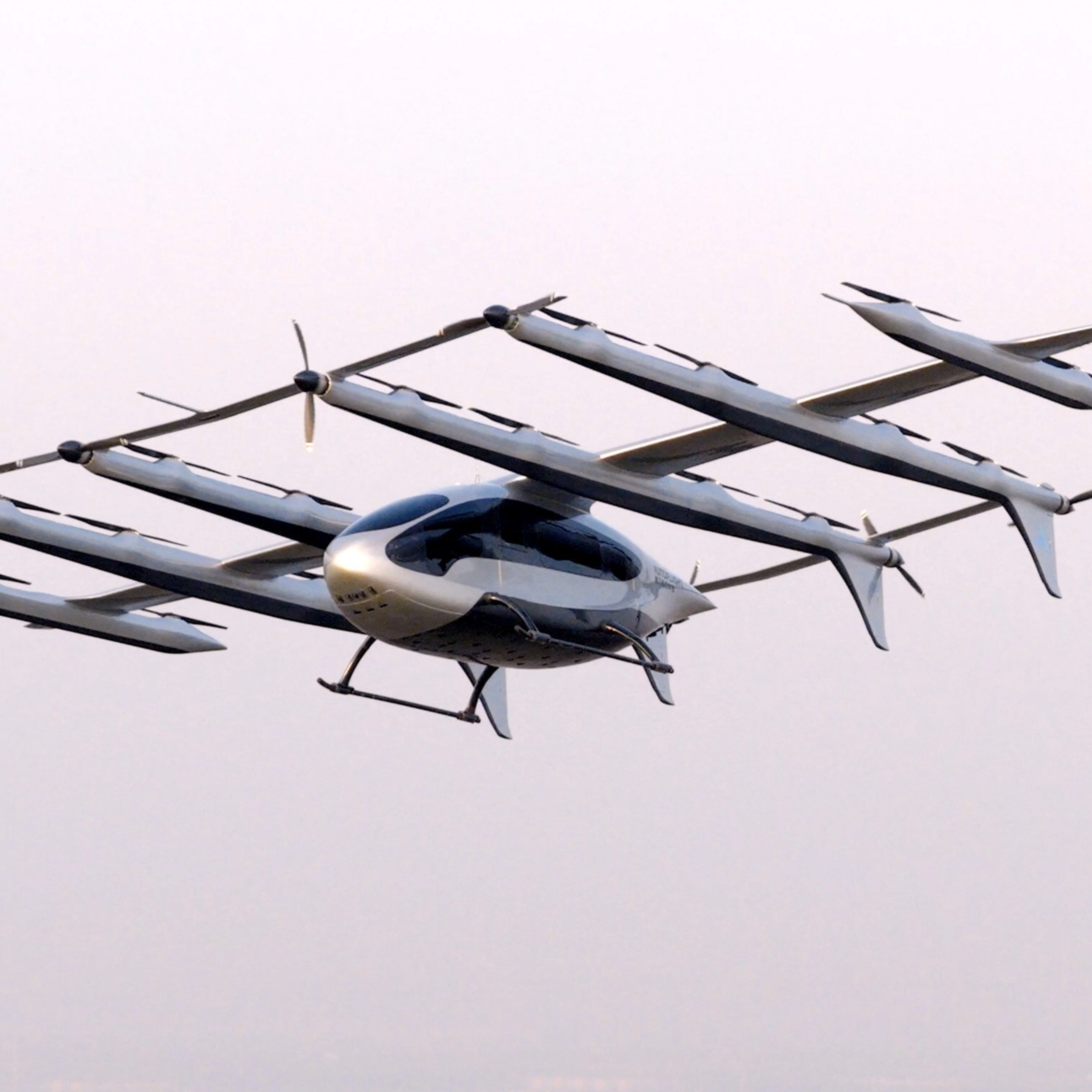
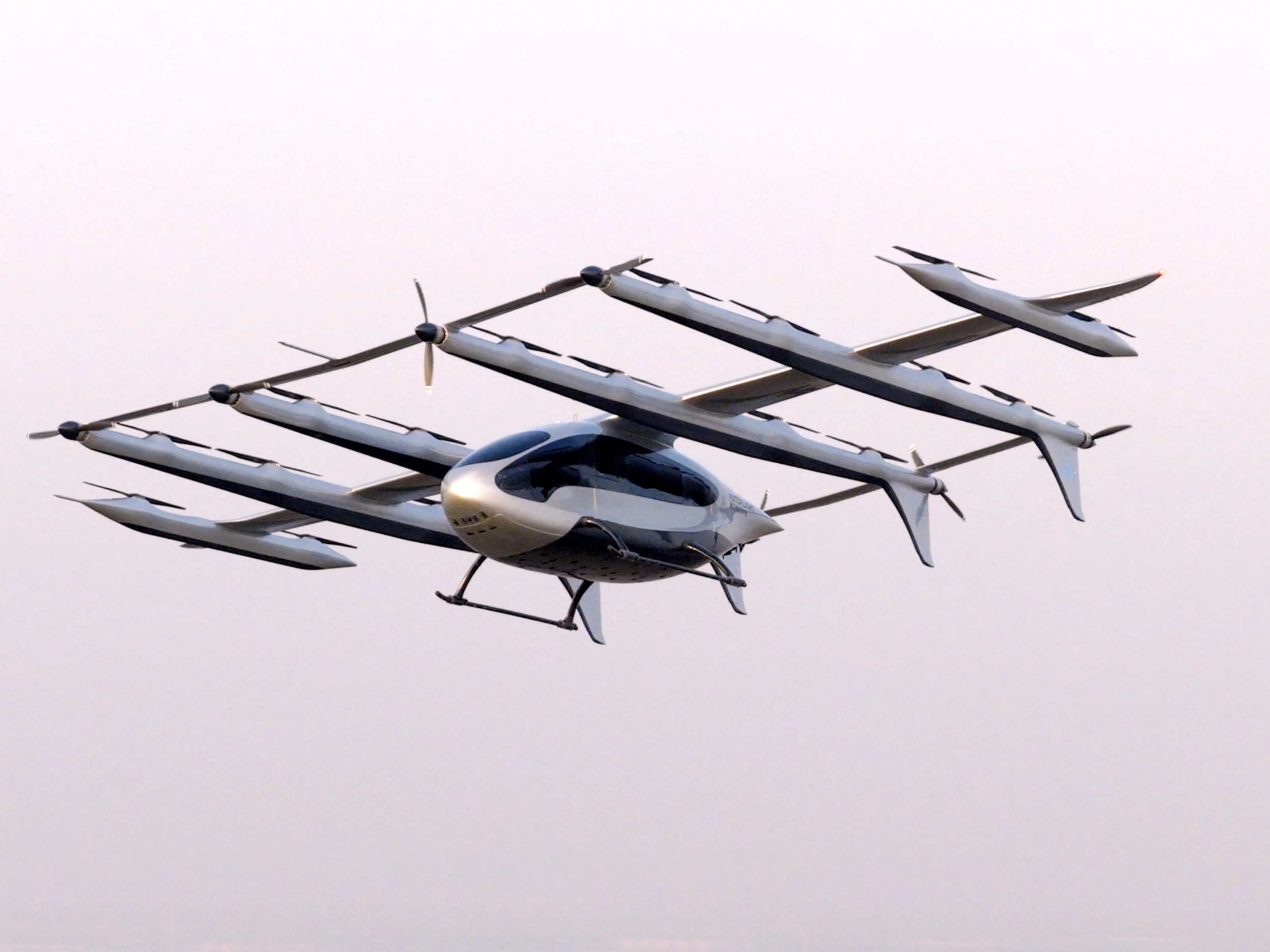
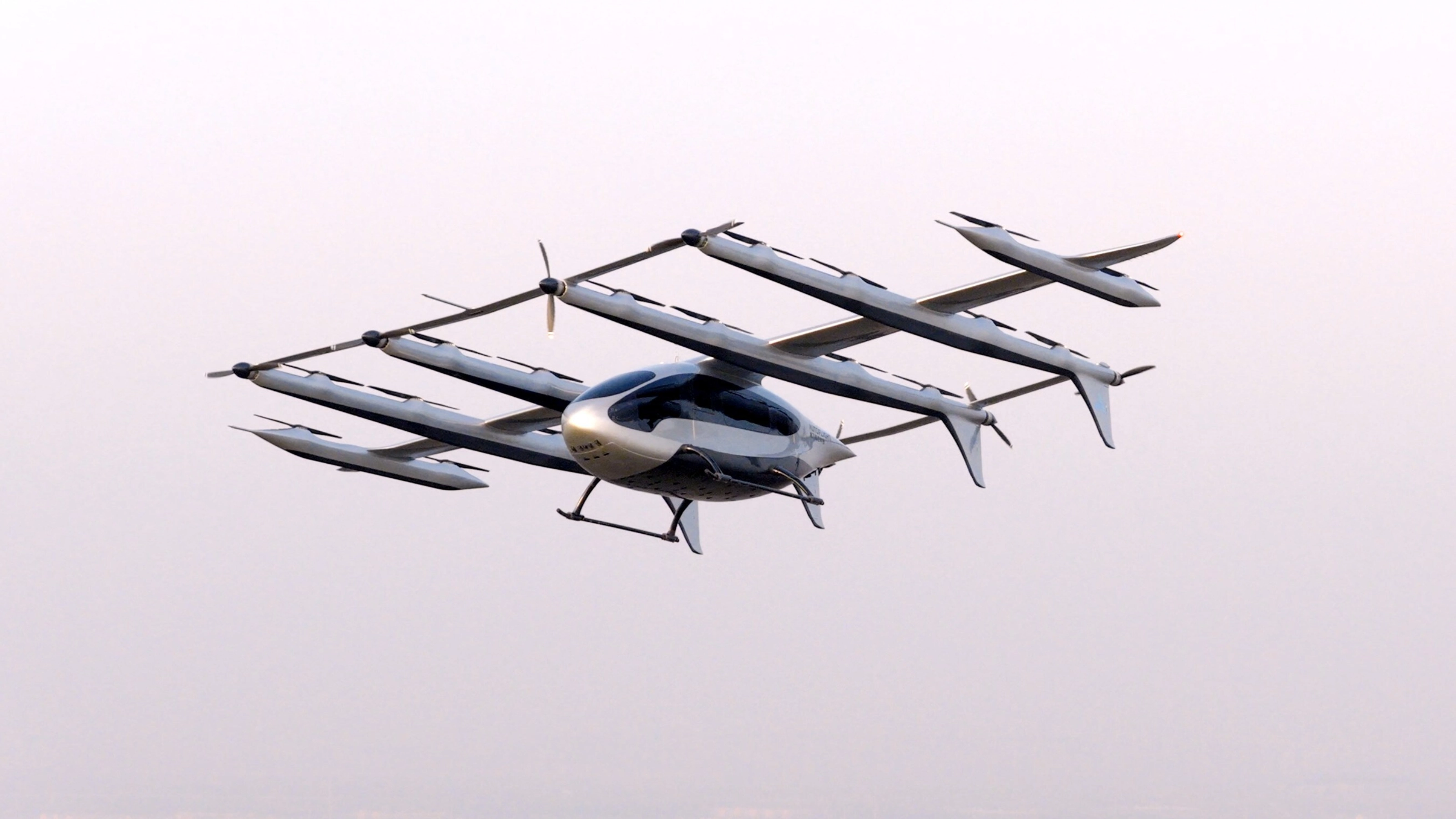
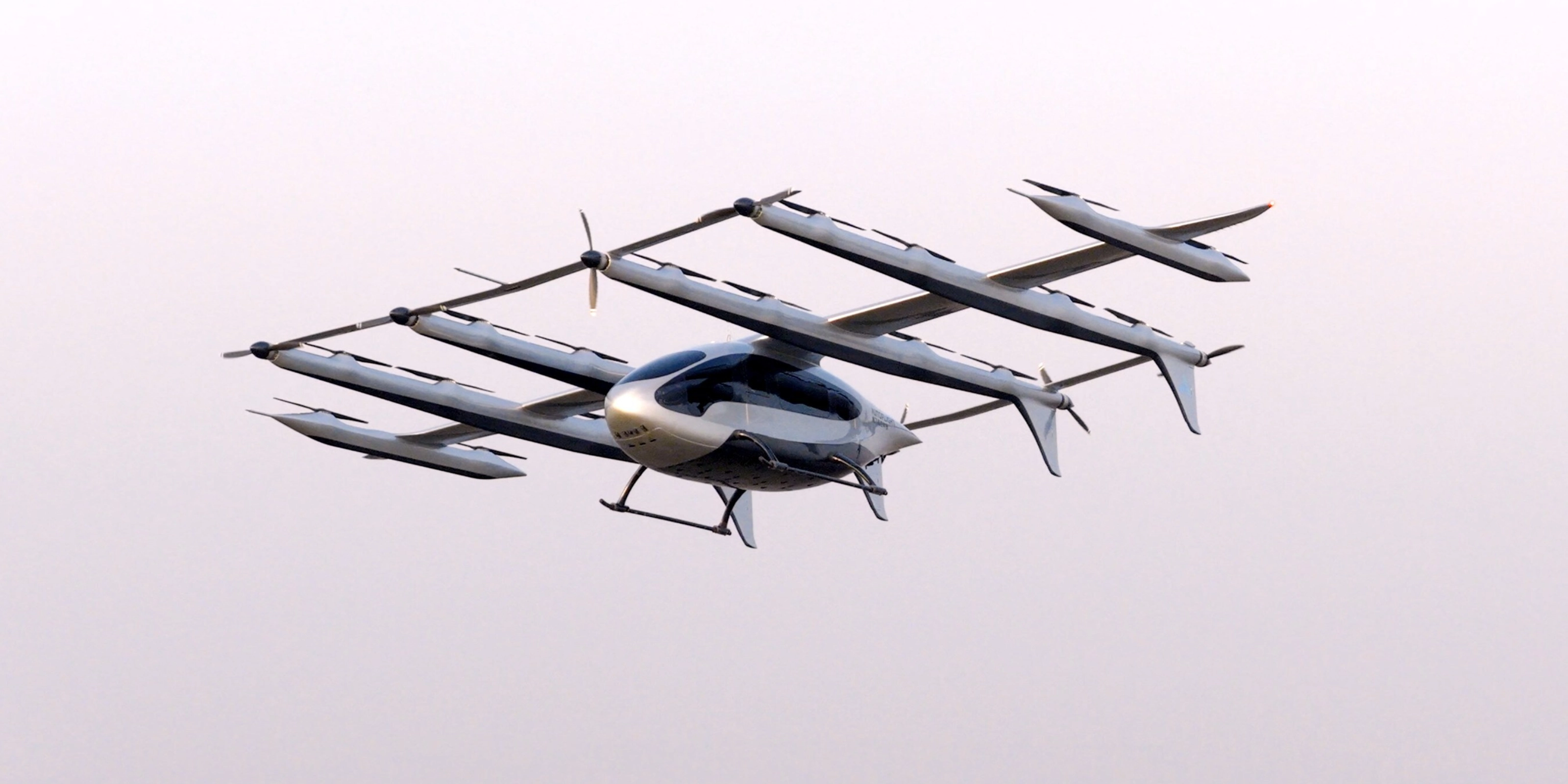
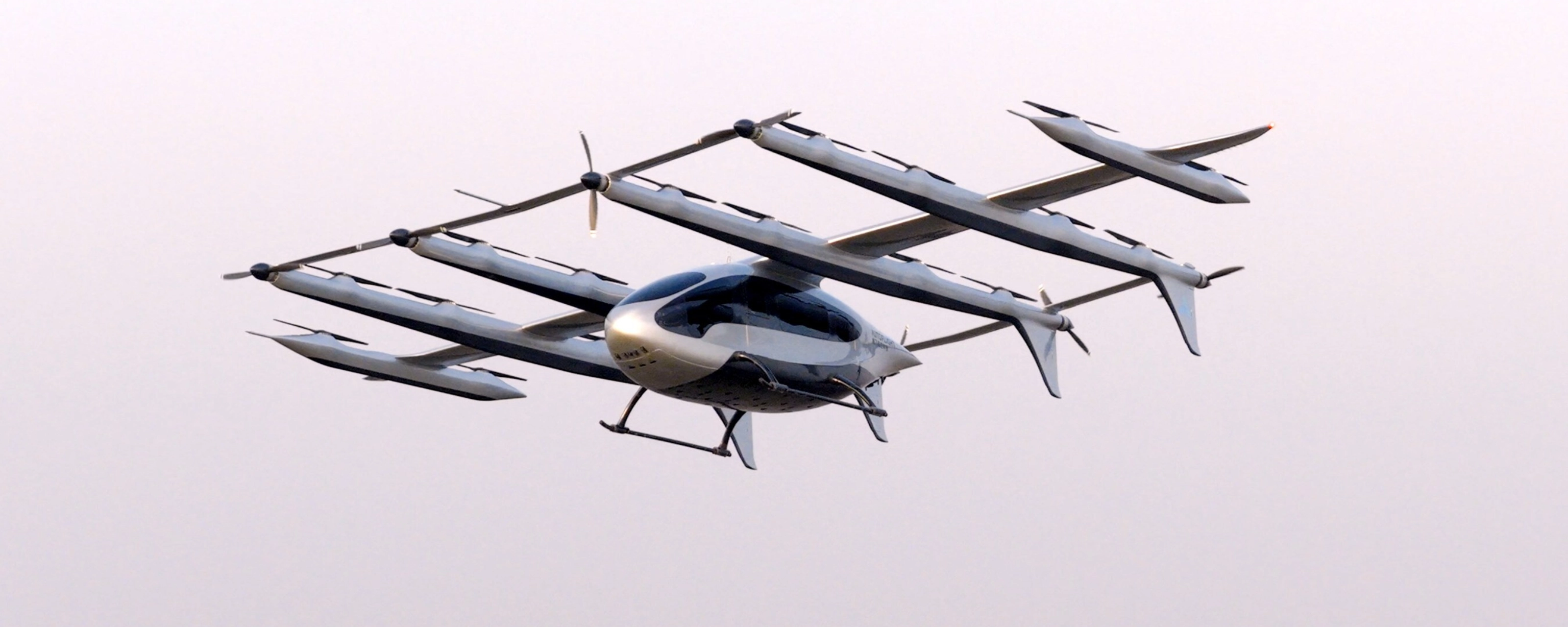
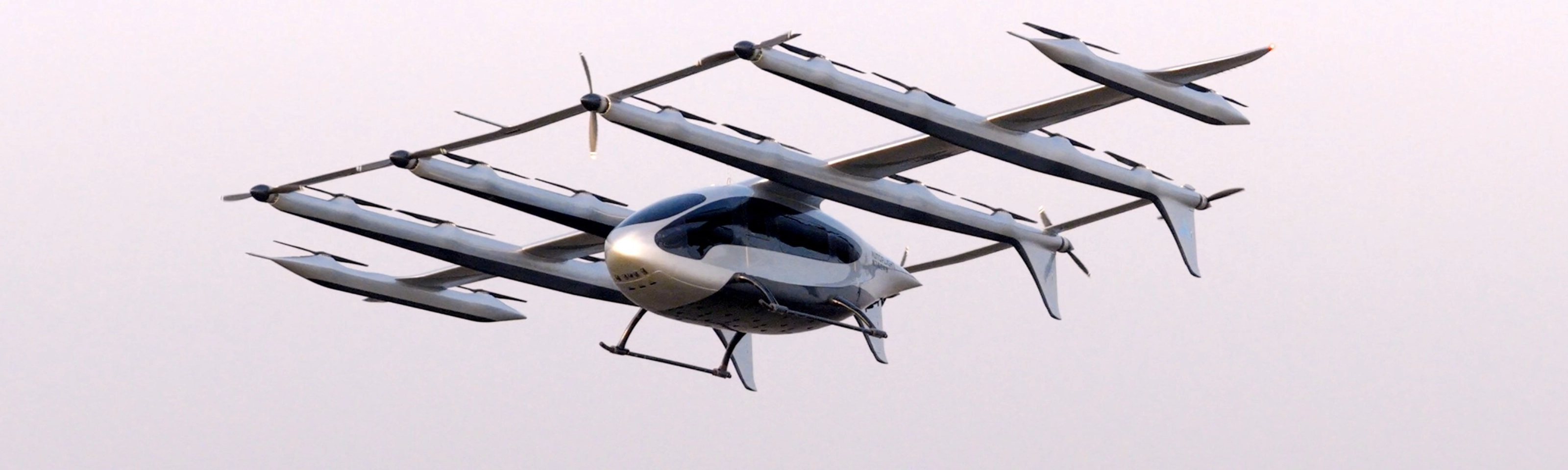
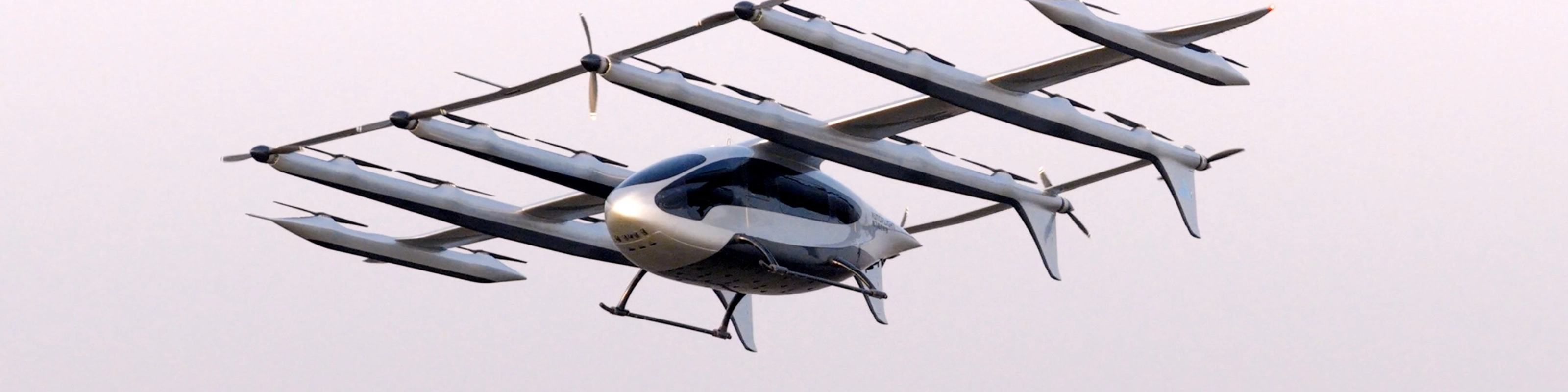
The Chinese Urban Air Mobility (UAM) developer AutoFlight has introduced a new, large-scale air taxi concept designed for both passenger and cargo transport—moving well beyond the scope of most existing eVTOL designs.
While the majority of eVTOL projects focus on small vehicles limited to two to four occupants, AutoFlight’s new concept targets a significantly higher capacity of up to ten people. Alternatively, the aircraft is designed to carry up to 4,000 lbs (1.8 metric tons) of cargo, making the system a viable option for commercial logistics operations.
The Chinese Urban Air Mobility (UAM) developer AutoFlight has introduced a new, large-scale air taxi concept designed for both passenger and cargo transport—moving well beyond the scope of most existing eVTOL designs.
While the majority of eVTOL projects focus on small vehicles limited to two to four occupants, AutoFlight’s new concept targets a significantly higher capacity of up to ten people. Alternatively, the aircraft is designed to carry up to 4,000 lbs (1.8 metric tons) of cargo, making the system a viable option for commercial logistics operations.
Hybrid Powertrain Combines Range and Efficiency
This air taxi model utilizes a hybrid-electric propulsion system where electric components handle the vertical take-off and landing (VTOL) phases, while a supplemental internal combustion engine provides power during horizontal flight. This hybrid architecture is intended to boost range, payload capacity, and overall cost-effectiveness—offering a distinct advantage for heavier loads and longer distances where battery-only concepts currently face limitations.
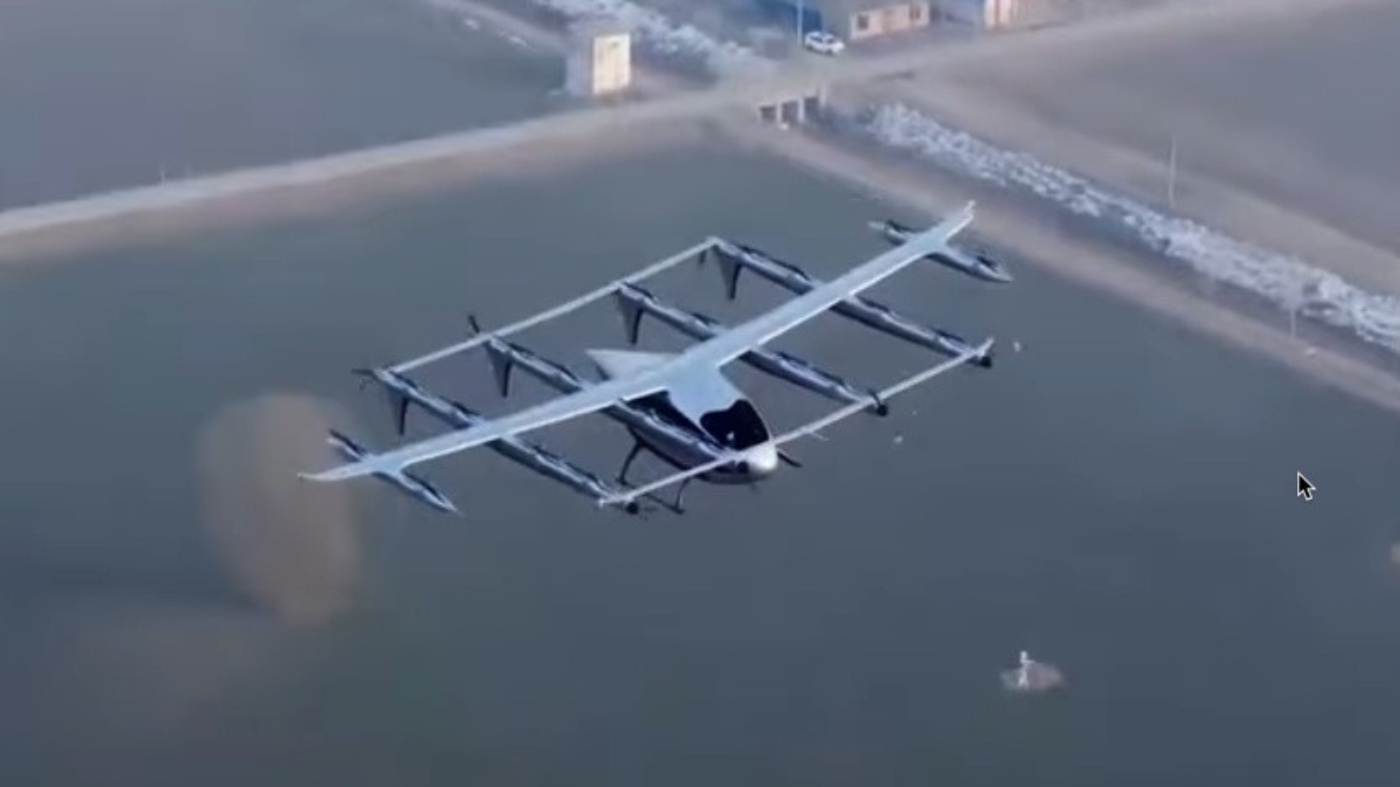
According to AutoFlight, the design features multiple rotor groups that support both the vertical climb and descent phases as well as efficient forward flight.
Dadurch reduziert sich nicht nur die Anzahl an separaten Steuer- oder Kommunikationsmodulen im Fahrzeug, sondern auch potenzieller Montage- und Fehleraufwand, was Robustheit und Servicefreundlichkeit steigern soll.
Flexibility for Passengers and Freight
The vehicle concept offers a modular interior configuration. Depending on the mission, it can be utilized as an air taxi for up to ten passengers or as a dedicated cargo platform for logistics transport between distribution centers, airports, and urban hubs.
The renderings and concept descriptions emphasize that the platform is engineered for high safety standards, quick turnaround times, and superior aerodynamics to improve both operational efficiency and the passenger experience.
The aircraft is currently a concept prototype and has not yet been certified; development is expected to continue over the coming years. Specific schedules for test flights, certification milestones, and commercial service have not yet been established.