
.svg)

New EV Truck Brand SuperPanther Launches SKD Production in Europe
Image: (c) SuperPanther
SuperPanther is making its debut in the European heavy-duty EV market, with plans to deliver its first electric trucks to customers by the end of 2026. Founded roughly four years ago and previously featured at IAA TRANSPORTATION 2024, the startup relies on a hybrid model of in-house technology and regional manufacturing. In partnership with contract manufacturer Steyr Automotive, the first units are scheduled to be built this summer at the Steyr plant in Austria using a Semi-Knocked-Down (SKD) assembly process. This approach combines pre-assembled components from China with parts from prominent European suppliers, including ZF, Schaeffler, Continental, and Aumovio.
SuperPanther is making its debut in the European heavy-duty EV market, with plans to deliver its first electric trucks to customers by the end of 2026. Founded roughly four years ago and previously featured at IAA TRANSPORTATION 2024, the startup relies on a hybrid model of in-house technology and regional manufacturing. In partnership with contract manufacturer Steyr Automotive, the first units are scheduled to be built this summer at the Steyr plant in Austria using a Semi-Knocked-Down (SKD) assembly process. This approach combines pre-assembled components from China with parts from prominent European suppliers, including ZF, Schaeffler, Continental, and Aumovio.
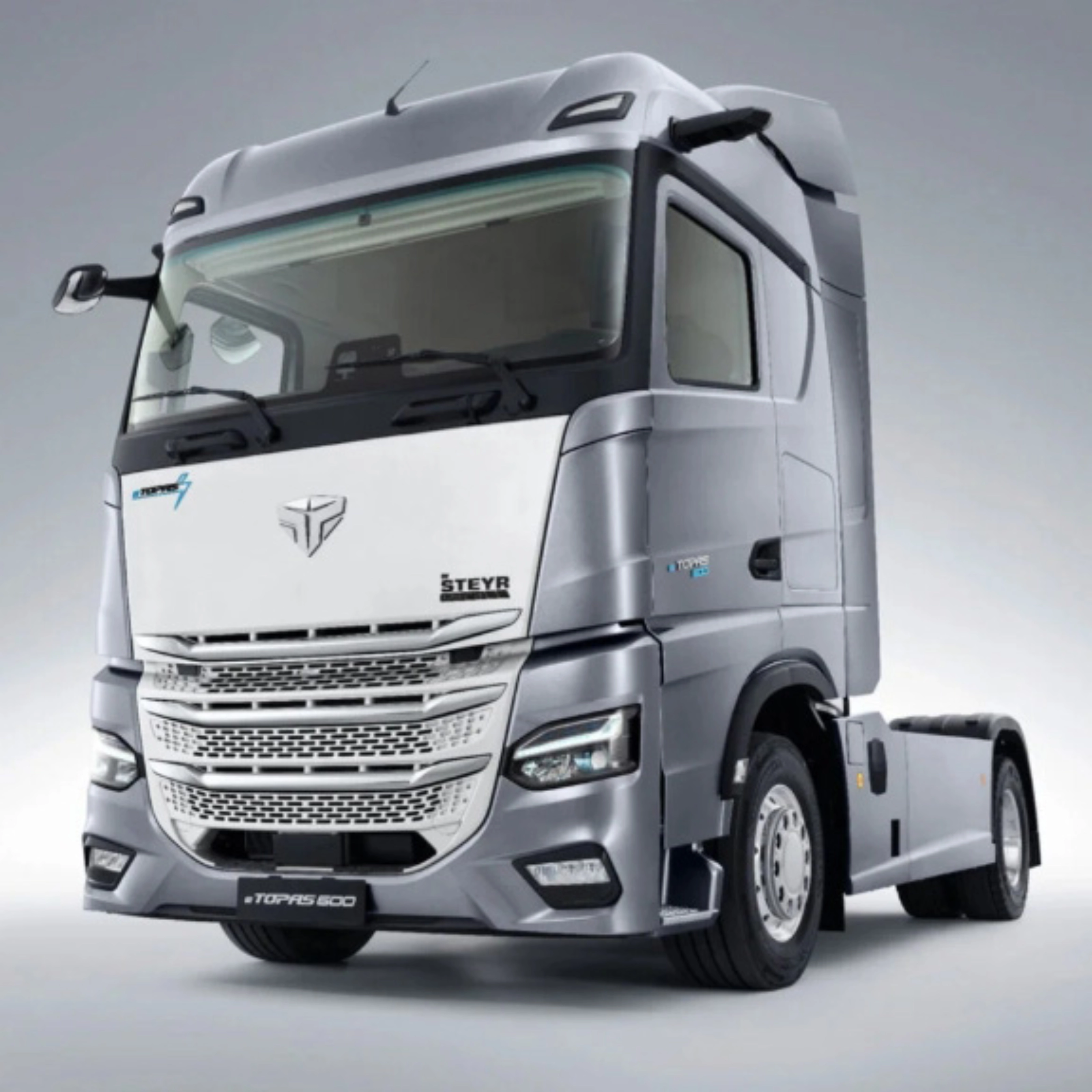
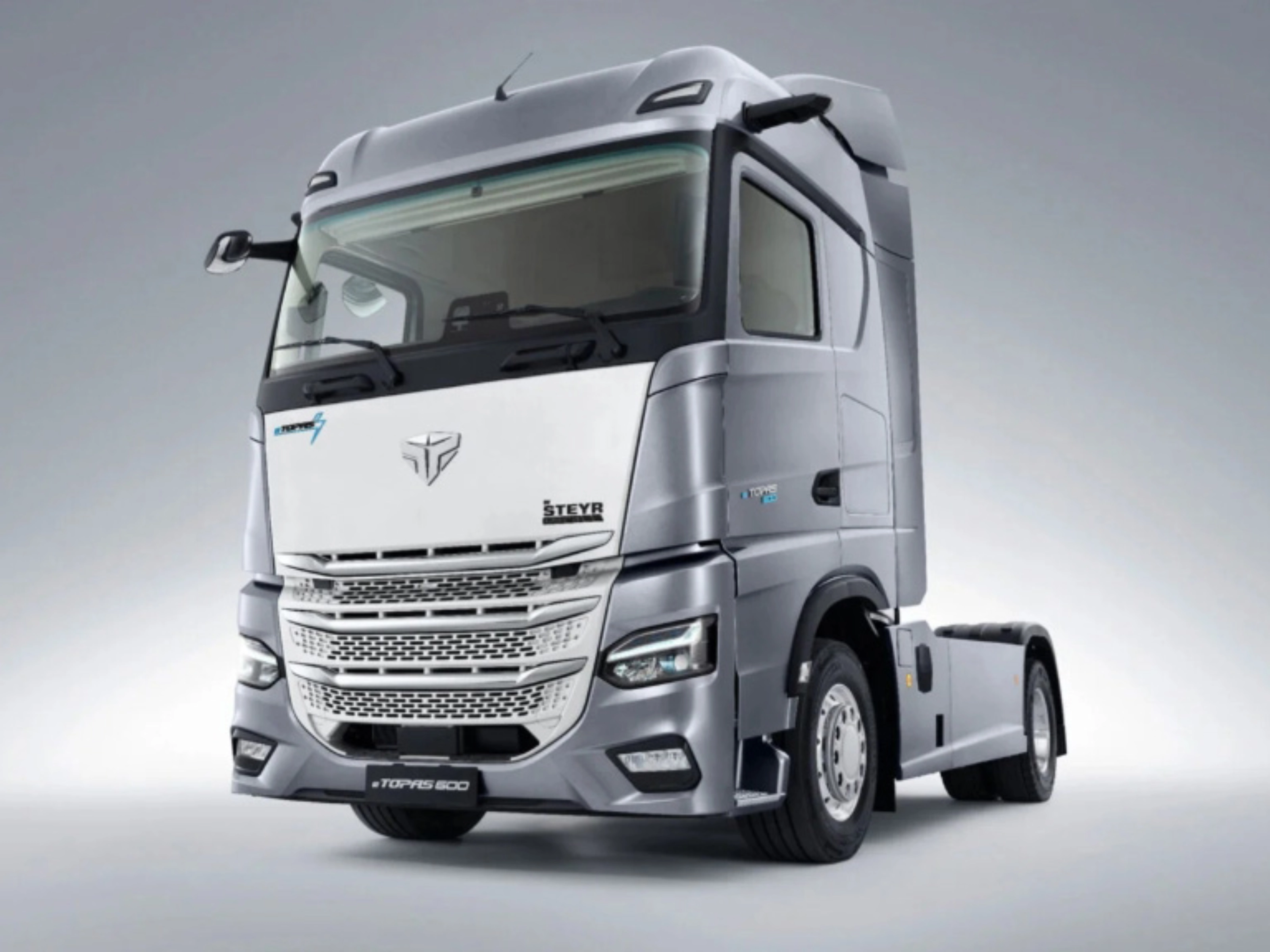
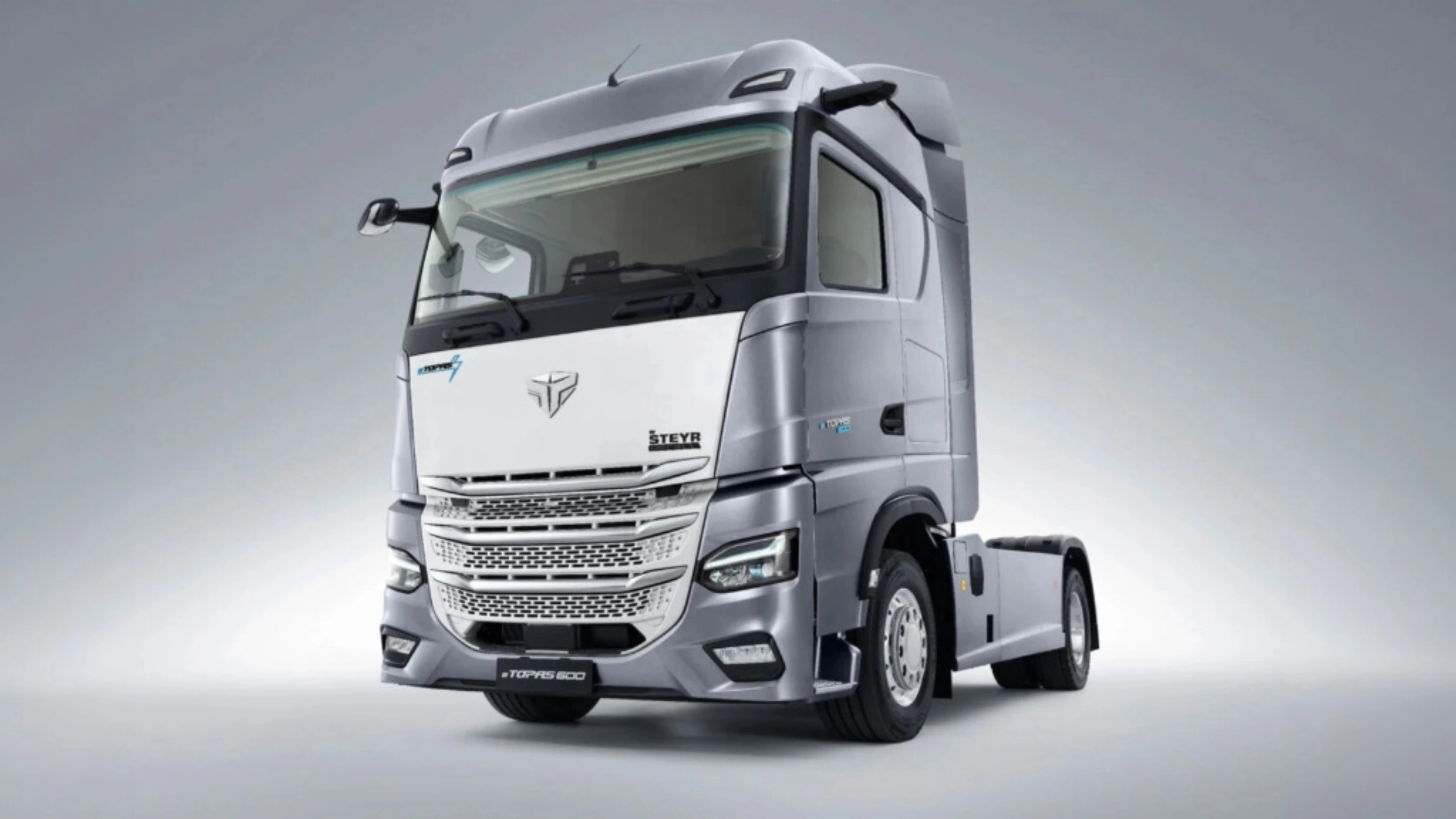
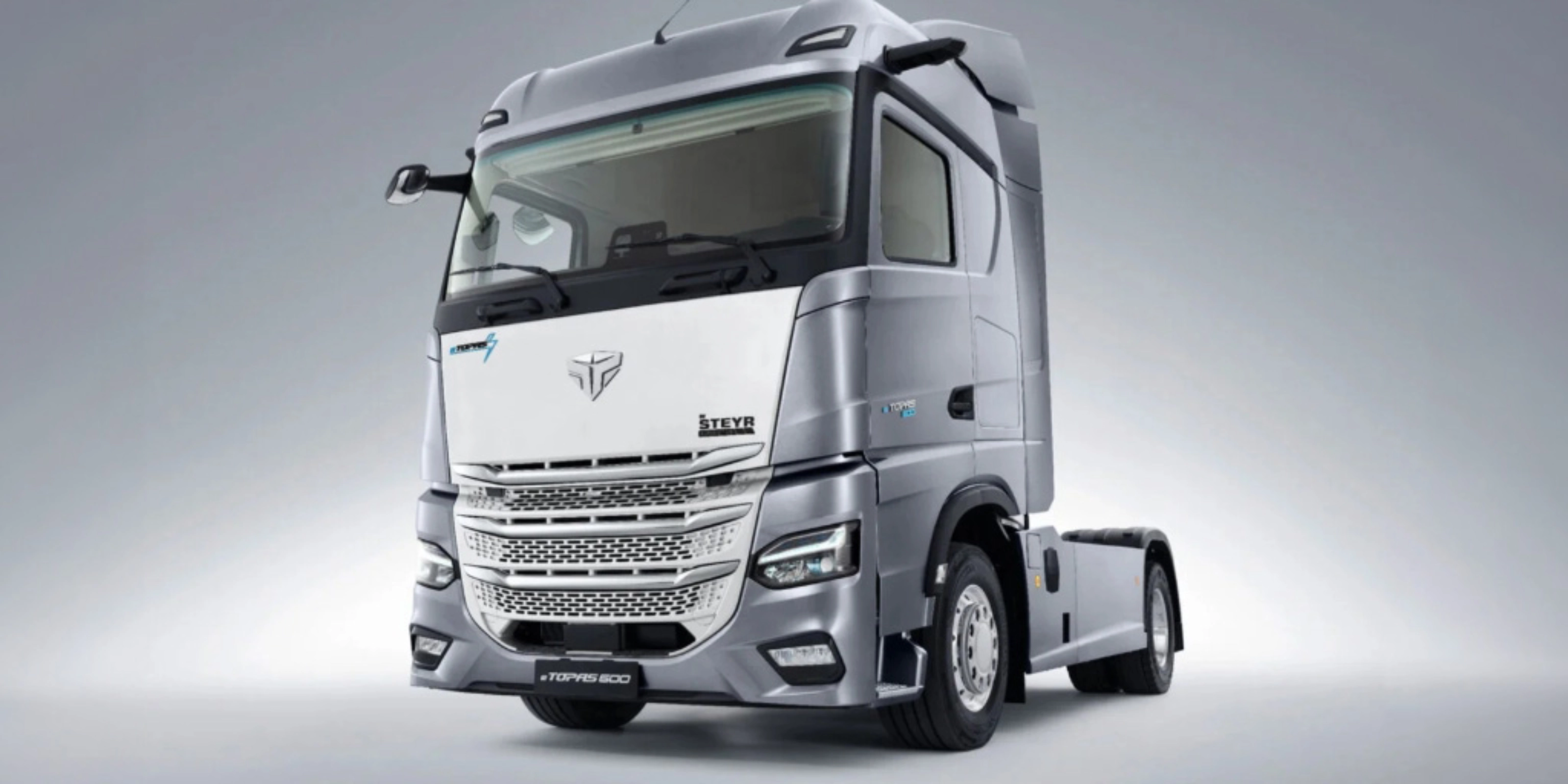
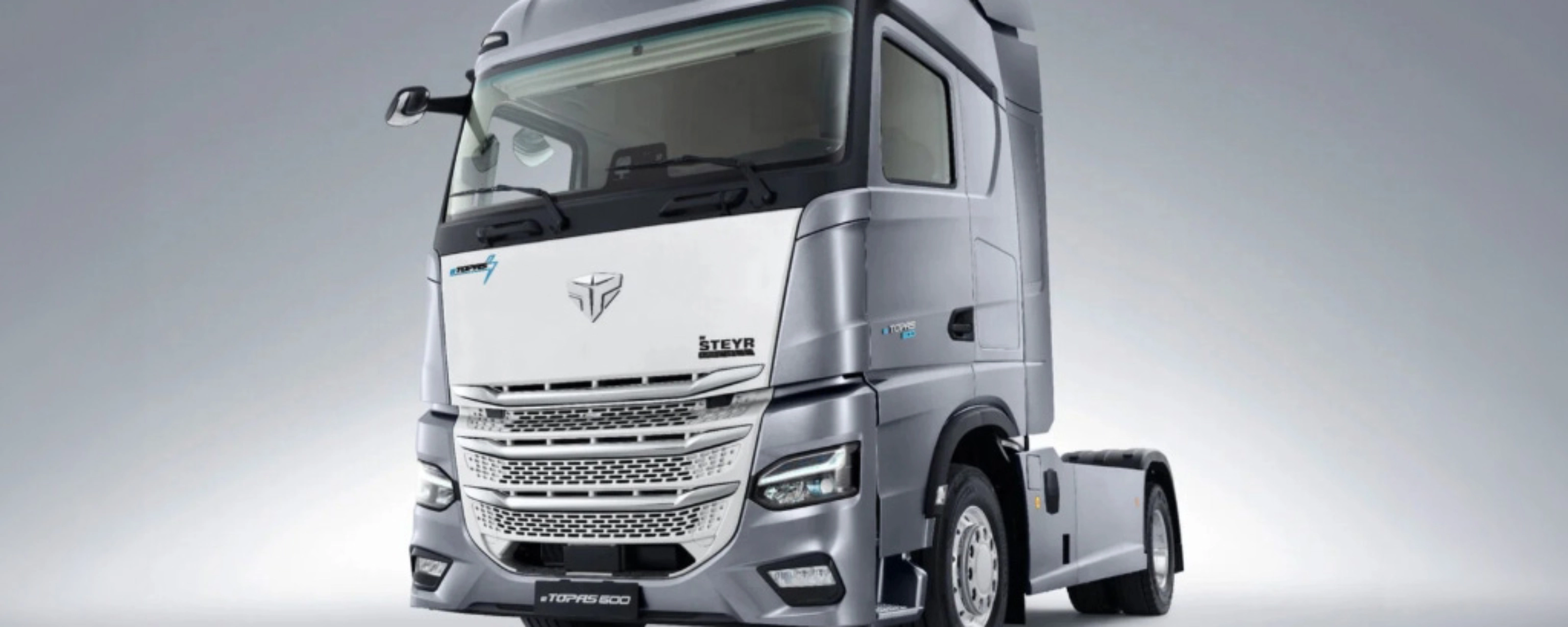
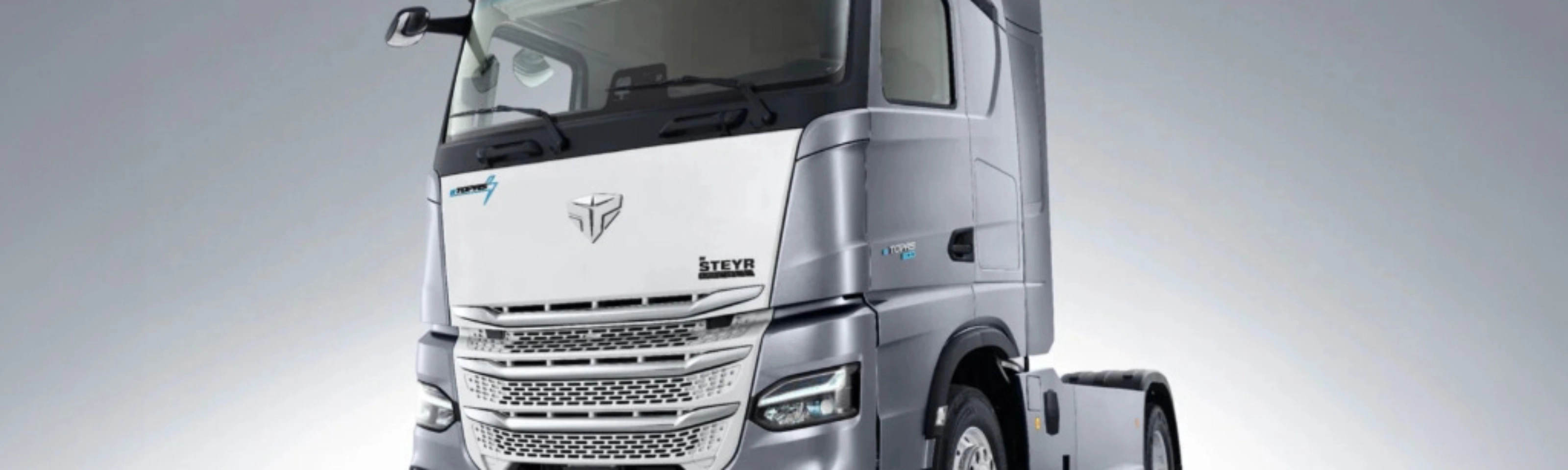
SuperPanther positions itself not only as an OEM (Original Equipment Manufacturer) but also as a strategic technology partner for other players in the commercial vehicle industry. The flagship of their lineup is the new eTopas 600, a 4×2 tractor featuring a gross battery capacity of 621 kWh and a range of approximately 310 miles (500 km) per charge. The vehicle is built on an 876-volt architecture, utilizing dual electric motors that deliver 394 kW of continuous power and a peak output of 692 kW.
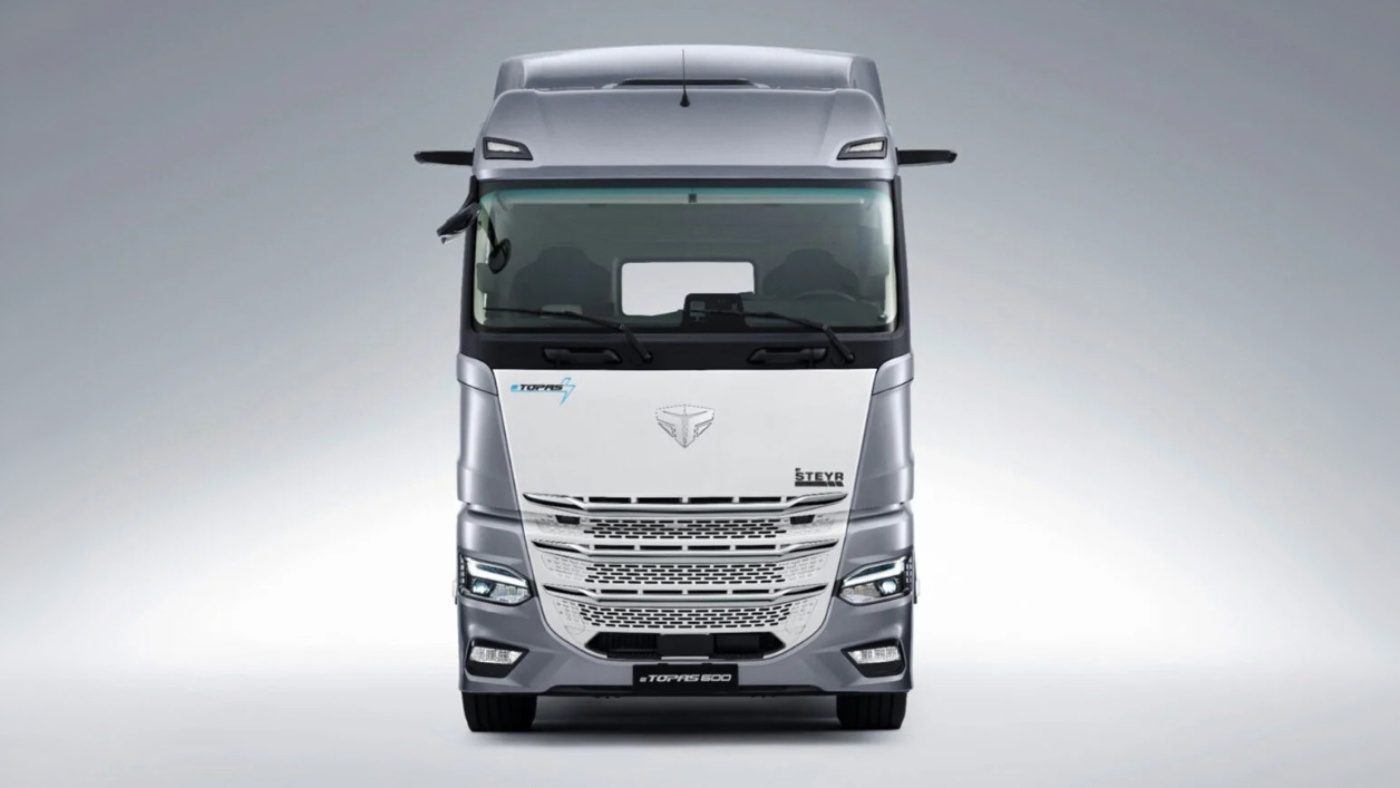
To handle power delivery, SuperPanther utilizes "dual-gun" charging technology, allowing two CCS-2 connectors to work in parallel for a combined charging capacity of nearly 660 kW. Under optimal infrastructure and software conditions, this setup can charge the battery from 20% to 80% in under 38 minutes.
The truck will be offered exclusively as a battery-electric vehicle (BEV). The batteries are supplied by CATL and, according to the company, are engineered for rugged operating conditions in temperatures ranging from -22°F to 104°F (-30°C to +40°C).