



CATL Unveils New Dual-Battery System for Electric Trucks and Battery Swap Stations
Image: (c) CATL
CATL has introduced a new dual-battery system for heavy-duty electric trucks designed to improve the range and cost-effectiveness of battery-electric commercial vehicles.
At the heart of the new development is the so-called Dual-Electric Range Extension Battery. Unlike conventional electric trucks equipped with a single battery system, the solution combines two independent but coordinated batteries.
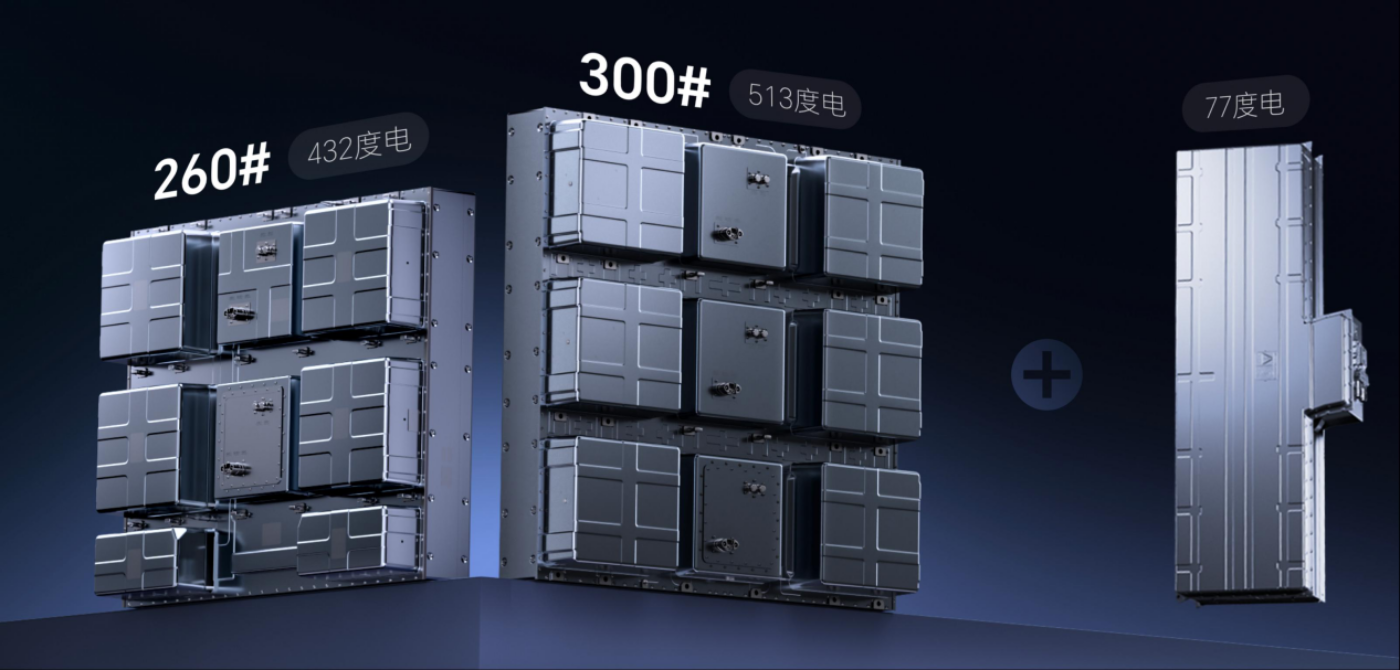
The primary energy storage unit is a standardized swappable battery mounted on the vehicle chassis, which is designed to remain compatible with the QIJI battery swap network. It is complemented by an additional battery positioned behind the driver's cab. In its current configuration, this battery has a capacity of 77 kWh and is designed to support charging rates of up to 3C.
The additional battery system is designed to take over the power supply when needed, allowing more intensive use of the main battery.
According to CATL, this approach can increase the usable depth of discharge of the main battery from approximately 70% to more than 95%. When its state of charge falls below 5%, the additional battery is designed to take over the power supply within milliseconds, allowing the drivetrain to continue operating without interruption.
Modular Battery Architecture Enables Flexible Vehicle Configurations
CATL refers to the system as a 1+X architecture. The standardized main battery remains unchanged for use within the QIJI battery swap network, while the additional battery can be adapted to different operating requirements.
Depending on the application, planned variants include batteries with particularly high energy density, improved cold-weather performance, or high power output. Both battery systems can be developed and upgraded independently.
New Swappable Batteries With Capacities of Up to 513 kWh
Alongside its dual-battery technology, CATL is expanding its QIJI system with new standardized battery sizes for heavy-duty commercial vehicles.
In addition to the existing 75# battery model, the lineup will include the new 260# variant with a capacity of 432 kWh and the 300# variant with 513 kWh. The expanded portfolio is intended to accommodate different vehicle classes and transport requirements.
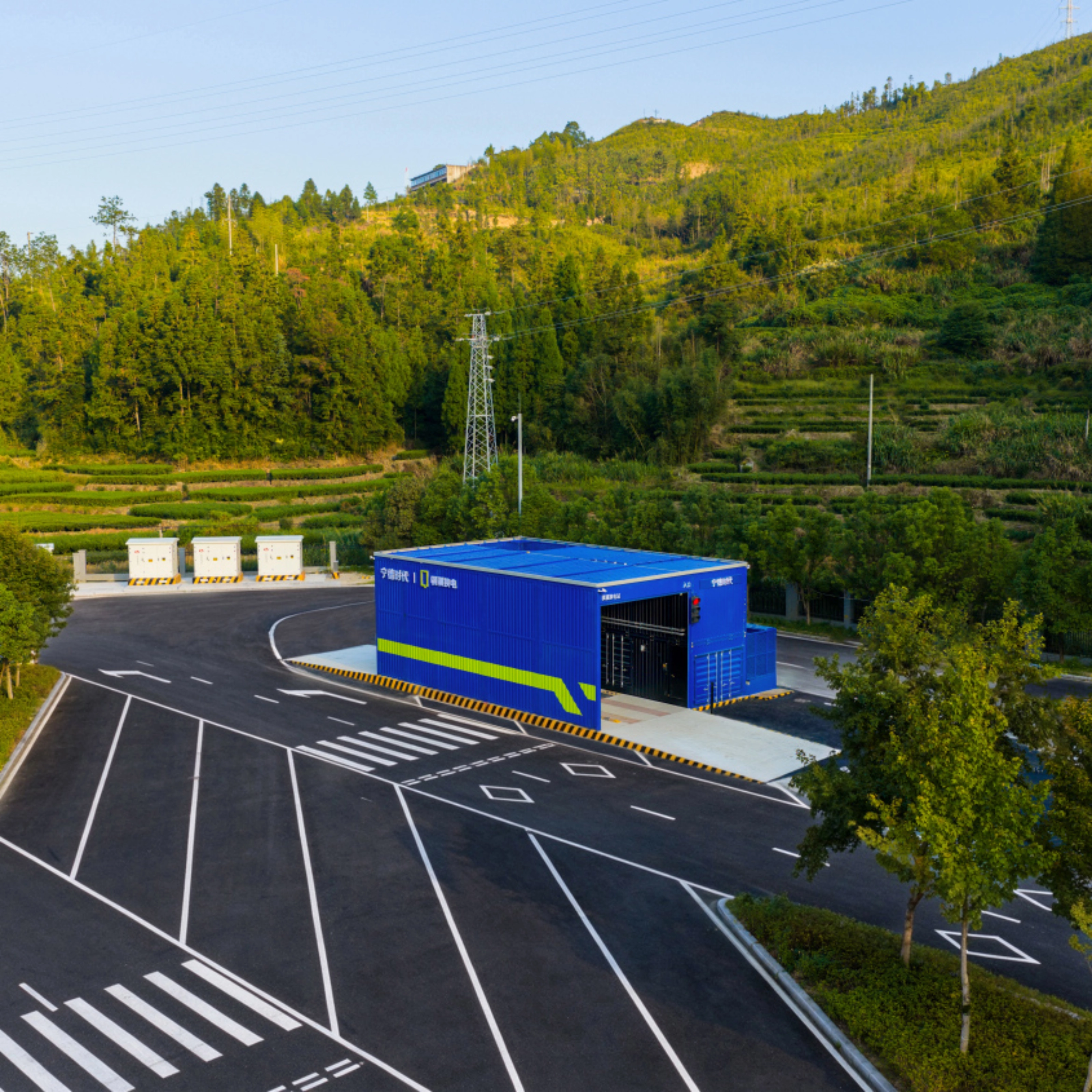
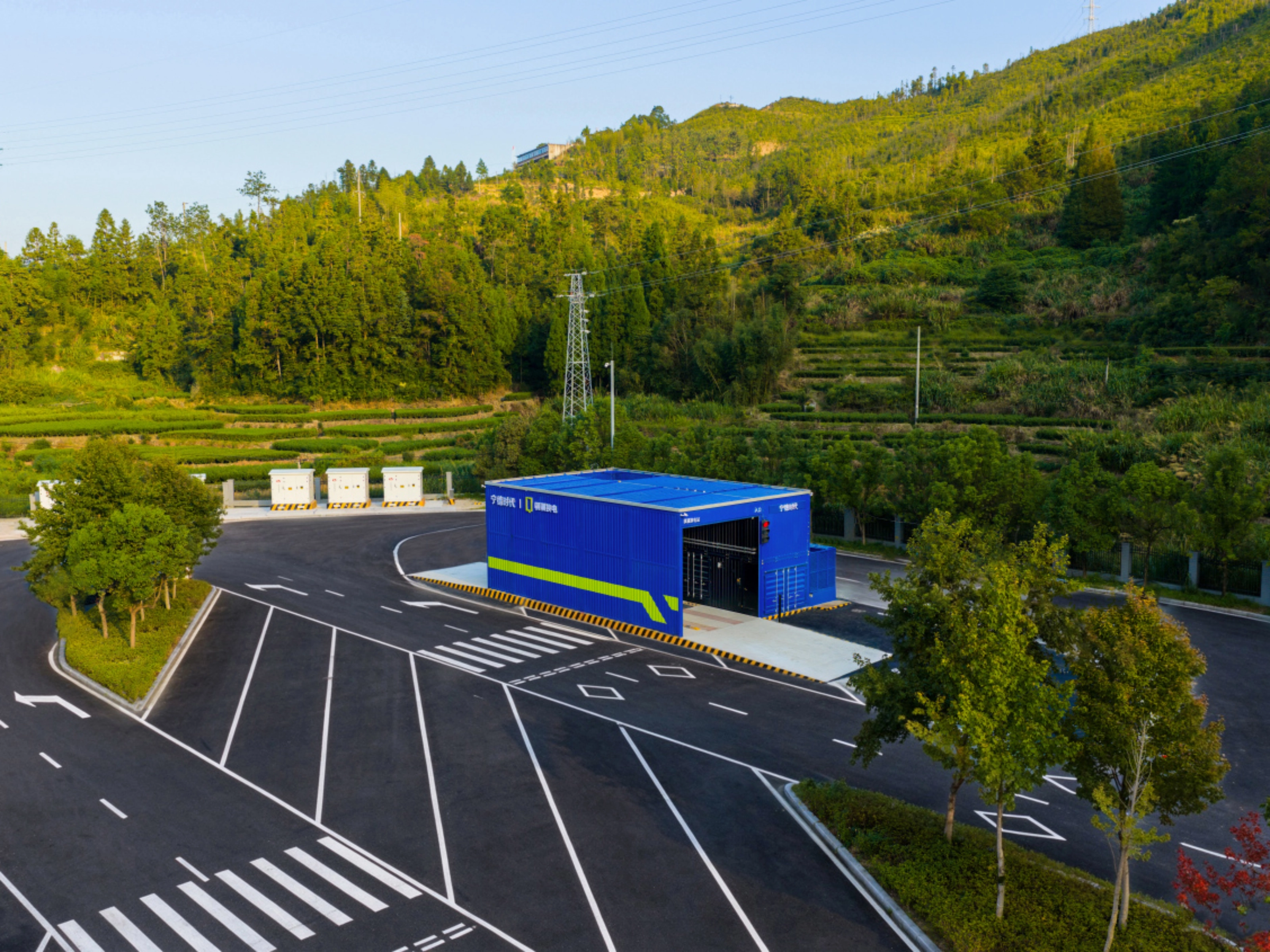
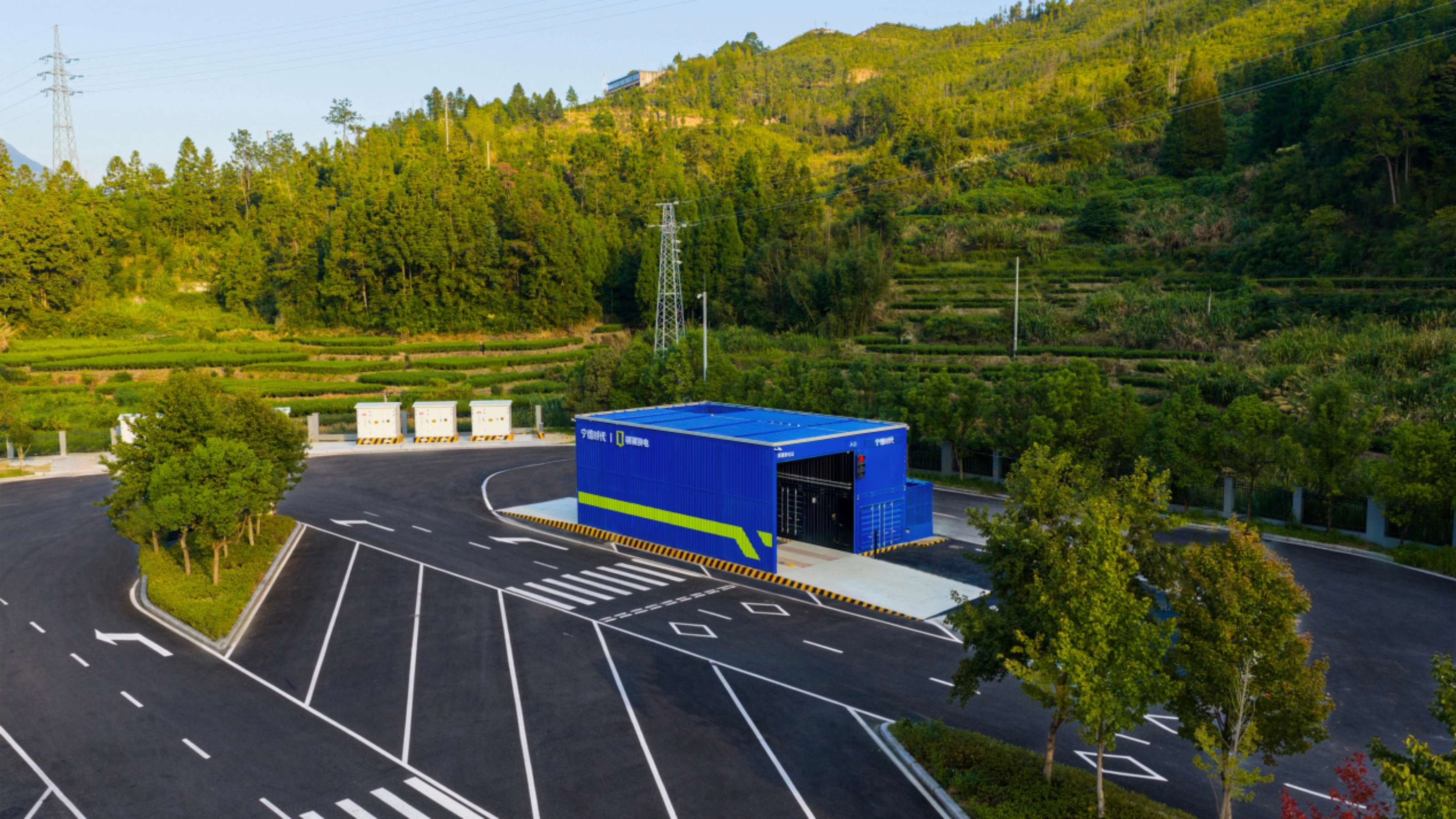
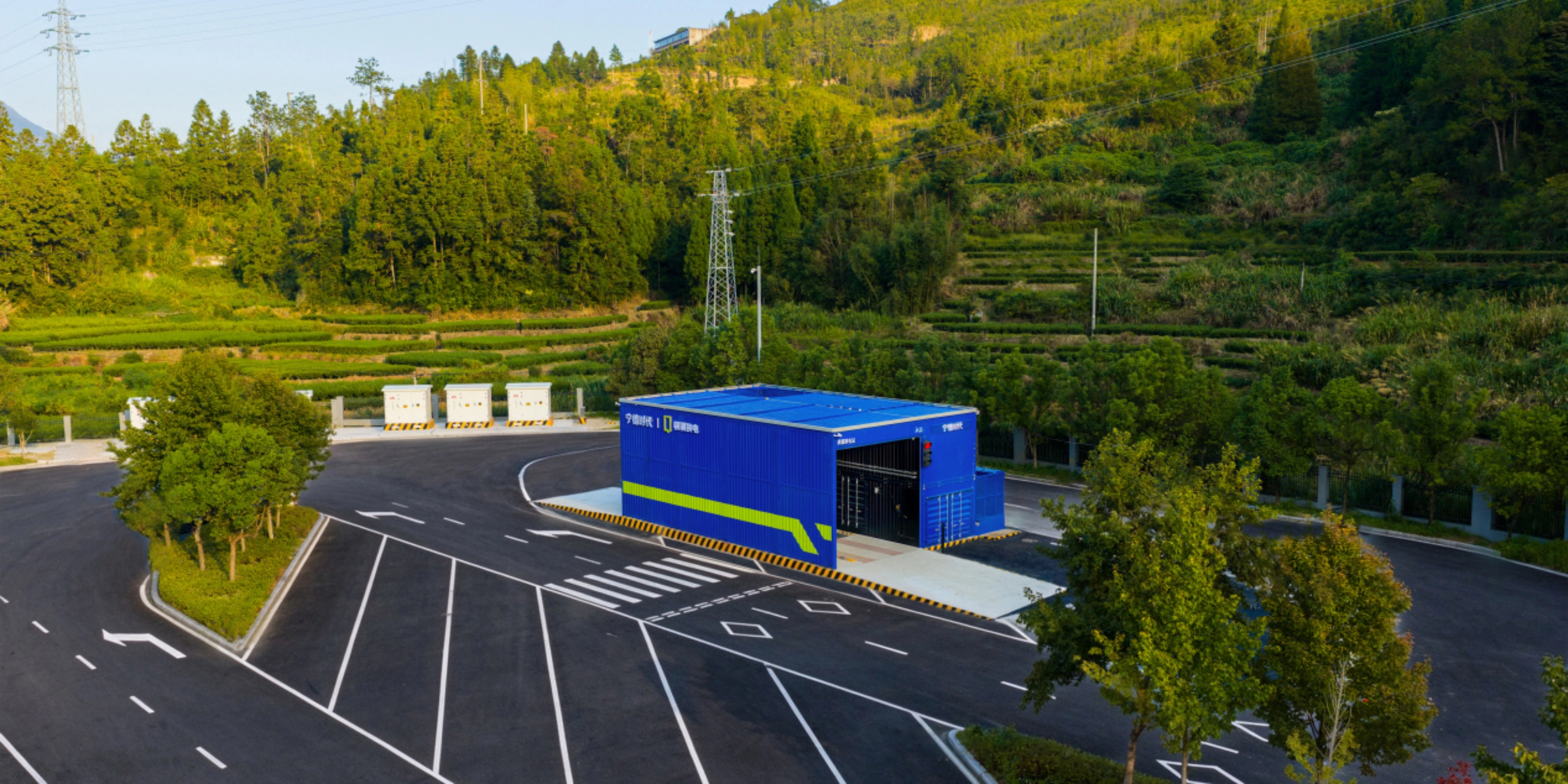
According to the manufacturer, QIJI technology enables a complete battery swap in just five minutes.
QIJI has also introduced a Battery-as-a-Service model under which customers pay for the net amount of energy charged. The model accounts for energy recovered through regenerative braking, ensuring that this energy is not charged for again as consumed energy.
CATL states that this approach could reduce battery rental costs per kilowatt-hour by up to 20% under certain base-rate plans.
CATL Plans 2,000 Battery Swap Stations by 2027
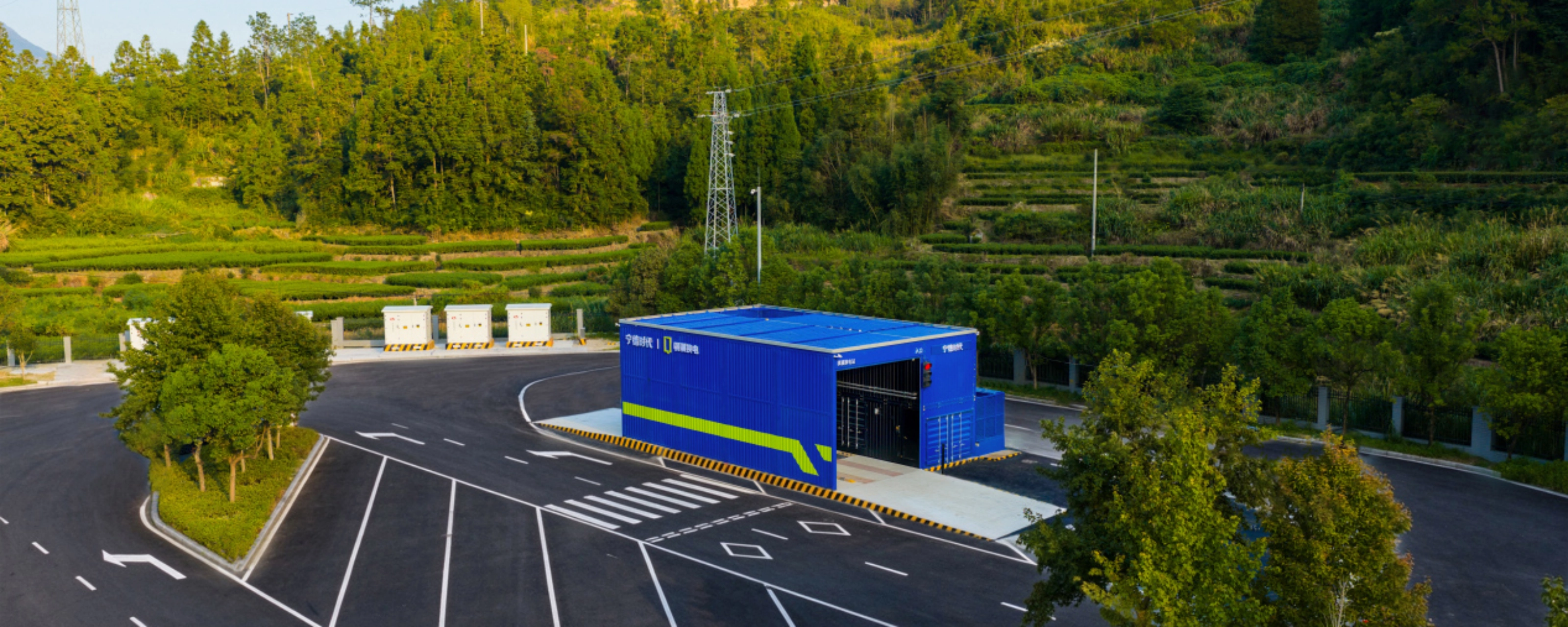
Another key focus is the expansion of battery swapping infrastructure for heavy-duty electric trucks in China.
CATL plans to establish a total of 900 battery swap stations by the end of 2026. The network is expected to expand to 2,000 locations in 2027. In the longer term, the company and its partners aim to establish a nationwide network of 10,000 stations.
The stations are intended to be located primarily along major freight transport corridors. By combining standardized battery systems with centrally managed charging processes, CATL aims to reduce downtime for electric commercial vehicles and make more efficient use of existing power grid capacity.
The company is pursuing a collaborative approach that involves vehicle manufacturers, financial service providers, insurers, and infrastructure operators in developing the battery swap network.
Agreements Covering 13,000 Units Signed
CATL also announced that it has signed agreements covering a total of 13,000 units. However, the company did not provide further details about the specific vehicle or battery variants covered by these agreements or when deliveries are expected.
In addition, CATL introduced further battery systems for heavy-duty commercial vehicles. These include particularly lightweight, flat batteries designed for installation behind the driver's cab, as well as chassis-integrated solutions for short- and long-haul transport.
By combining standardized swappable batteries, additional energy storage systems, and an expanding network of battery swap stations, CATL aims to enable the use of battery-electric trucks across a broader range of transport applications.