.svg)


ZF Showcases New Safety and Vehicle Dynamics Systems for the Next Generation of Commercial Vehicles
Image: (c) ZF
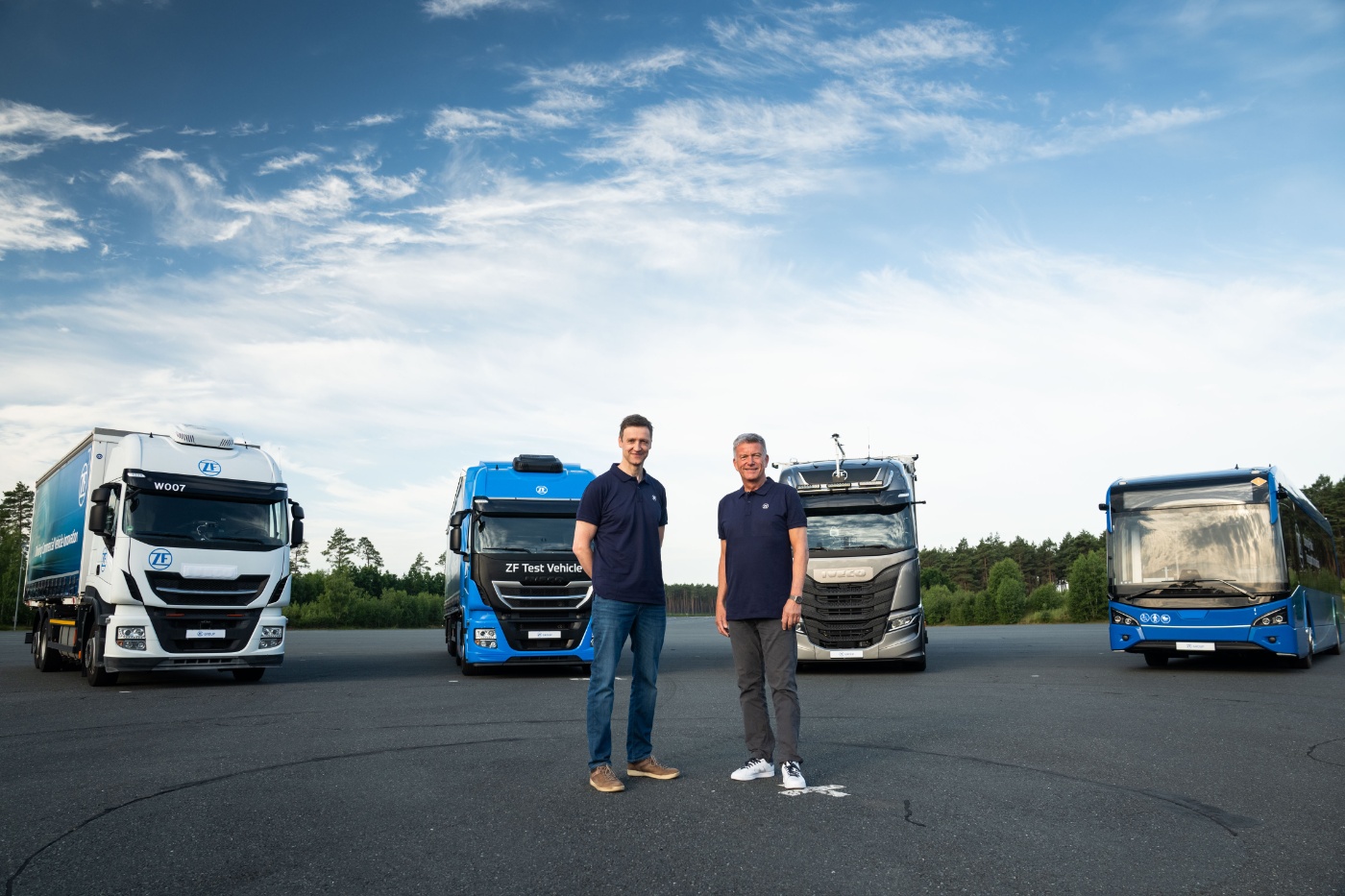
Ahead of IAA TRANSPORTATION 2026, ZF offered a preview of its next-generation safety and vehicle dynamics systems for commercial vehicles at its test track near Hanover. The showcase focused on technologies that already enhance the safety, efficiency, and cost-effectiveness of commercial vehicles today, while simultaneously supporting the transition to software-defined and AI-powered vehicle architectures.
Ahead of IAA TRANSPORTATION 2026, ZF offered a preview of its next-generation safety and vehicle dynamics systems for commercial vehicles at its test track near Hanover. The showcase focused on technologies that already enhance the safety, efficiency, and cost-effectiveness of commercial vehicles today, while simultaneously supporting the transition to software-defined and AI-powered vehicle architectures.
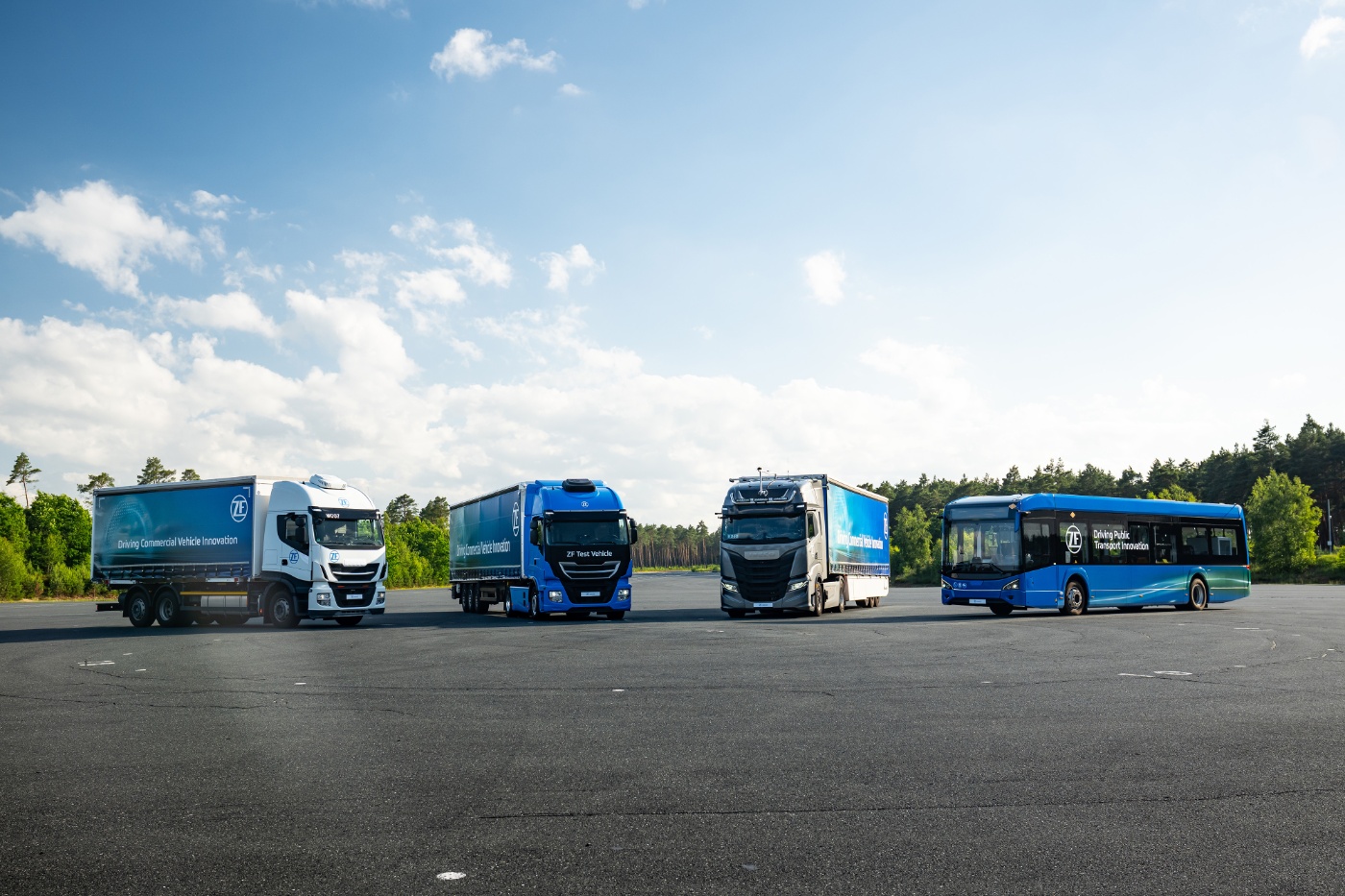
ZF anticipates that the transformation of the commercial vehicle sector will progress at varying speeds depending on the region and specific application. Consequently, the company is focusing on flexible, scalable system architectures that allow OEMs and fleet operators to make a gradual transition. The core focus lies on E/E architectures, software, and connected system intelligence designed to continuously evolve vehicles throughout their entire lifecycle. The objective is to optimize safety, uptime, and total cost of ownership (TCO) while safeguarding existing investments.
A key element of the featured technologies is the evolution of driver assistance systems into a holistic safety approach. Scalable radar and camera systems provide a 360-degree view around both the towing vehicle and the trailer, aimed at significantly reducing blind spots. By seamlessly networking sensors, braking systems, and steering, an integrated safety ecosystem is created, paving the way for higher levels of automation.
Additionally, ZF presented assistance functions for trailer operations capable of detecting obstacles when reversing and automatically initiating braking maneuvers. These systems are complemented by driver monitoring tools to detect distraction and fatigue, as well as "Rescue Assist," which recognizes emergency vehicles early by detecting their siren signals.
Specifically for bus applications, ZF introduced several solutions tailored to urban transit. The "City Bus CMS" emergency braking assistance system is designed to prevent collisions while offering better protection for passengers. "City Bus Assist" supports precise approaches to bus stops through sensor-based curb detection and can actively assist with vehicle steering. Furthermore, the "CDC Skyhook" adaptive damping system enhances ride comfort and stability in city traffic by continuously adjusting damping characteristics.
When it comes to electrification, ZF relies on a technology-neutral approach. Its portfolio ranges from hybrid solutions like the TraXon 2 Hybrid automated transmission to central electric drives and electric axle systems for various vehicle classes. These modular systems are designed to enable manufacturers to electrify existing vehicle platforms step-by-step, allowing them to continue leveraging prior investments.
To complement this, ZF presented the "e-comp Scroll" oil-free air compressor for electrified commercial vehicles. Operating more energy-efficiently and quietly than conventional systems, it supports critical functions such as braking and chassis management.
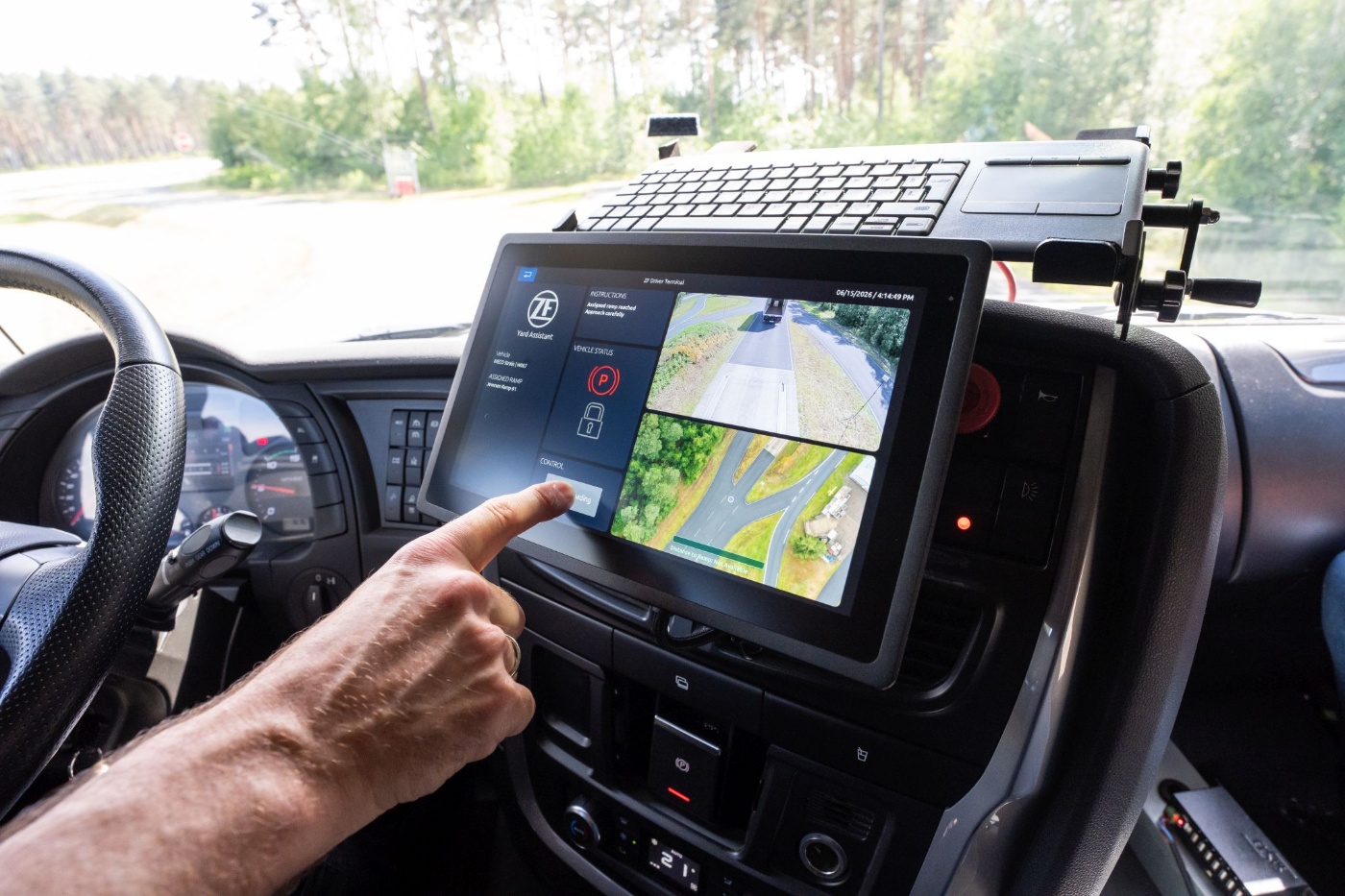
In addition to hardware innovations, ZF views software as a cornerstone for future commercial vehicles. Featured applications include the automatic configuration of vehicles at depots, connectivity between tractor units and trailers, and remote access to safety-critical vehicle functions. In the future, trailer functions—such as in-cab controls or assisted ramp approaches—will also be more deeply integrated into digital logistics processes.
With these technologies, ZF is pursuing an evolutionary transformation approach for the commercial vehicle industry. Rather than shifting to entirely new platforms, the company relies on flexible software and system architectures designed to bridge today's requirements with future goals of safe, efficient, and emissions-free mobility. The technologies will be presented to a broad audience of professional visitors at IAA TRANSPORTATION 2026 in Hanover.