.svg)
Winduction Develops Electric Buses That Charge Wirelessly Through Their Tires
Image: (c) Winduction
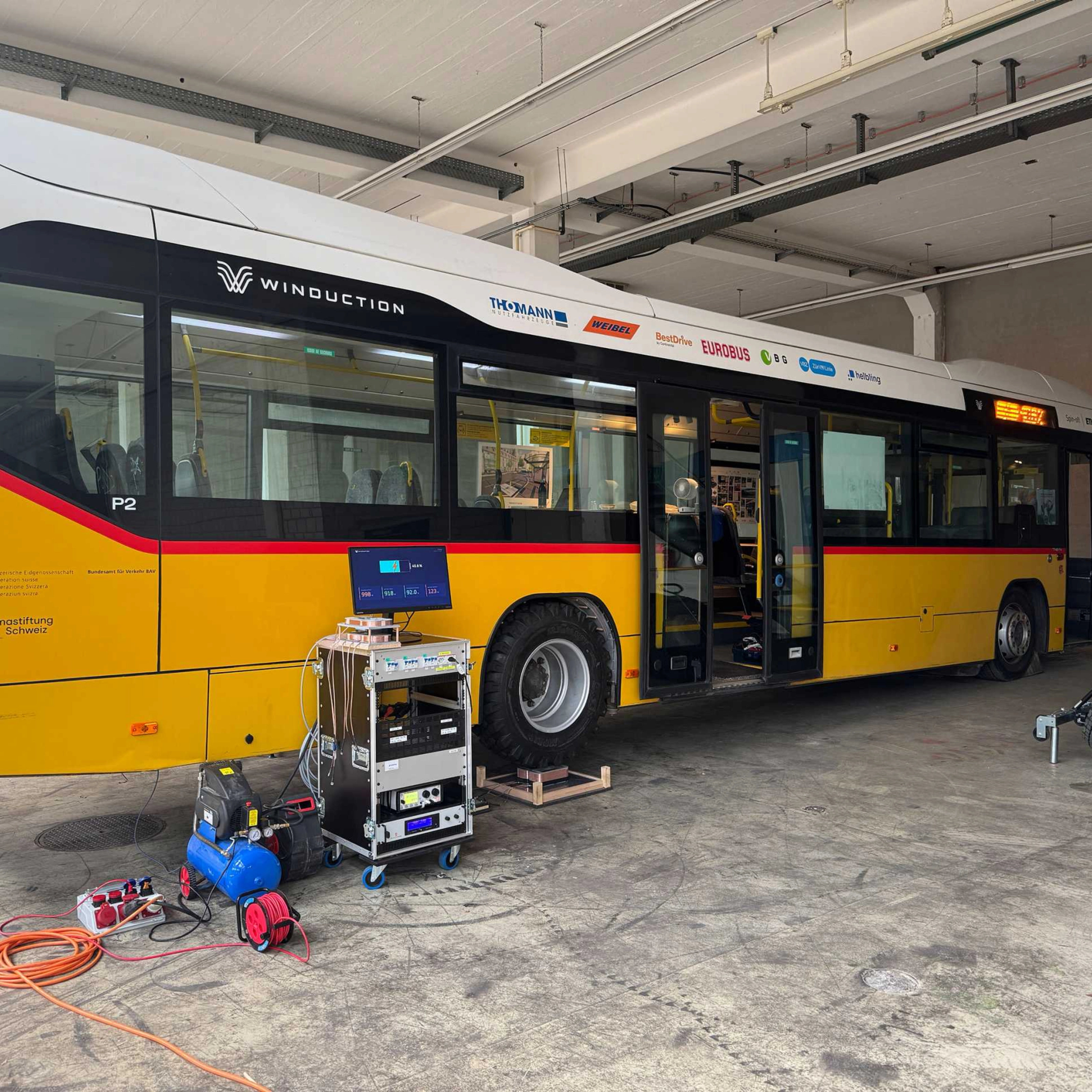
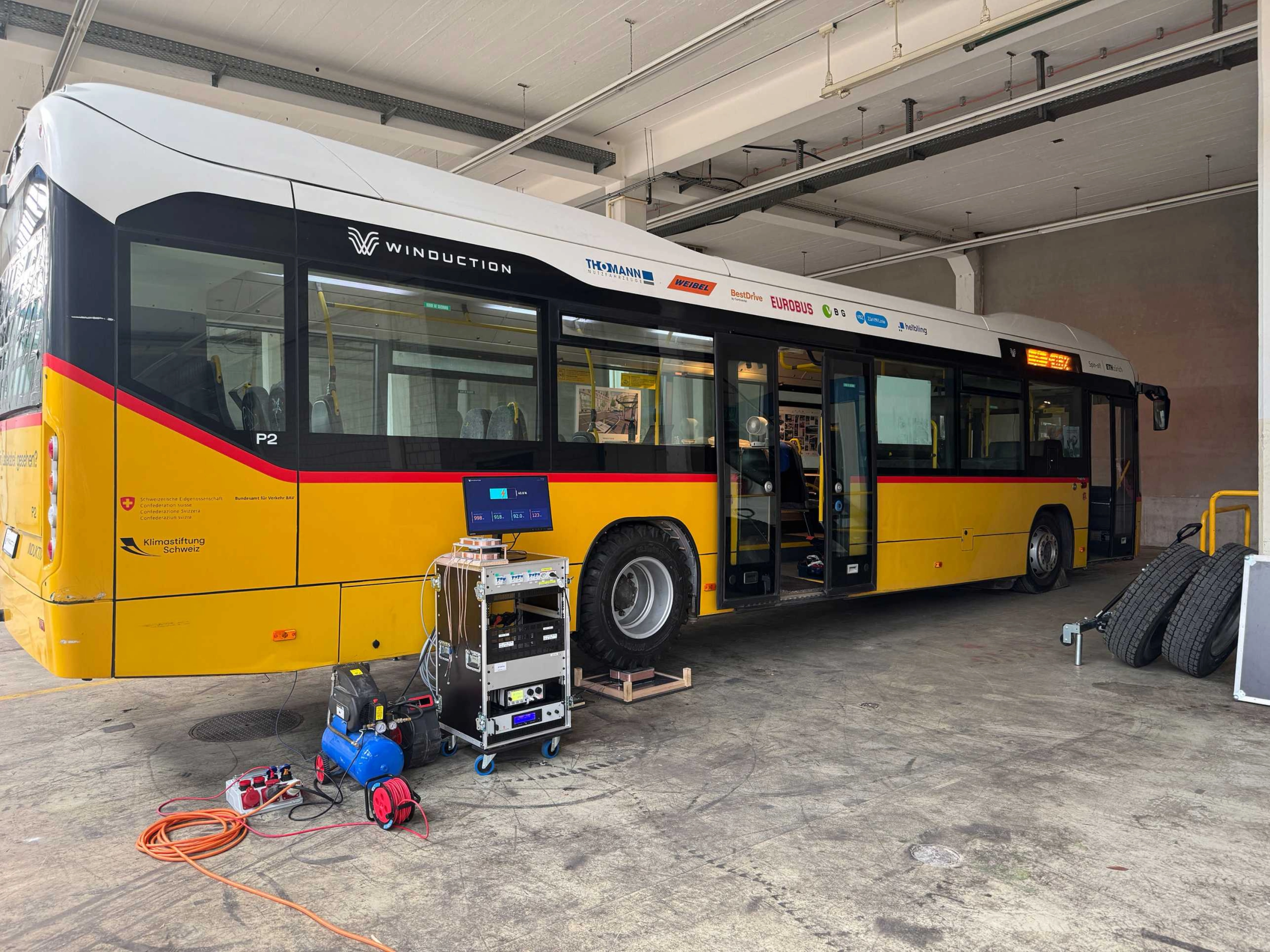
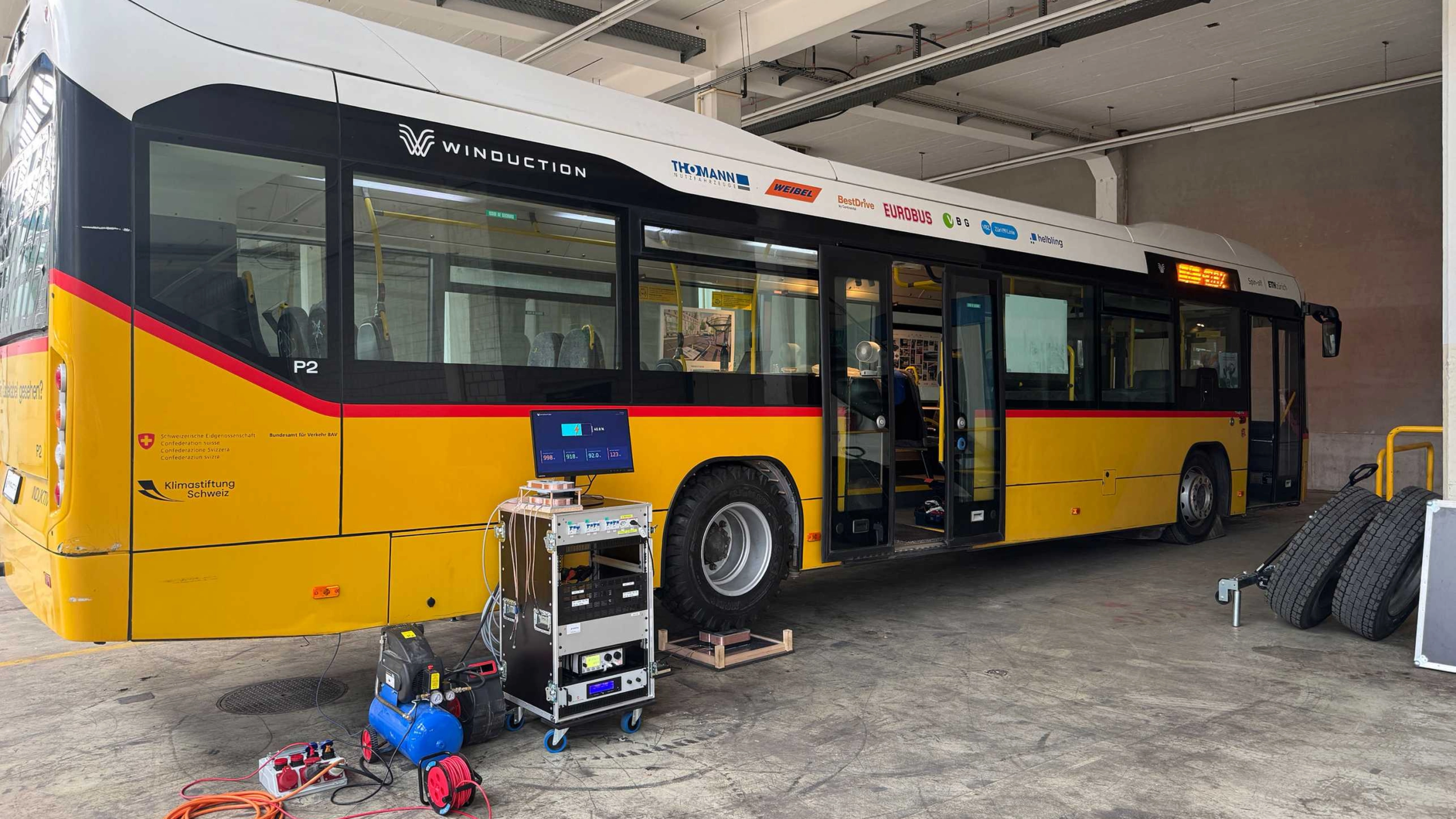
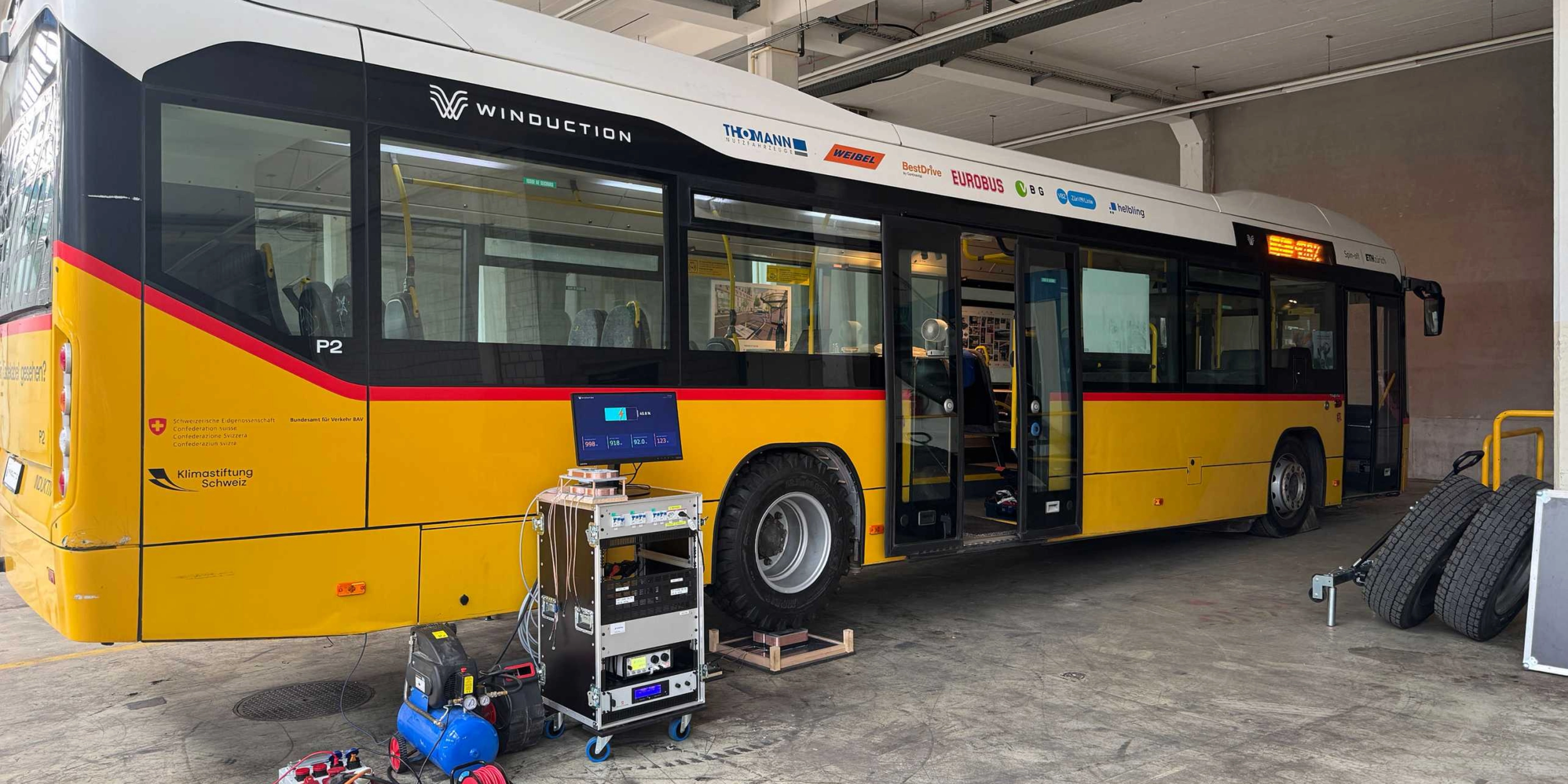
Swiss ETH spin-off Winduction has developed an inductive charging system designed to supply electric buses with electricity wirelessly during short stops. Unlike conventional inductive charging systems, the technology transfers energy through specially designed tires and charging plates embedded in the road surface.
Swiss ETH spin-off Winduction has developed an inductive charging system designed to supply electric buses with electricity wirelessly during short stops. Unlike conventional inductive charging systems, the technology transfers energy through specially designed tires and charging plates embedded in the road surface.
The system uses induction coils integrated into a charging plate installed in the road surface. A second set of coils is embedded in specially developed tires. When a bus stops with an appropriately equipped wheel positioned on the charging plate, energy is transferred through a magnetic field and then directed to the vehicle's battery.
The short distance between the coils is designed to minimize energy losses. According to the company, the system is expected to achieve an energy transfer efficiency of more than 90% between the ground plate and the vehicle.
Steel-Free Tires for Energy Transfer
To enable this technology, Winduction is working with partners to develop a special steel-free tire. The tire is designed to facilitate magnetic energy transfer while meeting the requirements of regular bus operations.
Although the specially developed tires are likely to have higher upfront costs, the company expects these additional expenses to be relatively small compared with the overall cost of an electrified bus route.
Smaller Batteries Could Reduce Operating Costs
One of the technology's main objectives is to reduce the battery capacity required for electric city buses. Instead of relying exclusively on overnight depot charging, the vehicles would repeatedly recharge during their regular stops.
According to Winduction's calculations, this could reduce both battery weight and vehicle purchase costs. At the same time, the lower vehicle weight could decrease energy consumption and create additional passenger capacity.
As a potential application, the company is studying the bus route between Zurich Airport and Zurich Oerlikon. Preliminary calculations suggest that just two stops equipped with charging plates would be sufficient along a route with a total of 24 stops. Over a 16-hour operating day, buses could accumulate approximately three hours of charging time at these locations.
Test Infrastructure Under Development in Winterthur
The technology has already been demonstrated on an initial electric bus prototype. To support further development, Winduction is currently building a testing facility in Winterthur, Switzerland, including a research laboratory and a dedicated test bus stop.
The next step will be to integrate the individual system components into a configuration closer to industrial production standards. The goal is to develop a fully retrofitted electric bus that can also operate outside the company's own test facility.
Winduction is planning its first pilot operation under real-world conditions in 2028. The company is currently in discussions with several Swiss public transport operators, with the area surrounding Zurich Airport considered a potential deployment location.
The pilot operation is also expected to carry passengers for the first time. Energy transfer will take place automatically during regular stops, without requiring any additional action from bus drivers.