
.svg)
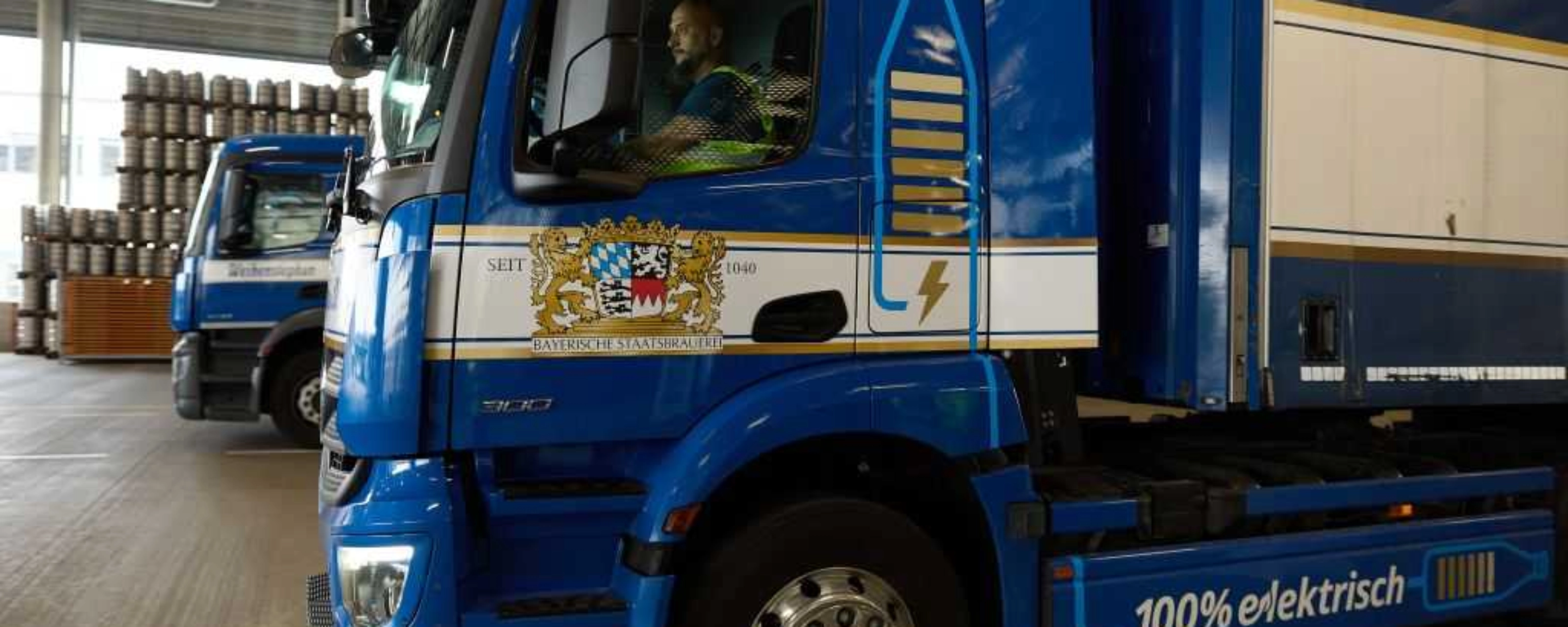
Weihenstephan and Delta Charge open battery-backed charging center for electric trucks
Image: (c) Delta Charge
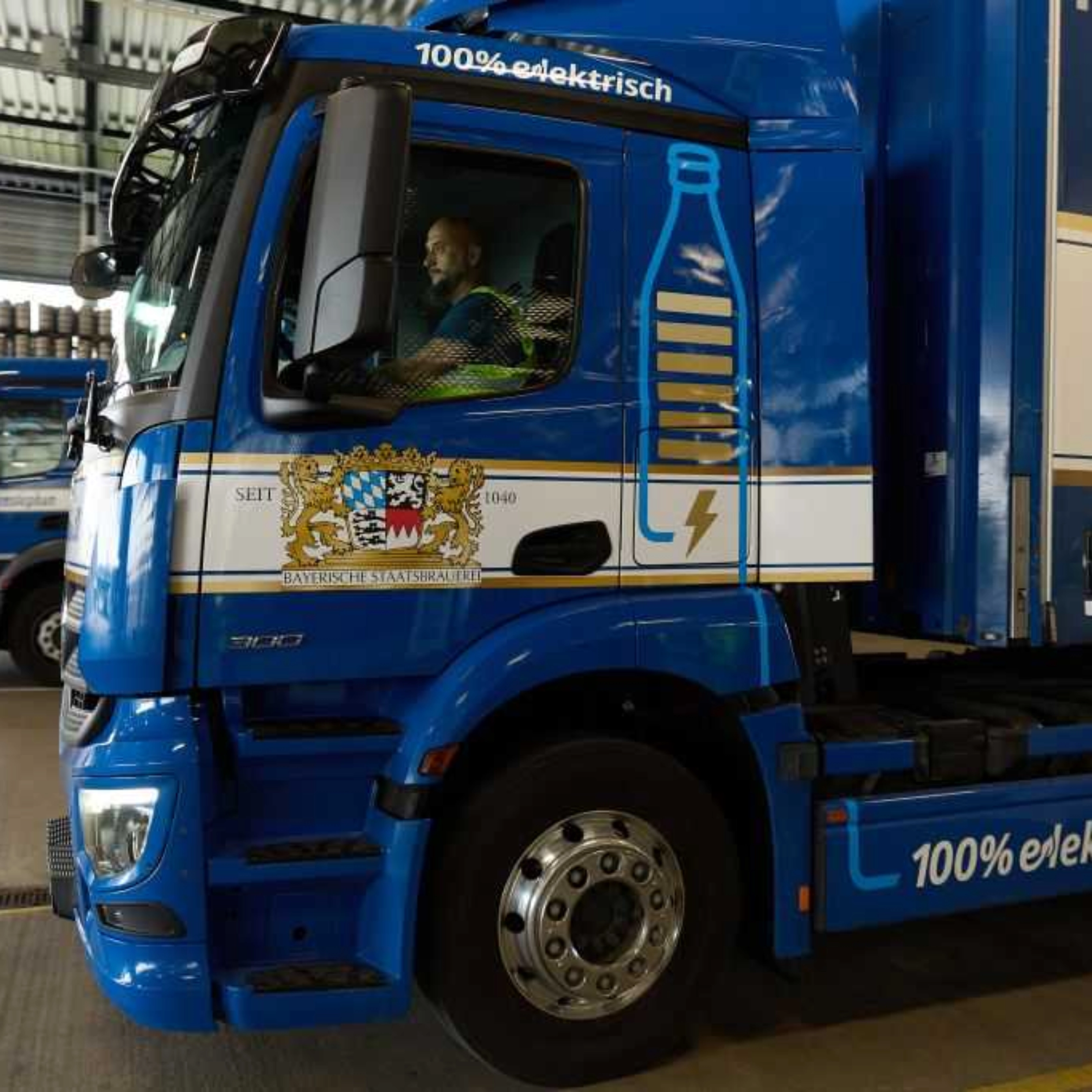
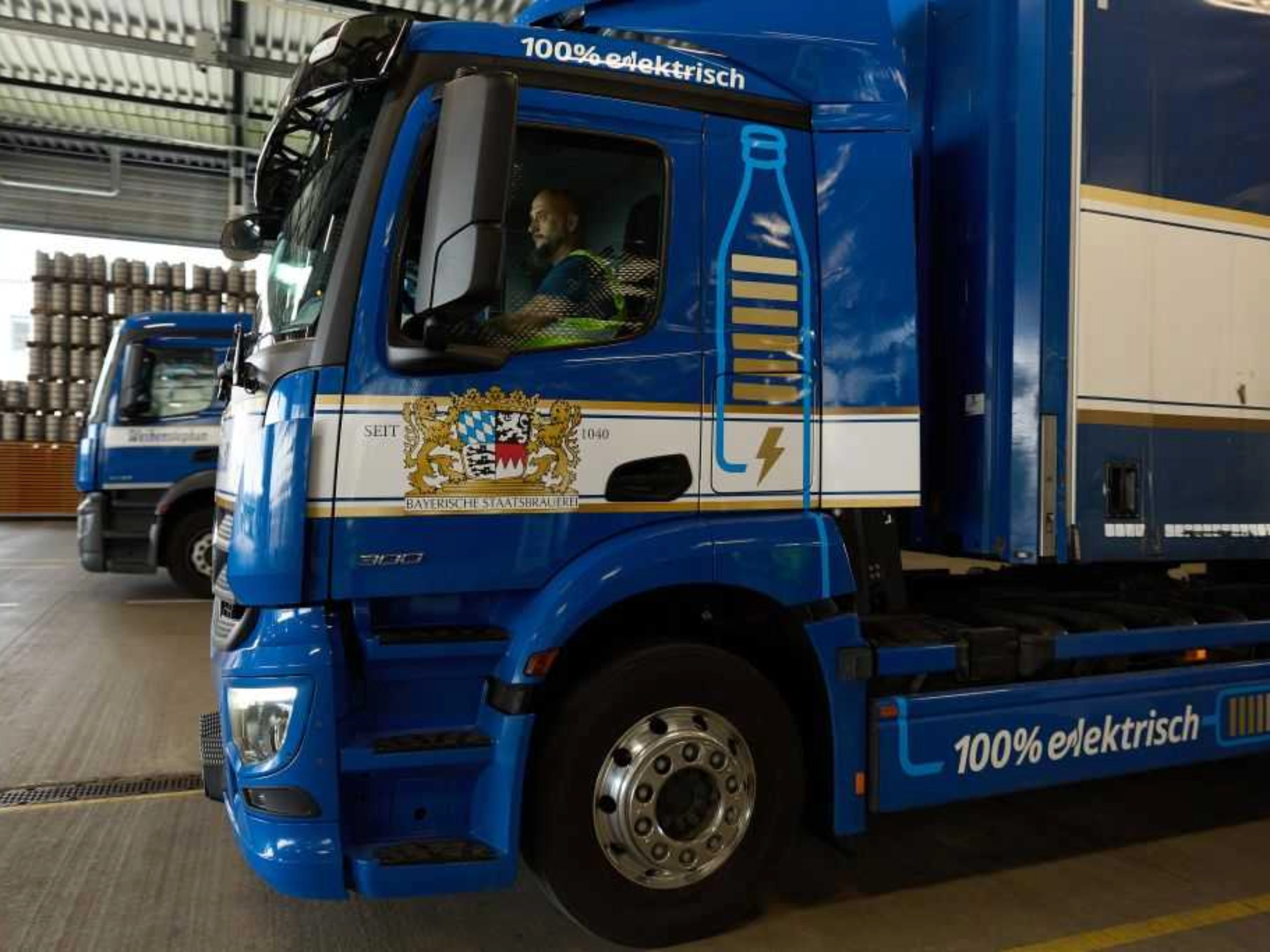
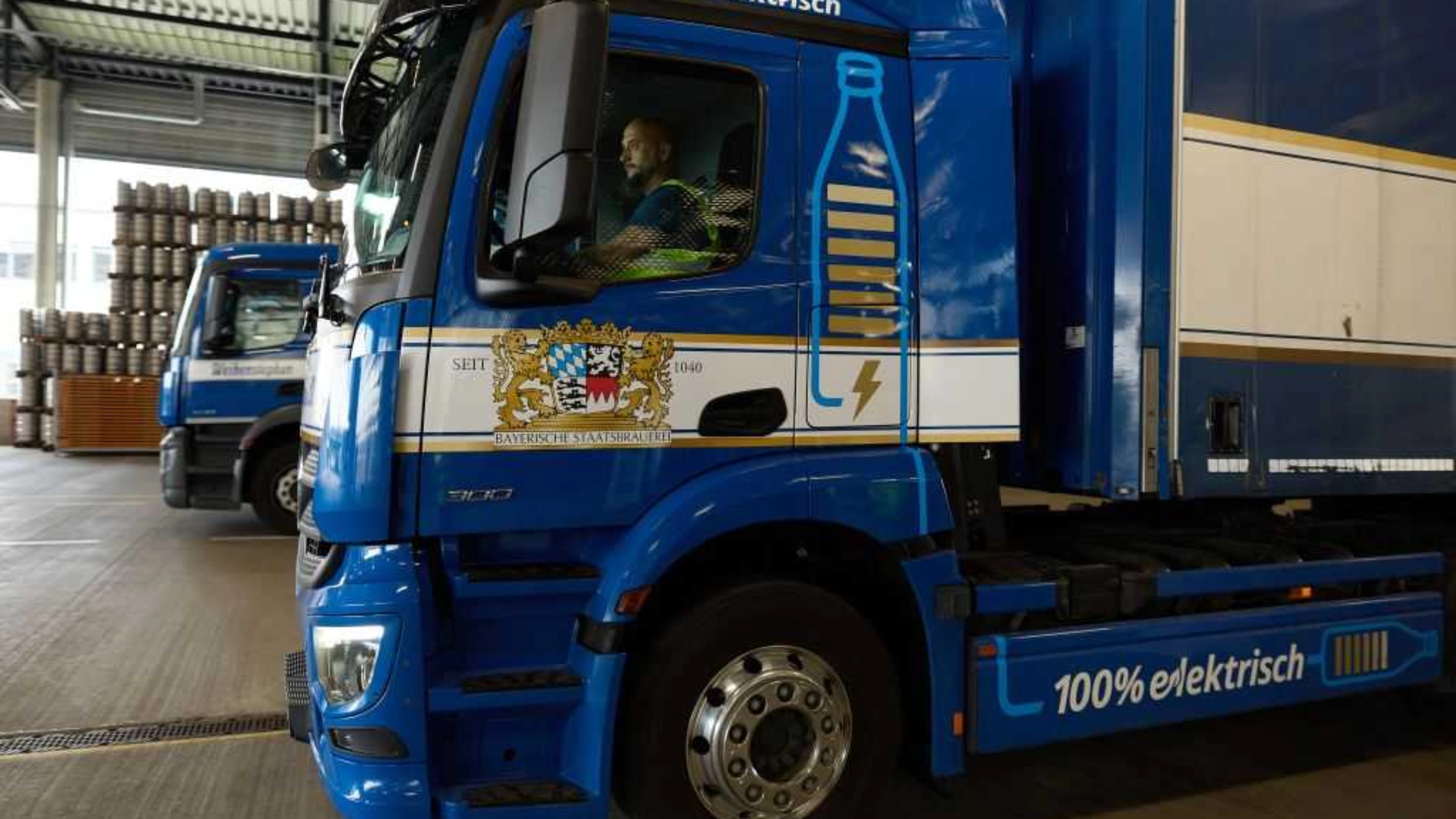
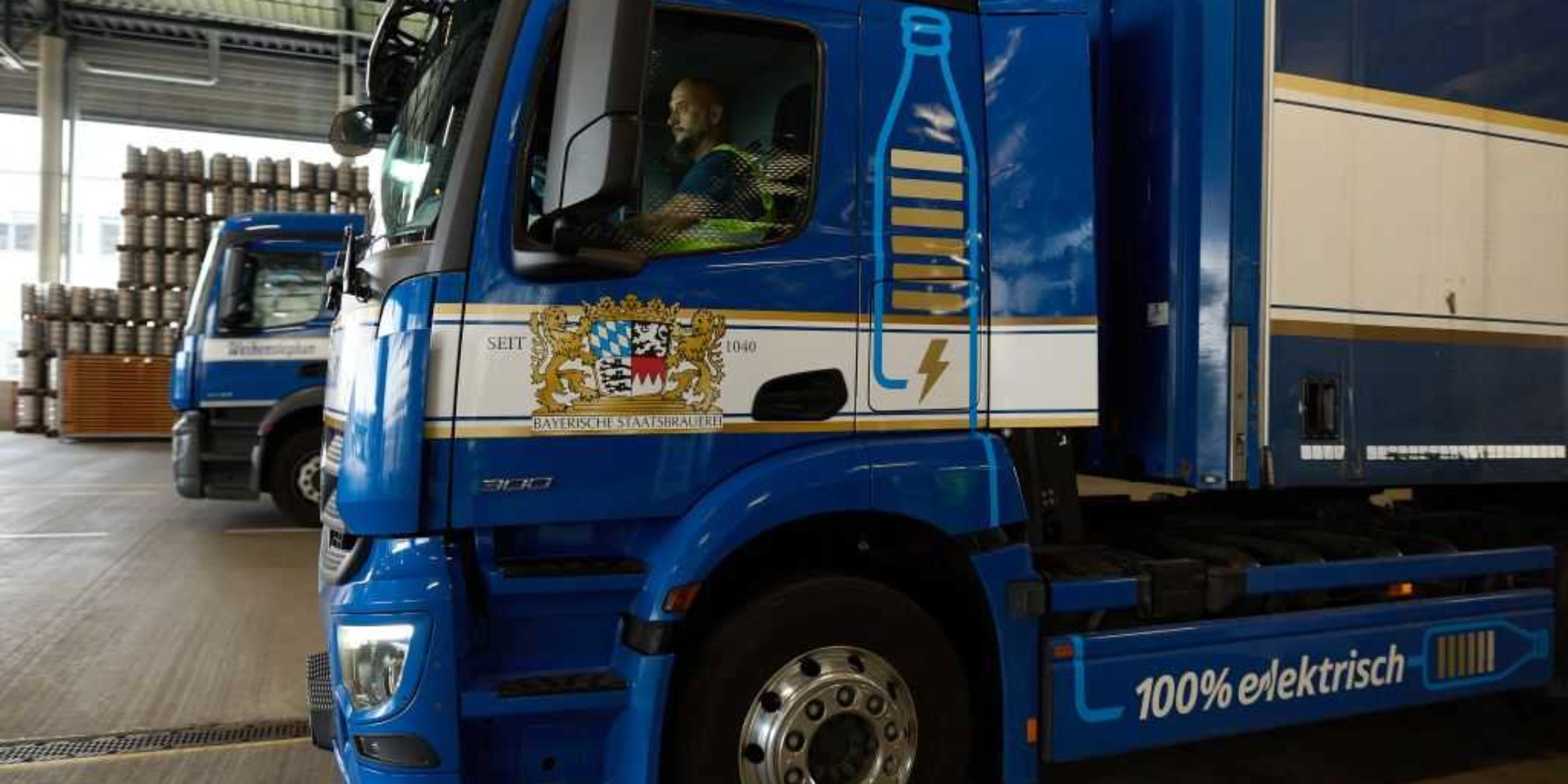
The Bavarian State Brewery Weihenstephan and charging infrastructure specialist Delta Charge have commissioned a new electrified charging and energy depot for heavy-duty commercial vehicles at the Freising location. The project combines fast-charging infrastructure, battery storage, and photovoltaics into an integrated energy system designed to accelerate the electrification of the brewery’s logistics fleet.
The Bavarian State Brewery Weihenstephan and charging infrastructure specialist Delta Charge have commissioned a new electrified charging and energy depot for heavy-duty commercial vehicles at the Freising location. The project combines fast-charging infrastructure, battery storage, and photovoltaics into an integrated energy system designed to accelerate the electrification of the brewery’s logistics fleet.
According to the project partners, this makes Weihenstephan one of the first major German breweries to deploy a battery-backed fast-charging hub for electric trucks. The system was specifically engineered to meet the demands of a growing commercial electric vehicle fleet while simultaneously lowering energy costs and increasing independence from the power grid.
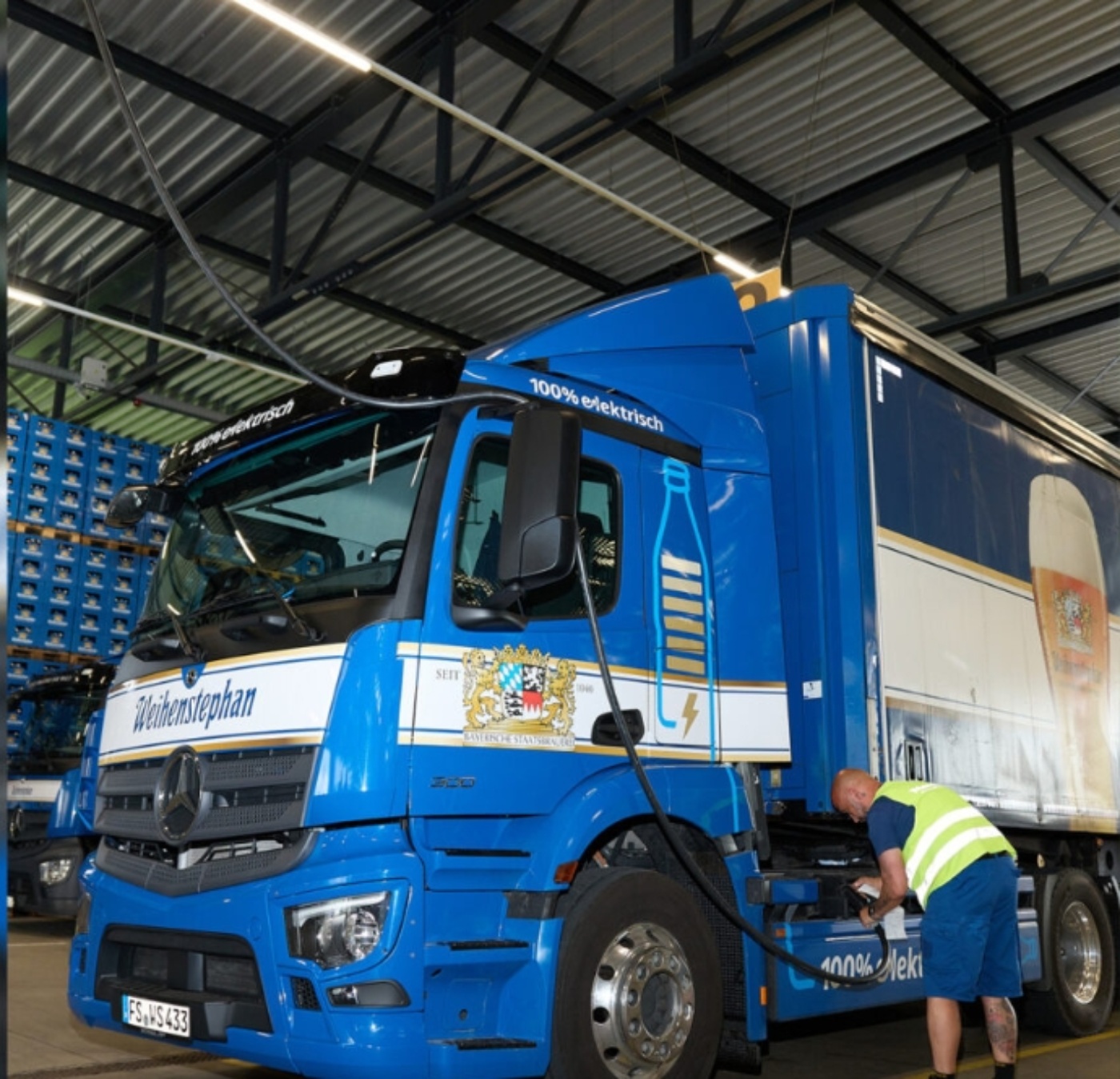
The core of the new logistics center consists of two ceiling-mounted fast-charging stations, each delivering 150 kW of charging power. They are supplied by a modular battery energy storage system (BESS) that initially features an output of 125 kW and a storage capacity of 257 kWh. As the electric truck fleet expands, the system can be scaled up to 375 kW of output and 771 kWh of storage capacity. Additionally, the site’s existing 380 kWp photovoltaic system has been integrated into the energy network.
Operations are managed by an AI-based energy management system from Delta Charge. It continuously optimizes the interplay between solar power generation, battery storage, and charging processes to reduce grid strain and minimize electricity costs. According to the companies, this ensures the economically viable operation of electric trucks, offering cost advantages over comparable diesel vehicles across their entire service life.