







IAA TRANSPORTATION Weekly | 45/2026
Iveco Group, Tata Motors, Last Mile Solutions, Spirit-E
Tata Motors and Iveco Group join forces to create a global commercial vehicle group, Last Mile Solutions adds new features for electric trucks to its charging app, and the SPIRIT-E research project demonstrates how an electric truck can feed up to 350 kW back into the grid – these are our top news stories for week 45 of 2026.
Tata Motors and Iveco Group join forces to create a global commercial vehicle group, Last Mile Solutions adds new features for electric trucks to its charging app, and the SPIRIT-E research project demonstrates how an electric truck can feed up to 350 kW back into the grid – these are our top news stories for week 45 of 2026.
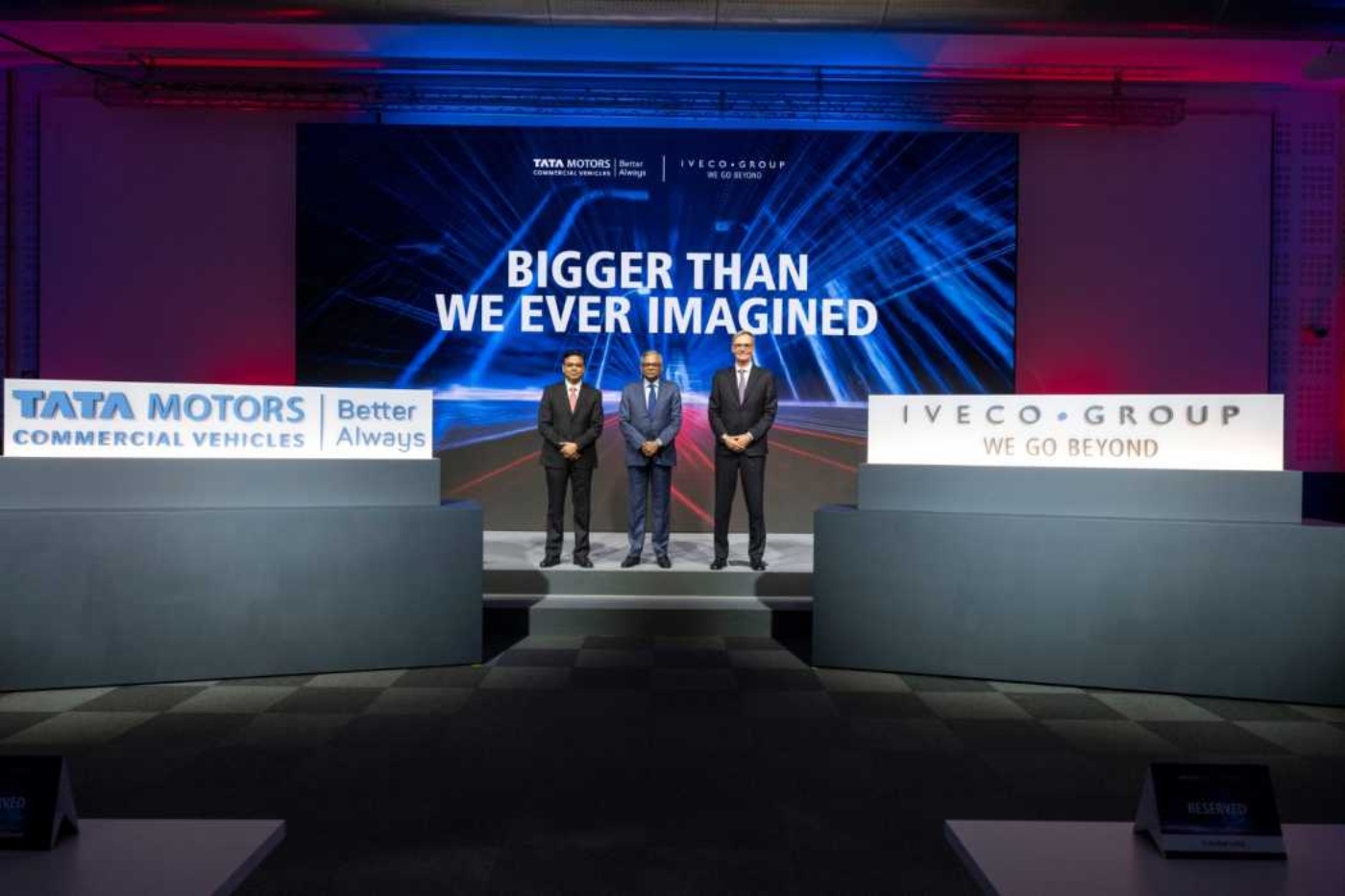
Indian commercial vehicle manufacturer Tata Motors and Italy's Iveco Group have announced their merger to form a global commercial vehicle company. With combined annual revenue of approximately €21 billion, sales of around 590,000 vehicles, and a presence in more than 130 countries, the merger creates the world's fourth-largest commercial vehicle manufacturer, according to the companies. Both companies aim to combine their development and production capabilities, enter new markets, and accelerate the development of low-emission powertrain technologies.
The merger brings together more than 73,000 employees across six continents, along with 27 manufacturing facilities, 25 research and development centers, and approximately 9,300 sales and service locations. While Tata Motors has a strong presence in India and other growing markets across Asia, the Middle East, and North Africa, Iveco holds established market positions in Europe and Latin America. The combined product portfolio ranges from light commercial vehicles and medium- and heavy-duty trucks to city and intercity buses. It is complemented by FPT powertrain technologies. A key focus of the collaboration is the further development of battery-electric, hydrogen-based, and natural gas-powered commercial vehicles, as well as the joint development of software and connected vehicle features.
Despite the merger, the existing brands, corporate structures, and production facilities are expected to remain in place. Iveco Group will retain its headquarters in Turin, while Tata Motors intends to support the company's existing strategy and planned investments. No immediate changes are planned for customers, dealers, and suppliers. Existing contracts, warranties, and service agreements are expected to continue unchanged. At the same time, both companies plan to expand their collaboration in development, procurement, production, and sales. No specific joint vehicle projects, investment amounts, or anticipated synergies have been announced so far.
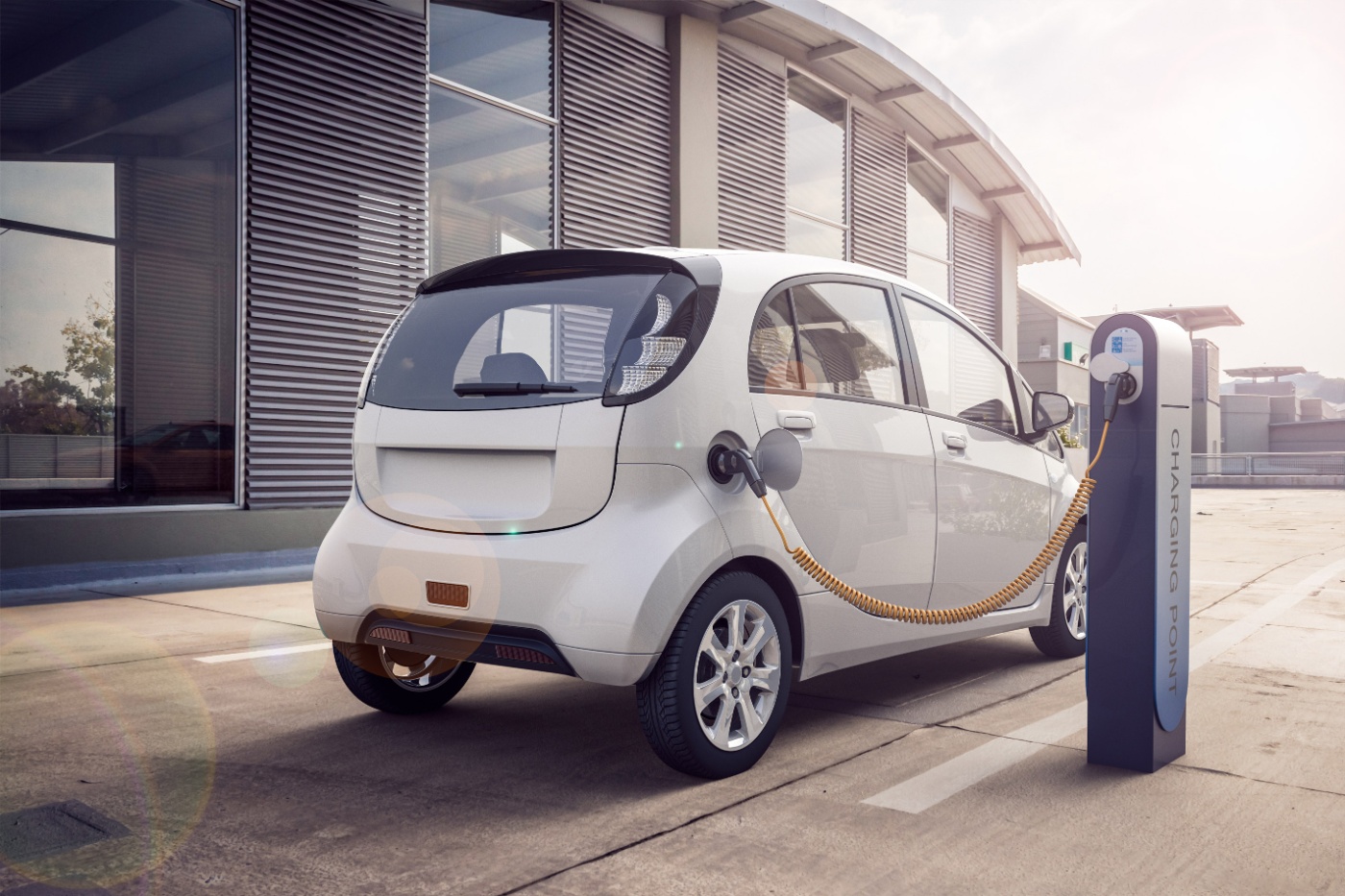
Dutch e-mobility service provider Last Mile Solutions has expanded its charging app with new features for electric trucks. Drivers will now be able to identify charging stations suitable for heavy-duty commercial vehicles before arriving at a location. The app also provides more detailed information on charging costs and new options for billing charging sessions. According to the company, the app provides access to more than 800,000 charging points.
With the update, charging infrastructure operators can explicitly designate their stations as truck-compatible. At the same time, users can view a detailed breakdown of the applicable costs before starting a charging session. These include the energy price per kilowatt-hour, potential session initiation and time-based fees, parking or idle fees, and surcharges based on station utilization. Value-added tax (VAT) and any necessary currency conversions are also taken into account. This is intended to simplify charging cost calculations, particularly for logistics companies operating internationally.
Further updates focus on the administrative management of charging sessions. Invoices and reimbursement documents can now be downloaded directly through the app. The app's QR code recognition capabilities have also been expanded, allowing charging sessions to be initiated by scanning a QR code at a larger number of charging stations. With these new features, Last Mile Solutions aims to simplify the use of public charging infrastructure for electric trucks and provide fleet operators with greater transparency in billing.
After three years of research, the SPIRIT-E project has demonstrated the technical feasibility of bidirectional charging for heavy-duty electric trucks in real-world depot operations. At the Schmid freight company in Regensburg, a battery-electric MAN eTGX fed electricity back through a bidirectional DC charging station developed by Shell Business Recharge Solutions (SBRS), reaching a power output of up to 350 kW. Three vehicle-to-X applications were demonstrated: supplying electricity to other vehicles, using the truck as an energy storage system for the company's premises, and feeding electricity into the public power grid.
The real-world demonstration used a MAN eTGX with a usable battery capacity of 480 kWh. The charging infrastructure developed by SBRS enables both charging and the controlled feeding back of electricity. The applications included Vehicle-to-Vehicle (V2V), Vehicle-to-Site (V2S), and Vehicle-to-Grid (V2G). The DC charging systems are designed for power levels of up to 440 kW and, according to the manufacturer, can reach up to 880 kW when connected together. Communication between the vehicle and charging infrastructure uses the international ISO 15118-20 standard.
The technology could be particularly promising for electric trucks used in regional distribution operations, with regular depot downtime and annual mileage of less than 100,000 kilometers. These vehicles could temporarily store surplus solar power and make it available again when needed. Challenges remain regarding grid connection capacity, standardization, and economically viable business models. Funded by the German Federal Ministry for Economic Affairs and Energy, the project ran from August 2023 to October 2026 and was led by the Technical University of Munich in collaboration with partners including MAN Truck & Bus, Fraunhofer IEE, TenneT, and SBRS.