.svg)

IAA TRANSPORTATION Weekly | 40/2026
IVECO BUS, JSW Group, QUANTRON
IVECO BUS enters the electric compact minibus market with eFLEXY, JSW Group enters the electric bus and truck market with AMPSTAR, and QUANTRON plans 2,000 zero-emission trucks for Shaoxing by 2030 – these are our top news stories in week 40 of 2026.
IVECO BUS enters the electric compact minibus market with eFLEXY, JSW Group enters the electric bus and truck market with AMPSTAR, and QUANTRON plans 2,000 zero-emission trucks for Shaoxing by 2030 – these are our top news stories in week 40 of 2026.
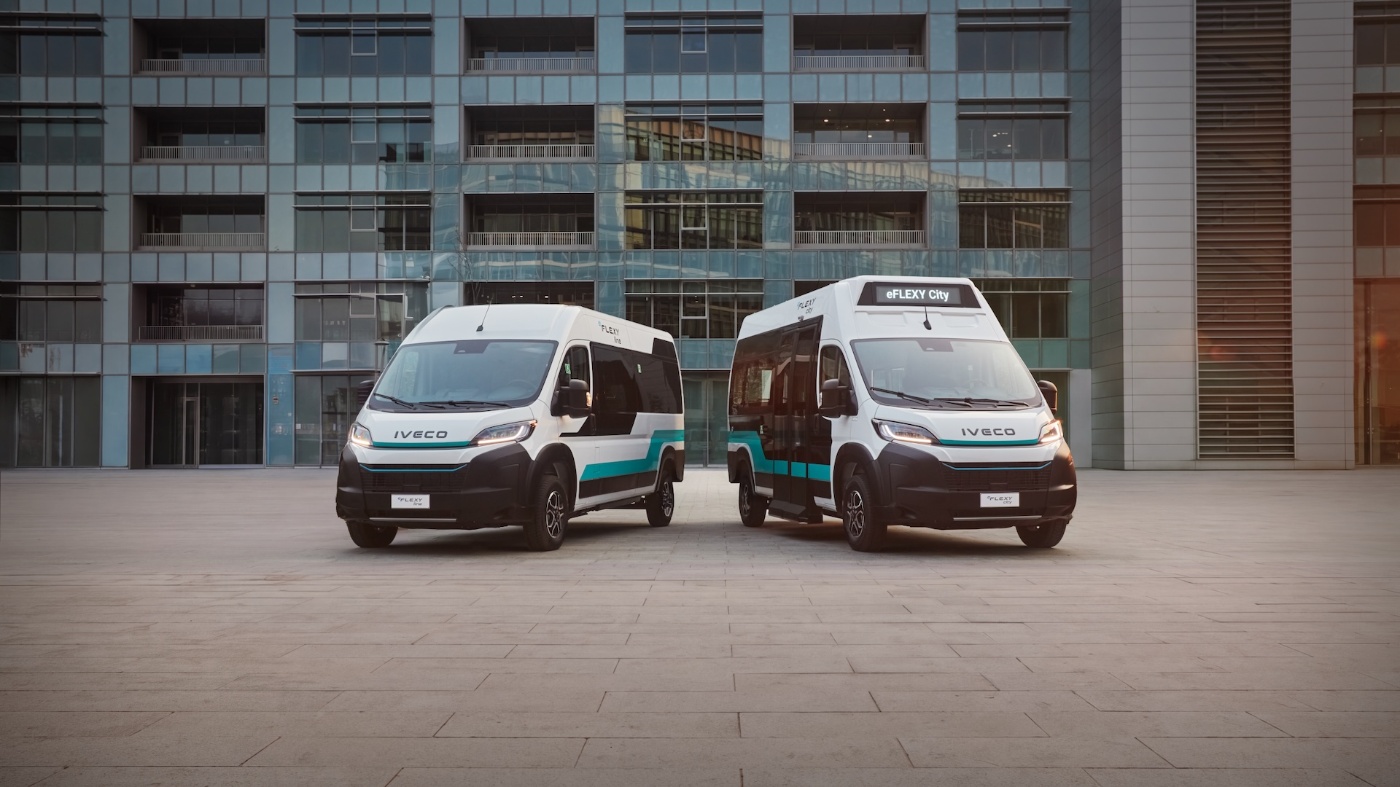
IVECO BUS is expanding its electric portfolio with the new eFLEXY minibus range. The approximately six-meter-long vehicles will be offered as the eFLEXY City for urban transport and the eFLEXY Line for regular-route, shuttle, and intercity services. Both variants feature a 205 kW electric motor and a 110 kWh battery and are expected to offer a range of more than 300 kilometers.
Charging is possible at up to 22 kW AC or 150 kW DC. At a fast-charging station, the battery is expected to charge to as much as 80 percent in less than an hour. Three driving modes and four levels of regenerative braking allow the vehicles to be adapted to different operating profiles. The eFLEXY Line can accommodate up to 13 passengers and features, among other things, a flat vehicle floor and a hydraulic lift for wheelchair users.
For fleet and charging management, IVECO BUS integrates the vehicles into its digital services. IVECO ON allows operators to monitor the state of charge, range, and battery status, as well as schedule charging sessions. The first eFLEXY City and eFLEXY Line vehicles are expected to be delivered in the first quarter of 2027.
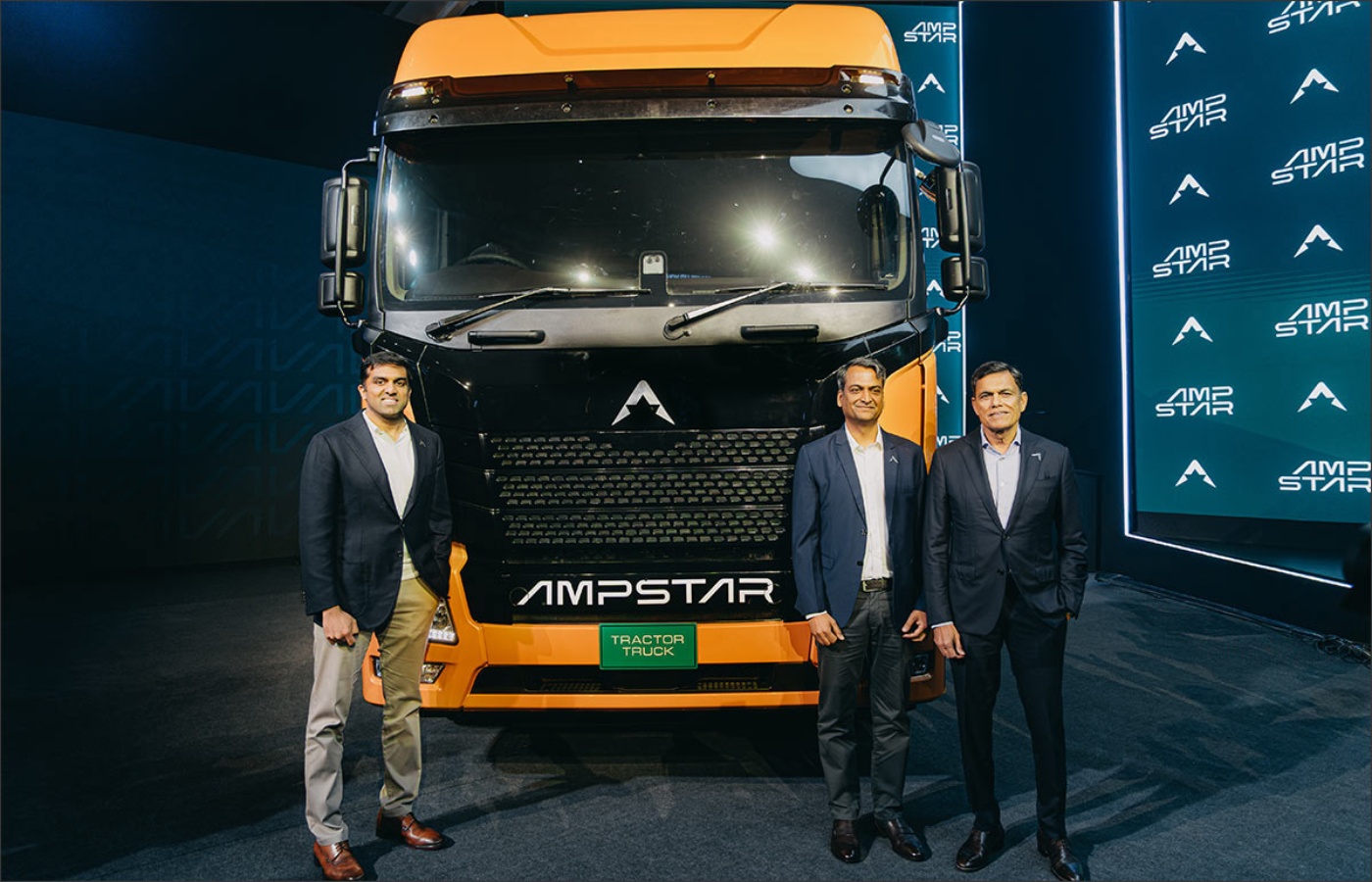
India’s JSW Group is entering the electric commercial vehicle market with its new AMPSTAR brand. Its subsidiary JSW Greentech Limited plans to offer battery-electric buses ranging from seven to 18 meters in length, as well as various electric trucks. The first model will be a 55-metric-ton tractor, with additional models such as tippers and vehicles with fixed bodies set to follow. Depending on the application, power outputs ranging from 150 to 500 kW are planned.
The vehicles will be produced at a new plant in Chhatrapati Sambhajinagar in the Indian state of Maharashtra. The approximately 36-hectare facility is expected to reach an annual production capacity of 15,000 electric buses and trucks. According to JSW, the company develops key elements of powertrain control, software, and algorithms in-house and is adapting the vehicles to India’s climatic conditions with features including a dual battery cooling system.
In addition to the vehicles, AMPSTAR plans to offer a comprehensive ecosystem covering charging infrastructure, financing, operating solutions, and after-sales services. In addition to conventional purchases, leasing and Battery-as-a-Service (BaaS) are planned. JSW has not yet published specific figures for battery capacities, ranges, or charging power for the individual models.
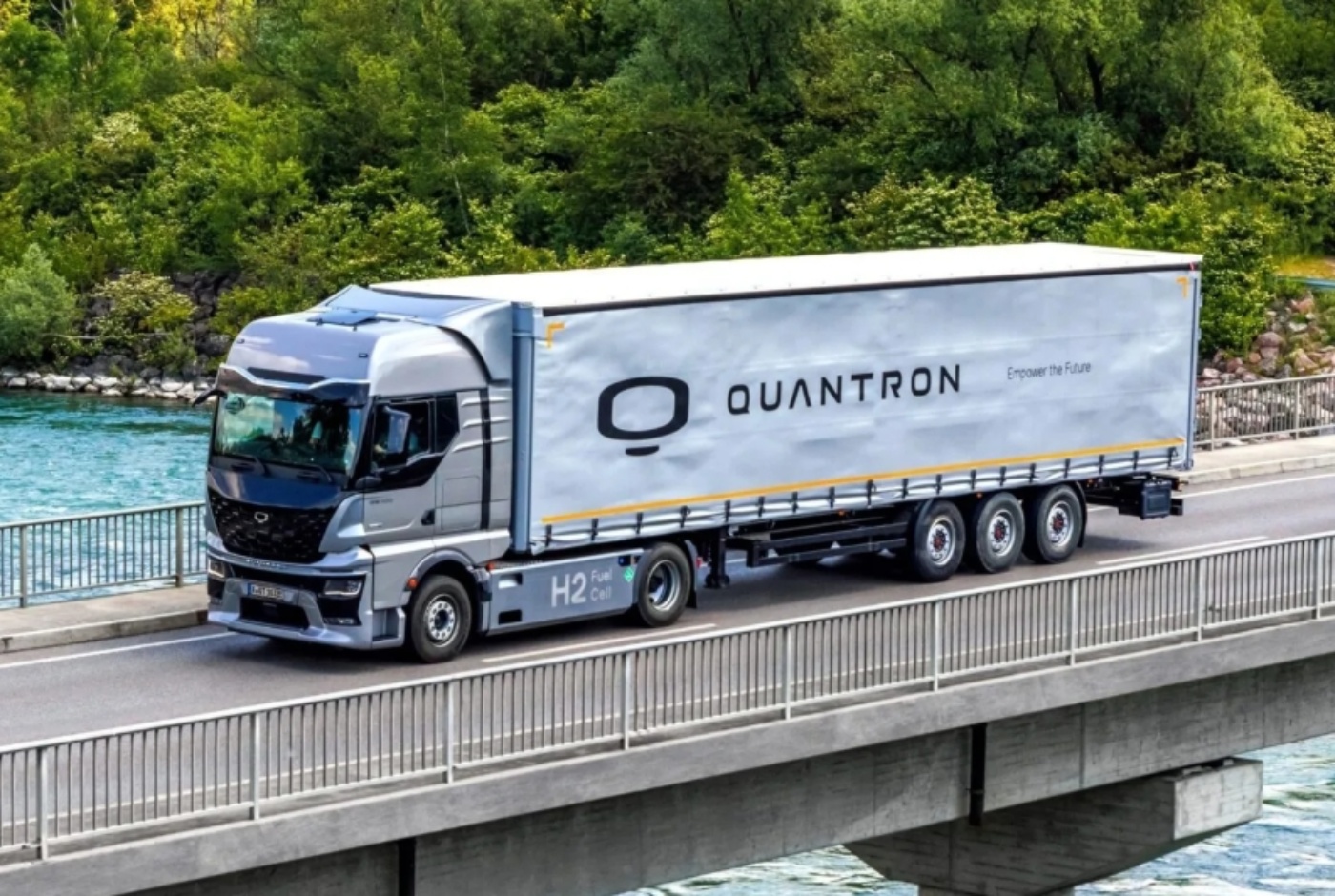
QUANTRON aims to expand the use of zero-emission heavy-duty trucks in China together with HyperView and the Riyue Group. A new strategic framework agreement provides for the planned purchase of 2,000 battery-electric and hydrogen-powered trucks for the Shaoxing region by 2030. In the future, the vehicles are also expected to be equipped with autonomous driving functions.
HyperView will contribute its technology for intelligent driving and driver assistance systems. According to the company, its systems are already in series production in more than 30 vehicle models, with more than one million units produced. Through the recently established QUANTRON China joint venture, the technology is to be integrated into the joint commercial vehicle platform and scaled internationally. Autonomous functions are expected to be expanded gradually, depending on technological maturity and regulatory approvals.
At the same time, the Riyue Group is expected to establish photovoltaic-based energy and charging infrastructure in Shaoxing to support the fleets’ energy supply. The partnership therefore combines zero-emission commercial vehicles, automated driving, and local energy infrastructure in a shared platform for heavy-duty transport.