
.svg)







IAA TRANSPORTATION Weekly | 29/2026
Renault, Volvo CE, CATL
Renault upgrades the Renault Master with a new battery and additional conversion options, Volvo CE deploys the first electric articulated haulers in series production for a Norwegian hydropower project, and CATL introduces an 8C fast-charging battery for light electric commercial vehicles—these are our top news stories for week 29 of 2026.
Renault upgrades the Renault Master with a new battery and additional conversion options, Volvo CE deploys the first electric articulated haulers in series production for a Norwegian hydropower project, and CATL introduces an 8C fast-charging battery for light electric commercial vehicles—these are our top news stories for week 29 of 2026.
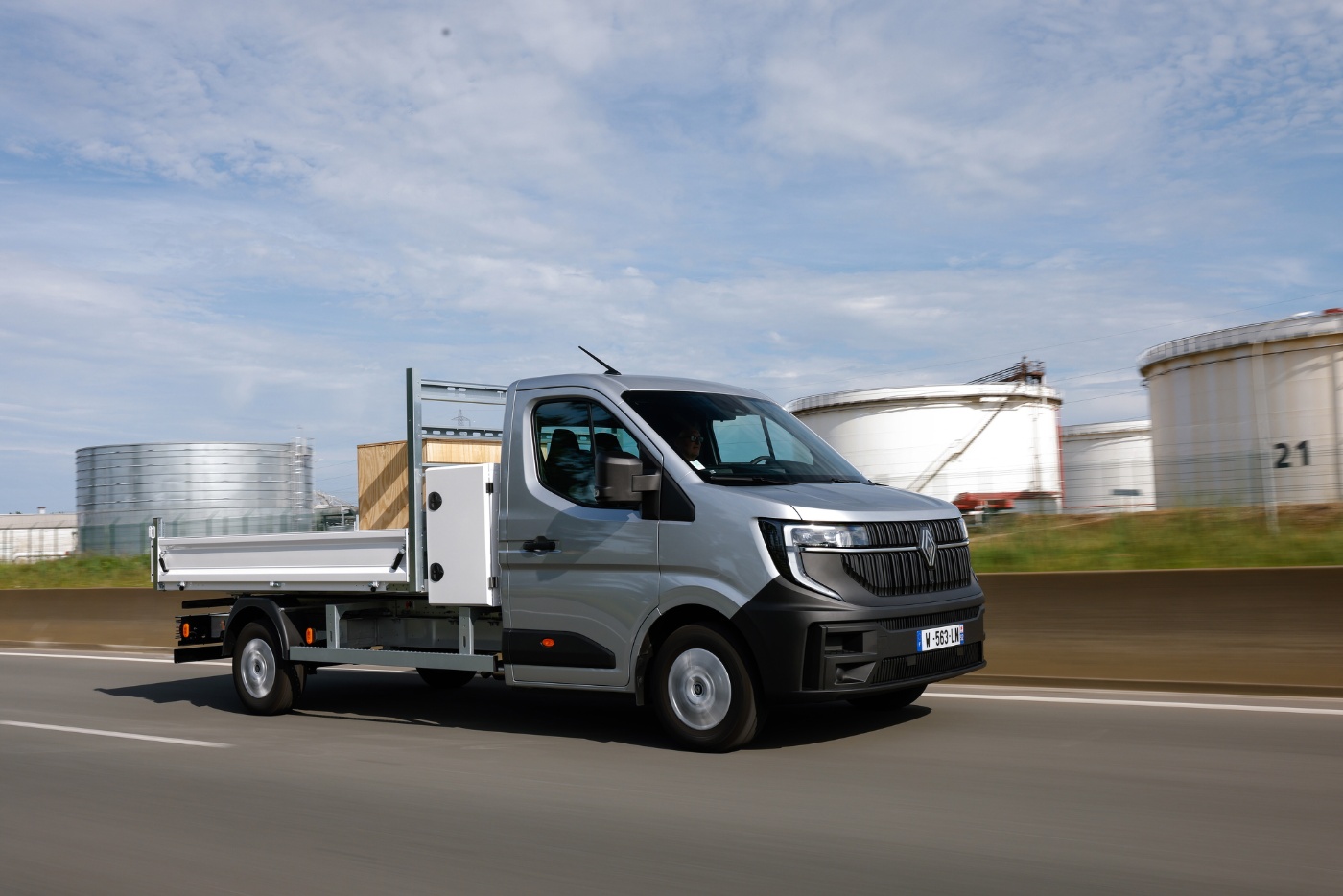
Renault has extensively redesigned the Master, expanding the lineup with enhanced comfort, new safety features, and improvements to its electric variants. Upgrades include a redesigned center console, keyless entry, an in-cabin camera for driver monitoring, an optional electronic parking brake, and adaptive cruise control.
The all-electric Master E-Tech receives an optimized 87 kWh battery featuring improved thermal management and higher charging capacity. Bidirectional charging (V2G) is supported, and a 220-volt outlet providing up to 3,500 watts of power is available for electric tools. Also new is a 40 kWh chassis cab version designed specifically for municipal and urban operations.
In addition, Renault is increasing the use of recycled materials in the interior and expanding its range of factory conversions under the "Converted by Renault" label to include new platform, tipper, and high-volume variants. A bus version is set to follow at a later date.
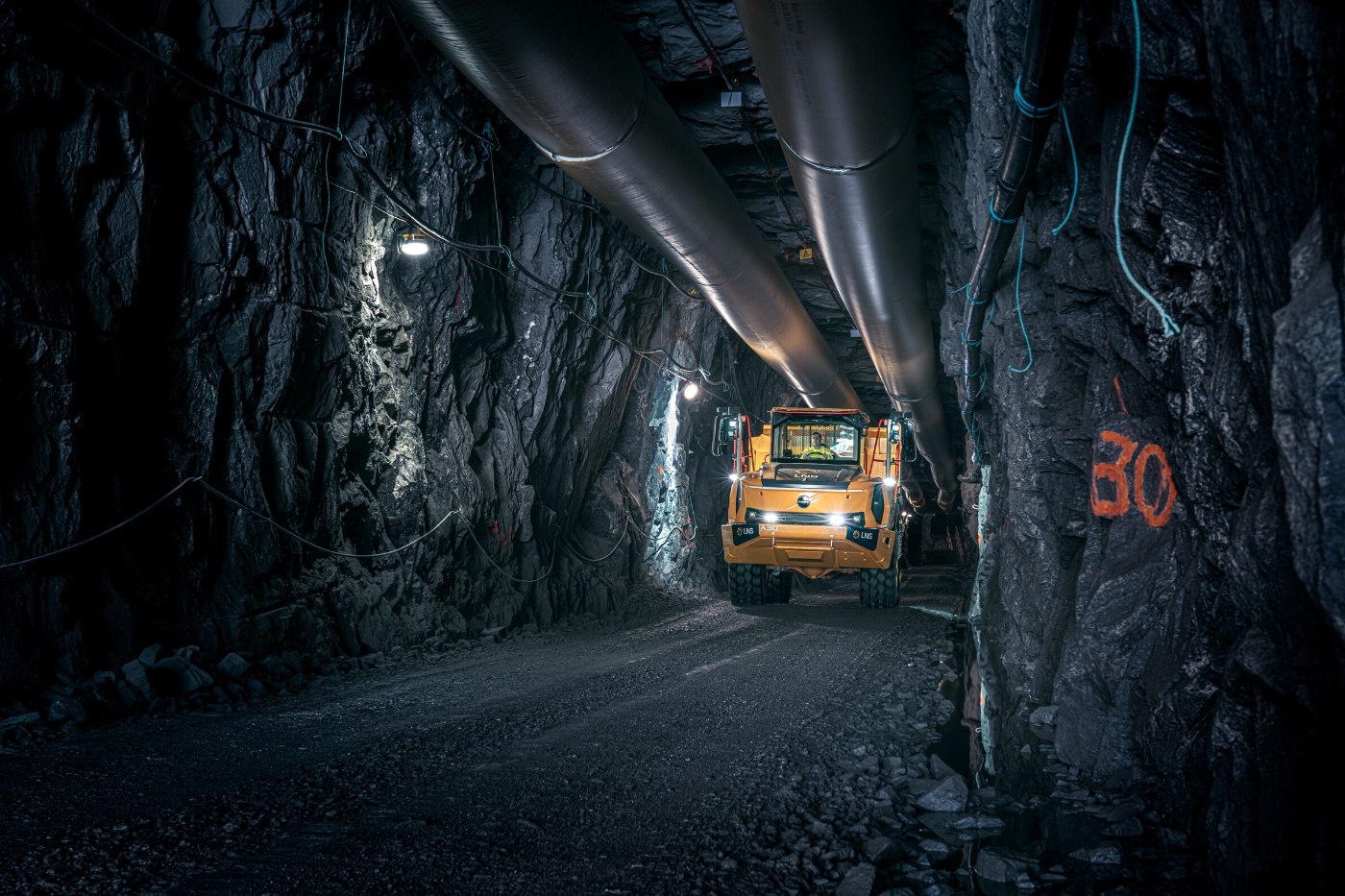
Volvo Construction Equipment (Volvo CE) has delivered the world’s first series-produced, 30-ton electric articulated haulers to the Norwegian construction company LNS. The battery-electric Volvo A30 Electric haulers will be used in the construction of the Hemsil 3 hydropower plant to help reduce emissions during the construction phase.
Four vehicles are initially being deployed, with three more to follow. The zero-emission articulated haulers will primarily be used in tunneling operations spanning roughly 20 kilometers (12.4 miles), where their exhaust-free operation and the ability to recharge during blasting breaks offer key advantages. The project, which runs until 2029, aims to increase the hydropower plant's annual electricity generation by around 110 GWh and is seen as a major milestone toward electrifying the construction industry.
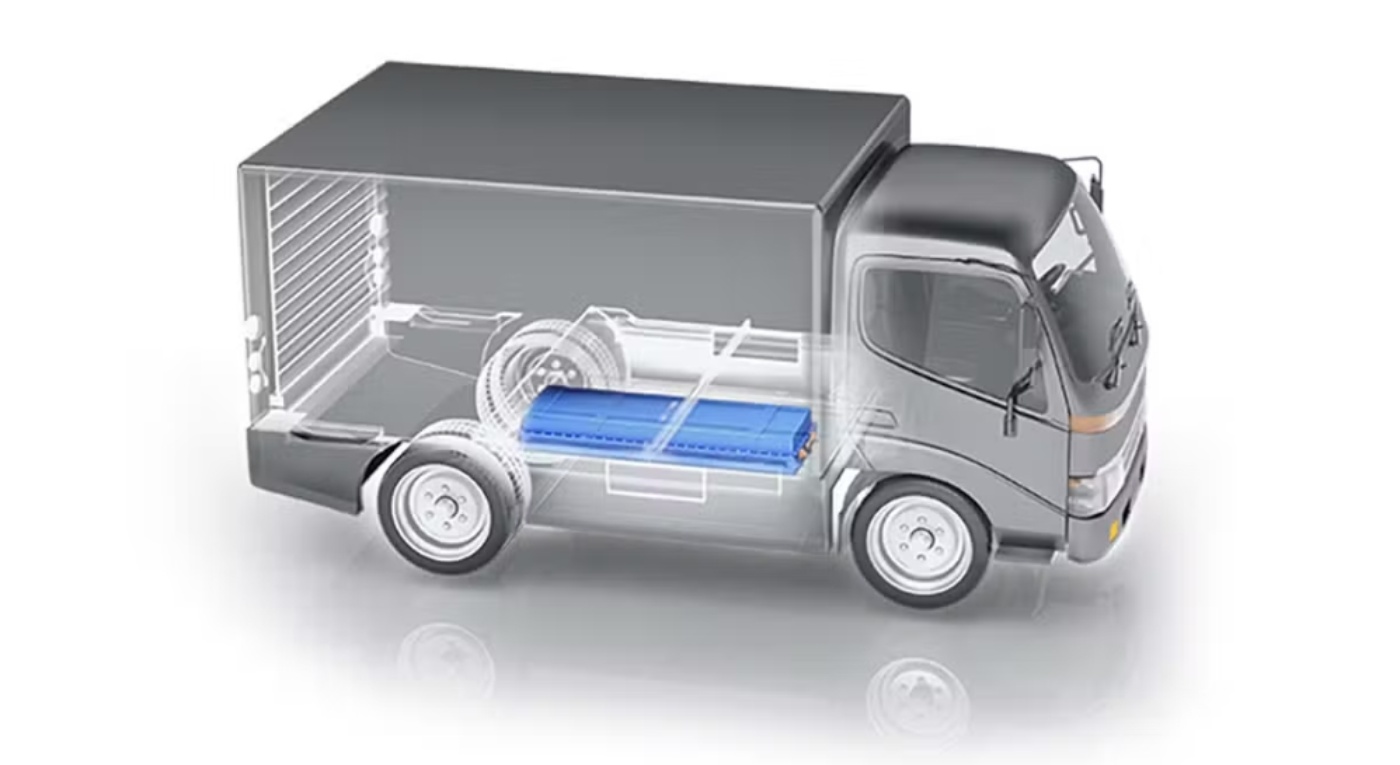
CATL has unveiled the Tectrans II (Tianxing II), a new high-performance battery for light electric commercial vehicles. The battery achieves a peak charging rate of 8C, allowing it to charge from 20% to 80% in 6 minutes and 48 seconds, and reach a full charge in under nine minutes, according to the manufacturer. This is designed to appeal particularly to logistics companies with strict vehicle availability requirements.
The Tectrans II is engineered for a lifespan of up to one million kilometers (approx. 621,000 miles) or ten years. A 50% reduction in internal resistance combined with optimized graphite structures helps minimize heat generation and cell aging. According to CATL, even at temperatures as low as minus 20 degrees Celsius (-4°F), the charging process is only extended by about two and a half minutes.