.svg)







IAA TRANSPORTATION Weekly | 27/2026
MAN, Finnland, U-Shift II
MAN achieves 3,000 amps in megawatt charging for the first time in the NEFTON project, Finland deploys a fully autonomous robot bus in public transit for the first time, and researchers from several institutions in Baden-Württemberg have further developed U-Shift II in Germany—a modular vehicle concept for autonomous mobility. These are the top stories for week 27 of 2026.
MAN achieves 3,000 amps in megawatt charging for the first time in the NEFTON project, Finland deploys a fully autonomous robot bus in public transit for the first time, and researchers from several institutions in Baden-Württemberg have further developed U-Shift II in Germany—a modular vehicle concept for autonomous mobility. These are the top stories for week 27 of 2026.
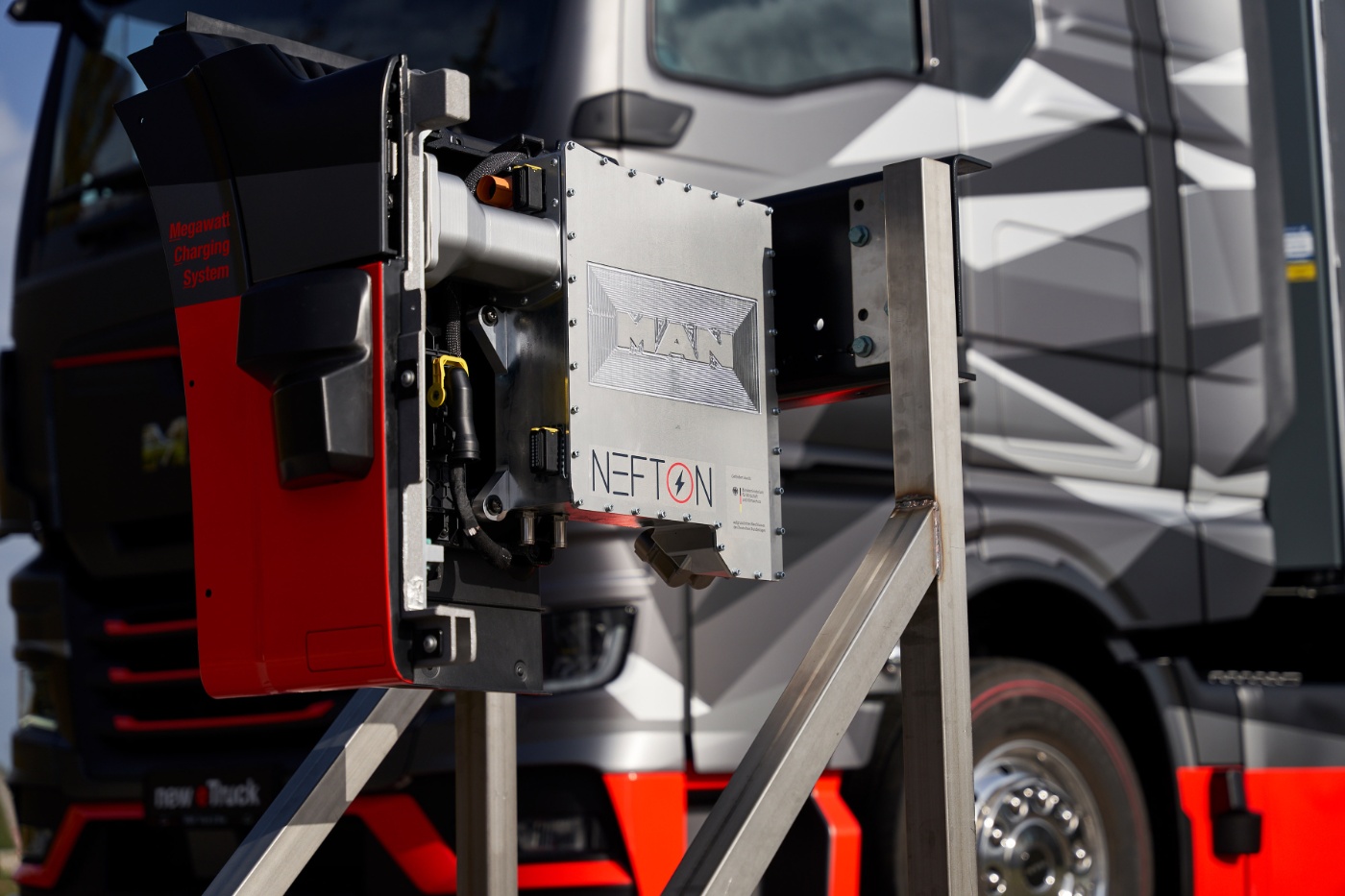
Commercial vehicle manufacturer MAN Truck & Bus has reached a major milestone in megawatt charging as part of the NEFTON 3000 research project. Together with its project partners, the company successfully established a stable, high-current charging path of 3,000 amps for the first time through the interaction between the vehicle and the test bench infrastructure. Tests conducted at the Technical University of Munich and the Fraunhofer ISE examined thermal management, cooling systems, and safety architecture for future high-performance charging systems.
According to MAN, battery-electric trucks could eventually recharge enough energy for a range of around 250 miles (400 kilometers) in just 10 to 15 minutes. To achieve this, the project involved developing liquid-cooled cables, plugs, and switching components designed for charging capacities of up to three megawatts. However, further advancements in battery cells and charging infrastructure are still required before the technology is ready for mass production. In addition to MAN, NEFTON's partners include AVL, the Technical University of Munich, the Fraunhofer ISE, and other research and industry collaborators.
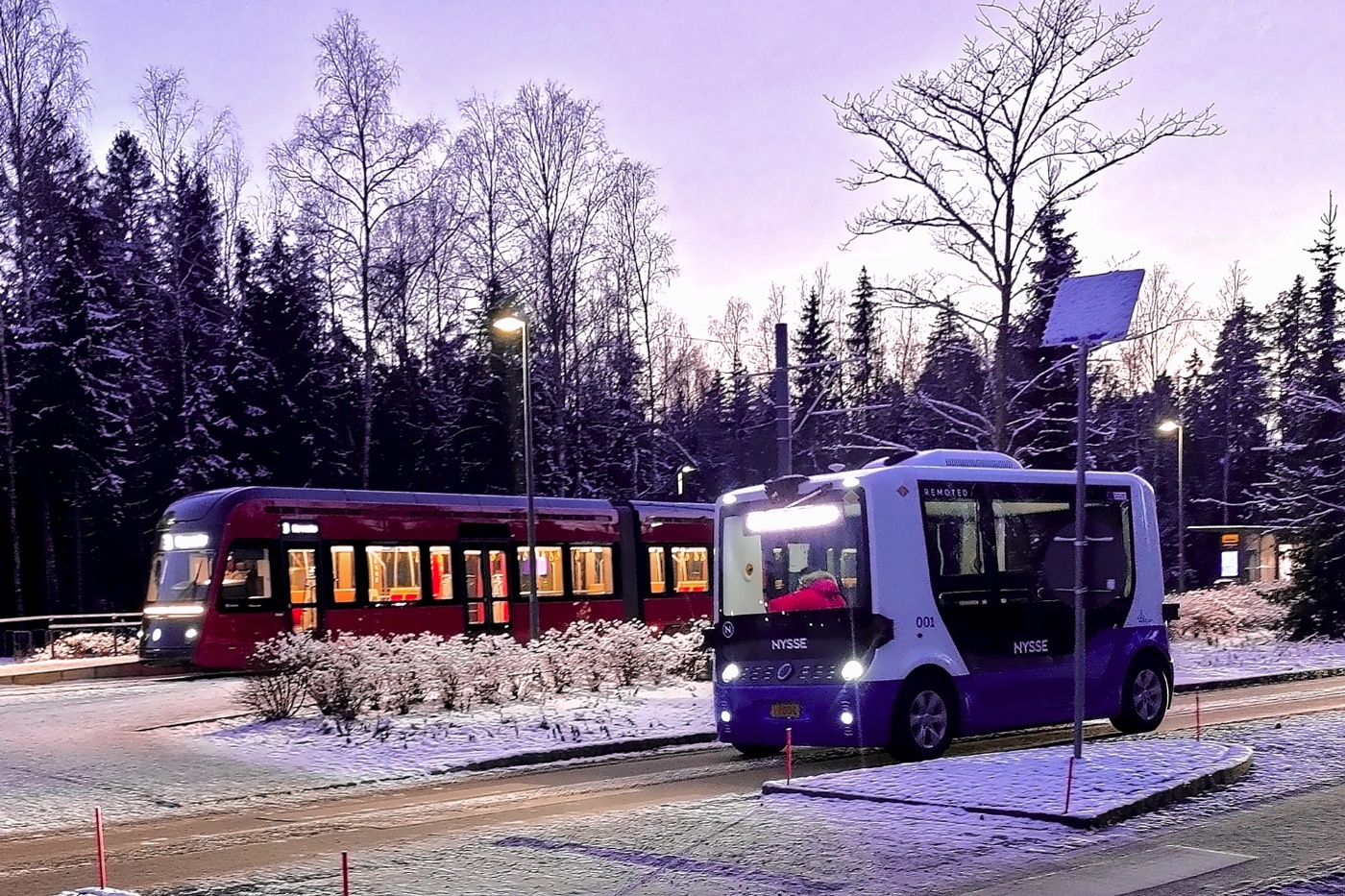
As part of the EU project metaCCAZE, a fully driverless robot bus has been operating in regular scheduled service for the first time in the Finnish city of Tampere since June 24, 2026. Following a testing phase with a safety driver, the shuttle has now taken over autonomous operations on bus route 301 and is being continuously monitored remotely from a control center.
The bus is fully integrated into the local public transit system and carries up to twelve passengers along a fixed route. Using various sensors, the vehicle detects obstacles and can stop independently if necessary. Safety operators monitor operations in real time and can intervene if needed.
Through this project, the partners aim to eventually replace the onboard safety driver with centralized remote monitoring, allowing multiple autonomous vehicles to be managed simultaneously. In addition to the city of Tampere and the transit operator Nysse, REMOTED is responsible for remote monitoring, while Tampere University is providing academic support. In the long term, the fleet is expected to expand to include additional automated vehicles.
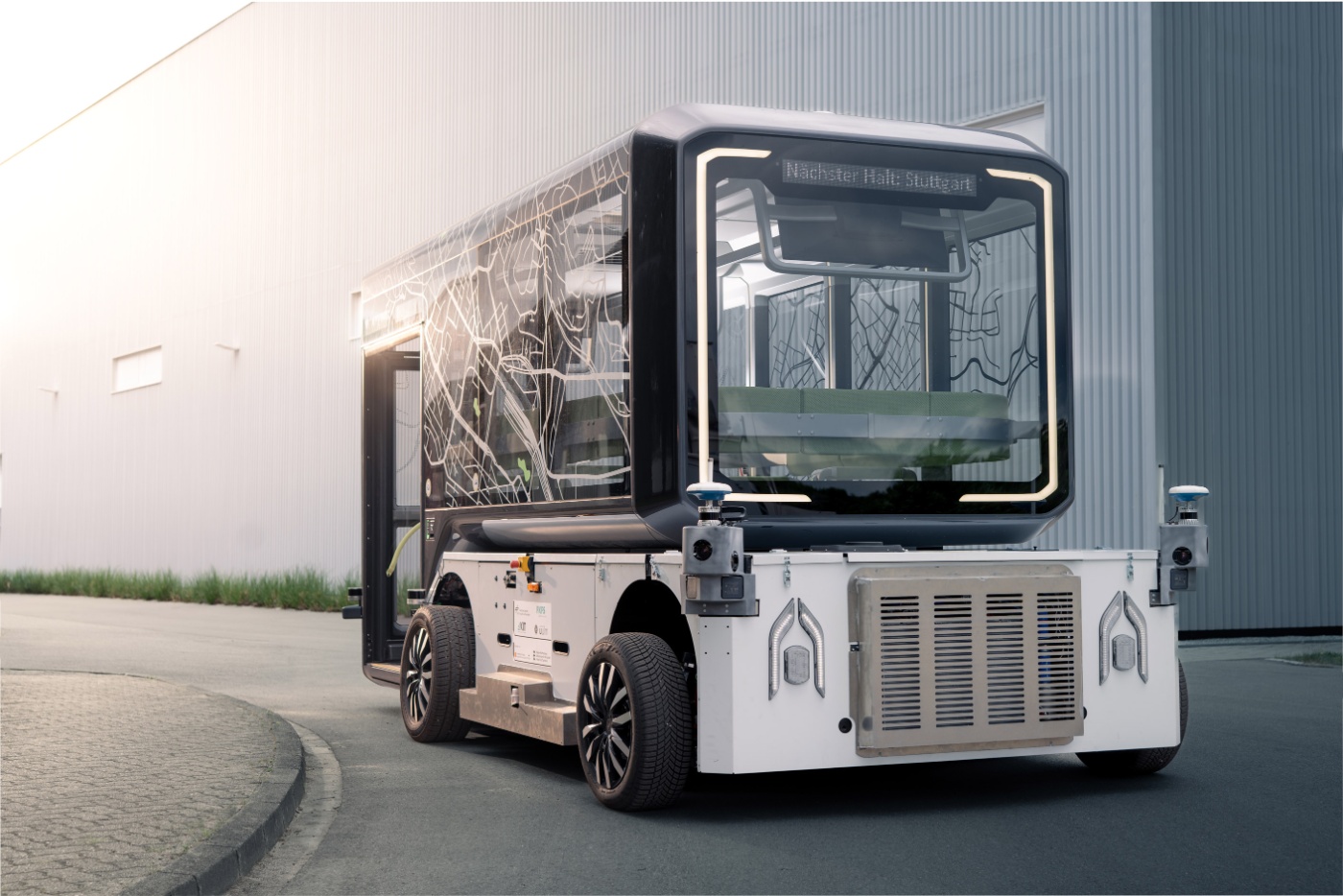
Researchers from several institutions in Baden-Württemberg have further developed a modular vehicle concept for autonomous mobility called U-Shift II. At its core is a driverless "driveboard" that can independently pick up and swap out various vehicle capsules for passenger transport, freight transport, or mobile services. The goal is to make vehicle utilization more flexible, save resources, and increase efficiency.
The autonomous driveboard integrates the drivetrain, battery, steering, control systems, and energy systems. Once docked, the software automatically recognizes the specific capsule and adjusts the vehicle's functions and sensor systems accordingly. Cameras, radar, and laser sensors enable precise navigation and automated maneuvering.
The Karlsruhe Institute of Technology (KIT), the German Aerospace Center (DLR), the University of Ulm, and the Stuttgart Research Institute of Automotive Engineering and Vehicle Engines (FKFS) are collaborating on the project. The state of Baden-Württemberg is funding the initiative with ten million euros to lay the groundwork for future modular mobility and logistics solutions.