
.svg)







IAA TRANSPORTATION Weekly | 26/2026
Ruta-E, dragonize, Weihenstephan, Delta Charge
Colombia launches the country's first zero-emission freight corridor, dragonize partners with chargecloud as its technology provider for its e-truck charging network, and Weihenstephan and Delta Charge open a battery-backed charging hub for electric trucks—these are the top stories for week 26 of 2026.
Colombia launches the country's first zero-emission freight corridor, dragonize partners with chargecloud as its technology provider for its e-truck charging network, and Weihenstephan and Delta Charge open a battery-backed charging hub for electric trucks—these are the top stories for week 26 of 2026.
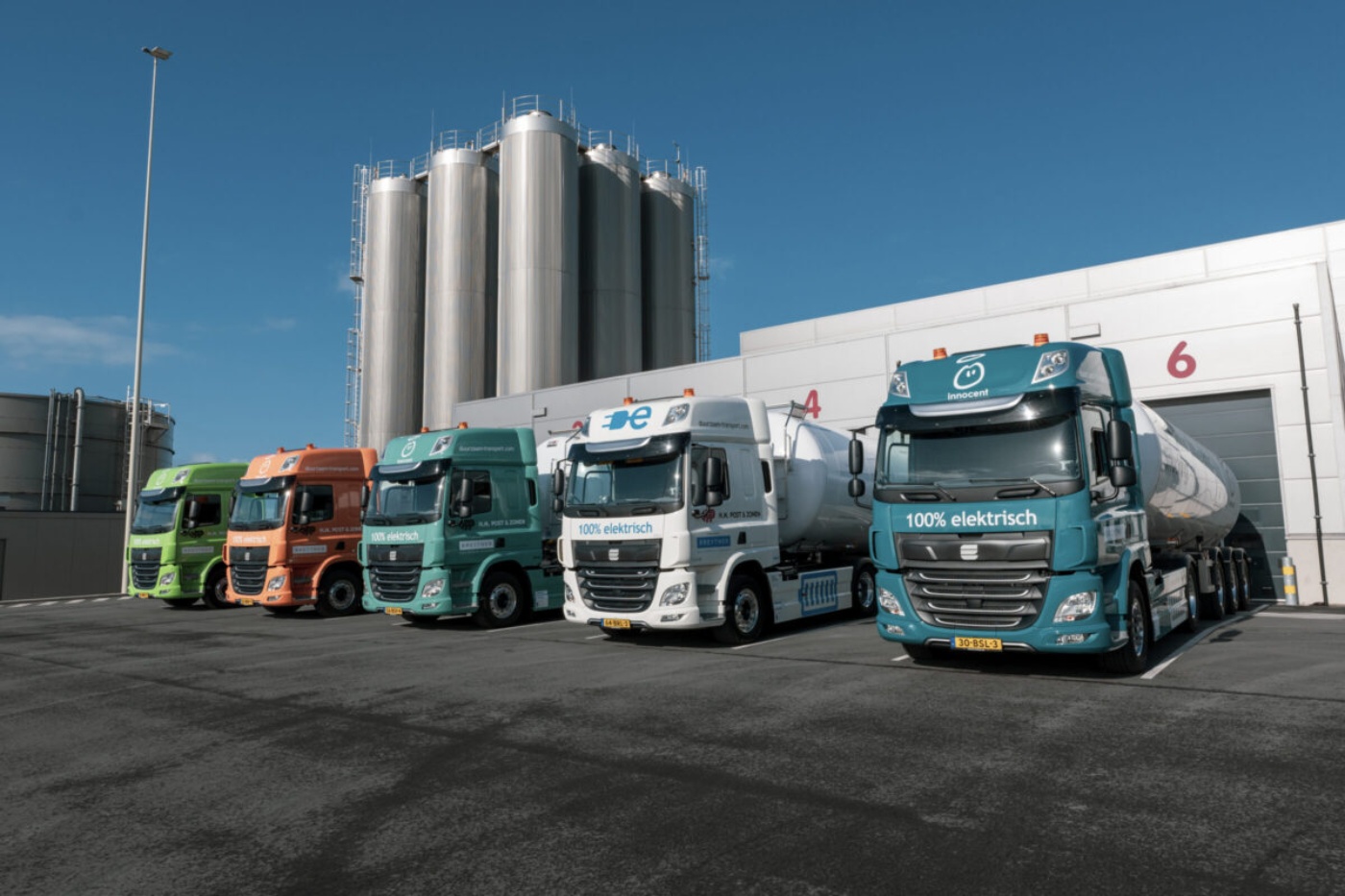
Colombia has unveiled its first zero-emission freight corridor with the "Ruta-E: Clean Energy in Motion" project. The 1,195-kilometer (approx. 742 miles) route connects Bogotá with the port cities of Barranquilla and Cartagena, and is designed to accelerate the electrification of road freight transport.
By 2032, more than 1,000 electric trucks are expected to operate along the corridor. To support this, plans are underway to build a comprehensive charging network with charging stations spaced no more than 100 kilometers apart. Partners in the initiative include DHL, TCC, BYD, Auteco Blue, as well as various energy and infrastructure companies.
According to the project partners, electric trucks could already offer economic advantages over diesel vehicles today. By 2032, the corridor is projected to cut CO₂ emissions by more than 185,000 tons annually. The initiative is backed by government support, including tax incentives and rewards for expanding the charging infrastructure.
As part of the international "Global Green Road Corridors" initiative, Ruta-E is considered one of the largest heavy-duty electromobility projects in Latin America and is intended to serve as a blueprint for future zero-emission transport corridors.
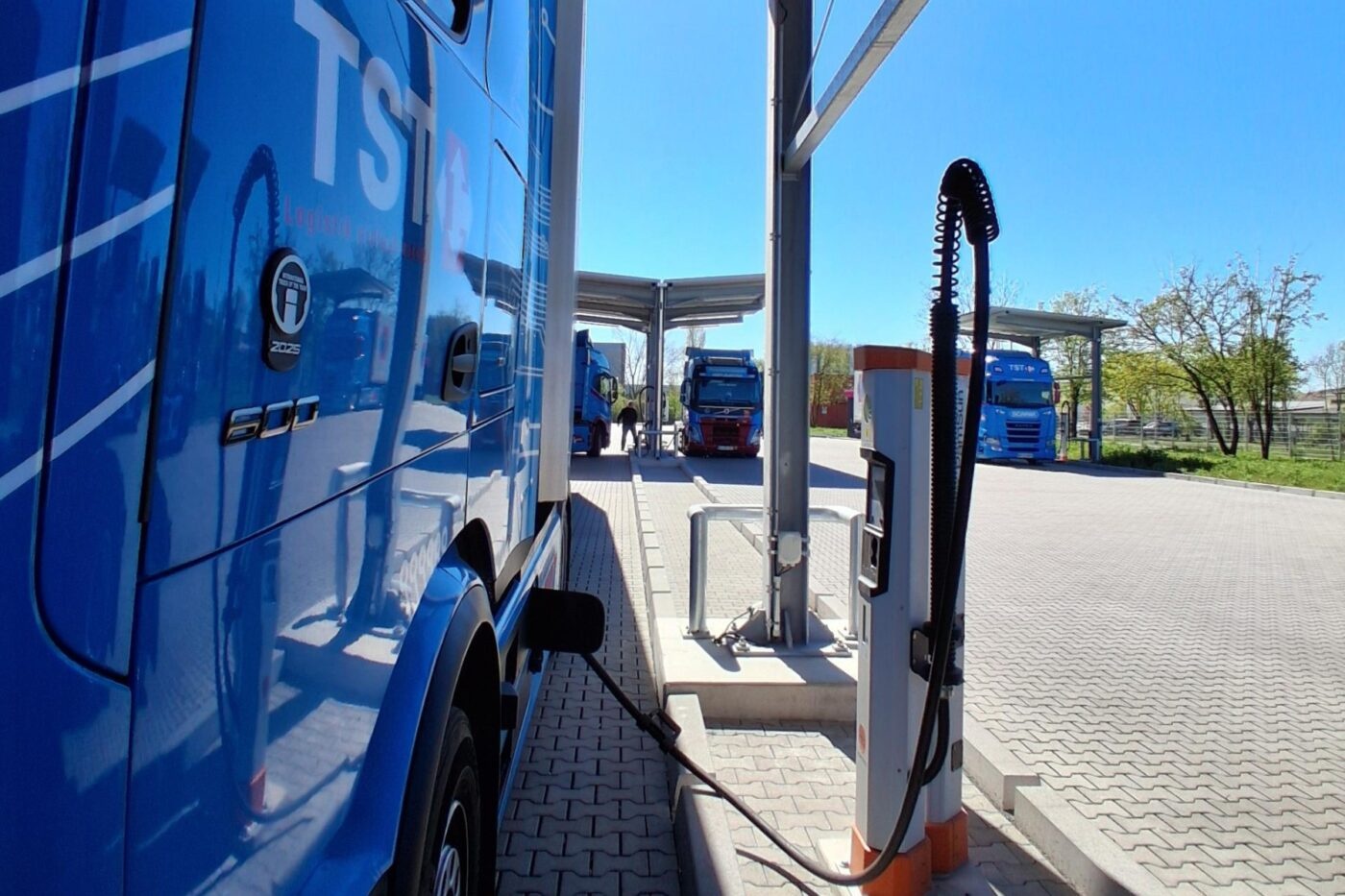
The logistics charging ecosystem dragonize will rely on the chargecloud OS software platform to manage its depot charging network moving forward. Developed by Cologne-based e-mobility company chargecloud, the solution will handle the control, monitoring, and billing of the charging points, forming the technological backbone of the network.
dragonize, developed by PamSun GmbH (a subsidiary of the TST Group), specifically targets logistics companies and covers the entire lifecycle of e-truck charging infrastructure—from planning and installation to ongoing operations. As a closed B2B network, the platform allows members to share private and semi-public depot charging stations. The centralized DepotOS bundles charging schedules, reservations, route management, monitoring, and billing into a single platform.
The technical foundation is provided by chargecloud's hardware-agnostic Charge Point Management System (CPMS). It supports authorization, tariff structures, and automated billing for charging sessions, while also connecting various hardware providers. Thanks to OCPP 2.0.1 compatibility and roaming integrations via platforms like Hubject and Gireve, the solution is designed to allow for easy network scaling. The partnership aims to increase the utilization of existing charging infrastructure and accelerate the expansion of e-truck charging networks across the logistics sector.
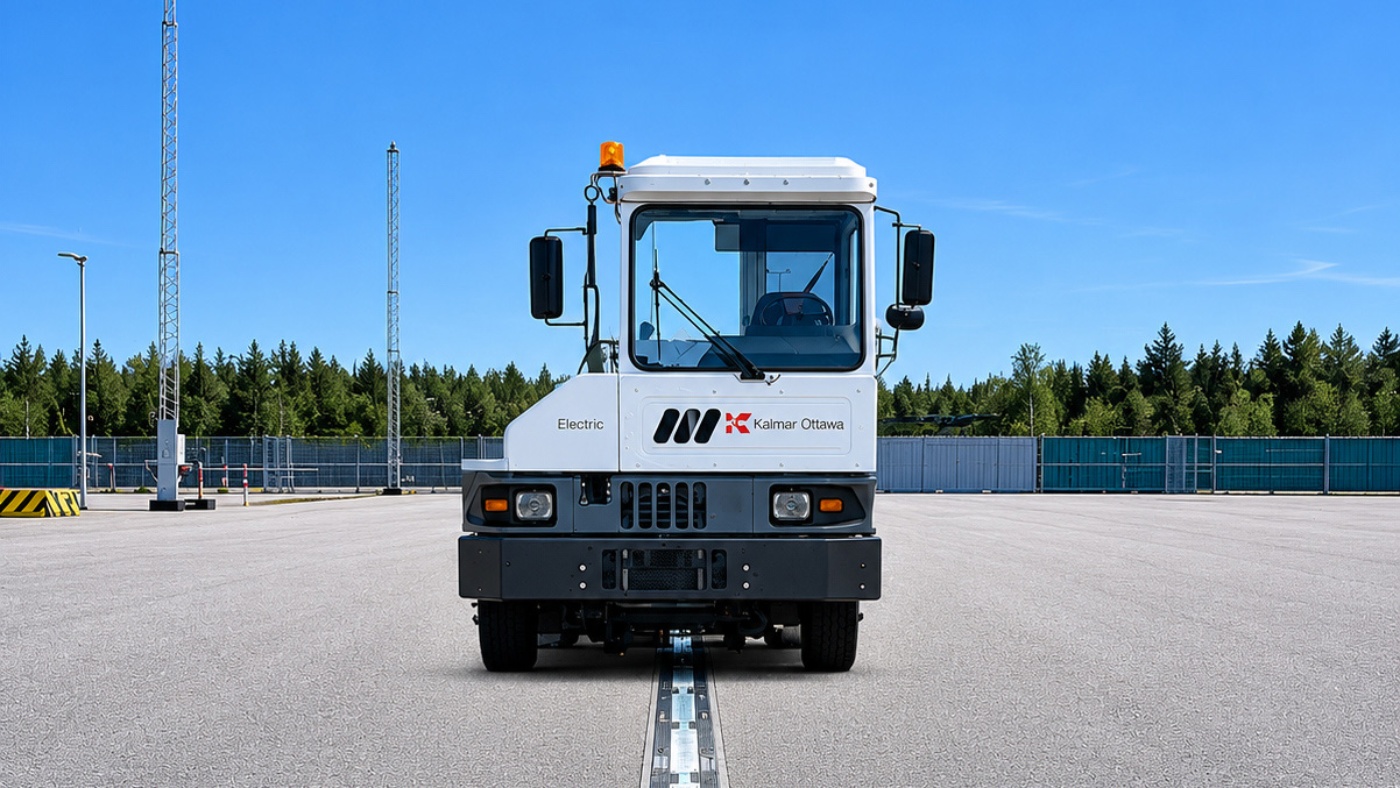
The Bavarian State Brewery Weihenstephan and Delta Charge have commissioned a new charging and energy depot for electric trucks in Freising. The integrated system combines rapid-charging infrastructure, battery storage, and photovoltaics, and aims to drive the electrification of the brewery's logistics fleet.
The core of the facility features two 150 kW rapid-charging stations supplied by a modular battery storage system, which initially offers 125 kW of power and a capacity of 257 kWh. As the electric truck fleet grows, the system can be expanded to 375 kW and 771 kWh. Additionally, a 380 kWp photovoltaic system is integrated into the energy management setup.
An AI-based energy management system optimizes the interplay between solar power, battery storage, and charging processes to minimize grid load and energy costs. According to the project partners, this setup will enable the cost-effective operation of commercial electric vehicles.
The project is considered one of the first battery-backed rapid-charging hubs for electric trucks in the brewing industry and is intended to serve as a model for other logistics and industrial companies. Delta Charge plans to roll out similar solutions across Europe, with plans to invest more than 300 million euros in charging and storage infrastructure for heavy-duty transport by 2030.