
.svg)







IAA TRANSPORTATION Weekly | 25/2026
Mercedes-Benz Vans, Bolt, Pony.ai, Stellantis, Kalmar, Elonroad, Bontu
Mercedes-Benz Vans kicks off series production of the new VLE at its Vitoria plant; Bolt, Pony.ai, and Stellantis launch an autonomous mobility pilot project in Luxembourg; Kalmar and Elonroad test dynamic charging for terminal tractors in port operations; and Bontu brings electric micro-vehicles and light commercial vehicles to Europe—here is our top news for week 25 of 2026.
Mercedes-Benz Vans kicks off series production of the new VLE at its Vitoria plant; Bolt, Pony.ai, and Stellantis launch an autonomous mobility pilot project in Luxembourg; Kalmar and Elonroad test dynamic charging for terminal tractors in port operations; and Bontu brings electric micro-vehicles and light commercial vehicles to Europe—here is our top news for week 25 of 2026.
- 1. Mercedes-Benz Vans Starts Series Production of the New VLE at the Vitoria Plant
- 2. Bolt, Pony.ai, and Stellantis Launch Autonomous Mobility Pilot Project in Luxembourg
- 3. Kalmar and Elonroad Test Dynamic Charging of Terminal Tractors in Port Operations
- 4. Bontu Brings Electric Micro-Vehicles and Light Commercial Vehicles to Europe
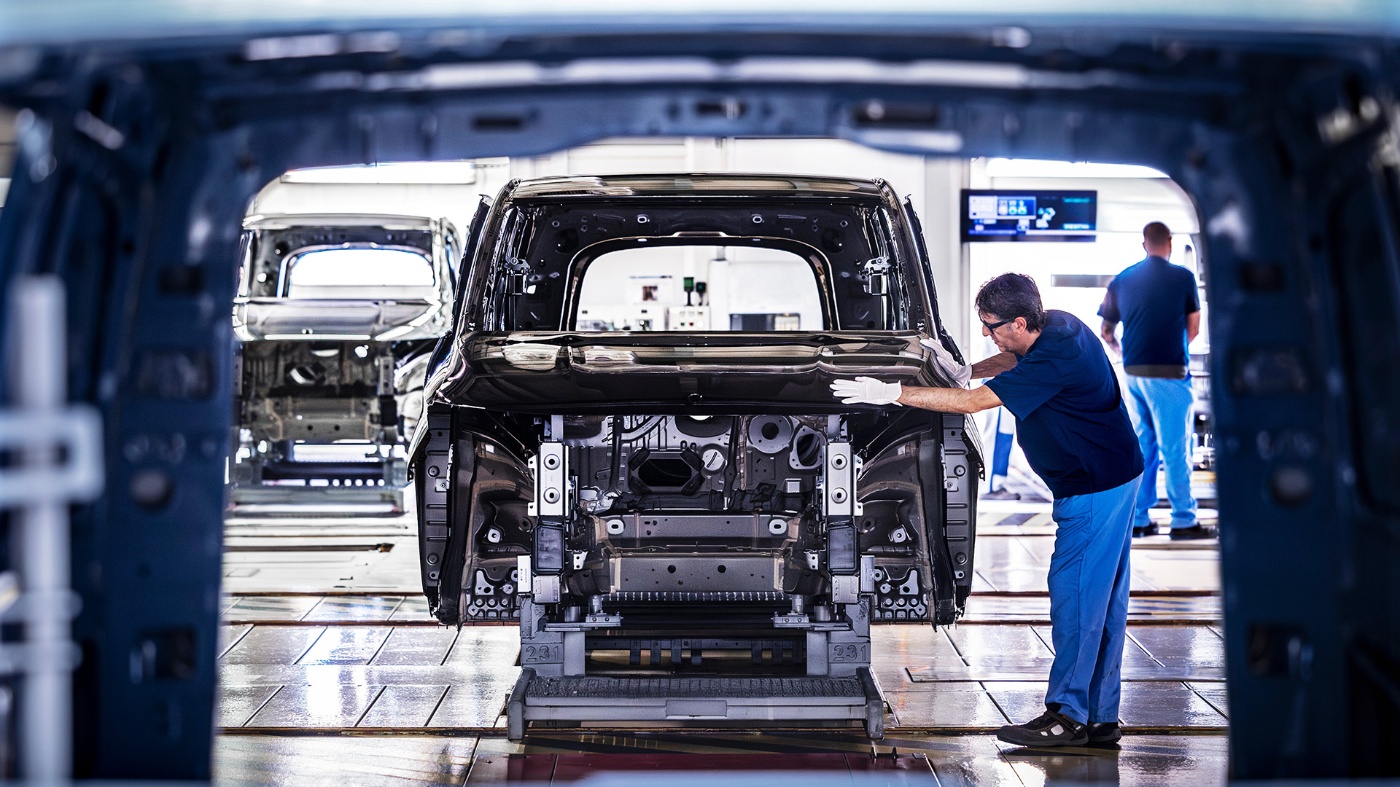
Mercedes-Benz Vans has launched series production of the all-electric Mercedes-Benz VLE at its Vitoria plant in Spain. The model is the first production vehicle based on the new modular Mercedes-Benz van architecture and will serve as the technological foundation for the brand's future van portfolio. By the end of the year, the Fuzhou plant in China is also expected to begin production for the local market.
Designed as a "Grand Limousine," the VLE combines the comfort of a sedan with the flexibility of a spacious multi-purpose vehicle, offering seating for up to eight people. Thanks to a new 800-volt architecture, the vehicle is expected to deliver a driving range of over 700 kilometers (approx. 435 miles) and support ultra-fast charging.
Additionally, the new Mercedes-Benz Operating System (MB.OS) is making its debut, centrally controlling assistance systems, infotainment, and vehicle functions. With this production launch, Mercedes-Benz Vans highlights the transformation of its Vitoria site into a major hub for the brand’s electromobility strategy.
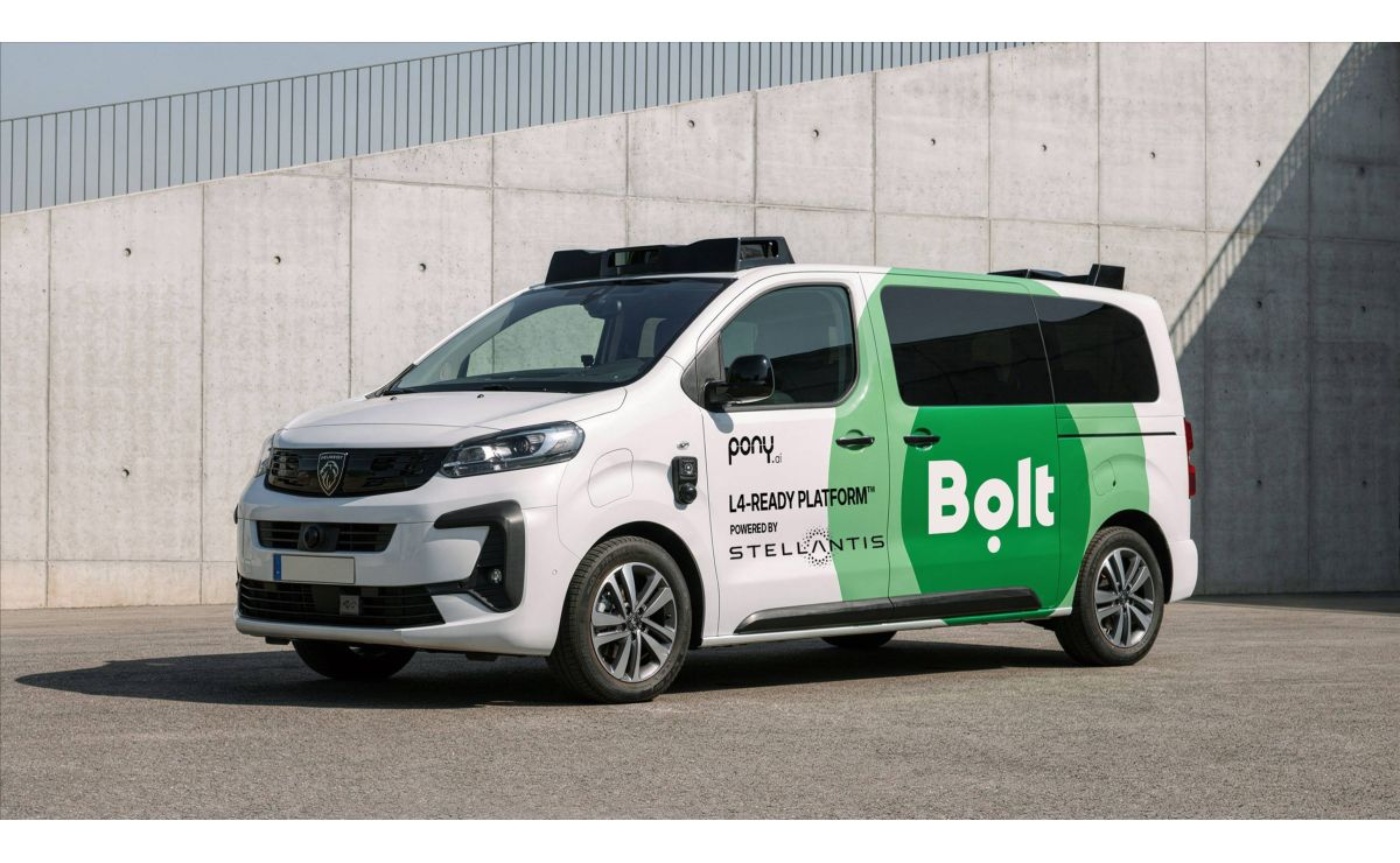
Mobility platform Bolt, autonomous driving specialist Pony.ai, and automaker Stellantis have announced a joint pilot project for autonomous mobility in Luxembourg. The goal is to test the safety, performance, and regulatory readiness of autonomous vehicles under real-world traffic conditions, paving the way for commercial robotaxi services in Europe.
The project will utilize Pony.ai's seventh-generation autonomous vehicles, which will be tested on public roads in Luxembourg. Stellantis is providing an all-electric van based on its "L4-Ready Platform"—specifically developed for autonomous applications—while contributing its expertise in vehicle development and large-scale manufacturing.
Structured as a "Living Lab," the initiative involves testing the entire robotaxi ecosystem, ranging from autonomous driving technology and fleet management to integration into digital mobility platforms. Over the long term, the partners want to establish the necessary conditions for fully driverless operations without a safety driver. While Bolt brings its ride-hailing platform to the table, Pony.ai supplies the autonomous driving technology, and Stellantis provides the vehicle platform along with industrial scaling expertise.

As part of a project funded by the Swedish Energy Agency, Kalmar and the Swedish technology company Elonroad are testing dynamic charging for electric commercial vehicles. For this purpose, an all-electric Kalmar Ottawa T2 EV terminal tractor is being trialed on Elonroad's electric road infrastructure in Ljungby, Sweden.
The technology relies on charging rails embedded into the roadway, allowing vehicles to automatically draw power while in motion. This approach aims to reduce required battery sizes, minimize charging downtime, and increase the availability of electric commercial vehicles.
Following initial tests with an electric reachstacker, the focus has now shifted to the terminal tractor. Using specialized driving profiles, the project partners are analyzing energy consumption and charging requirements under realistic operating conditions in port and logistics environments. The testing phase runs until the end of June 2026, with results scheduled for publication in the fall.
In the long run, Kalmar and Elonroad view dynamic charging systems as a vital building block for electrifying energy-intensive port and terminal processes. Once the current trials are completed, the technology is slated for testing with pilot customers in real-world port environments.
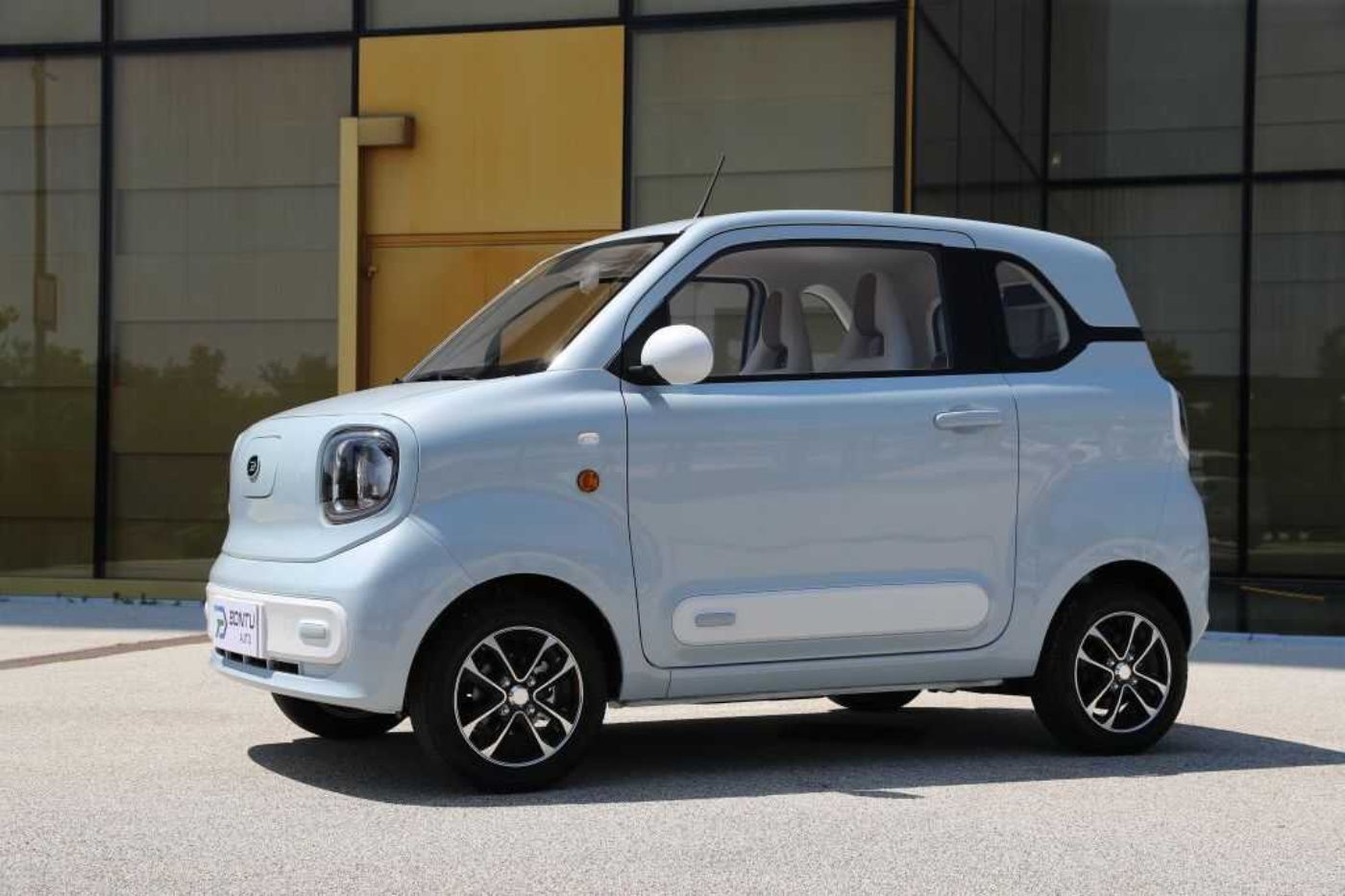
Chinese manufacturer Bontu has announced its market entry into Europe, showcasing its lineup of electric micro-vehicles for the first time in Milan. The product range includes a compact city car, a microcar, and the BTE03 light electric delivery van.
The BTE03 is specifically tailored for urban delivery and service applications. It offers a payload capacity of up to 340 kilograms (approx. 750 lbs), is powered by a 7.5 kW electric motor, and reaches a top speed of 81 km/h (approx. 50 mph). According to the manufacturer, its range is up to 100 kilometers (approx. 62 miles).
With these new models, Bontu aims to target the growing urban electromobility market and offer cost-effective alternatives to conventional passenger cars and cargo vans. The first vehicles are already being distributed in Germany through the importer Niva Power.