
.svg)







IAA TRANSPORTATION Weekly | 21/2026
MAN, IGZ, Scania, Unicon, Liebherr, Jungheinrich
MAN expands electric truck portfolio with the new eTGM; IGZ receives the German Innovation Award Gold 2026 for its autonomous AI control center; Scania, Unicon, and Liebherr-Mischtechnik bring all-electric concrete transport into everyday operations; and Jungheinrich launches real-world testing for sodium-ion batteries—these are our top stories for week 21 of 2026.
MAN expands electric truck portfolio with the new eTGM; IGZ receives the German Innovation Award Gold 2026 for its autonomous AI control center; Scania, Unicon, and Liebherr-Mischtechnik bring all-electric concrete transport into everyday operations; and Jungheinrich launches real-world testing for sodium-ion batteries—these are our top stories for week 21 of 2026.
- 1. MAN Expands Electric Truck Portfolio with the New eTGM
- 2. IGZ Receives German Innovation Award Gold 2026 for Autonomous AI Control Center
- 3. Scania, Unicon, and Liebherr-Mischtechnik Bring All-Electric Concrete Transport into Everyday Operations
- 4. Jungheinrich Starts Real-World Testing for Sodium-Ion Batteries
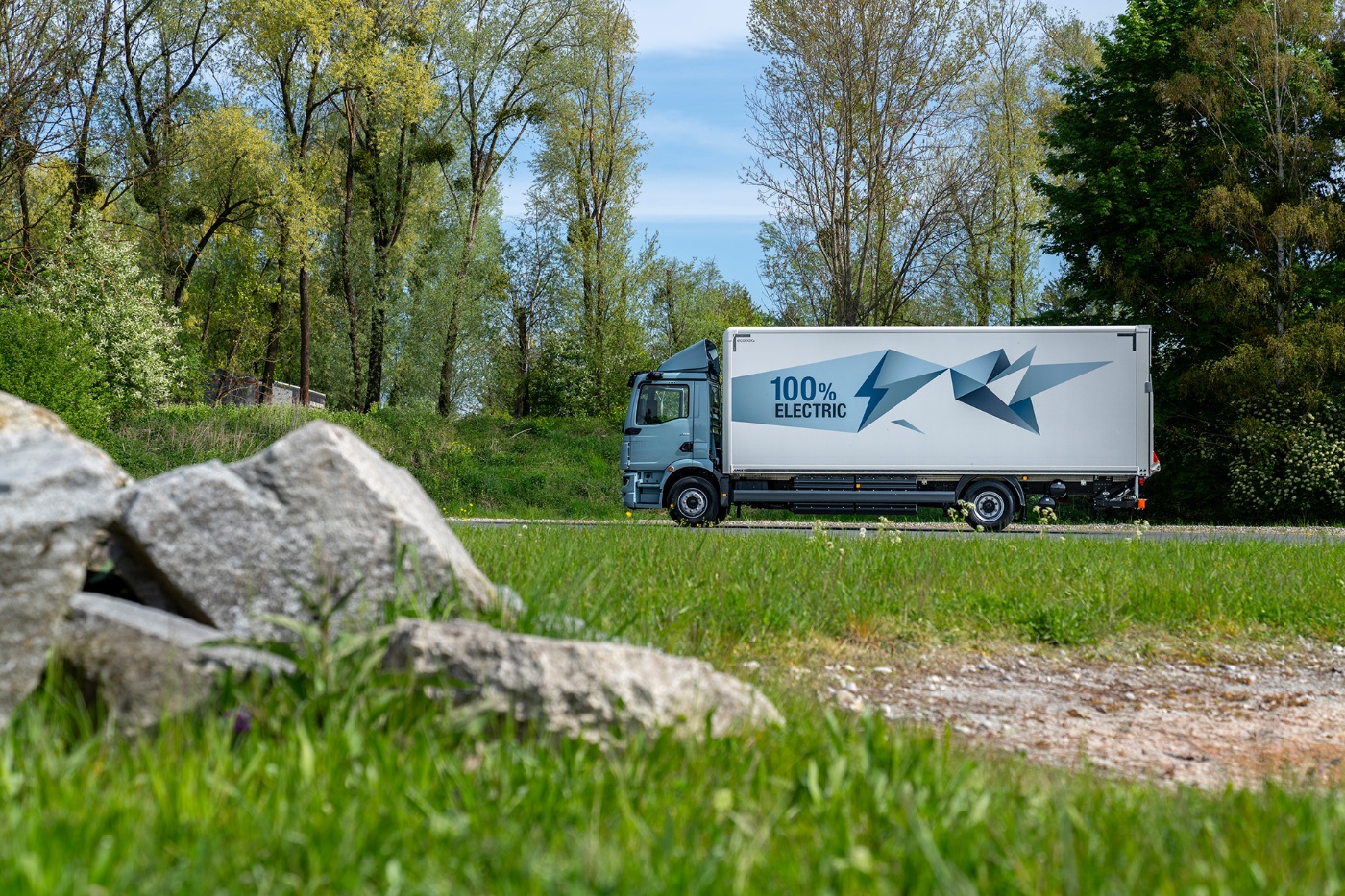
MAN Truck & Bus is expanding its electric truck lineup with the new MAN eTGM. The all-electric 16-tonner slots in between the light-duty eTGL and the heavy-duty eTGX and eTGS series, completing MAN's electric range from 12 to 50 tons total weight for the first time.
The eTGM was developed specifically for urban and regional distribution and is designed to deliver a range of up to 480 kilometers (approx. 300 miles), depending on the configuration. To achieve this, MAN relies on a modular battery system featuring up to four battery packs with a maximum usable capacity of 320 kWh. The truck is powered by the electric MAN eCD210 drive system, delivering 210 kW (285 PS) and 800 Nm of torque.
With a payload capacity of up to 10.6 tons and a gross combination weight rating of up to 33 tons, the eTGM is highly versatile. It is well-suited for everything from grocery and supermarket logistics to municipal operations, construction, and waste management. Fleet operators in many European countries will also benefit from reduced toll fees for electric commercial vehicles.
On the technical side, the eTGM is built on the modular BEV architecture used in MAN’s heavy-duty electric series. The battery systems, high-voltage architecture, and thermal management have been specifically tailored to the medium-duty segment. Optimized wheelbases, standardized interfaces, and a mechanical power take-off (PTO) shaft are also designed to make it easier to mount a wide variety of specialized bodies.
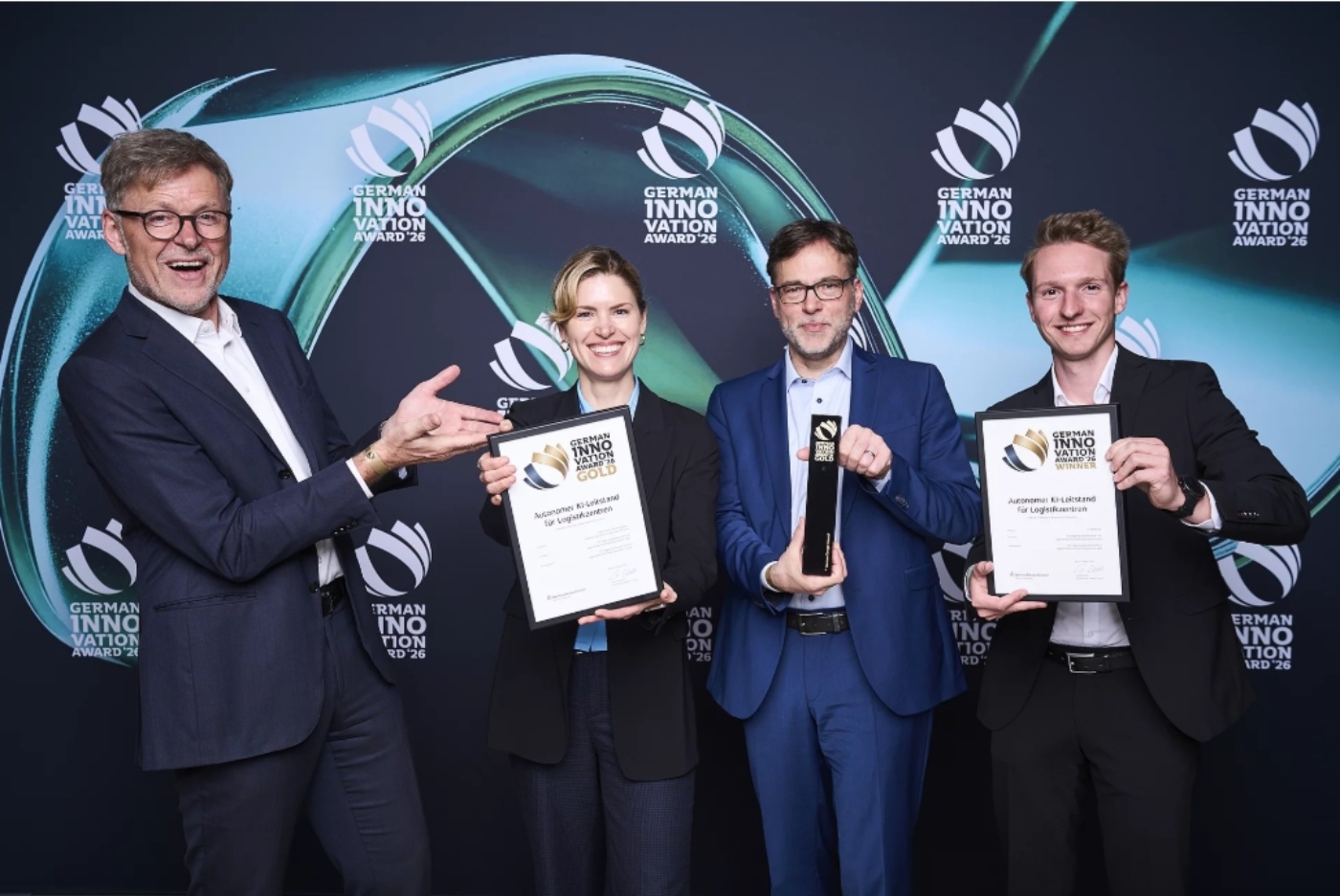
IGZ has been honored with the German Innovation Award Gold 2026, presented by the German Design Council, for its "Smart Logistics Cockpit." The AI-driven control center solution is designed to operate highly automated logistics centers largely autonomously.
The system uses pre-trained AI networks to independently coordinate core processes such as order dispatching, resource planning, and the allocation of dock door and staging areas. In addition, camera, vibration, and acoustic sensors continuously monitor the warehouse environment, dynamically adjusting operations to changing conditions.
According to IGZ, the Smart Logistics Cockpit currently achieves Level 3 autonomy, allowing it to manage core logistical processes almost entirely on its own. Human operators only need to step in for edge cases or strategic decisions, interacting with the system using natural language.
This automation is expected to cut control center staffing requirements by up to 70 percent. At the same time, IGZ promises higher efficiency, greater transparency, and improved process stability in automated warehouse environments.
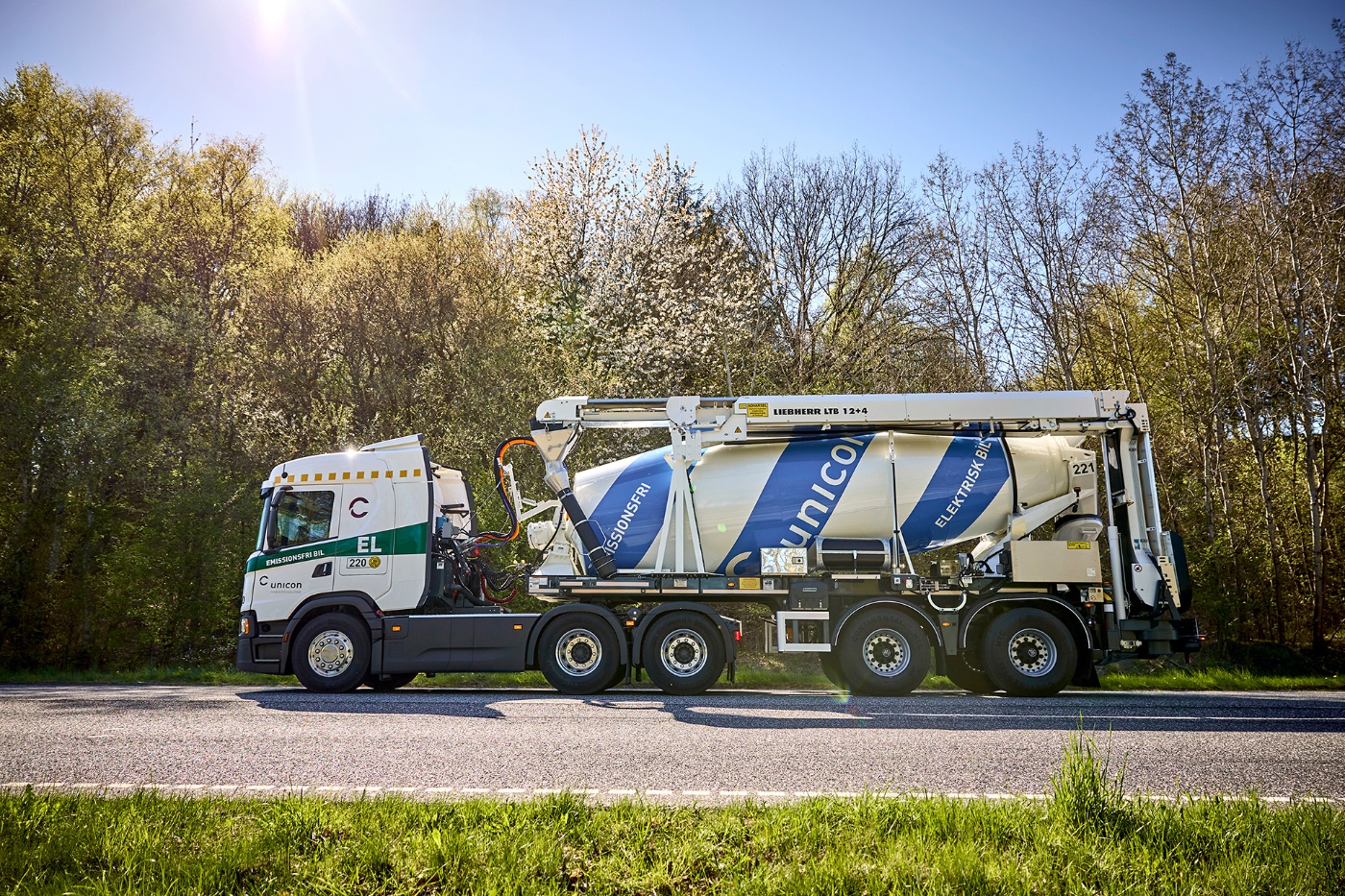
Scania, Unicon, and Liebherr-Mischtechnik have jointly developed an all-electric solution for concrete transport, deploying it on a real job site for the first time. At the heart of the project is a battery-electric Scania truck equipped with an integrated electric concrete mixer system from Liebherr.
The partners view the project as a production-ready solution for daily use in the construction industry. This is made possible by fully integrated electric power take-off (ePTO) technology, which allows the mixing drum to be powered directly by the vehicle's battery. As a result, the entire vehicle operates with zero local emissions—including mixing operations on site.
According to Scania, the electric concrete mixer was developed over three years specifically for real-world operating conditions, including off-road driving and continuous mixing during transport. The vehicle features a battery capacity of up to 400 kWh, delivering a range of around 200 kilometers (approx. 124 miles). Extensive route simulations and energy modeling were used to optimize its everyday practicality.
Scania and Unicon are already planning to further expand their electric fleet, with ten additional electric concrete mixers set to go into service over the coming years. Over the long term, Unicon aims to offer exclusively emission-free concrete transport by 2035.
Jungheinrich has launched real-world testing for sodium-ion batteries in material handling equipment. The technology is seen as a viable alternative to traditional lithium-ion batteries, offering key advantages such as higher raw material availability, lower costs, and a better environmental footprint.
As part of the project, vehicles equipped with sodium-ion batteries are being tested in actual customer operations. The goal is to validate the performance, safety, and reliability of the technology under various operating conditions, gathering insights for future series production. According to Jungheinrich, initial prototypes have already been successfully trialed in forklifts and lift trucks.
A major benefit of this technology is the abundant global supply of sodium. Jungheinrich also promises sustainability advantages through more resource-efficient production processes and excellent recyclability. Additionally, manufacturing costs are expected to decrease due to cheaper raw materials.
For further development, Jungheinrich is collaborating with international cell manufacturers and research partners. The company notes that laboratory and field tests conducted so far have yielded vital insights regarding battery lifespan, performance, and safety.