.svg)







IAA TRANSPORTATION Weekly | 19/2026
Daimler Buses, Isuzu, Toyota & Milence
Tesla launches series production of the Tesla Semi; E.ON, Neot, and Mitsui introduce a new model for e-truck charging with zero upfront investment; and Stavanger launches Europe's first autonomous scheduled bus service without onboard supervision – these are our top stories for week 19 of 2026.
Tesla launches series production of the Tesla Semi; E.ON, Neot, and Mitsui introduce a new model for e-truck charging with zero upfront investment; and Stavanger launches Europe's first autonomous scheduled bus service without onboard supervision – these are our top stories for week 19 of 2026.
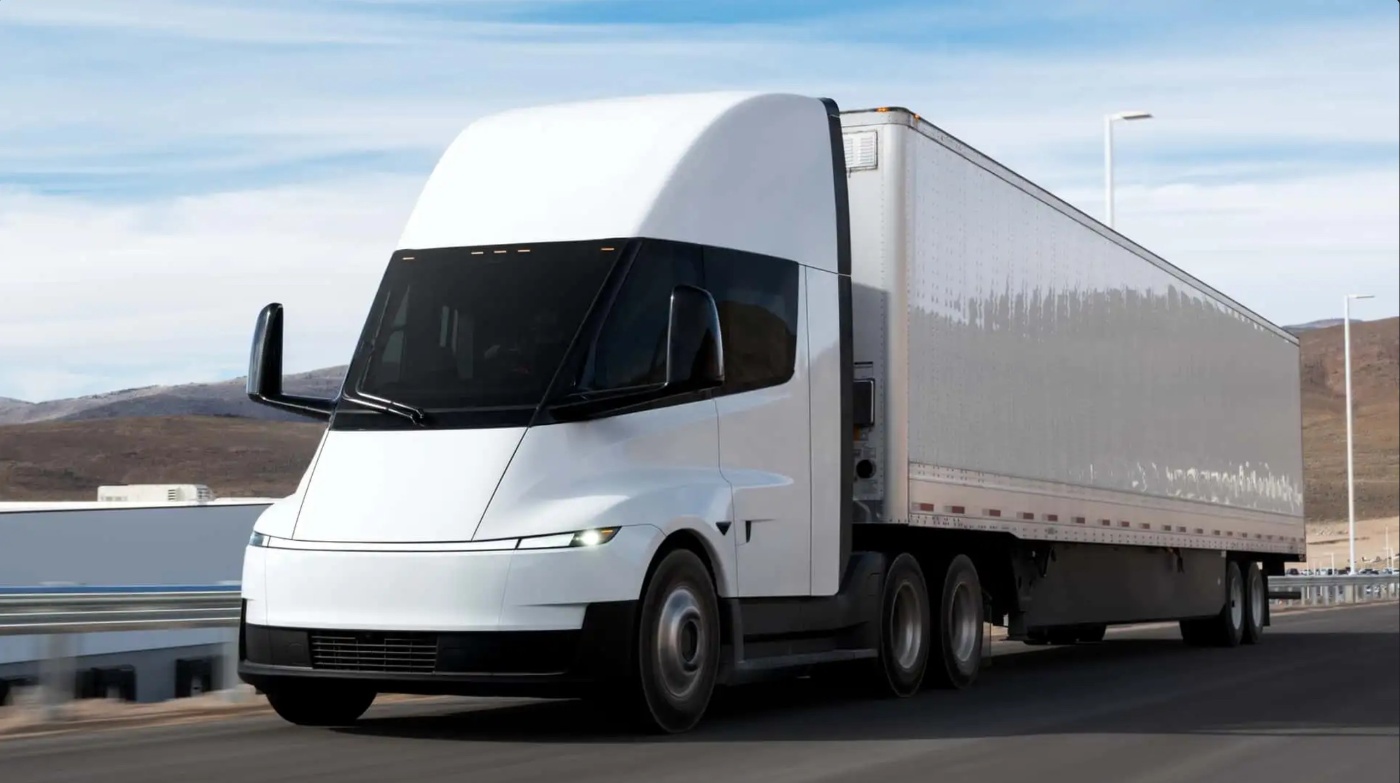
Tesla has officially launched series production of the Tesla Semi, reaching a major milestone in the commercial vehicle segment. The first production vehicle rolled off a new high-volume production line near Gigafactory Nevada.
The start of production brings a long development phase to a close, dating back to the vehicle's unveiling in 2017. The purpose-built factory is designed to produce up to 50,000 vehicles annually, with a gradual ramp-up marking the transition from small-scale production to full industrial manufacturing.
The Tesla Semi is expected to be offered in two variants: a standard version with a range of approximately 325 miles (520 kilometers) and a long-range version capable of up to 500 miles (800 kilometers).
Central to its use in long-haul transport is the new megawatt charging technology. Using so-called "Megachargers," a significant portion of the range can be replenished in about 30 minutes. In parallel, Tesla is building its own fast-charging infrastructure for heavy-duty transport, which is eventually intended to support charging capacities of up to 1.2 megawatts.
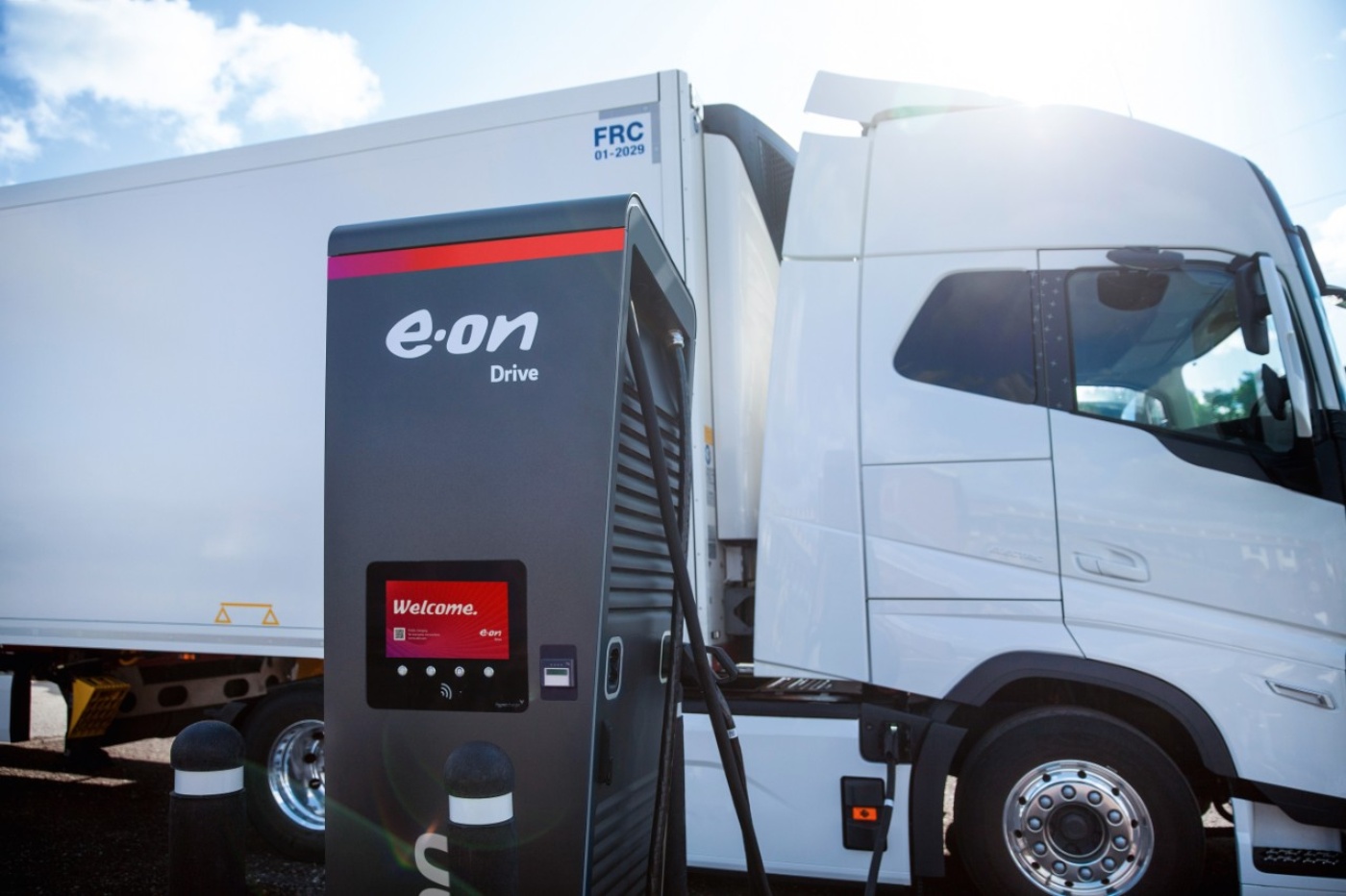
E.ON, in partnership with Neot and Mitsui & Co., has introduced a new model for charging electric commercial vehicles designed to significantly lower the barrier to entry for electromobility.
At its core is a "Charging-as-a-Service" approach: companies receive charging infrastructure as a complete package—including planning, installation, operation, and energy management—without high initial investments. Instead, billing is usage-based per kilowatt-hour or via flexible tariffs, making costs more predictable.
The offer goes beyond charging and optionally includes vehicles as part of a "Truck-as-a-Service" model. This creates an integrated ecosystem of vehicle, energy, and financing.
Technically, E.ON implements the infrastructure with charging capacities between 50 and 400 kW, while Neot handles the financing and Mitsui supports the scaling. The model is complemented by guaranteed infrastructure performance and transparent total costs.
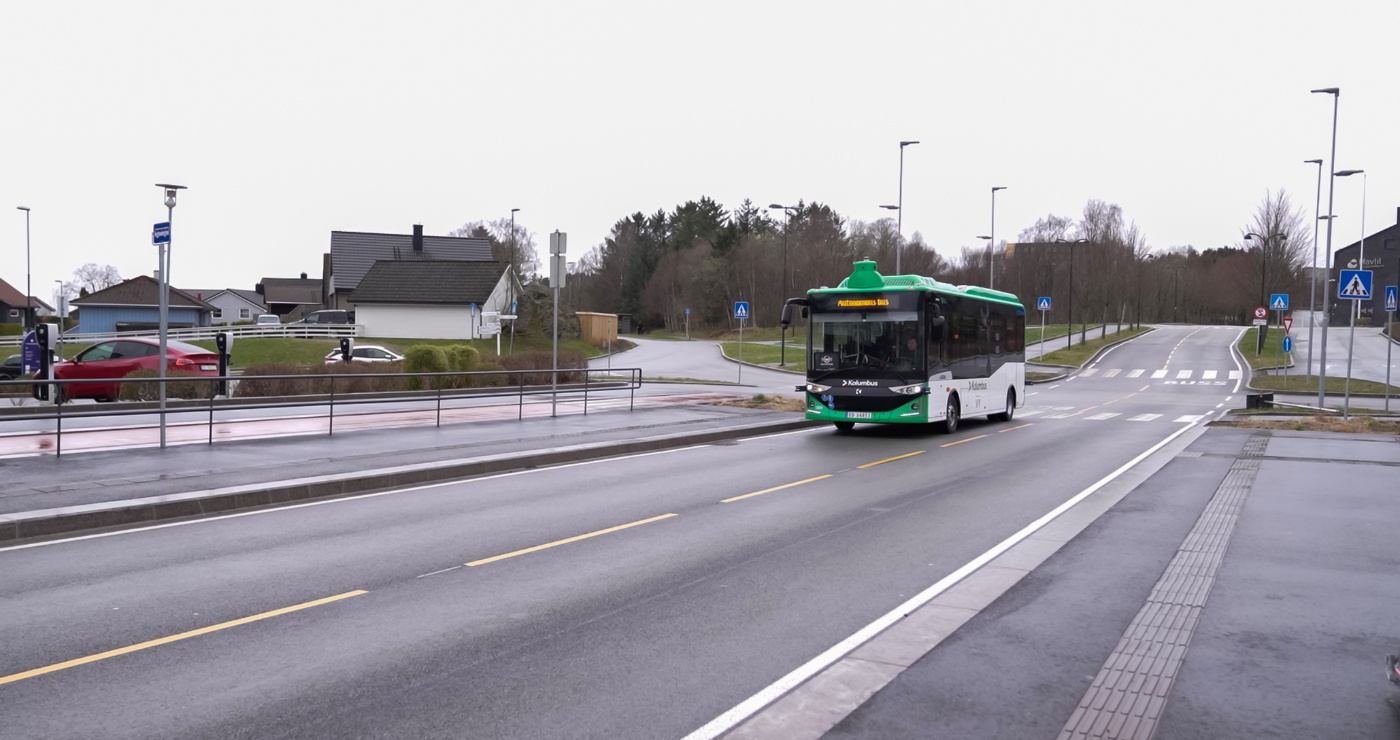
The Norwegian city of Stavanger is launching Europe's first autonomous scheduled bus service without an onboard supervisor, marking the transition from pilot testing to everyday public transport.
Following several years of pilot phases, the project received official government approval in April 2026. While test runs with safety personnel have been taking place since 2022, onboard supervision is now being eliminated for the first time—a decisive step for scaling autonomous systems.
The service utilizes a Karsan e-ATAK electric midibus, which operates in mixed traffic and navigates complex routes including roundabouts, pedestrian zones, and tunnel sections. With speeds of up to 25 mph (40 km/h), the operation is approaching real-world scheduled service conditions for the first time.
The technological foundation is the xFlow platform, which digitally connects vehicles, the control center, and operations. Monitoring is handled centrally from a remote location, where operators can intervene if necessary and manage multiple buses simultaneously.