.svg)







IAA TRANSPORTATION Weekly | 18/2026
MAN, Volkswagen Commercial Vehicles, Kia, Jungheinrich
MAN is the first European commercial vehicle manufacturer to demonstrate bidirectional truck charging; Volkswagen Commercial Vehicles upgrades the ID. Buzz; Kia introduces new body and battery variants for the PV5 Cargo; and Jungheinrich utilizes predictive AI models for electric forklift battery development—these are the top stories for week 18 of 2026.
MAN is the first European commercial vehicle manufacturer to demonstrate bidirectional truck charging; Volkswagen Commercial Vehicles upgrades the ID. Buzz; Kia introduces new body and battery variants for the PV5 Cargo; and Jungheinrich utilizes predictive AI models for electric forklift battery development—these are the top stories for week 18 of 2026.
- 1. MAN is the first European commercial vehicle manufacturer to demonstrate bidirectional truck charging
- 2. Volkswagen Commercial Vehicles upgrades the ID. Buzz
- 3. Kia introduces new body and battery variants for the PV5 Cargo
- 4. Jungheinrich utilizes predictive AI models for electric forklift battery development
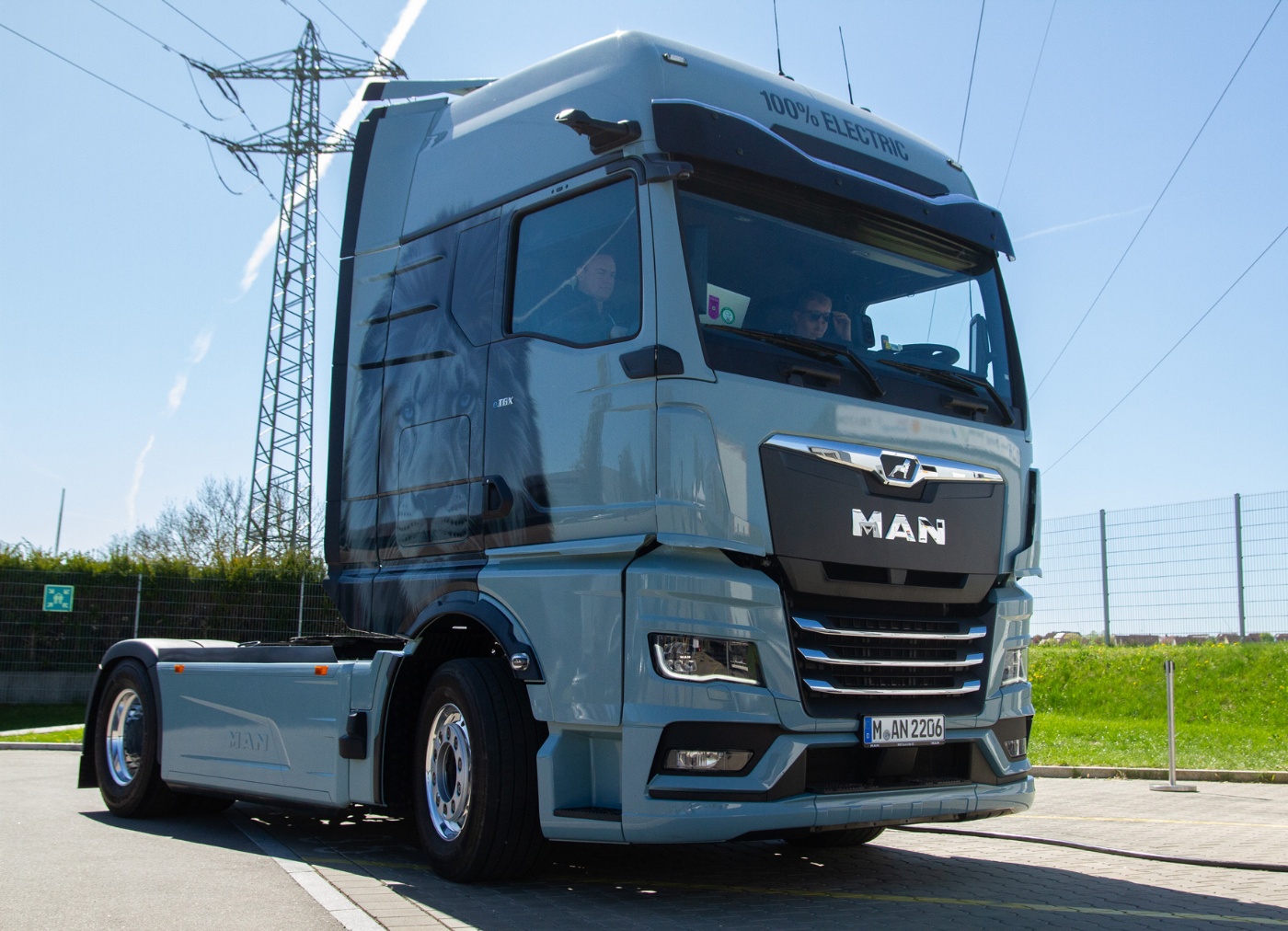
MAN Truck & Bus has become the first European commercial vehicle manufacturer to demonstrate bidirectional charging with an electric truck under real-world conditions. A MAN eTGX with a battery capacity of 480 kWh was utilized as part of the SPIRIT-E research project.
The project focuses on three application scenarios: Vehicle-to-Site (V2S) and Vehicle-to-Vehicle (V2V) enable the direct use of electricity at a specific location or between vehicles, helping to reduce peak loads or optimize self-consumption. With Vehicle-to-Grid (V2G), the truck can also feed energy back into the public grid, thereby contributing to grid stability.
Concrete applications have already been implemented within the project—such as powering buildings overnight via eTrucks or charging electric cars directly from a truck's battery.
The consortium, led by the Technical University of Munich, brings together partners from across the entire value chain, including Fraunhofer IEE, TenneT, and Hubject. The goal is to establish bidirectional trucks as an integral component of future energy and logistics systems.
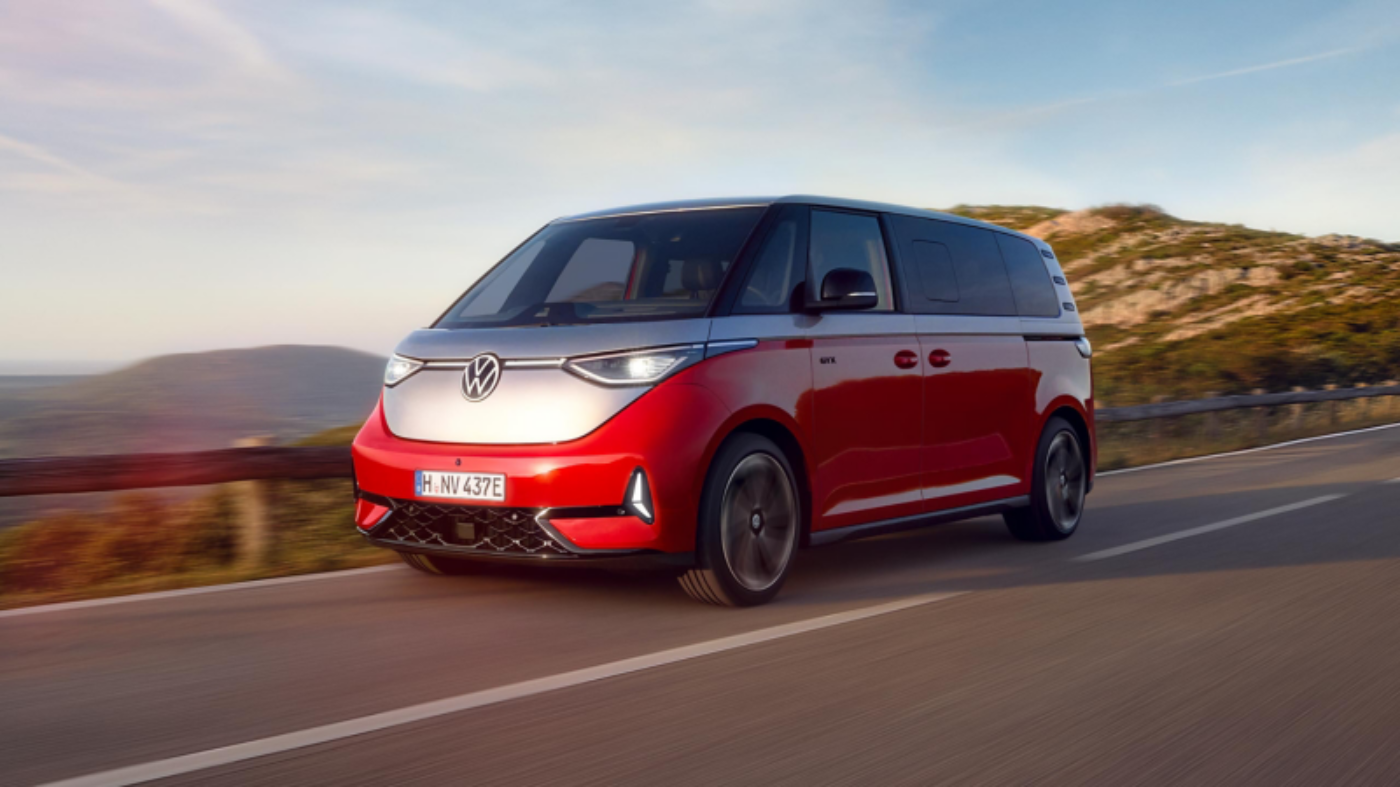
Volkswagen Commercial Vehicles is extensively upgrading the VW ID. Buzz for the 2026 model year and expanding the portfolio to include a new all-wheel-drive variant.
The ID. Buzz Pro 4MOTION adopts the GTX drive system with 250 kW of system power, combining an additional front motor with rear-wheel drive. In addition to improved traction, the towing capacity has increased to up to 1.8 tons. Depending on the wheelbase, batteries with 79 kWh or 86 kWh are used.
The model also receives a digital upgrade: the new Connected Travel Assist responds to traffic lights for the first time and, in combination with one-pedal driving, allows for automated braking to a complete standstill. This is complemented by the "Innovision" infotainment system with an integrated app store, as well as the return of physical steering wheel buttons.
Additionally, a Vehicle-to-Load function is being introduced, allowing external devices to be powered from the vehicle battery with up to 2.0 kW.
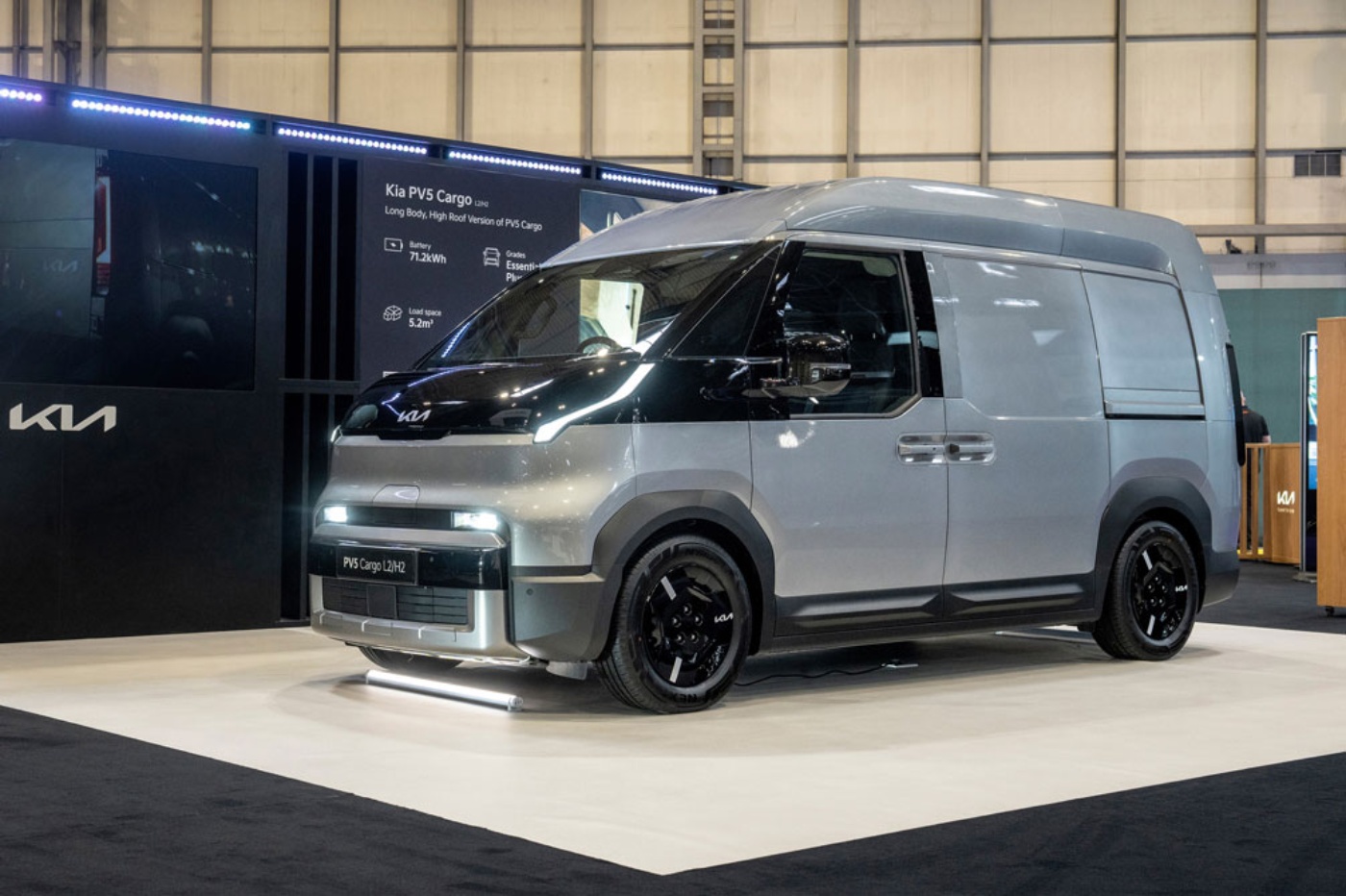
Kia is expanding its PBV (Platform Beyond Vehicle) lineup and launching new variants of the Kia PV5 Cargo. With the L2H2 high-roof version and the compact L1H1, the manufacturer is specifically targeting different usage profiles, ranging from high-volume logistics to urban delivery services.
The L2H2 variant offers significantly more capacity with over 5 m³ of cargo volume, along with additional features such as a walkthrough to the loading area and a flexible airline rail system. The more compact L1H1, on the other hand, is aimed specifically at inner-city applications and offers approximately 4 m³ of cargo volume.
Both models are based on the E-GMP.S platform and are available with three battery options (43.3 to 71.2 kWh). The range reaches up to 392 kilometers depending on the variant, while AC charging at up to 22 kW supports everyday practicality for European operations.
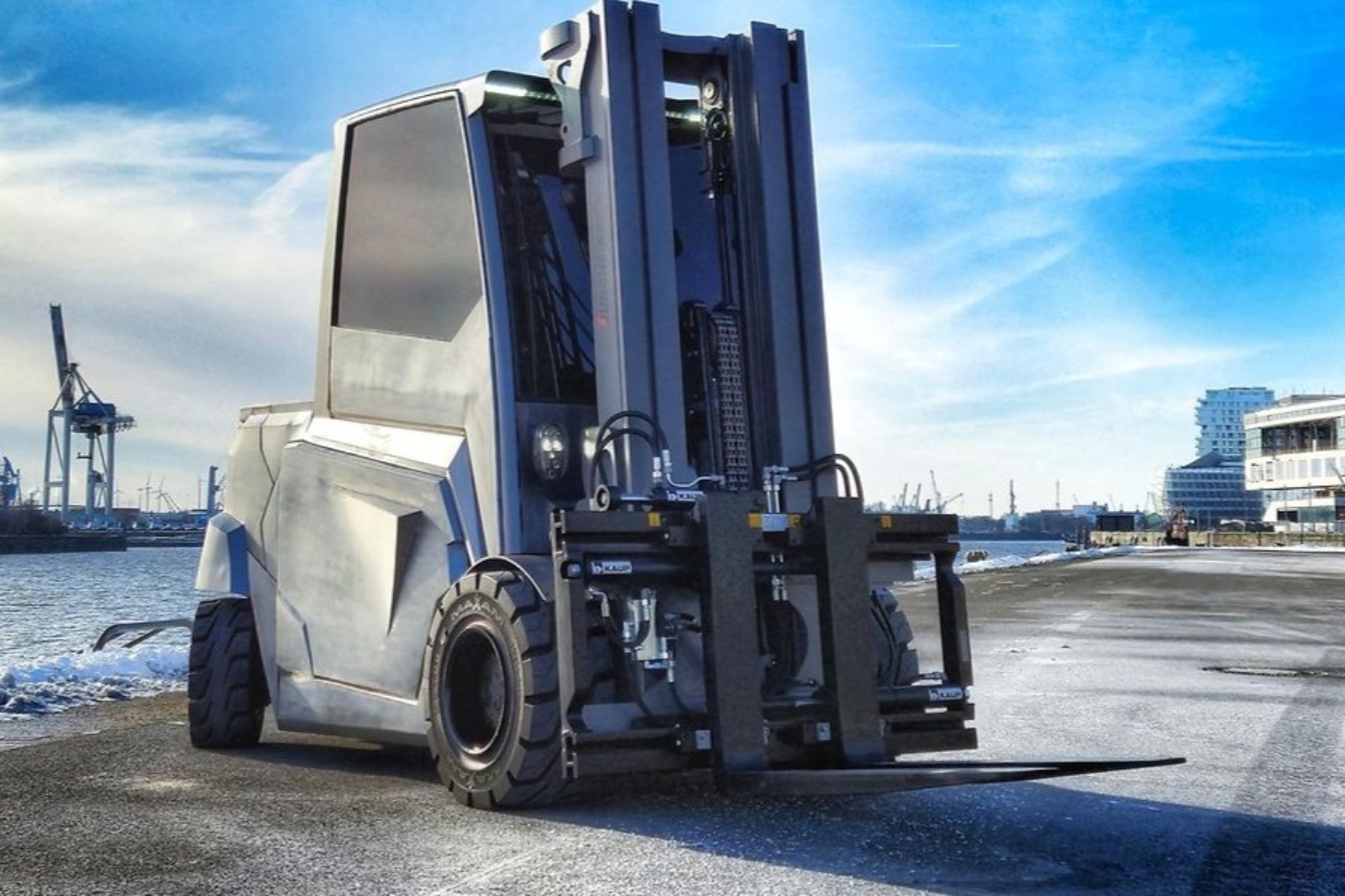
Jungheinrich is increasingly turning to Artificial Intelligence for the development of batteries for electric forklifts and is collaborating with Monolith to achieve this.
The focus is on using predictive AI models trained on early battery test data. The objective is to predict performance metrics at an early stage, accelerate development decisions, and significantly reduce the scope of physical testing.
The extensive test data generated during the development process is integrated into and analyzed by Monolith's AI-powered engineering platform. This allows engineers to evaluate battery technologies faster and develop them more purposefully.
With this data-driven approach, Jungheinrich aims to shorten development times, reduce costs, and simultaneously further increase the quality and efficiency of its electric material handling equipment.