
.svg)







IAA TRANSPORTATION Weekly | 17/2026
Daimler Buses, Isuzu, Toyota & Milence
Daimler Buses is investing up to 200 million euros in a comprehensive service offensive while expanding its e-ecosystem, and Isuzu and Toyota are joining forces to develop the first mass-produced light-duty fuel cell truck. Meanwhile, France is planning a massive expansion of its fast-charging infrastructure with 30,000 charging points by 2035, and Milence is demonstrating the feasibility of long-haul electric logistics in Europe with a real-world test tour. These are our top stories for Week 17 of 2026.
Daimler Buses is investing up to 200 million euros in a comprehensive service offensive while expanding its e-ecosystem, and Isuzu and Toyota are joining forces to develop the first mass-produced light-duty fuel cell truck. Meanwhile, France is planning a massive expansion of its fast-charging infrastructure with 30,000 charging points by 2035, and Milence is demonstrating the feasibility of long-haul electric logistics in Europe with a real-world test tour. These are our top stories for Week 17 of 2026.
- 1. Daimler Buses Invests Up to 200 Million Euros in Service Offensive and E-Ecosystem
- 2. Isuzu and Toyota Develop First Mass-Produced Light-Duty Fuel Cell Truck
- 3. France Plans Massive Expansion of Fast-Charging Infrastructure: 30,000 Charging Points by 2035
- 4. Milence Demonstrates Electric Long-Haul Trucking: 620 Miles from Paris to Berlin
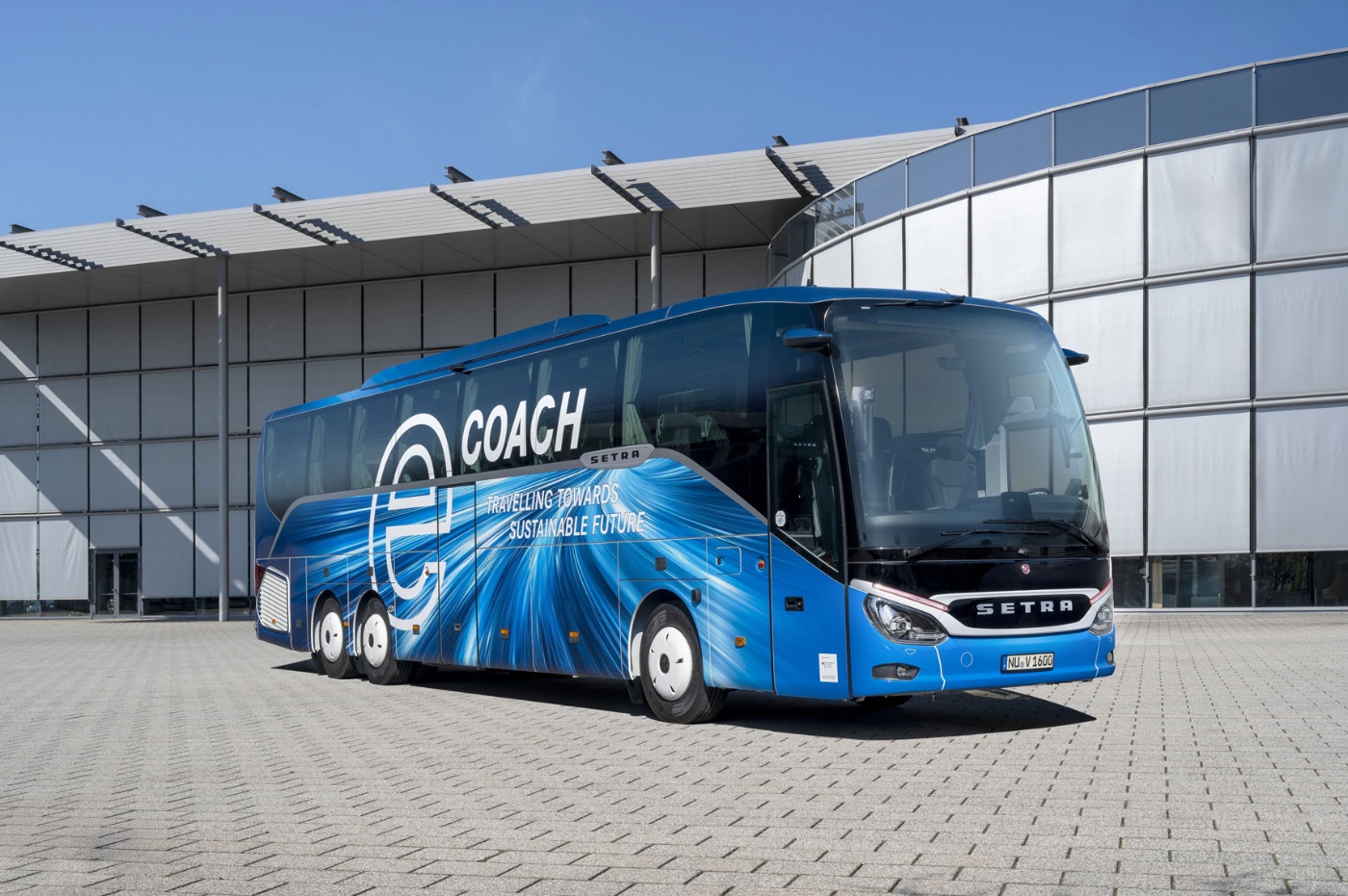
Daimler Buses is committing up to 200 million euros to expand its European service business, increasingly evolving into a provider of holistic e-mobility solutions. With over 630 existing locations, the service network will be modernized and enhanced with new offerings specifically centered around charging infrastructure and electromobility. These new services include a multilingual charging hotline, mobile service teams, and a "Charging-as-a-Service" model that covers the planning, construction, and operation of charging parks. Parallel to this, Daimler Buses is advancing its digital services, utilizing connected fleets, over-the-air updates, and data-driven maintenance solutions to increase efficiency and vehicle uptime. The company is bundling its infrastructure business under the Omniplus Charge brand and has announced the "eCoach," a battery-electric touring coach, as the next major technological step.
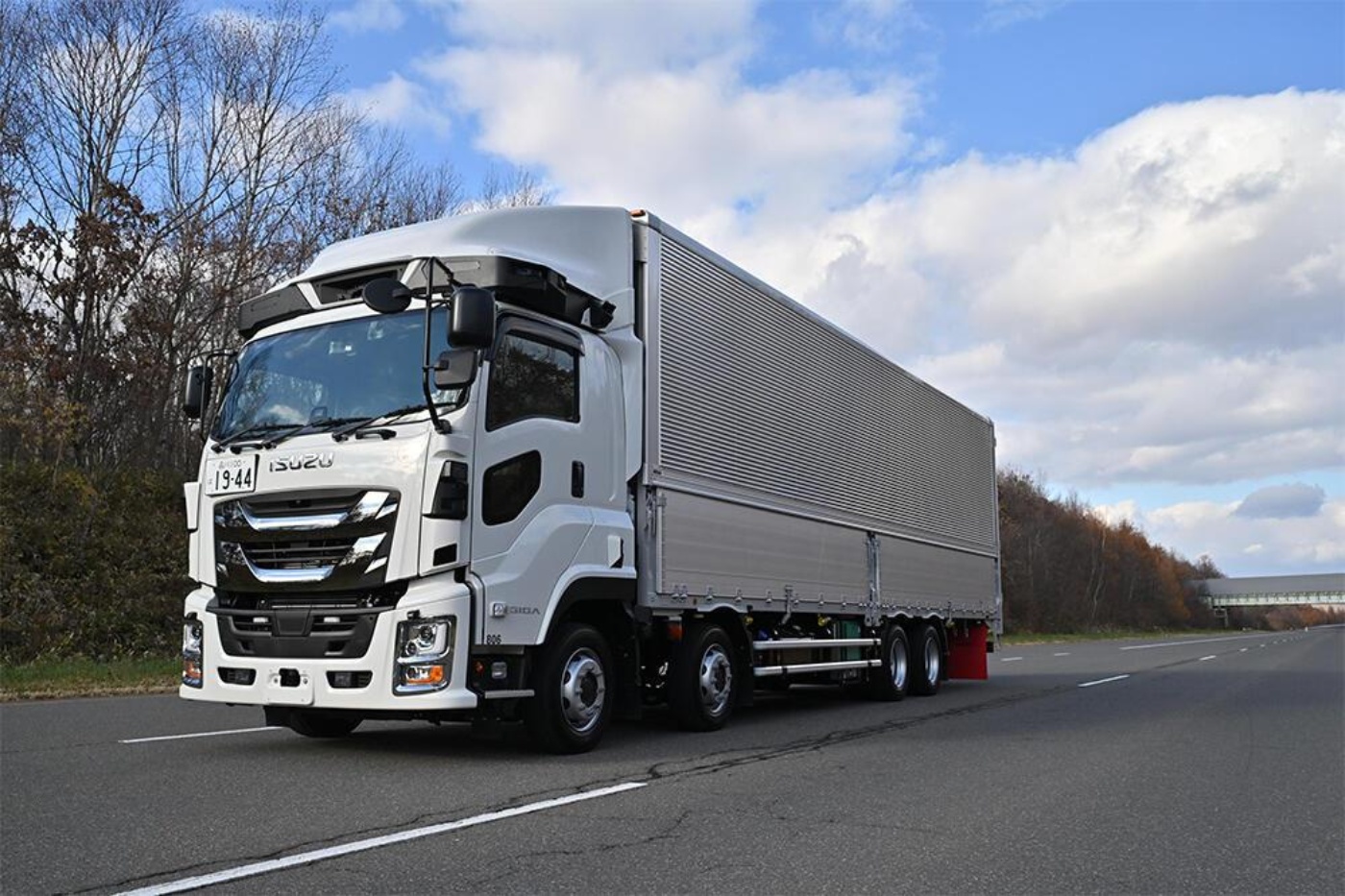
Isuzu Motors and Toyota Motor Corporation are co-developing Japan’s first production-ready light-duty fuel cell truck, with production slated to begin in 2027. The vehicle is based on the Isuzu ELF EV and integrated with Toyota’s next-generation fuel cell system. It is primarily designed for urban delivery, where rapid refueling and high range are critical operational requirements. The partners are focusing on improving the durability and lifespan of the fuel cells while optimizing control systems. At the same time, they are working specifically on cost reductions to accelerate the market penetration of hydrogen-powered trucks. This project marks a significant milestone for zero-emission commercial vehicles in high-intensity urban use.
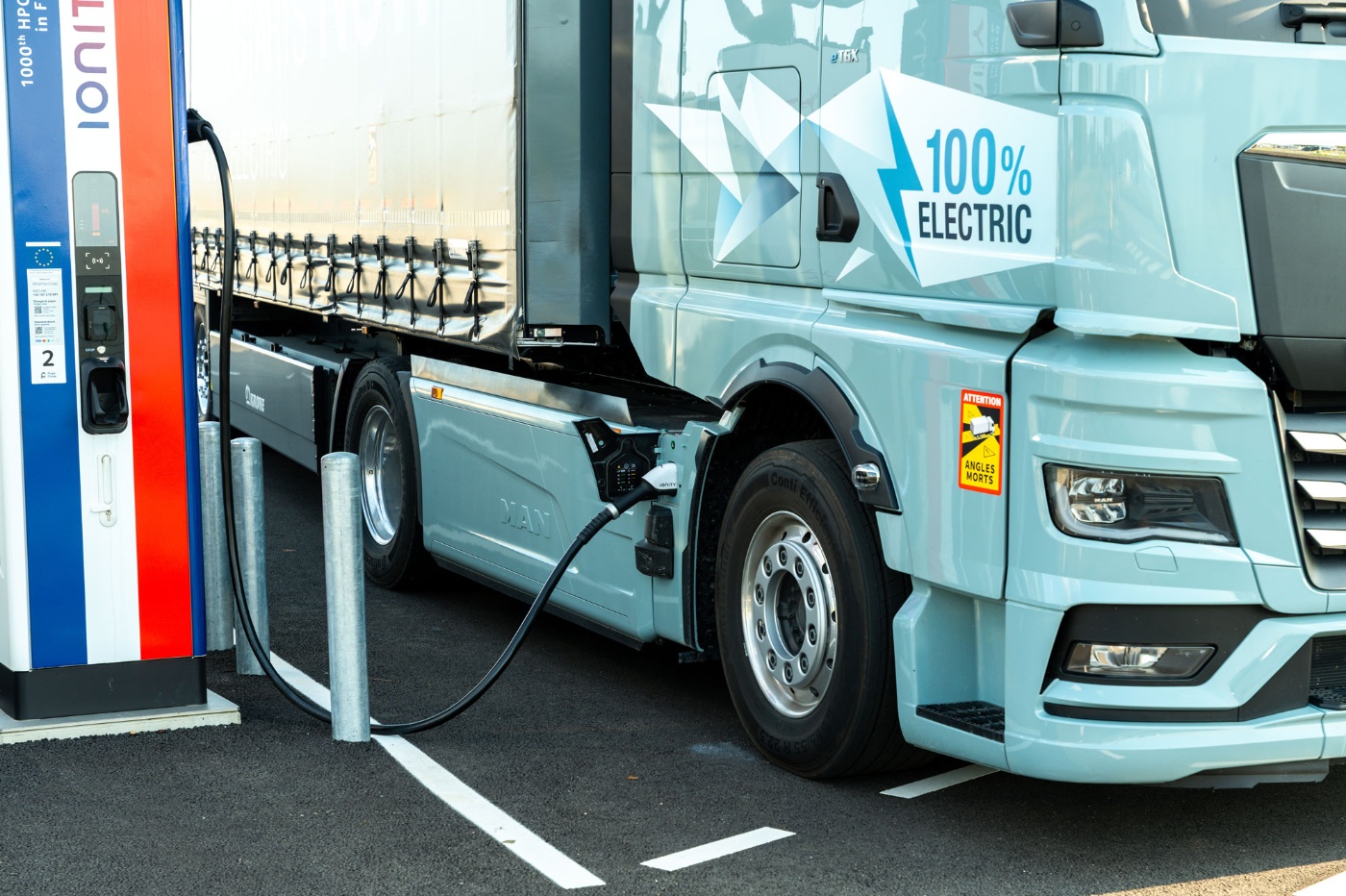
France is launching a massive expansion of its fast-charging infrastructure with the goal of installing approximately 30,000 charging points along central transit corridors by 2035. Significantly, about 8,000 of these points are designated specifically for electric trucks, reflecting a clear focus on decarbonizing road freight. The rollout is concentrated on the approximately 12,500-mile (20,000 km) national highway network, which carries the majority of long-distance traffic. Currently, there are about 4,500 charging points available at 420 rest areas, plus an additional 7,500 along other major routes. This master plan aims to significantly increase network density to facilitate electric mobility for both passenger cars and heavy-duty vehicles.
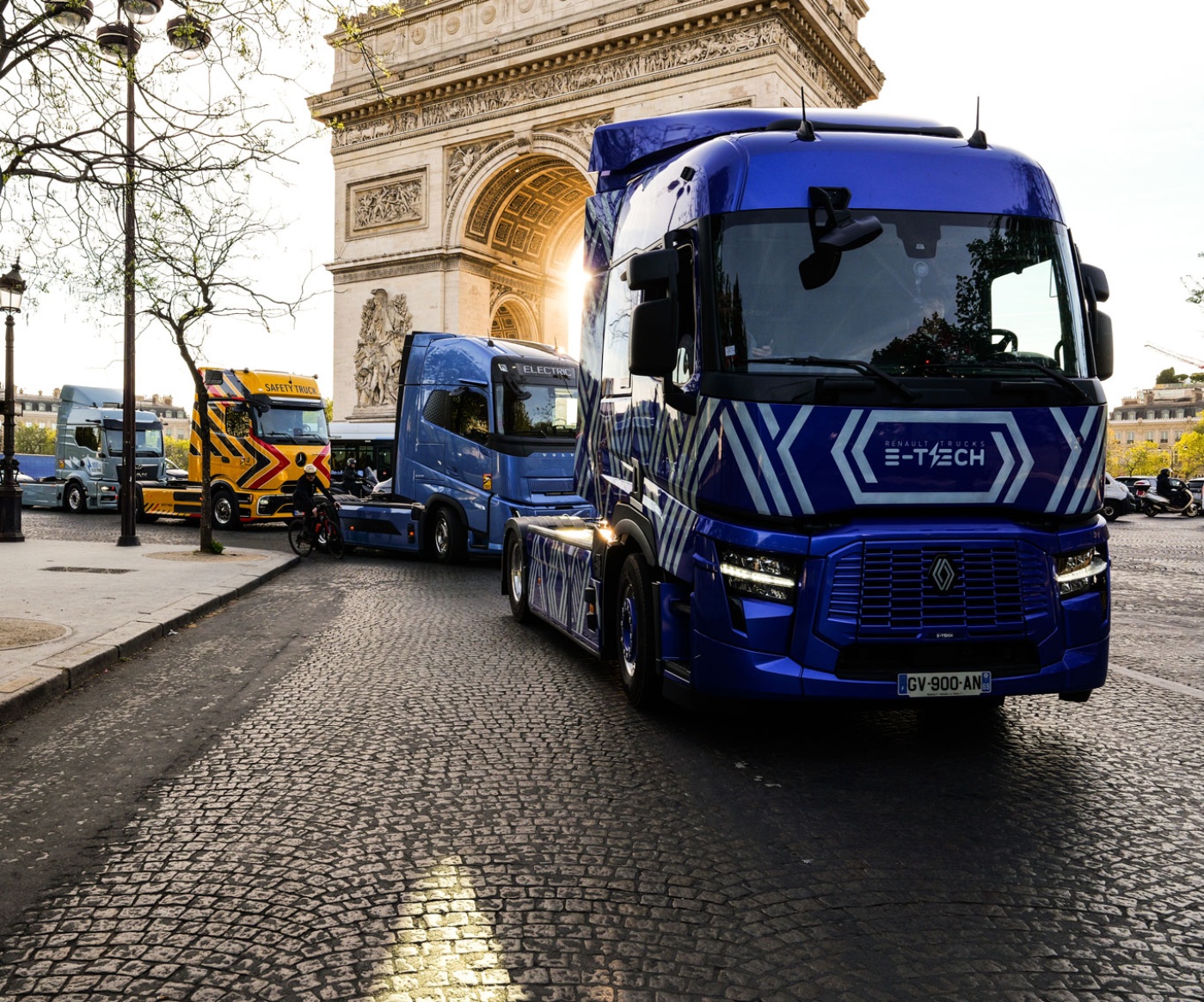
Milence is showcasing the viability of long-haul electric logistics in Europe through a real-world demonstration. During the "Power to Go Further Tour," electric heavy-duty trucks are traveling a 620-mile (1,000-kilometer) route from Paris to Berlin using only publicly accessible charging infrastructure. The route passes through major charging hubs in several countries, including France, Belgium, the Netherlands, and Germany, demonstrating a functioning cross-border electric truck corridor under real-world conditions for the first time. Supported by leading manufacturers such as Daimler Truck, MAN, Volvo Trucks, and Renault Trucks, the initiative aims to prove the practicality and growing market readiness of heavy-duty electric transport.