
.svg)







IAA TRANSPORTATION Weekly | 13/2026
Bosch, STILL, Fraunhofer, Suncar & CEVA Logistics
Bosch advances alternative drives for commercial vehicles, Suncar launches a vehicle-side megawatt charging interface, and CEVA Logistics begins maritime transport for used EV batteries—these are our top stories for week 13, 2026.
Bosch advances alternative drives for commercial vehicles, Suncar launches a vehicle-side megawatt charging interface, and CEVA Logistics begins maritime transport for used EV batteries—these are our top stories for week 13, 2026.
- 1. Bosch Advances Alternative Drives for Commercial Vehicles
- 2 STILL Presents Autonomous Solution for Truck Loading and Unloading
- 3. Fraunhofer Study Examines Potential of Humanoid Robots in Logistics
- 4. Suncar Launches Vehicle-Side Megawatt Charging Interface
- 5. CEVA Logistics Starts Maritime Transport for Used EV Batteries
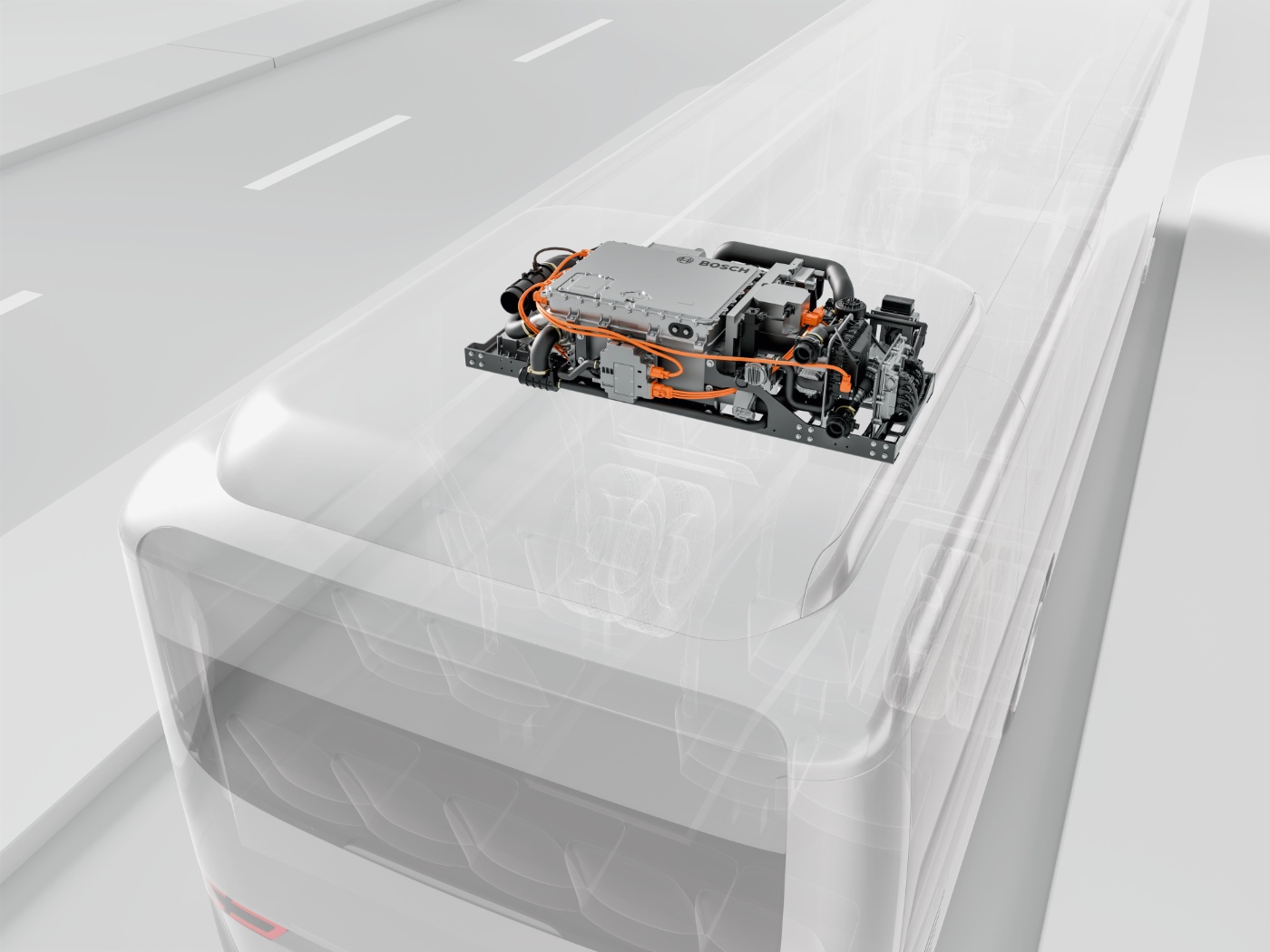
Bosch is expanding its portfolio of climate-friendly commercial vehicle drives, focusing simultaneously on hydrogen fuel cells and high-voltage battery-electric systems.
In the fuel cell sector, the new portfolio includes systems ranging from 100 to 300 kW. The compact FCPM C100 variant is designed for city buses and can be integrated onto the roof to save space, while more powerful versions are intended for motorcoaches and heavy-duty trucks.
Additionally, Bosch is presenting an 800-volt electric drive for heavy-duty applications in logistics and industry. The system combines the SMG230 electric motor with a silicon carbide (SiC) inverter, offering up to 188 kW of continuous power and a short-term torque of 550 Nm. Compared to 400-volt solutions, the 800-volt technology allows for higher power density at a lower weight.
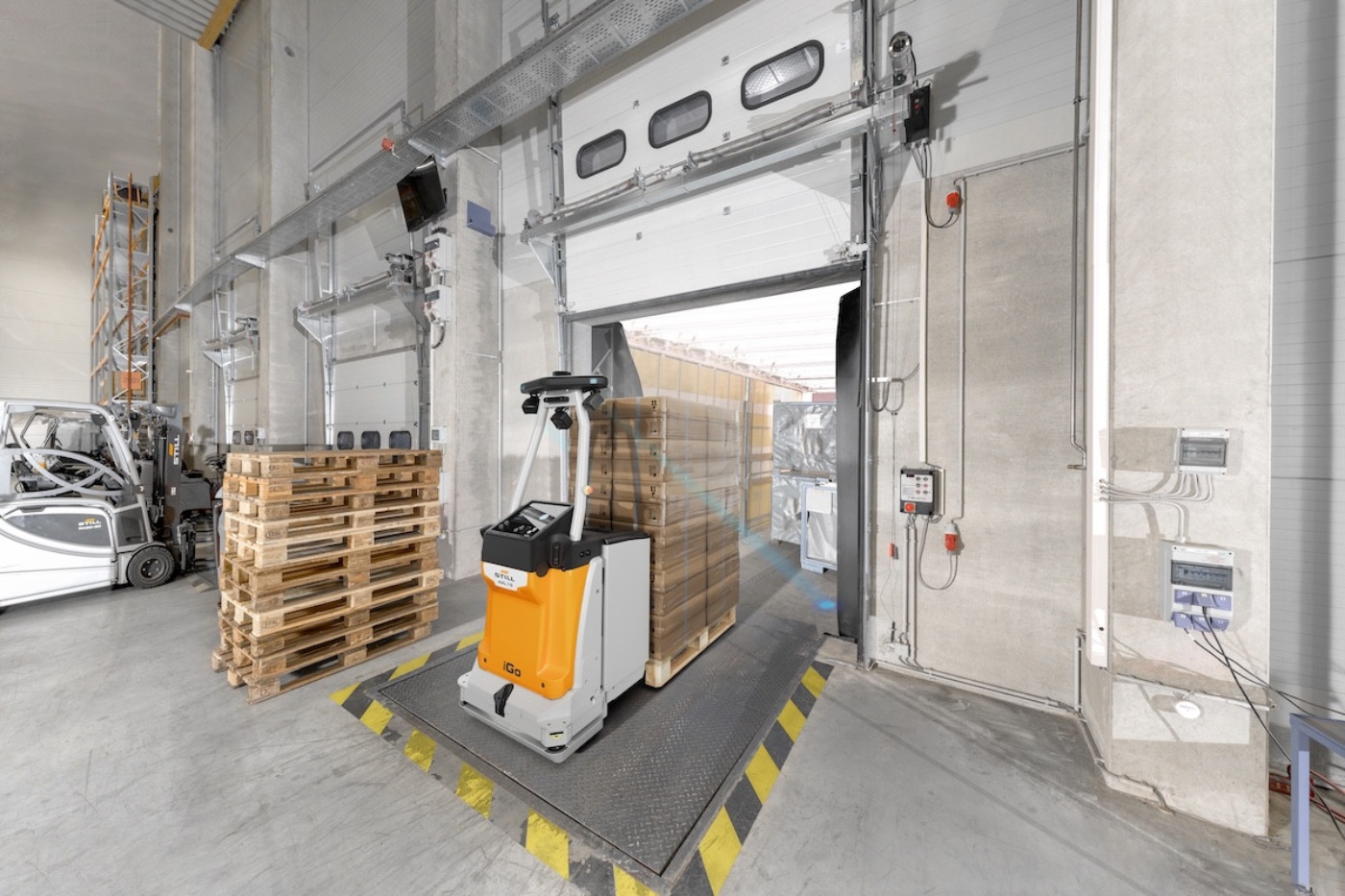
STILL has introduced the AXL 15 iGo, a production-ready solution for fully automated truck loading and unloading. This autonomous pallet jack is vehicle-based and operates without requiring additional infrastructure at the loading dock.
The system delivers industrial-grade performance: two vehicles can move up to 30 pallets in approximately 35 minutes, featuring a load capacity of 3,300 lbs (1,500 kg) and speeds of up to 6.5 ft/s (2 m/s).
For navigation, the AXL 15 iGo combines 3D Visual SLAM outside the truck with LiDAR inside the trailer, supplemented by cameras and safety sensors. Integrated 3D pallet recognition and automatic safety stops further enhance precision and operational security.
The solution can be integrated into existing logistics systems via VDA 5050 interfaces and APIs, making it especially suitable for standardized pallet processes. STILL positions the AXL 15 iGo as a major milestone toward achieving fully automated intralogistics.
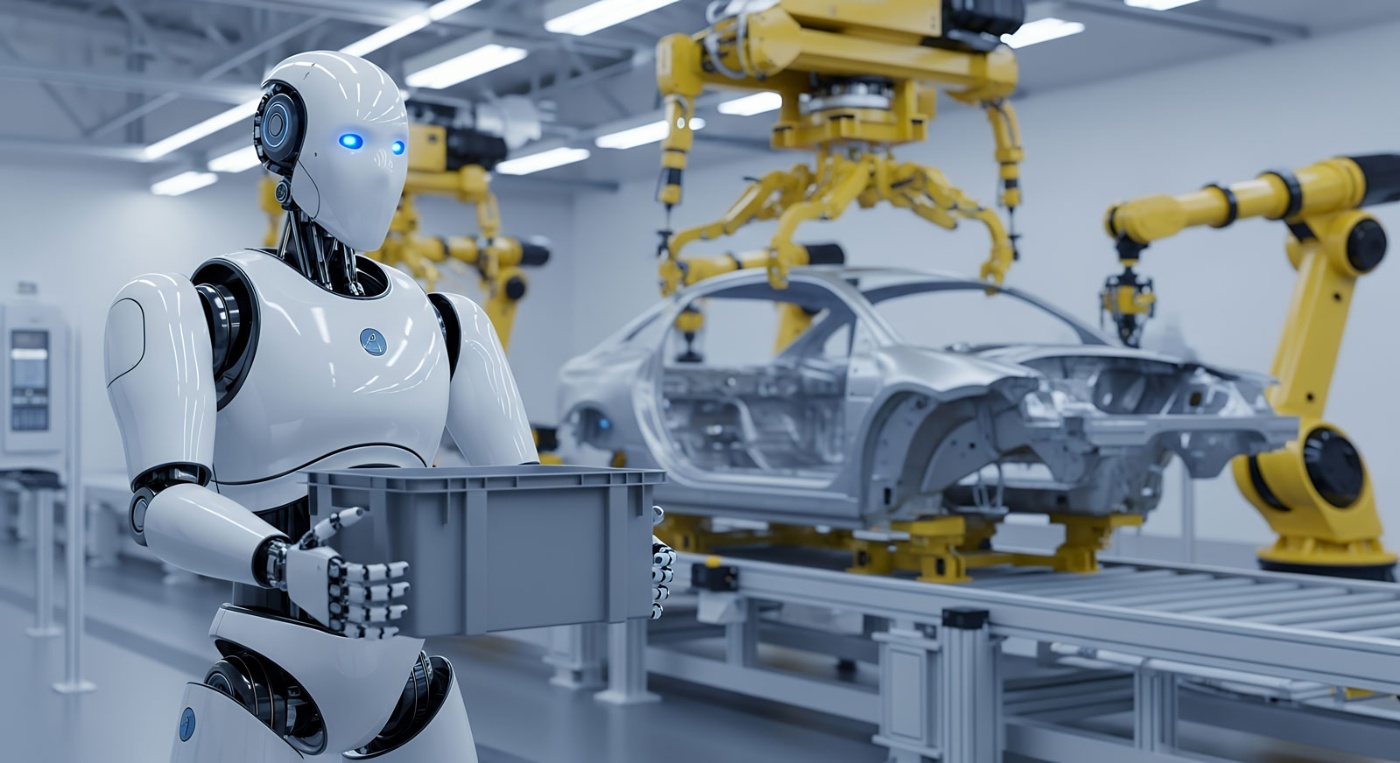
Fraunhofer IML identifies humanoid robots as a highly promising future trend for the logistics industry. According to a recent study, these robots could serve as flexible, multipurpose automation solutions, particularly in areas where traditional systems reach their limits—such as complex, non-standardized processes.
However, the market is still in an early developmental stage. While approximately 80 different systems have been identified, many core challenges regarding robustness, safety, and integration remain unresolved.
Despite this, about 75% of companies expect humanoid robots to be in productive use within the next ten years. They are primarily seen as a supplement to human labor, helping to address ongoing workforce shortages.
The study recommends launching pilot projects, establishing open standards, and increasing investment to test deployment scenarios and secure Europe’s competitiveness in the field of autonomous systems.
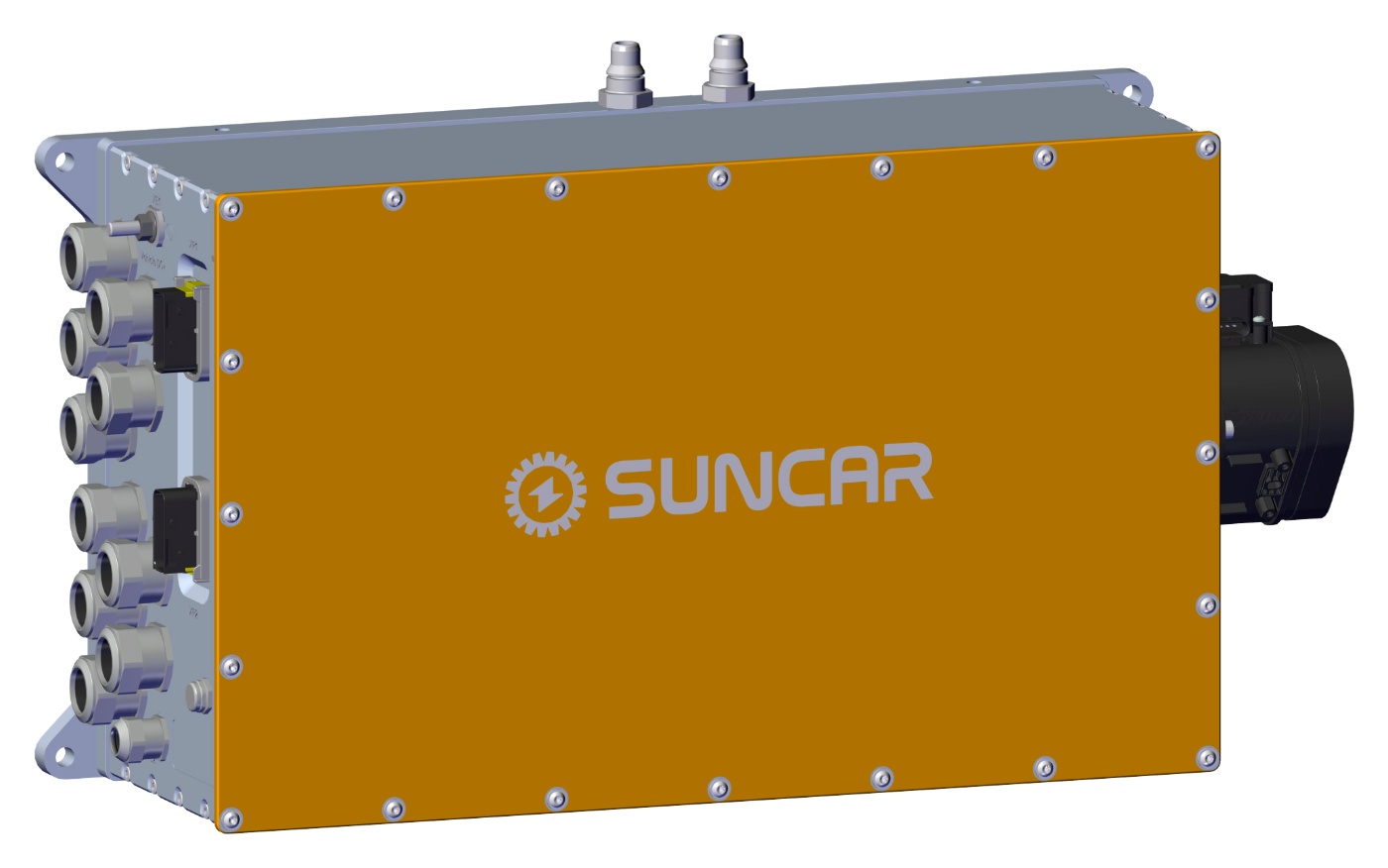
With the MEGAFLOW1500, Suncar is bringing a vehicle-side charging interface for the Megawatt Charging System (MCS) to market, addressing the integration of high-performance charging technology directly within the vehicle.
The modular solution bundles the charging inlet, high-voltage switching technology, and safety and communication functions into a single unit, with an optional MCS controller available. It supports voltages up to 1,000 volts and currents up to 1,500 amperes and is designed for demanding operating conditions with either active or passive cooling systems.
Featuring compact dimensions and an industrial-grade design (–40 to +85°C), the interface is specifically aimed at OEMs and machinery manufacturers to significantly reduce the development effort required to integrate MCS technology.
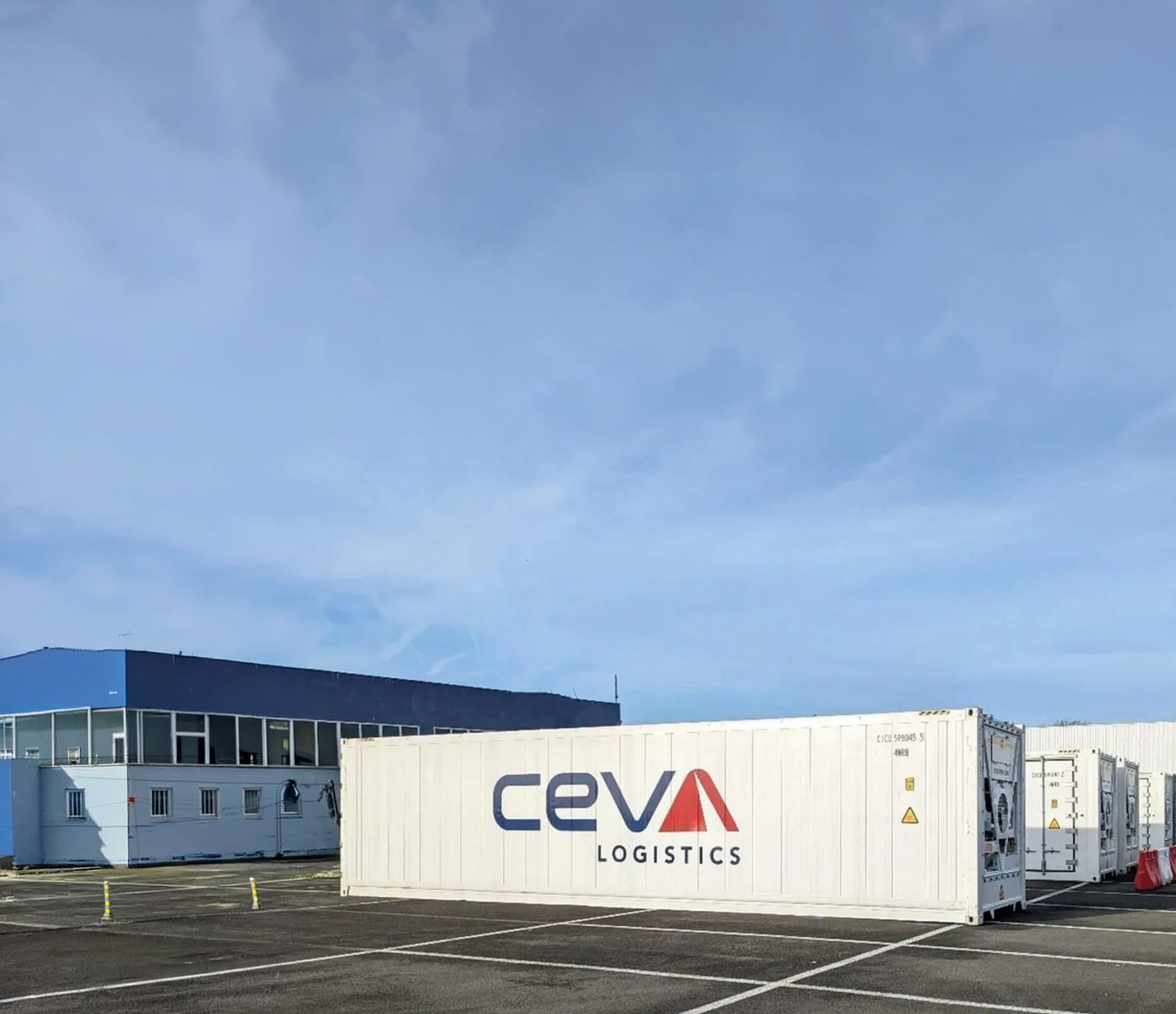
CEVA Logistics has launched a new sea freight service for used lithium-ion batteries. Available since March 2026, this solution—offered in cooperation with CMA CGM—is particularly focused on transporting end-of-life batteries from island regions to Europe.
To ensure safe transit, CEVA utilizes a double-container system featuring specialized safety enclosures ("vaults") and adapted containers with a capacity of up to 30 metric tons. The goal is to minimize risks such as thermal reactions.
The service closes a critical gap for regions lacking recycling infrastructure and supports compliance with EU regulations. It is part of a comprehensive reverse logistics approach that also includes collection, diagnostics, dismantling, and forwarding to recycling or second-life centers.