
.svg)







IAA TRANSPORTATION Weekly | 08/2026
MAN, Volvo Trucks, Shift2Zero, Yutong, E.ON, and Hyundai
MAN takes home the "Truck of the Year 2026" title in Spain, Volvo Trucks doubles down on US investment despite ongoing tariff debates, Yutong electrifies the Winter Olympics, and Hyundai cracks the 20-million-kilometer (12.4-million-mile) mark with hydrogen. These are our top stories for the eighth week of 2026.
MAN takes home the "Truck of the Year 2026" title in Spain, Volvo Trucks doubles down on US investment despite ongoing tariff debates, Yutong electrifies the Winter Olympics, and Hyundai cracks the 20-million-kilometer (12.4-million-mile) mark with hydrogen. These are our top stories for the eighth week of 2026.
- 1. MAN TGX D30 PowerLion Named “Truck of the Year 2026” in Spain
- 2. Shift2Zero: Electric Vans in Urban Logistics
- 3. Volvo Trucks Ramps Up US Investment
- 4. MAN Demonstrates Megawatt Charging in Sub-Zero Temps
- 5. 68 Yutong Electric Buses at the Winter Olympics
- 6. E.ON Study: Electric Trucking Saves Over 1.2 Million Tons of CO2 in Germany Alone
- 7. Hyundai Hits 20 Million Kilometers with Hydrogen-Electric Trucks in Europe
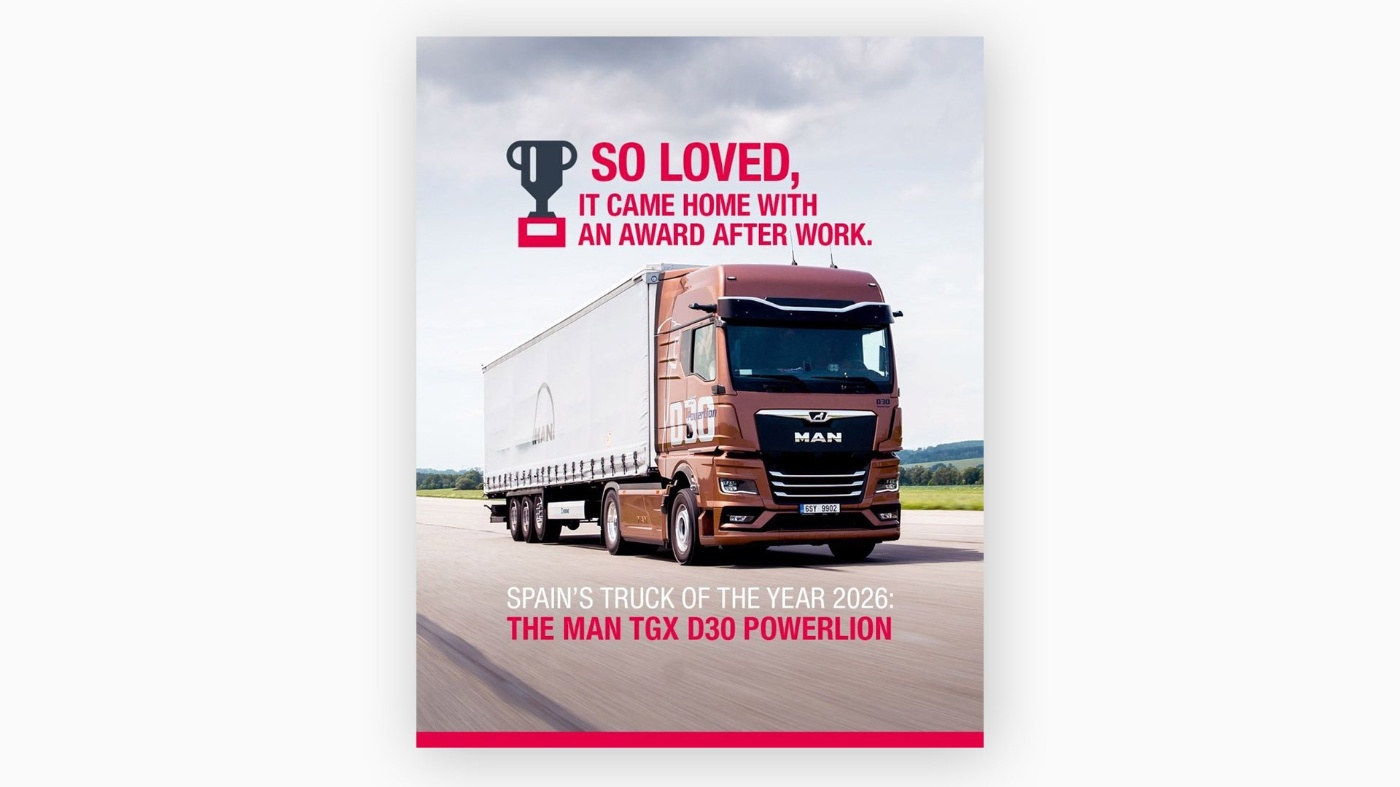
The new "Super-MAN" is on a winning streak. After being crowned "Truck of the Year 2026" in Spain, MAN is backing up its efficiency strategy with cold, hard facts. In European truck testing, the TGX equipped with the D30 powertrain averaged just 21.16 liters per 100 kilometers (approx. 11.1 MPG). This figure validates the technical promise of the new "PowerLion" drive concept. By optimizing thermodynamics and aerodynamics, the system achieves fuel savings of roughly 4% over its predecessor, significantly lowering the Total Cost of Ownership (TCO) for fleet operators.
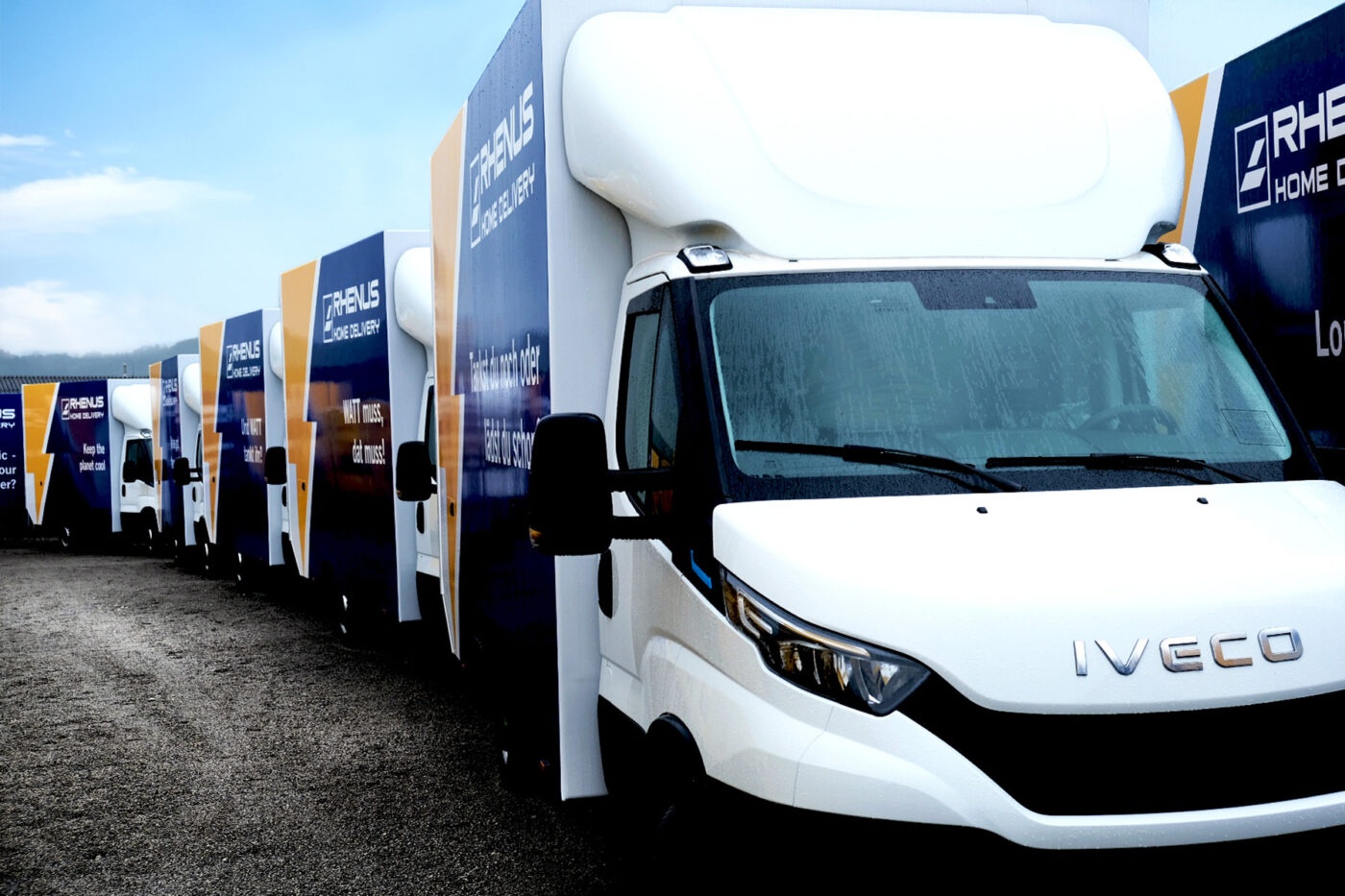
To turn the vision of "zero-emission" urban logistics into a reality, the EU-funded Shift2Zero project has launched a large-scale pilot phase. The project focuses on innovative, modular Class N1 electric vans that can be customized to meet various delivery needs. The consortium is currently testing these vehicles under real-world conditions across six European locations, including intelligent geofencing solutions for low-emission zones. The goal is to develop scalable blueprints for decarbonizing last-mile delivery.
Despite the trade policy debates surrounding tariffs under the new US administration, Volvo Trucks is sending a clear signal of commitment to its North American operations. The Swedish manufacturer is moving forward with a $400 million investment to expand its New River Valley plant in Virginia, boosting production of the new Volvo VNL. Additionally, Volvo is preparing to open a new plant in Mexico later this year to make its supply chain in the US Southwest and West Coast more efficient and resilient to global fluctuations.
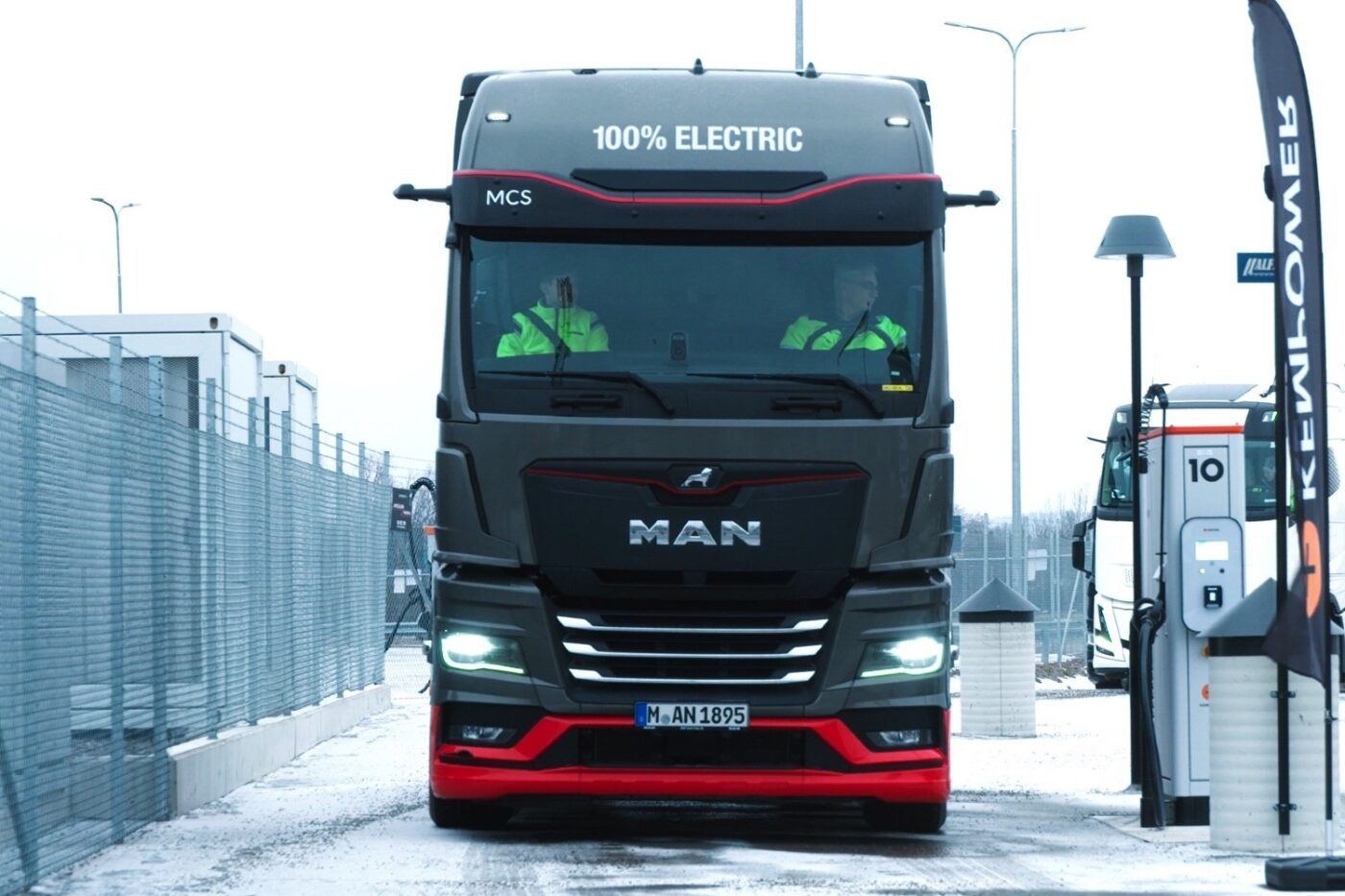
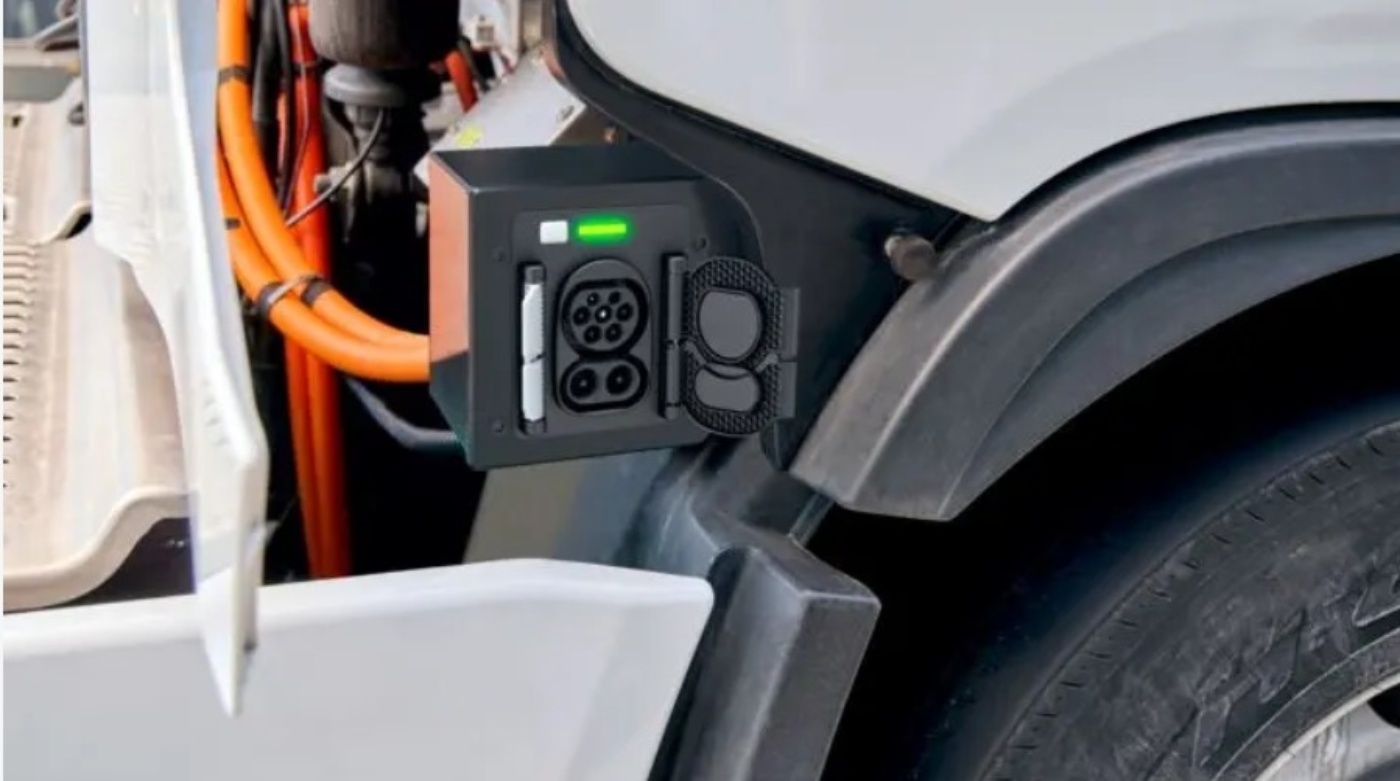
Electric mobility has to perform in extreme conditions—and MAN just proved it can in Sweden. During its "Winter Camp" in Norrköping, the manufacturer demonstrated that its Megawatt Charging System (MCS) remains stable even at temperatures as low as -40°F (-40°C). The MAN eTGX consistently charged at over 750 kilowatts, boosting the battery’s State of Charge (SoC) from 10% to 90% in about 30 minutes. This test is considered a major milestone toward production readiness for electric long-haul trucking, which requires reliability that goes beyond "fair-weather" conditions.

The Winter Olympics in Milan and Cortina are in full swing, serving as the ultimate live test for zero-emission mobility. Yutong is providing the backbone of the event's shuttle service with a fleet of 68 battery-electric buses. The E7S model, in particular, is proving its agility daily in the demanding, narrow streets of the region's historic town centers. Following the Closing Ceremony this coming Sunday, the vehicles will be integrated into the regular transit fleets of the Lombardy and Veneto regions.
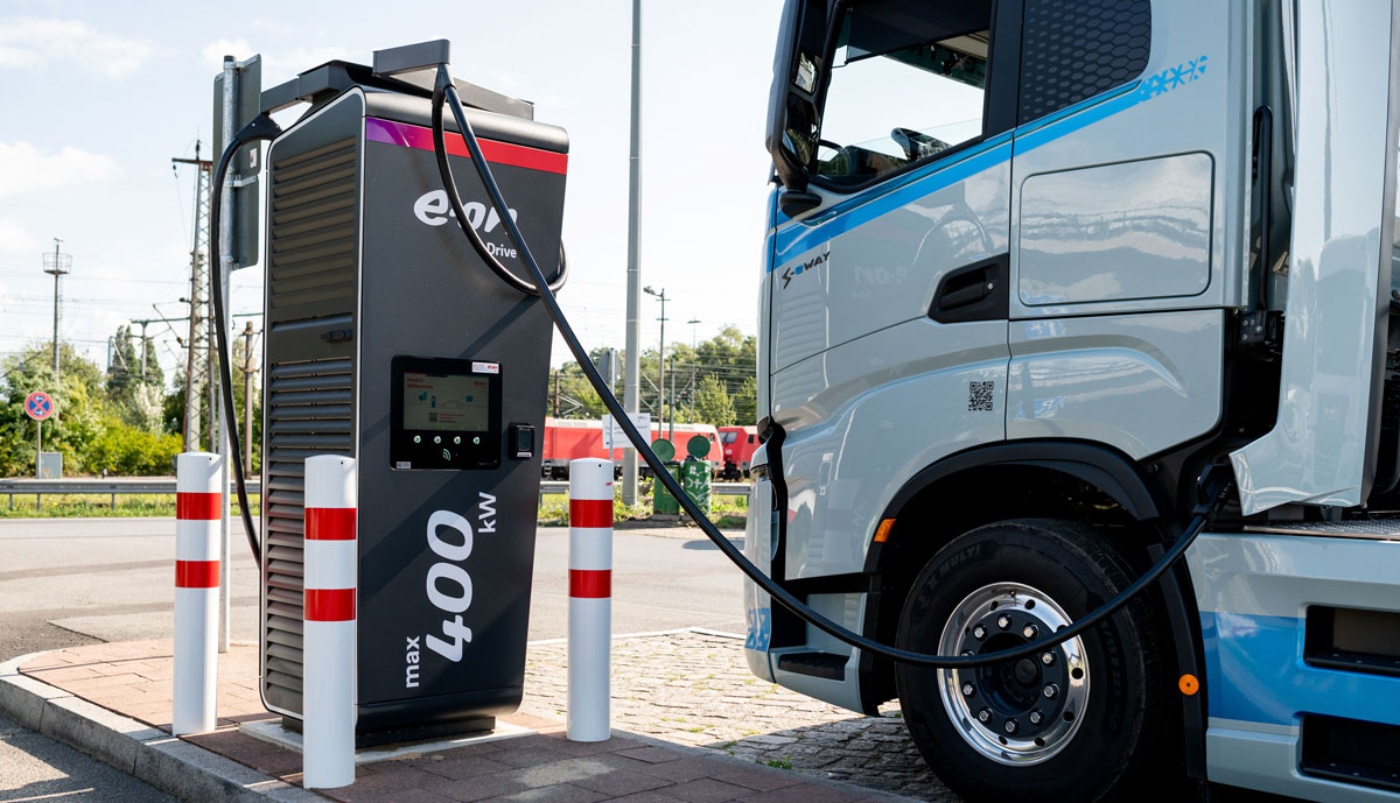
A recent data analysis by E.ON proves that the shift to electric powertrains in heavy-duty transport is paying off. With roughly 109,000 electric commercial vehicles now registered in Germany—10,000 of which are heavy-duty trucks over 12 tons—economies of scale are beginning to take hold. The analysis shows that when powered by green energy, this fleet already saves 1.2 million tons of CO2 annually. Even with a market share of only 2.6%, these figures highlight the massive potential of electrification in meeting national climate goals for the transport sector.
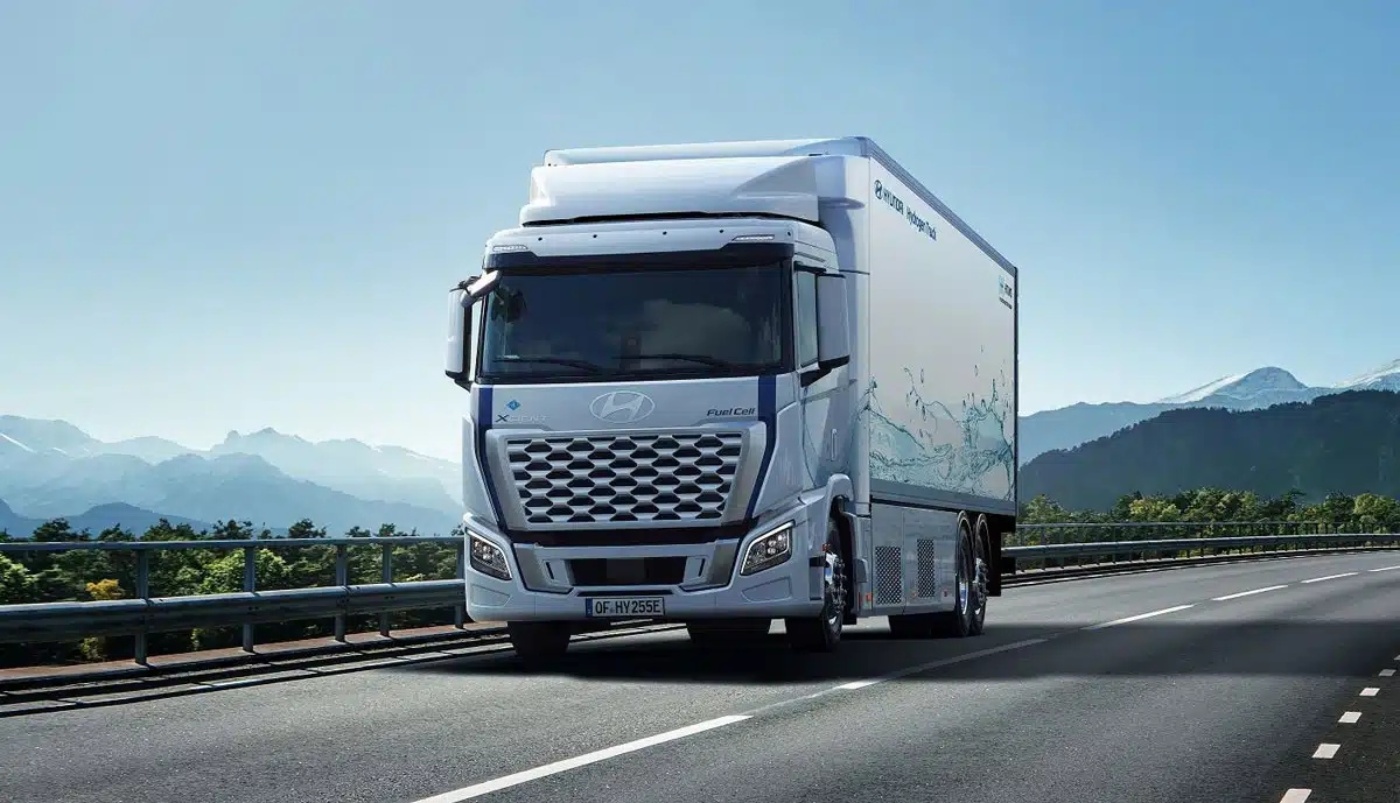
Hyundai is cementing its role as a hydrogen pioneer with an impressive long-distance record. Its European fleet of 165 XCIENT Fuel Cell trucks has surpassed a cumulative 20 million kilometers (12.4 million miles) in commercial use. This data, gathered over five years of real-world operation in markets like Switzerland and Germany, is being funneled directly into further technology development. The new models introduced for 2026 already feature an optimized fuel cell system designed for maximum durability and efficiency in heavy-duty distribution.