
.svg)







IAA TRANSPORTATION Weekly | KW 03/2026
Volkswagen Commercial Vehicles, Bosch, Kodiak AI, Fiat, Amazon, AUMOVIO, Iveco, Plus
Bosch and Kodiak AI advance the production readiness of autonomous trucks; Amazon and AUMOVIO accelerate autonomous commercial vehicles using AI and cloud platforms; Volkswagen Commercial Vehicles optimizes the e-Transporter and e-Caravelle; Fiat Professional brings the "Tris" electric micro-transporter to Europe; BYD brings megawatt charging to Germany in 2026; and Iveco and Plus test autonomous trucks under real-world conditions in Spain for the first time—these are our top stories for the third week of 2026.
Bosch and Kodiak AI advance the production readiness of autonomous trucks; Amazon and AUMOVIO accelerate autonomous commercial vehicles using AI and cloud platforms; Volkswagen Commercial Vehicles optimizes the e-Transporter and e-Caravelle; Fiat Professional brings the "Tris" electric micro-transporter to Europe; BYD brings megawatt charging to Germany in 2026; and Iveco and Plus test autonomous trucks under real-world conditions in Spain for the first time—these are our top stories for the third week of 2026.
- 1. Bosch and Kodiak AI drive autonomous trucks toward mass production
- 2. Amazon and AUMOVIO accelerate autonomous commercial vehicles with AI and cloud platforms
- 3. Volkswagen Commercial Vehicles optimizes e-Transporter and e-Caravelle
- 4. Fiat Professional brings the "Tris" electric cargo three-wheeler to Europe
- 5. BYD brings Megawatt Charging to Germany in 2026
- 6. Field Tests: Autonomous Iveco trucks with PlusAI technology in Spain
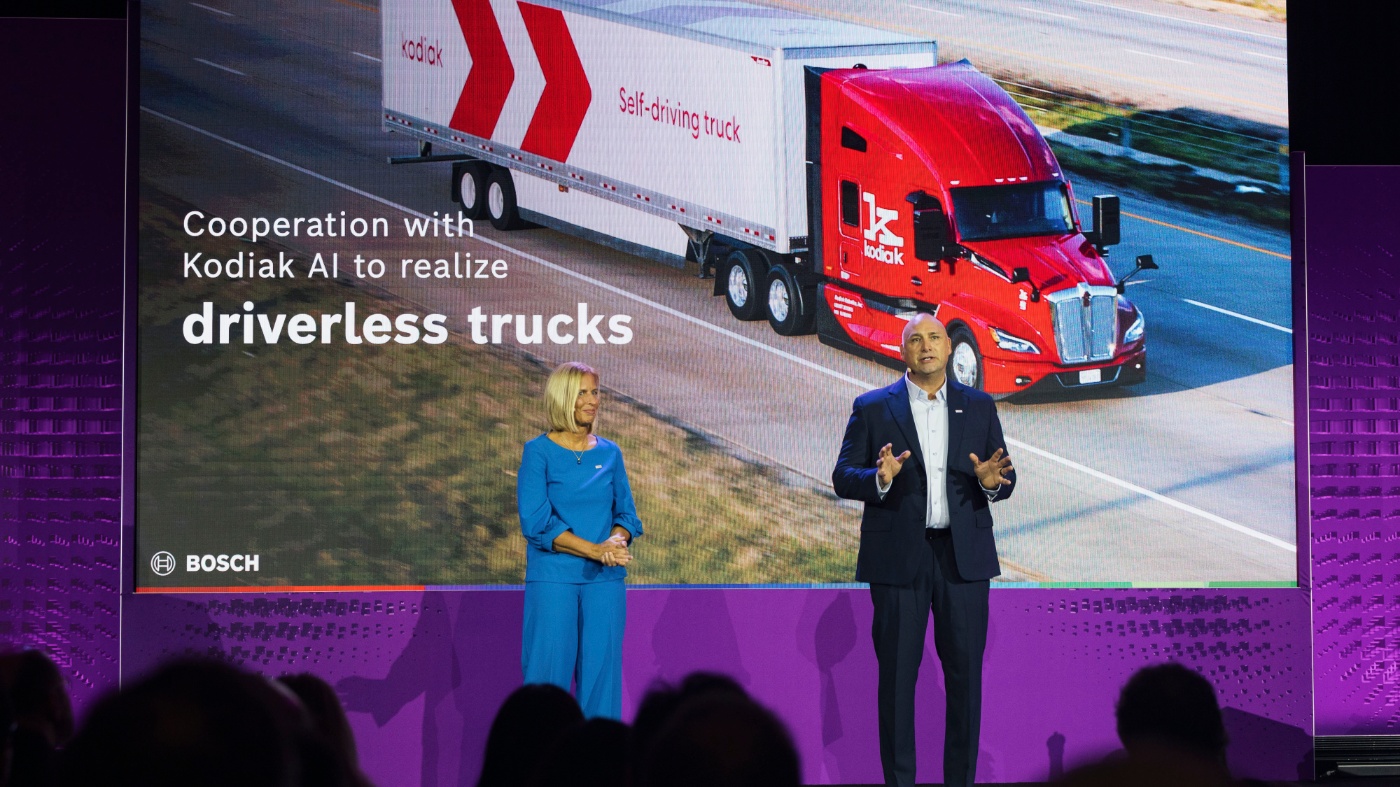
Bosch has announced a strategic partnership with US autonomy specialist Kodiak AI to scale autonomous trucks, focusing specifically on the commercialization of self-driving heavy-duty vehicles. At CES 2026 in Las Vegas, it became clear that Bosch is further expanding its role in autonomous mobility, working concretely with Kodiak on a production-ready autonomous platform that unites hardware, firmware, and software integration.
As part of the collaboration, Bosch will supply automotive-grade components—including high-end sensors, vehicle actuators, and steering technologies—to be integrated into Kodiak’s autonomous driving system, the "Kodiak Driver." The goal is to create a redundant, industrial-grade autonomous platform suitable for both factory installation in new trucks and retrofitting existing vehicles. This modularity is designed to make the technology scalable across various truck models and manufacturers.
For its part, Kodiak AI brings extensive AI software expertise to the partnership. The company already has driverless trucks in real-world operation, such as in freight transport, and uses this fleet as a testing ground for further developing its autonomous systems. The cooperation with Bosch is intended to accelerate the transition from isolated deployments to series production by making physical hardware and vehicle control systems available at industrial quality. The company plans to deliver approximately 100 driverless trucks by the end of 2026 and subsequently phase out safety drivers.
Amazon is leveraging its cloud and AI capabilities to drive progress in autonomous commercial vehicles. At CES 2026, Amazon Web Services (AWS) and German technology provider AUMOVIO SE announced an expanded collaboration designed to accelerate the development, testing, and eventual commercial use of Level 4 autonomous vehicles. AWS has been named AUMOVIO’s preferred cloud provider, using its advanced generative and agent-based AI tools to process massive amounts of data for the development and validation of autonomous systems more efficiently. This will specifically help identify rare "edge case" scenarios—such as sudden obstacles or complex traffic situations—which are critical for the safety certification of autonomous systems.
Simultaneously, AUMOVIO plans to supply hardware platforms, sensors, and integrated software systems for autonomous driving functions. With support from AWS, these components can be tested and prepped for deployment faster, as cloud AI drastically speeds up data analysis and validation.
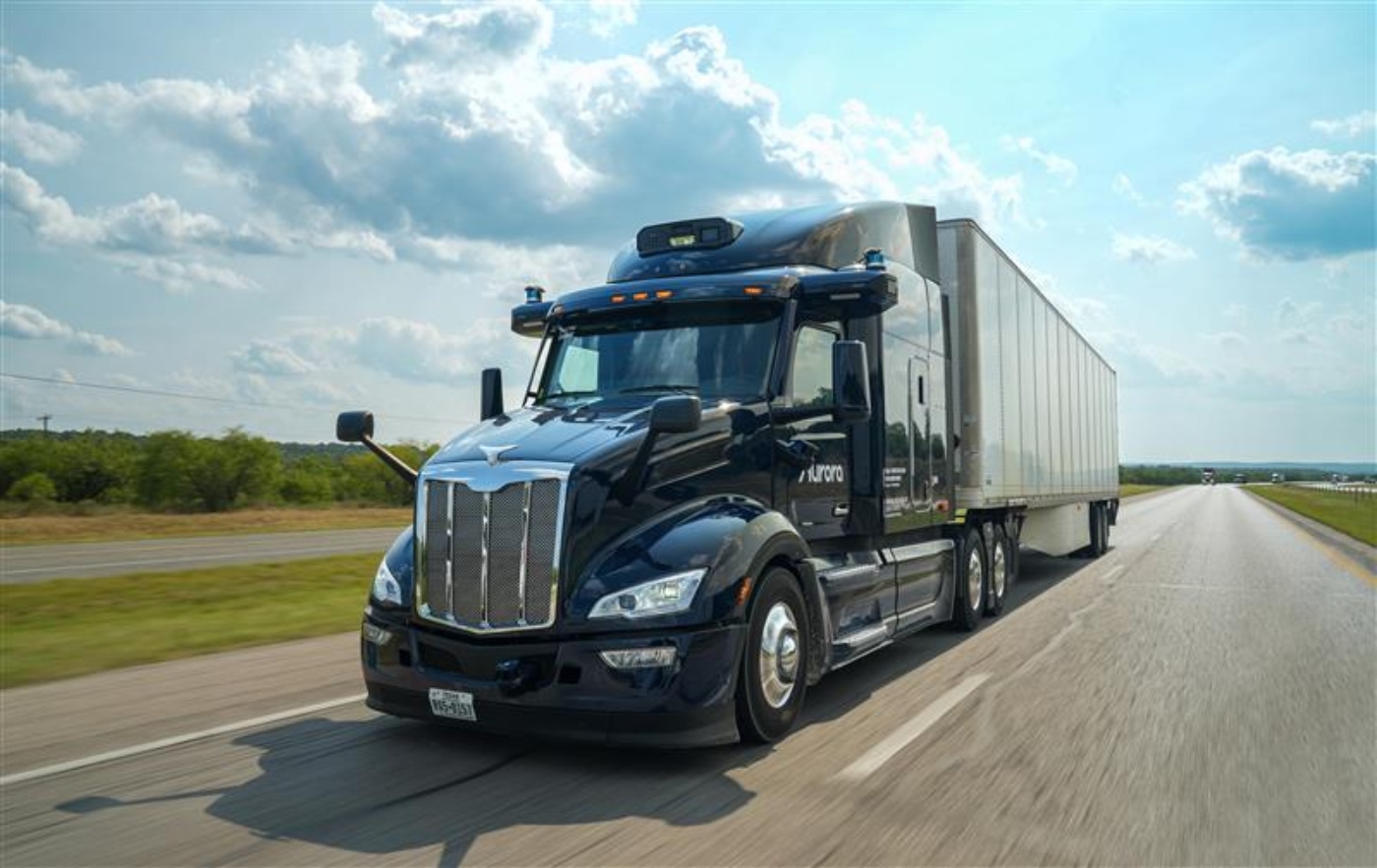
A standout project of this partnership is the collaboration with Aurora Innovation, an American provider of autonomous trucks. Together, AUMOVIO and AWS aim to develop the next generation of autonomous trucking systems and bring them to market starting in 2027, launching with Aurora vehicles in the heavy-haul freight sector. Aurora intends to integrate AUMOVIO hardware and AWS AI workflows into its "Aurora Driver," which has undergone more than 4.5 million validation tests to ensure safety.
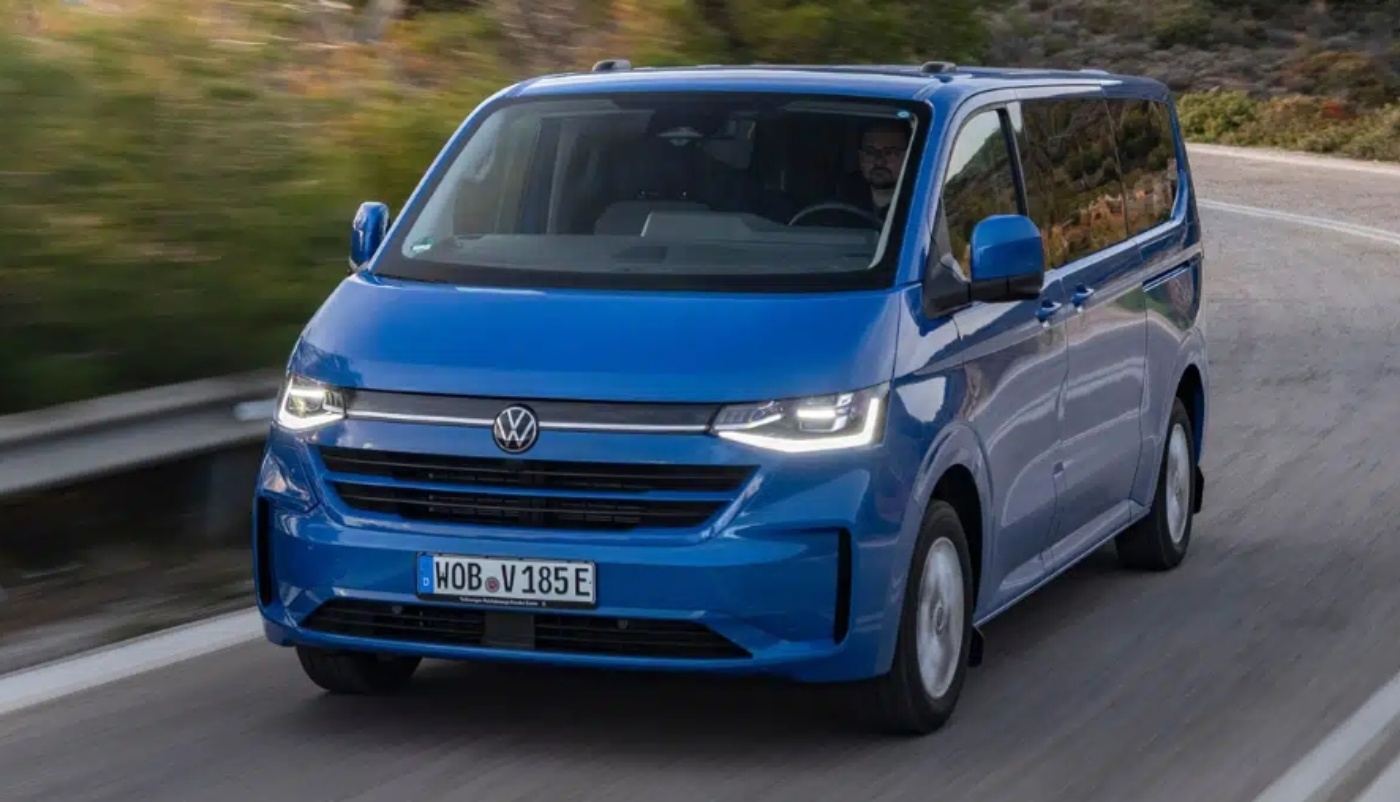
Volkswagen Commercial Vehicles has technically overhauled its electric Transporter and e-Caravelle models to further improve everyday practicality, range, and driving dynamics. The focus is on a larger usable battery capacity and an optional all-wheel-drive system. The usable capacity of the traction battery has increased from 64 to around 70 kWh, enabling a range of up to approximately 380 kilometers (approx. 236 miles) in operation—13% more than before. At the same time, drivers will benefit from shorter charging times; in the future, the battery is expected to charge from 10% to 80% in around 30 minutes at a DC fast-charging station.
Another major advancement is the newly available optional electric all-wheel drive (4Motion). The intelligent 4Motion system combines the familiar rear-mounted motor with an additional electric motor on the front axle, which are not mechanically coupled. Through electronic control, torque can be distributed instantly between the rear and front axles as needed. The result is expected to be greater traction on slippery or loose surfaces, improved driving stability, and superior handling, especially with heavy loads or in difficult terrain. The AWD option is offered in three power levels: 100 kW (136 hp), 160 kW (218 hp), and 210 kW (286 hp).
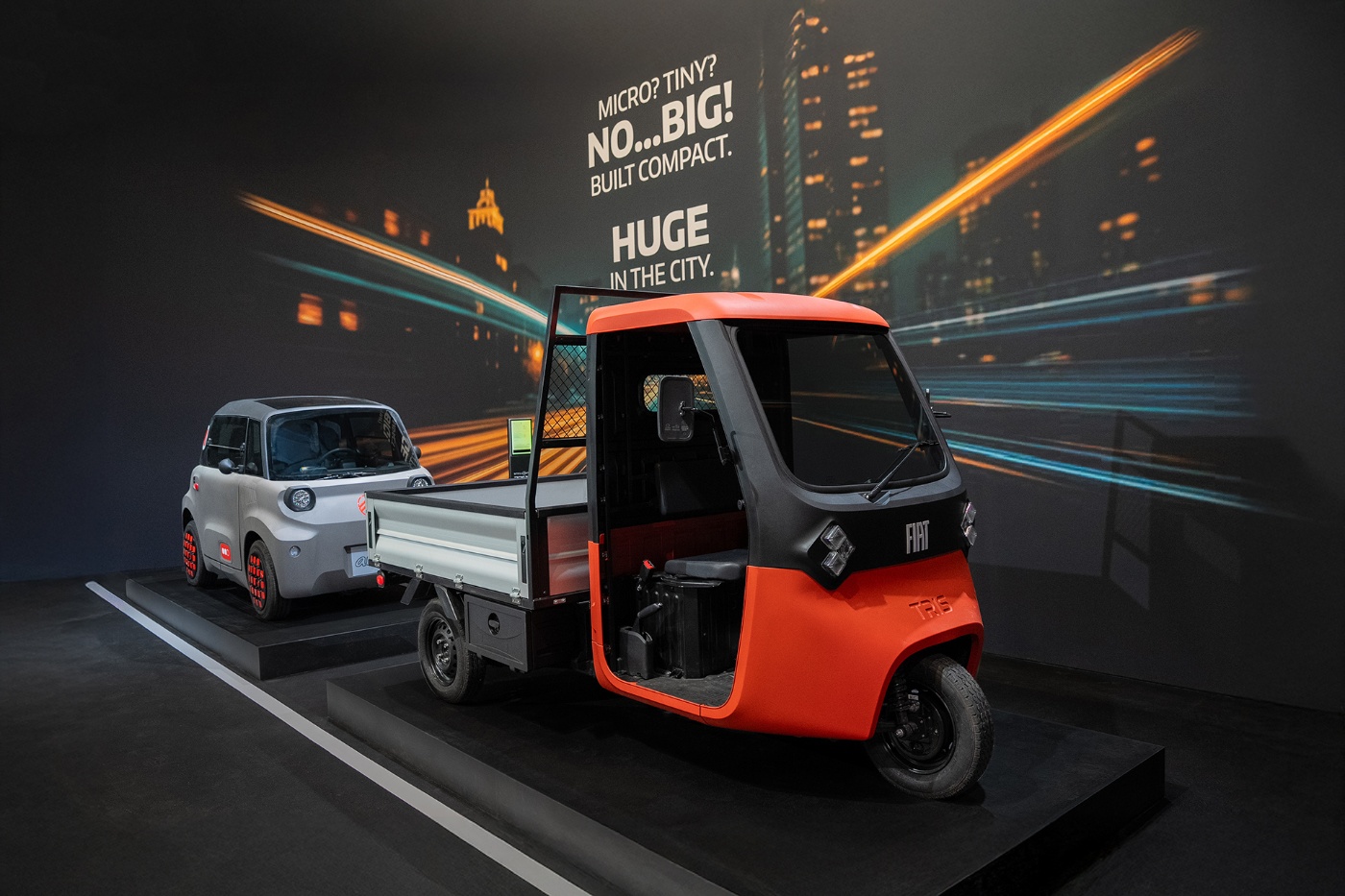
At the Brussels Motor Show, Fiat Professional unveiled the Fiat Tris, an electric cargo three-wheeler reportedly designed specifically for urban delivery and logistics applications. Developed by the Stellantis Design Centre in Italy, it was introduced in Morocco a few months ago. This year, it will launch in select European markets, starting with Italy. The Tris utilizes an electric tricycle concept with a cargo area of around 2.25 m² and a payload capacity of up to 540 kg (approx. 1,190 lbs).
The Tris is powered by a 48-volt electric motor delivering 9 kW (approx. 12 hp) and maximum torque of 45 Nm, which should provide a top speed of 45 km/h (28 mph). The lithium battery, with a capacity of roughly 6.9 kWh, is rated for a range of about 90 kilometers (56 miles).
The architecture of the Tris allows for various body configurations, such as chassis cab, flatbed, or pickup, and offers numerous customization options for different industry requirements via the "CustomFit" program. Thanks to the integrated 220V charging connector, the battery can also be charged via a standard household outlet.
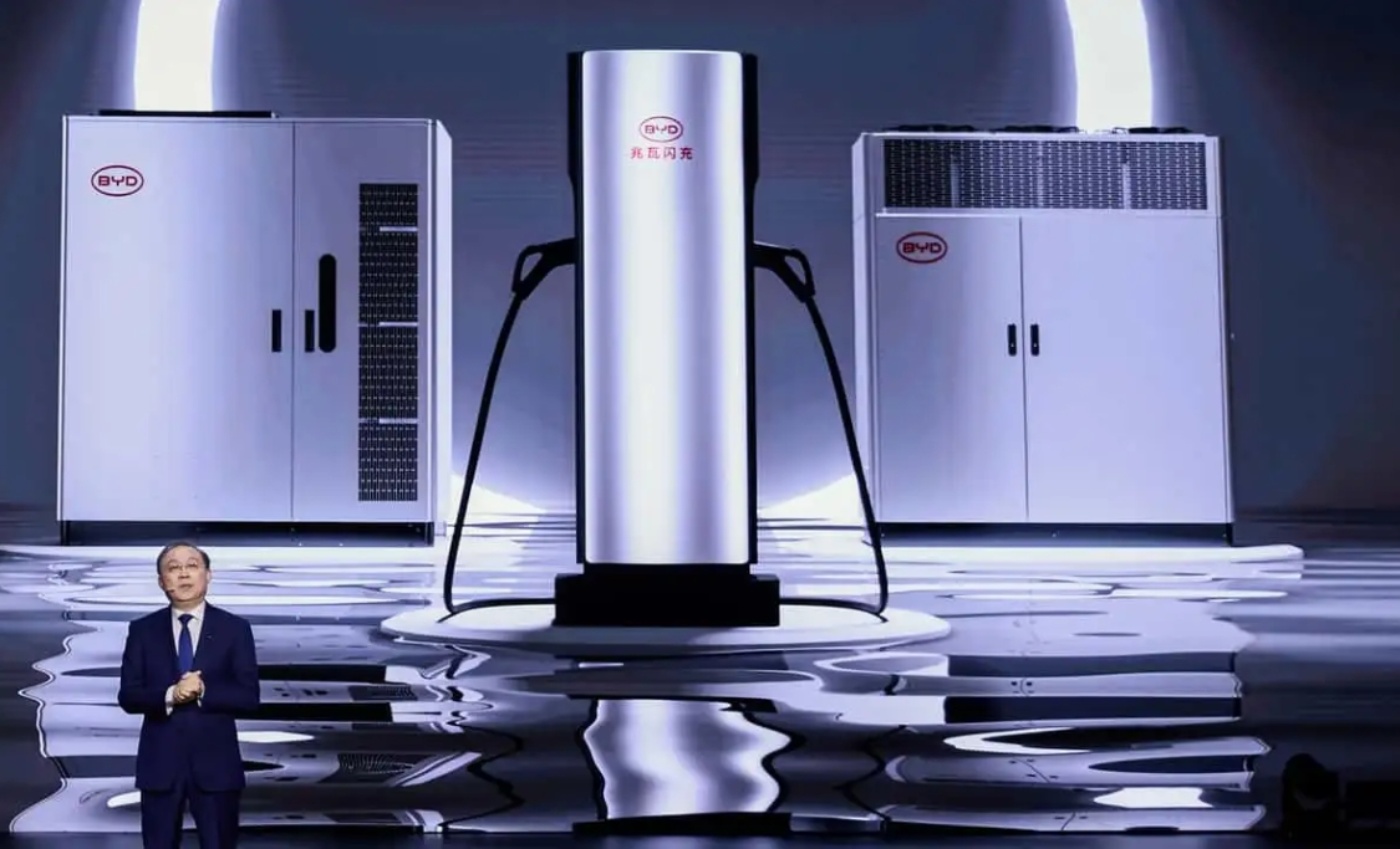
Chinese manufacturer BYD has officially announced plans to introduce its "Megawatt Charging System" (Mega-Flash-Charging) to Germany in 2026. The goal is to build a network of 300 megawatt charging points by the end of the year, primarily at BYD dealership locations. The system is designed to allow electric cars to achieve charging speeds of up to 1,000 kilowatts (1 MW). Through this, BYD aims to make it possible to replenish energy for up to 400 kilometers (approx. 250 miles) of range in just around five minutes.
Megawatt charging has previously been presented in China and demonstrated at the IAA MOBILITY in Munich. For this technology, BYD utilizes particularly robust Lithium Iron Phosphate (LFP) batteries with low internal resistance, which is intended to facilitate rapid charging processes without excessively compromising battery life.
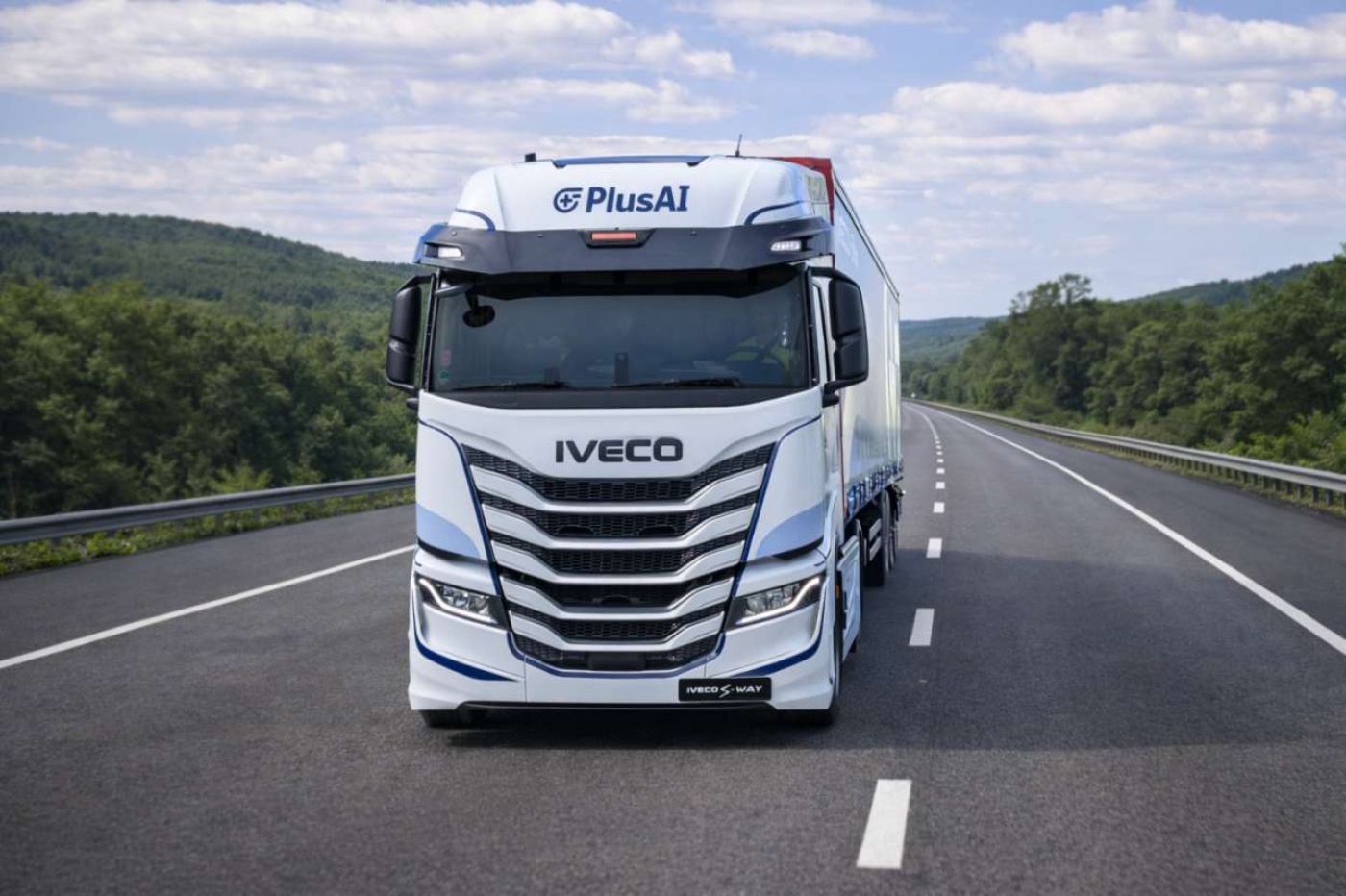
In the realm of autonomous driving, commercial vehicle manufacturer Iveco and AI tech specialist PlusAI are taking another step forward: two Iveco S-Way semi-trucks will be equipped with an SAE Level 4 autonomous driving system and undergo field tests in Spain. These tests are part of a cooperation that already includes various trials of autonomous truck technologies and is now being expanded to public roads.
The test drives are scheduled for 2026 and will take place on a route of approximately 300 kilometers between Madrid and Zaragoza. The vehicles will operate in regular freight service for the Spanish logistics company Sesé, with a safety driver remaining on board at all times to intervene in case of emergency. The goal is to further develop the technology over several years and gather practical experience under real-world conditions.