
.svg)







IAA TRANSPORTATION Weekly | 02/2026
Tesla Semi Records, PostNL Charging Network & CATL Scaling
Tesla has released concrete charging capacity figures for its electric Semi truck for the first time; Dutch mail and parcel service PostNL plans to build a nationwide charging network for electric trucks focused on regional sorting centers; and Chinese battery manufacturer CATL has significantly expanded its battery swapping network, operating 1,325 stations by the end of 2025. These are our top stories in the first IAA TRANSPORTATION Weekly of the new year, 2026.
Tesla has released concrete charging capacity figures for its electric Semi truck for the first time; Dutch mail and parcel service PostNL plans to build a nationwide charging network for electric trucks focused on regional sorting centers; and Chinese battery manufacturer CATL has significantly expanded its battery swapping network, operating 1,325 stations by the end of 2025. These are our top stories in the first IAA TRANSPORTATION Weekly of the new year, 2026.
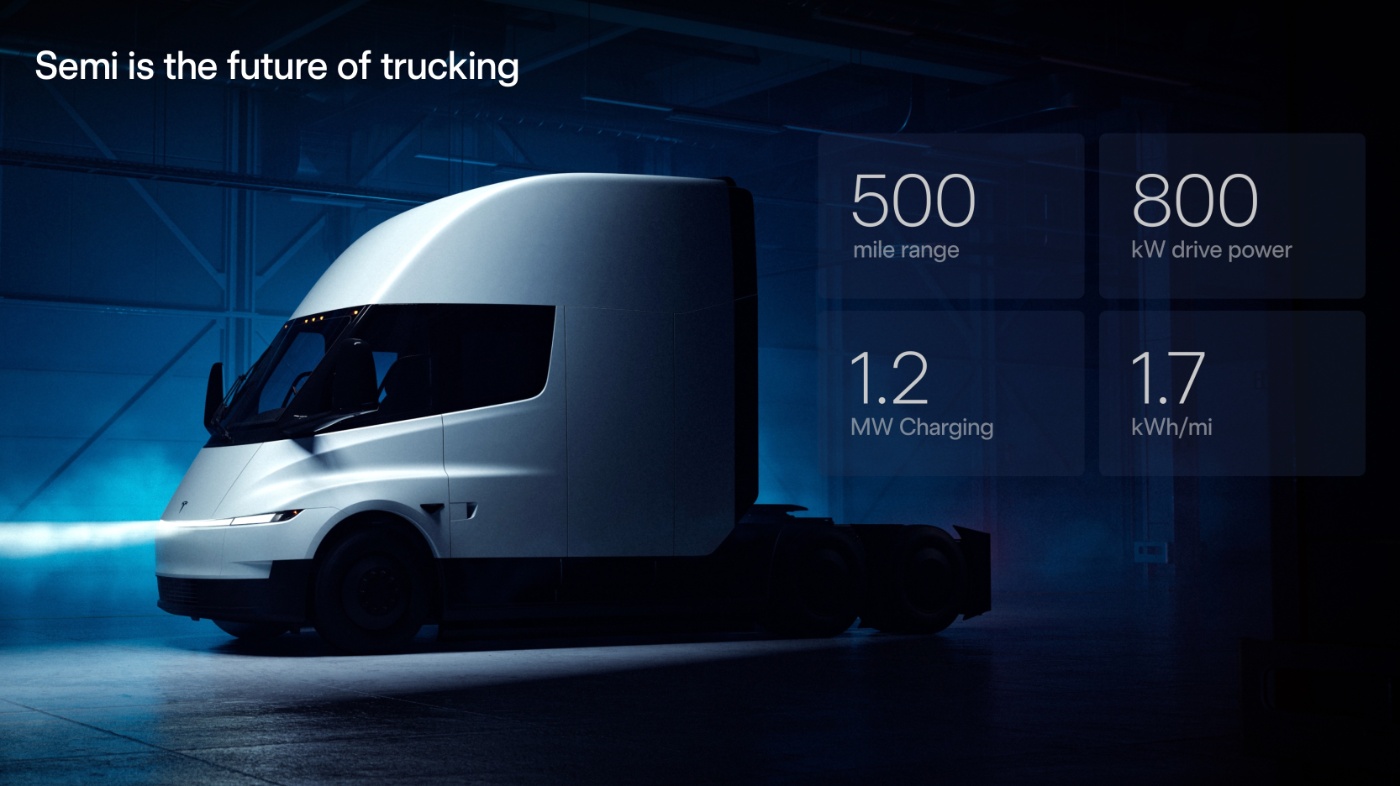
Tesla has demonstrated for the first time exactly how the electric Semi charges with a record output of 1.2 megawatts. According to video footage released by Tesla, the Semi reportedly reaches peak values of up to 1,206 kW—more than 1.2 MW—when charging with Tesla’s new V4 Megachargers.
This performance aligns with the specs Tesla provided for its new V4 charging stations. The V4 stations are designed for vehicle architectures between 400 and 1,000 volts. While they can deliver up to 500 kW for passenger cars like the Cybertruck, they hit 1.2 MW with the Semi. However, the video leaves open at which state of charge this power is achieved. Tesla plans to start volume production of the Semi in the first half of 2026, with a ramp-up in the second half of the year.

PostNL Builds Nationwide E-Truck Charging Network in the Netherlands
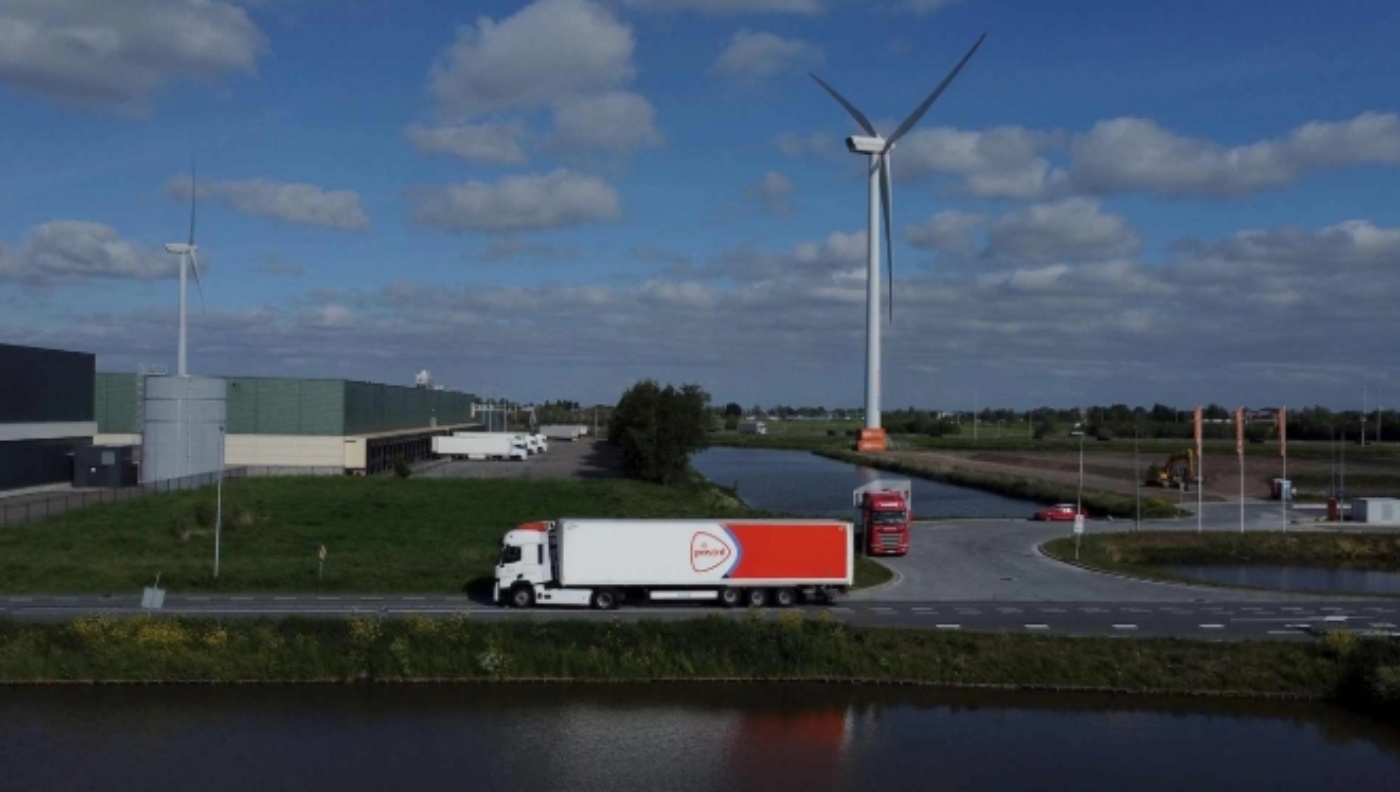
Dutch mail and parcel service PostNL plans to build a nationwide network of charging stations for electric trucks, specifically located at regional sorting centers. Initially, these charging points will be built primarily for the company's own electric truck fleet, but they are intended to eventually be open to other transport companies, thereby strengthening the infrastructure for zero-emission logistics.
With this initiative, PostNL aims not only to advance its internal electrification goals but also to position itself as an active operator of charging infrastructure. The planned charging hubs are to be realized in collaboration with public and private partners to create a solid foundation for the wider adoption of e-trucks in heavy-duty transport. The project is part of a broader sustainability strategy: PostNL aims to reduce emissions from its own operations by 90 percent by 2030 and to operate carbon-neutral by 2040.
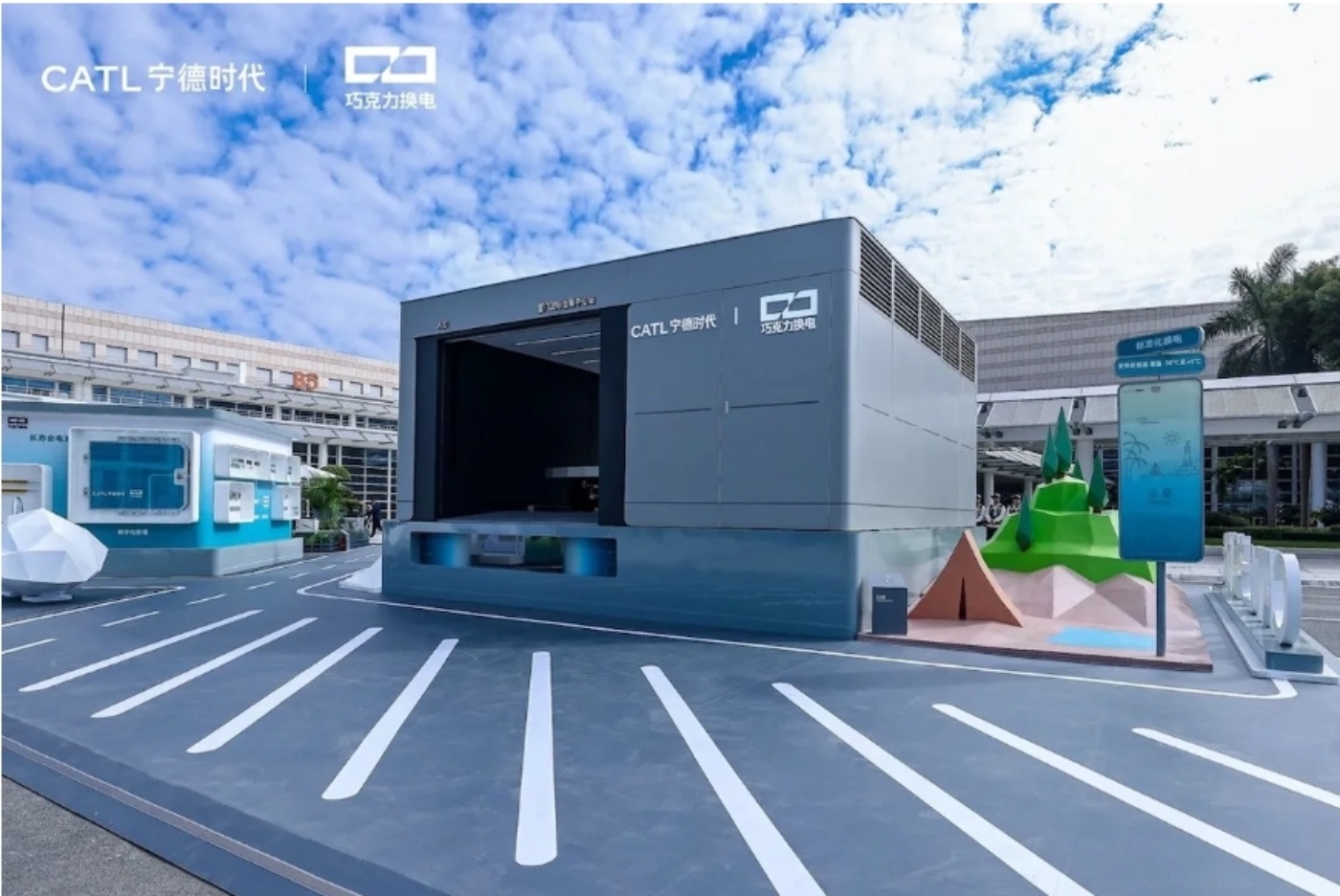
Chinese battery manufacturer CATL has significantly expanded its network of battery swapping stations for electric vehicles, having put a total of 1,325 stations into operation by the end of 2025. Of these, 1,020 are for passenger cars and 305 are truck swapping points operated by its subsidiary, Qiji Energy.
CATL plans to further accelerate expansion through the end of 2026, aiming to establish more than 2,500 battery swapping stations in over 120 Chinese cities. In the long term, the network is set to grow further—expanding to up to 30,000 locations in collaboration with partners. A particular focus is on standardized swappable batteries: currently available battery packs include smaller types for cars as well as larger units for trucks with approximately 171 kWh capacity, available at around 305 stations. According to the company, common truck models can swap different battery combinations in about five minutes, as the stations are reportedly compatible with over 95 percent of standard truck models in China