
.svg)







News of the week
MAN, Mercdes-Benz Trucks, Daimler Truck and more
MAN Truck & Bus presents its updated E32 gas engine generation for international markets; Mercedes-Benz Trucks begins serial production of the new eActros 400; Daimler Truck and its subsidiary Torc Robotics officially select Israeli company Innoviz Technologies as the supplier for short-range LiDAR sensors; DHL begins building its own EV truck charging hubs at its German parcel centers; and Austrian startup REPS (Road Energy Production System) installs a pilot plant at the Port of Hamburg that converts braking and rolling energy from heavy trucks into electricity.
MAN Truck & Bus presents its updated E32 gas engine generation for international markets; Mercedes-Benz Trucks begins serial production of the new eActros 400; Daimler Truck and its subsidiary Torc Robotics officially select Israeli company Innoviz Technologies as the supplier for short-range LiDAR sensors; DHL begins building its own EV truck charging hubs at its German parcel centers; and Austrian startup REPS (Road Energy Production System) installs a pilot plant at the Port of Hamburg that converts braking and rolling energy from heavy trucks into electricity.
- 1. MAN Engines: MAN Truck & Bus presents updated E32 gas engine generation for international markets
- 2. Mercedes-Benz Trucks startet Serienproduktion des neuen eActros 400
- 3. Daimler Truck & Torc Robotics setzen auf Innoviz Technologies – LiDAR für autonome Lkw-Serie
- 4. Volvo Trucks erhält Deutschen Nachhaltigkeitspreis 2025
- 5. DHL Group baut deutschlandweites Netz von Hochleistungs-Ladeparks für E-Lkw
- 6. Straßenkraftwerk im Hafen: Lkw-Bremsenergie wird zu Strom – Pilotanlage bei Hamburger Hafen startet
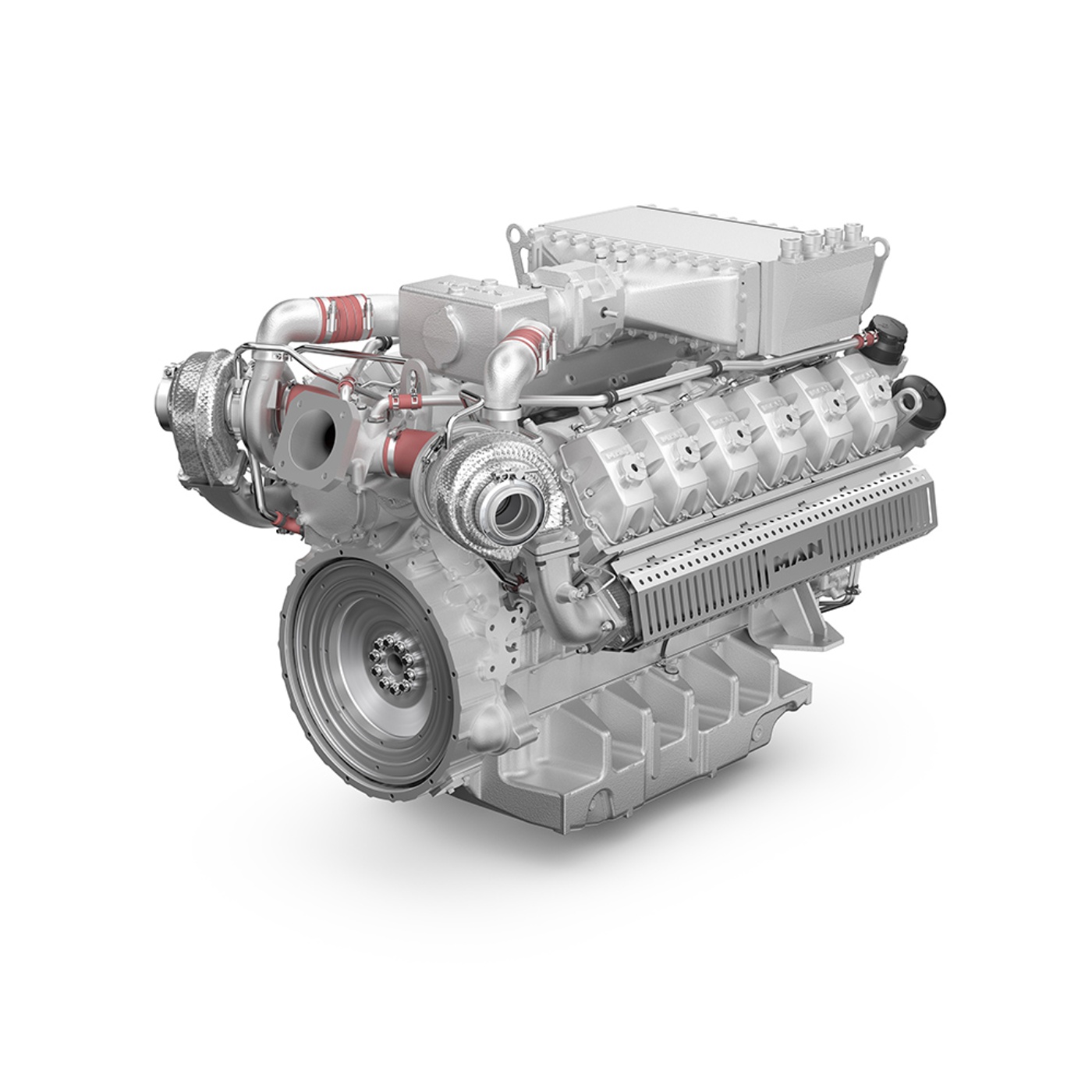
The engine division of MAN Truck & Bus has unveiled the next generation of its proven MAN E32 gas engine series. These engines, designed for natural gas and biogas operation—in use since 2012 with around 10,000 units installed worldwide—have been updated to improve robustness and emissions performance. At the core of the update is a redesigned turbocharger featuring a dry, insulated turbine housing, replacing the previous water-cooled design. This change is intended to prevent thermal hotspots and potential leaks. According to MAN Engines, this increases the longevity and reliability of the units. The update specifically aims to adapt the engines for international markets with stricter emissions standards; the engine will now meet requirements with a NOₓ limit of 250 mg/Nm³. This ensures the E32 series remains an economical, low-emission, and durable alternative for industrial applications and energy generation.

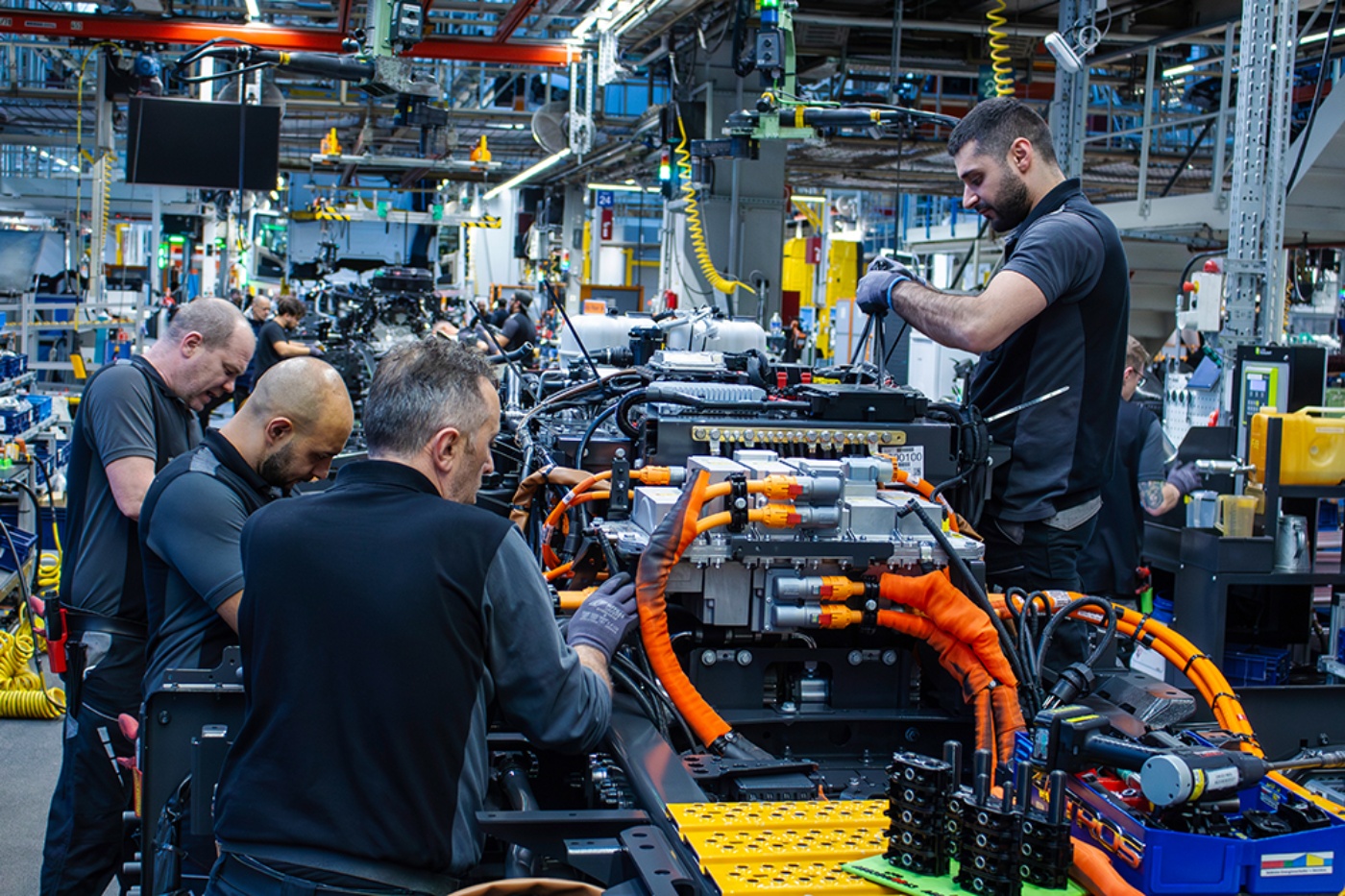
Mercedes-Benz Trucks is expanding its battery-electric truck portfolio: Serial production of the second-generation eActros 400 began in early December at the Wörth plant. The launch of the new eActros 400 is part of a broader rollout of new electric truck variants starting in late 2025. The technological foundation for these new variants is provided by the eActros 600, which has been rolling off the line in Wörth since late 2024. With numerous new combination options based on the eActros 400 and eActros 600 models, Mercedes-Benz Trucks aims to targetedly expand its lineup to meet even more heavy-duty long-haul and distribution logistics requirements electrically. The manufacturer plans to offer the eActros 400 with two battery packs and the eActros 600 with three—available as either a tractor or a rigid chassis, depending on individual requirements regarding application, range, and payload. Customers will also have a choice between two cab variants.
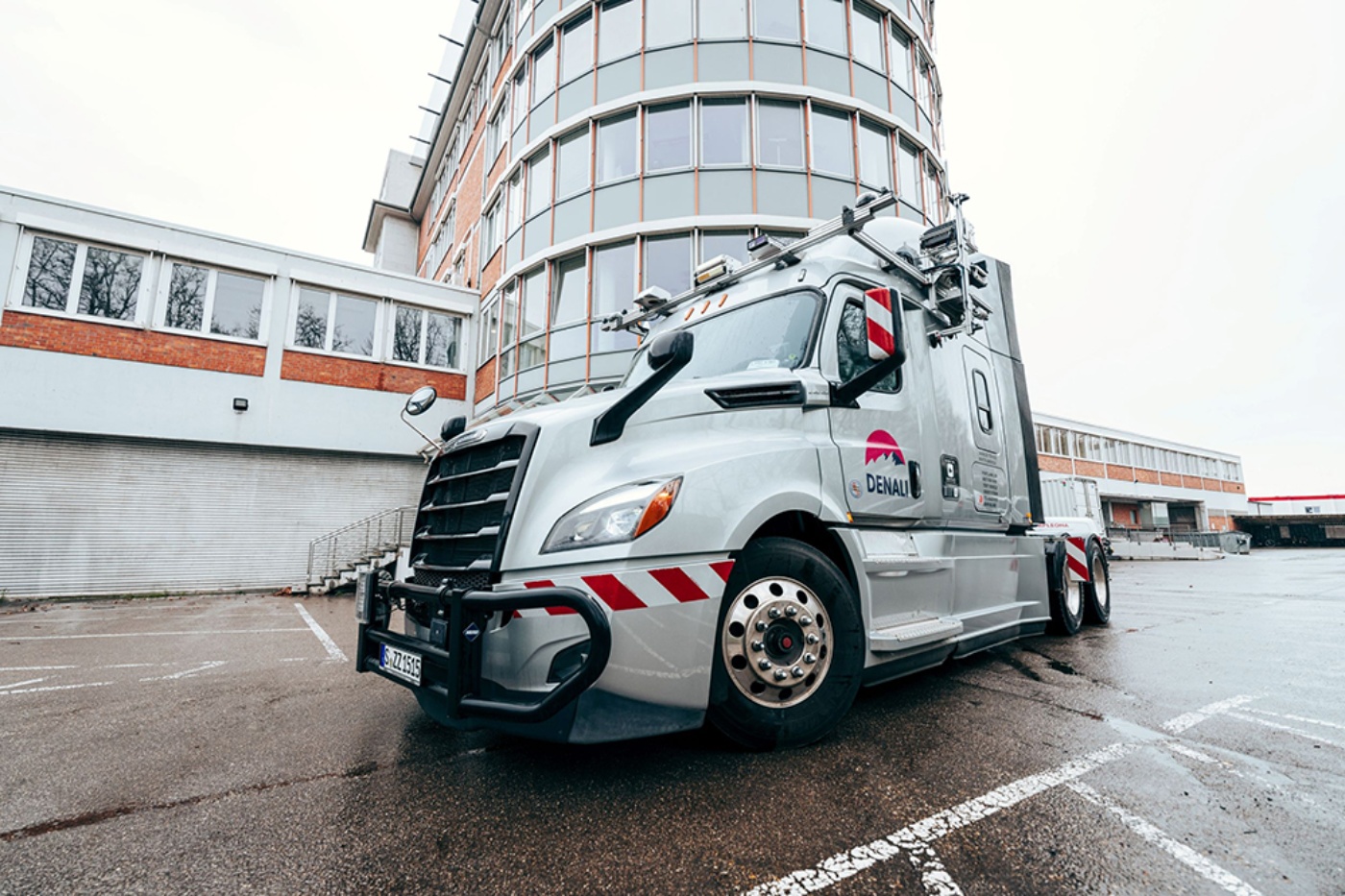
Commercial vehicle manufacturer Daimler Truck and its subsidiary Torc Robotics have officially selected Israeli company Innoviz Technologies as the supplier for short-range LiDAR sensors. These sensors will be standard equipment on future Level 4 autonomous trucks. Specifically, the "InnovizTwo" short-range LiDAR will be integrated into the sensor suite of upcoming autonomous heavy-duty tractors, complementing radar and camera systems as well as long-range LiDAR to create a comprehensive perception system. Daimler and Torc aim to use this sensor solution to enable safe autonomous driving under commercial conditions. The technology is planned for deployment primarily in the new generation Freightliner Cascadia—initially on long-haul and regional routes in North America.
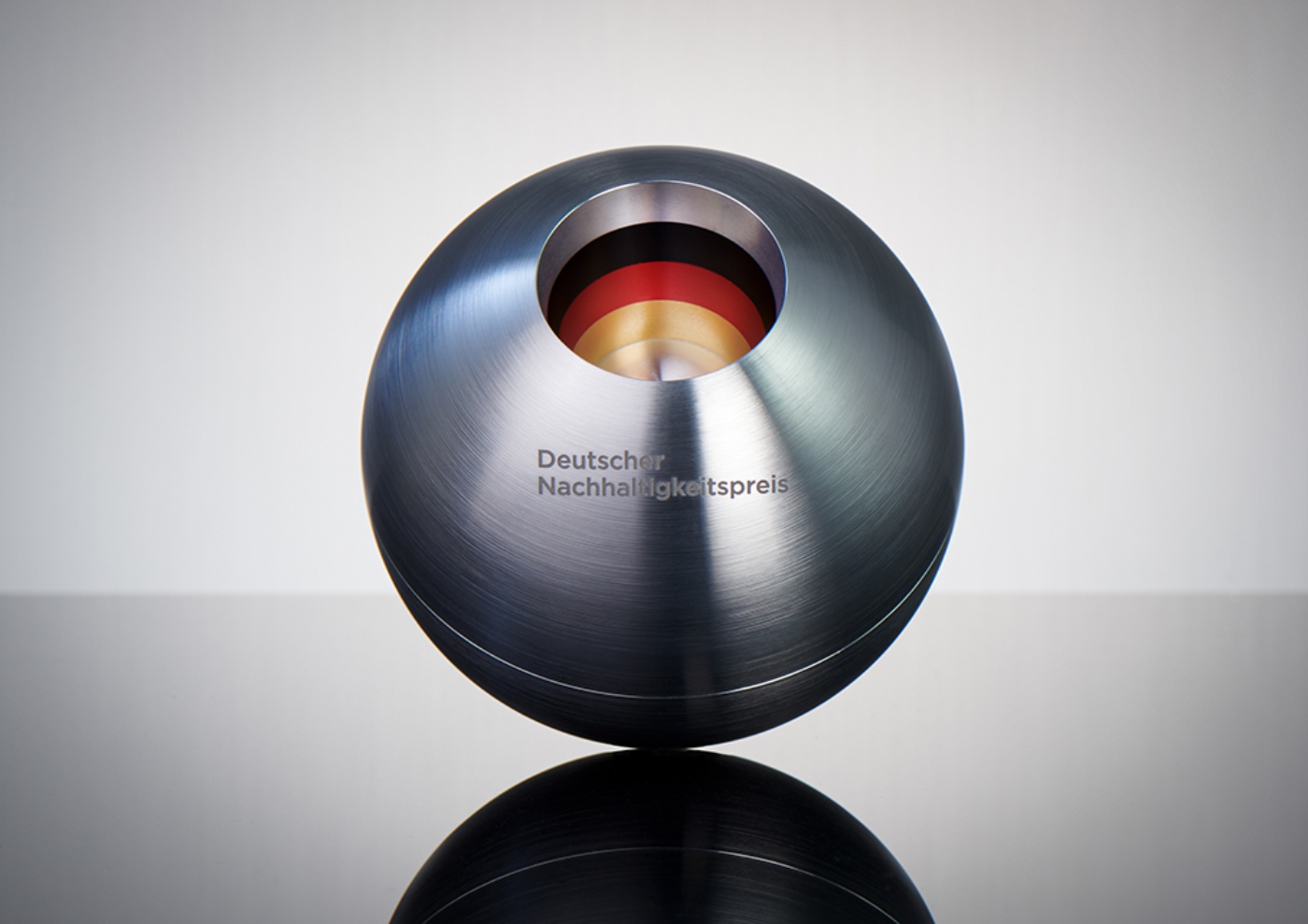
Volvo Trucks has won the German Sustainability Award 2025. The expert jury honored the company as an industry pioneer in sustainable mobility. The award highlights Volvo Trucks' efforts to consistently minimize environmental impact along the entire value chain. Among other initiatives, the company utilizes fossil-free steel for electric trucks, operates climate-neutral production sites, and offers a broad product range: from internal combustion engines compatible with biodiesel to gas trucks running on bio-LNG and fully electric vehicles. The goal is to significantly reduce the ecological footprint through a holistic corporate strategy. According to the company, around 30% of a vehicle is already made from recycled materials, and approximately 90% can be recycled at the end of its life cycle. Volvo Trucks also collaborates with other companies, including competitors, to expand truck charging infrastructure in Europe and develop fuel cell technologies. The company is also a founding member of the "First Movers Coalition," which promotes innovations for low-carbon mobility. Earlier this year, the Volvo FH Aero was also voted "Green Truck of the Year 2025."
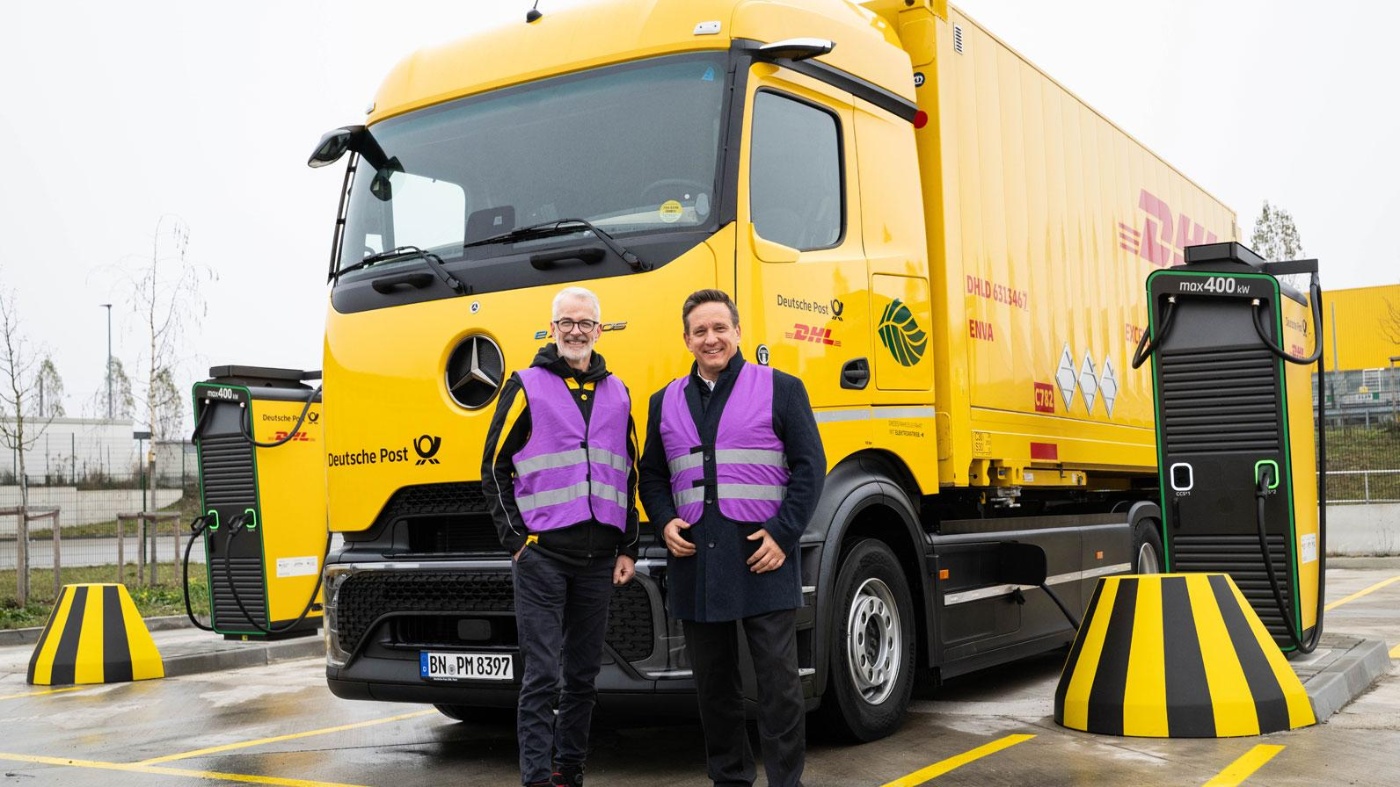
The parcel and logistics service provider DHL is consistently pushing ahead with the electrification of its truck fleet—building a comprehensive network of high-performance charging points in cooperation with E.ON Drive. The rollout kicked off at the parcel center in Aschheim near Munich, where six charging points, each with 400 kW of power, were installed—sufficient to fully charge an electric truck in under 1.5 hours. DHL plans to install a total of 170 such charging points nationwide by 2027. This infrastructure lays the foundation for growing the fleet from the current 17 EV trucks in operation (plus another 42 on order) to a significantly larger electric heavy-duty fleet. According to the company, the charging infrastructure is designed to support not only "last mile" delivery but also low-emission transport between parcel centers.

The Austrian startup REPS (Road Energy Production System) has set up a test facility at the Port of Hamburg that converts the braking and rolling energy of heavy trucks into electricity—a so-called "road power plant." Energy is generated when vehicles drive over a roughly 12-meter (40-foot) section of road equipped with steel plates. The technology has been in development for years and is now operating under real-world conditions for the first time. This means areas where trucks frequently brake or maneuver, such as container terminals or inner harbor zones, could essentially become part of the energy supply rather than just traffic surfaces. The core idea: utilizing roads and traffic flows as an additional source of energy.