
.svg)
Virtual Logistics Lanes: Researching More Efficient Urban Freight Transport
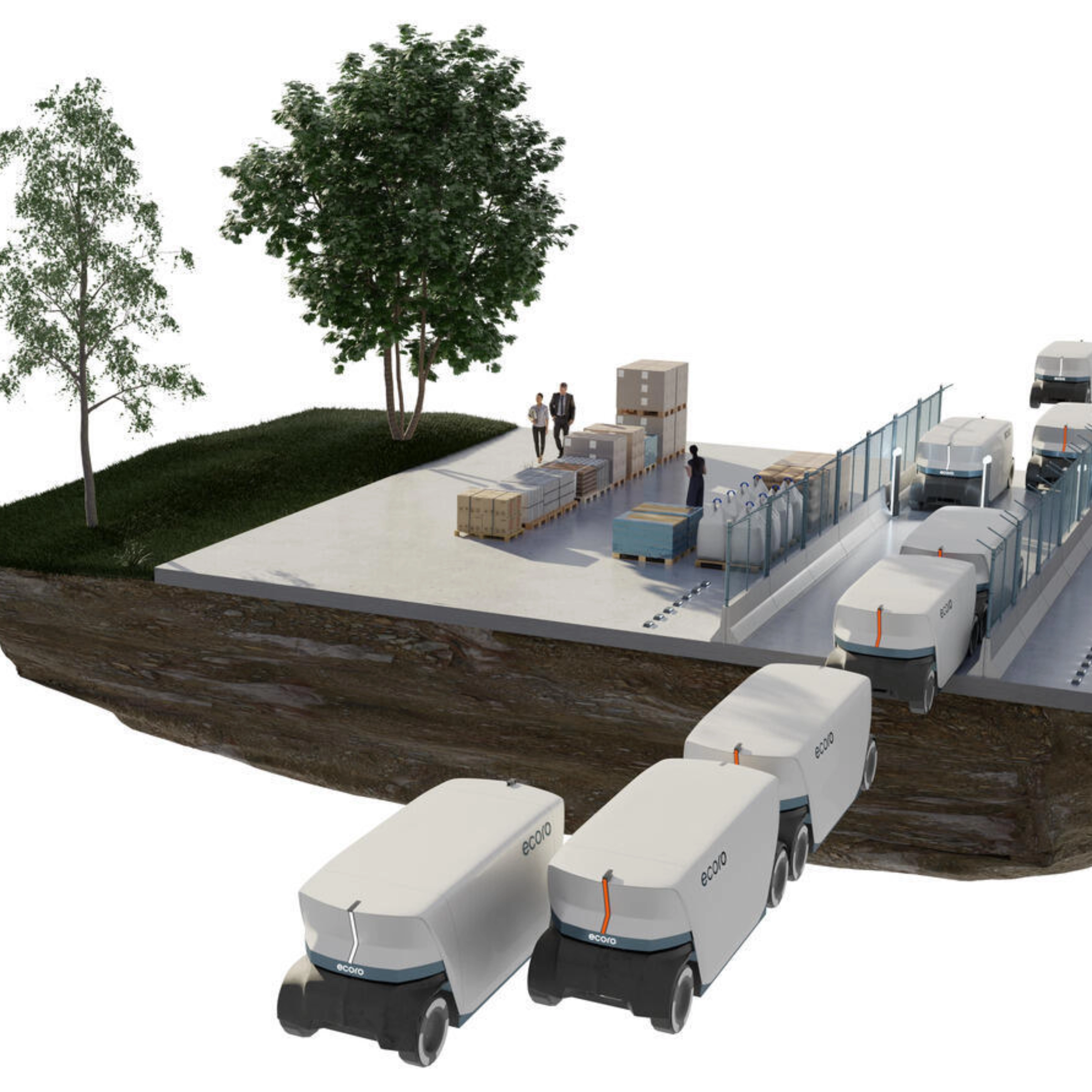
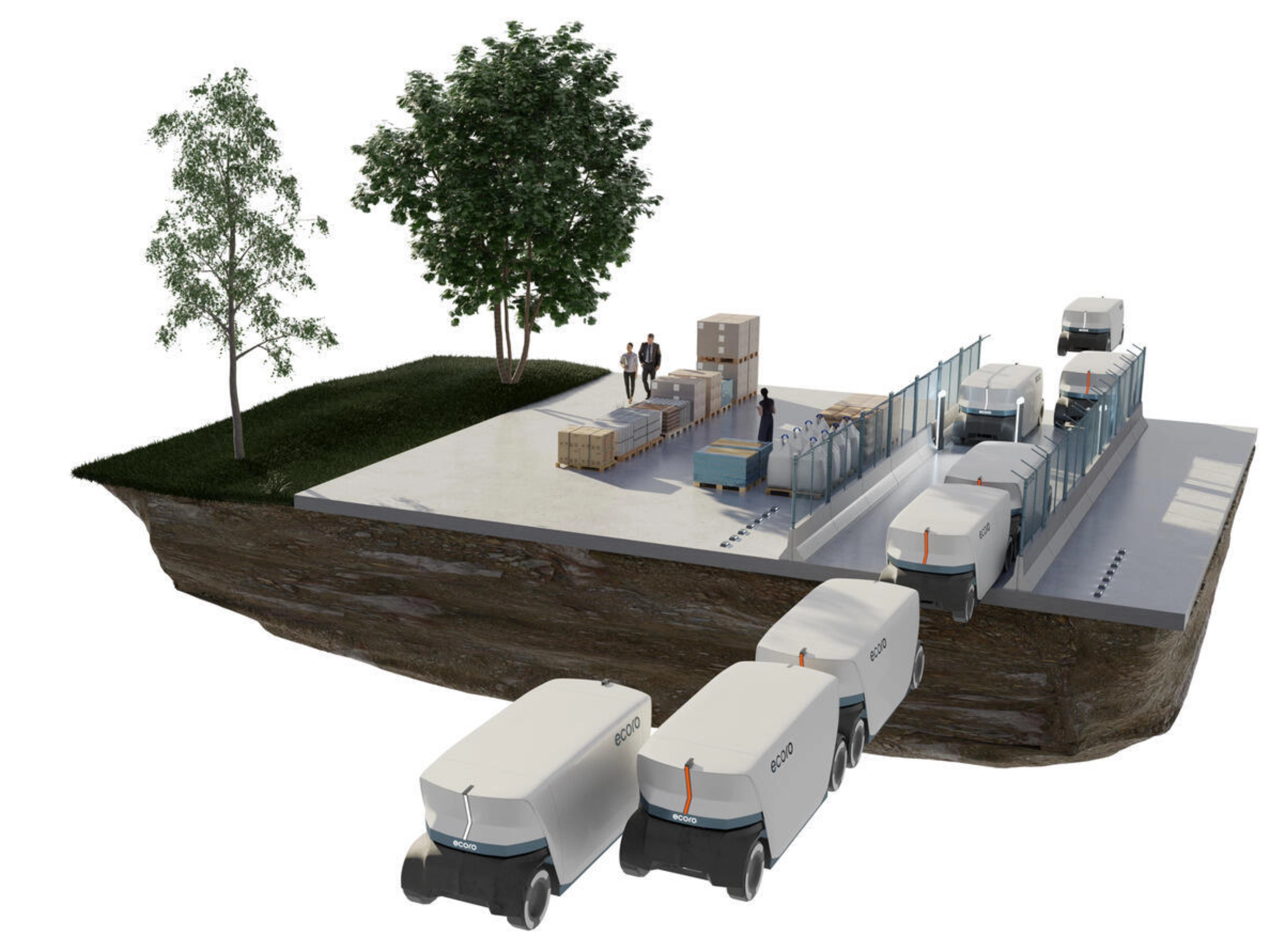
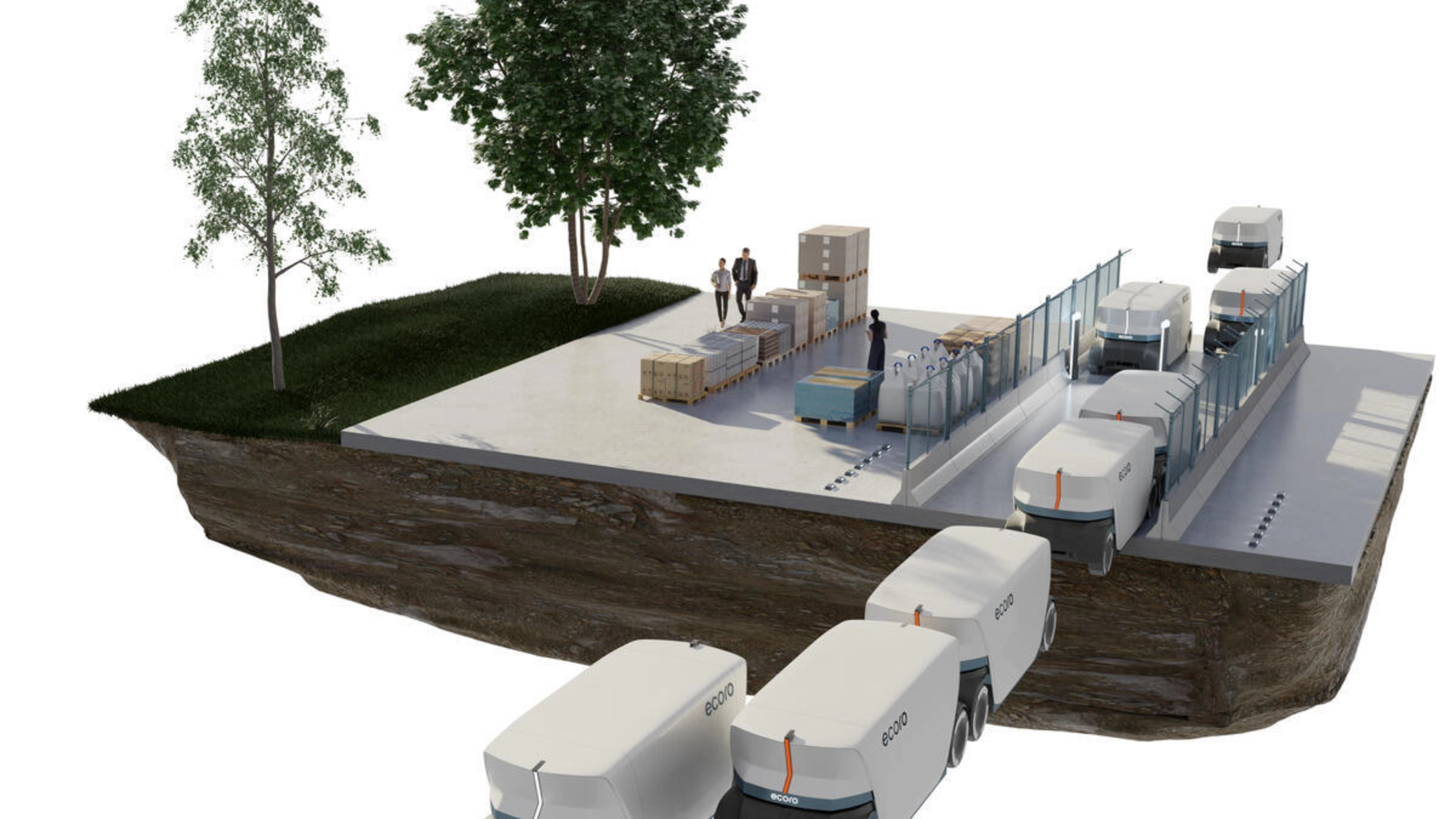
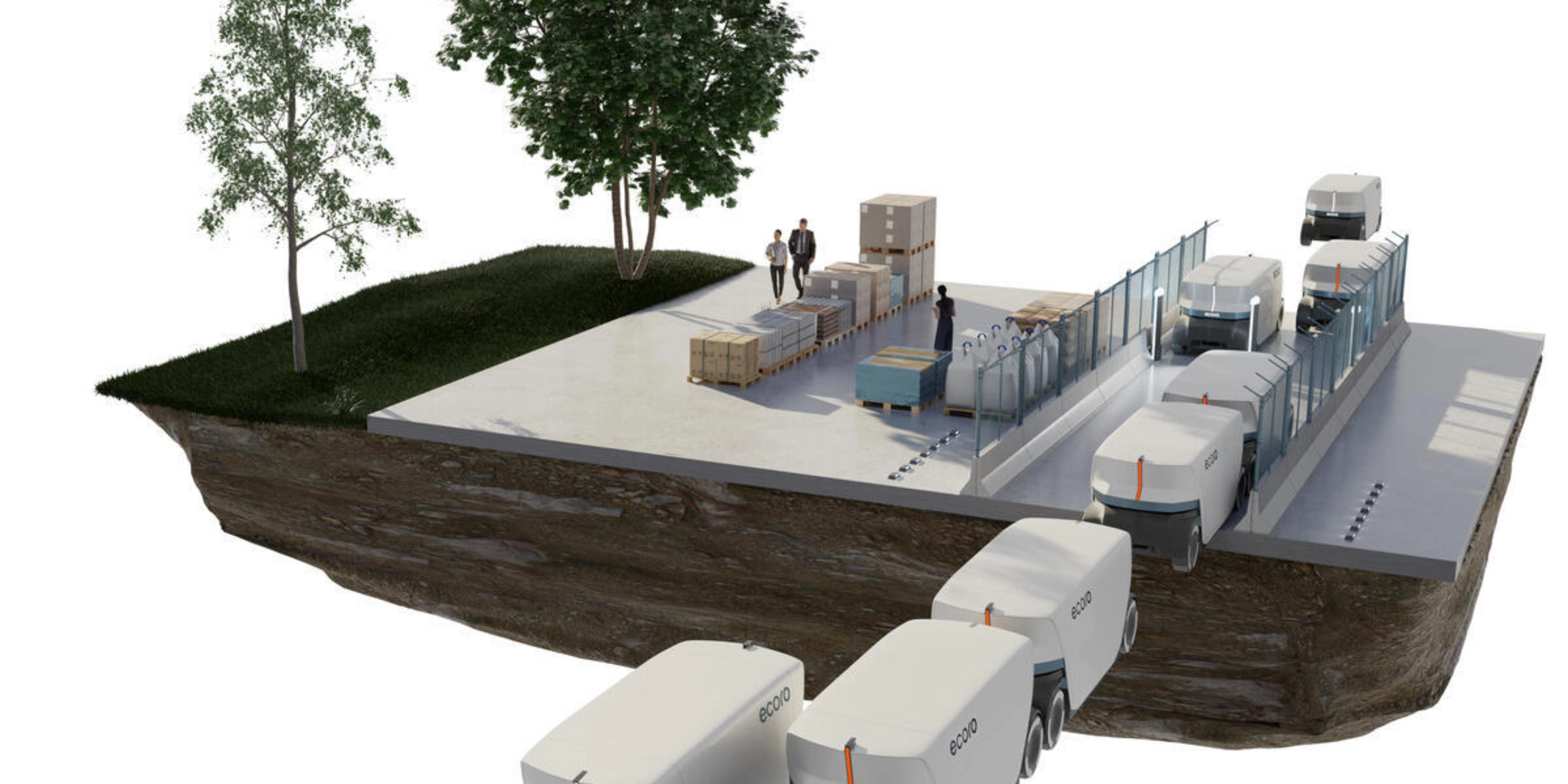
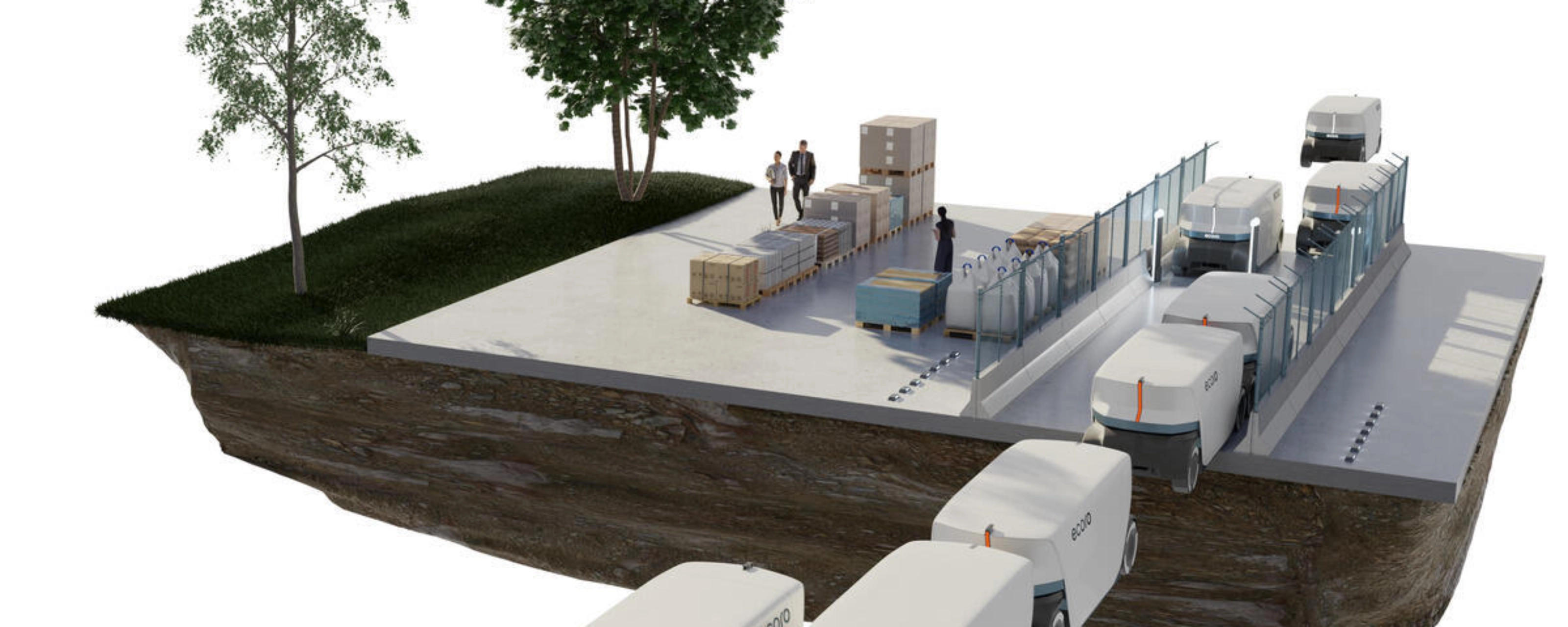
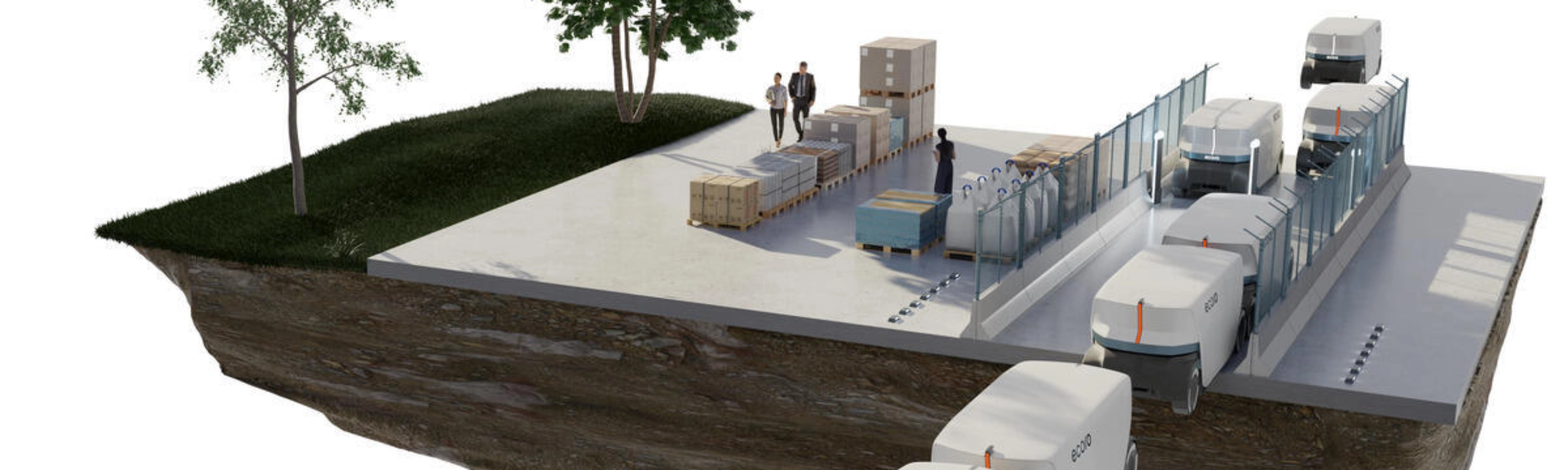
A new joint research project involving TH Köln, RWTH Aachen University, and the Munich-based automation specialist Ecoro is exploring an innovative approach to making urban logistics more efficient and city-friendly: virtual logistics lanes for automated delivery vehicles. Under the project name "ViDeLL" (Virtual Dedicated Logistics Lanes), researchers are developing a concept where specific road segments can be temporarily reserved exclusively for automated logistics robots and vehicles—without the need for physical barriers or permanent lane construction.
A new joint research project involving TH Köln, RWTH Aachen University, and the Munich-based automation specialist Ecoro is exploring an innovative approach to making urban logistics more efficient and city-friendly: virtual logistics lanes for automated delivery vehicles. Under the project name "ViDeLL" (Virtual Dedicated Logistics Lanes), researchers are developing a concept where specific road segments can be temporarily reserved exclusively for automated logistics robots and vehicles—without the need for physical barriers or permanent lane construction.
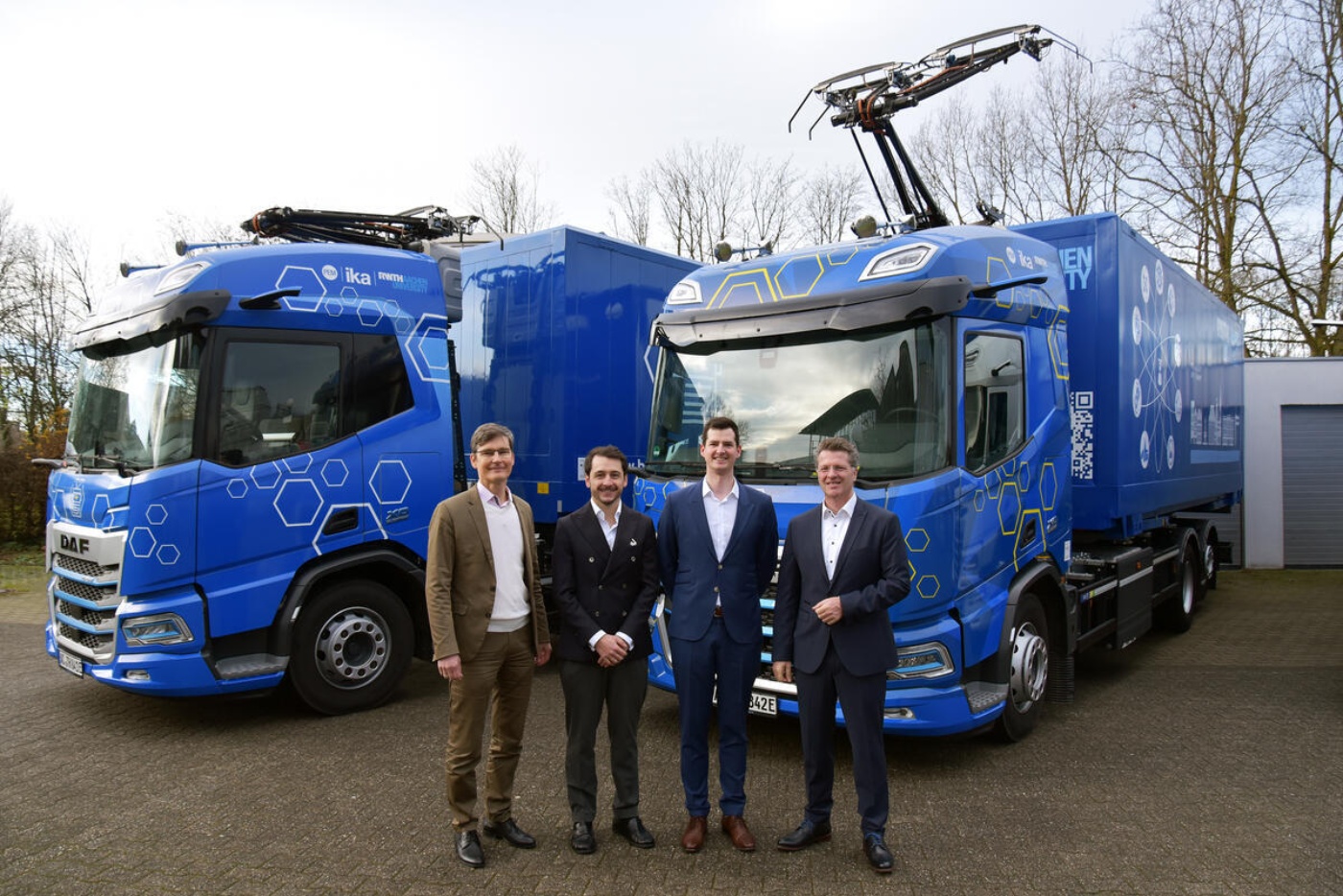
The core idea is to use flexible, digital "markings" and a networked control system to dynamically adapt road space to changing demands—similar to reversible lanes, but without concrete dividers or structural changes. This could relieve congestion in overcrowded city centers and facilitate the use of automated transport in dense traffic networks without a massive overhaul of physical infrastructure. Project partners view this as an economically attractive way to utilize existing roadway more efficiently, as intelligent lighting or sensor solutions involve fewer construction zones and lower costs than permanent new lanes.
The project addresses urban "last-mile" and retail logistics as well as industrial logistics between urban production sites, both of which are under increasing pressure from rising freight volumes. The focus is not only on smart lane markings but also on algorithms that use real-time traffic data to determine when and where a virtual logistics lane should be activated. On-site sensors will secure the virtual lane and ensure safer interaction between automated logistics vehicles and conventional traffic. In tandem, the project is evaluating safety, licensing, and regulatory issues to ensure these systems can eventually be integrated into real-world traffic environments.
A key member of the consortium is the startup Ecoro, which develops autonomous electric shuttles for freight transport. In the future, these vehicles could operate specifically on such virtual lanes, streamlining supply chains in downtown areas or between manufacturing facilities.