
.svg)
Valeo Showcases Technologies for Electrified and Autonomous Commercial Vehicles at IAA TRANSPORTATION 2026
Image: (c) Valeo
At IAA TRANSPORTATION 2026 in Hanover, Valeo is presenting a comprehensive technology portfolio for heavy trucks and light commercial vehicles. The company's trade fair appearance focuses on solutions for electrification, advanced driver assistance systems (ADAS), Software Defined Vehicles (SDV), and autonomous driving capabilities up to Level 4. With these innovations, Valeo aims to support fleet operators in cutting operating costs while boosting safety, comfort, and efficiency.
At IAA TRANSPORTATION 2026 in Hanover, Valeo is presenting a comprehensive technology portfolio for heavy trucks and light commercial vehicles. The company's trade fair appearance focuses on solutions for electrification, advanced driver assistance systems (ADAS), Software Defined Vehicles (SDV), and autonomous driving capabilities up to Level 4. With these innovations, Valeo aims to support fleet operators in cutting operating costs while boosting safety, comfort, and efficiency.
According to Valeo, demand for driver assistance systems in the commercial vehicle sector is growing rapidly. Against the backdrop of increasing electrification and the expected rollout of autonomous trucks in the coming years, the company positions itself as a key technology partner for the industry.

Focus on Electrification and Autonomous Driving
For electrified commercial vehicles, Valeo is showcasing items such as the EDC-120 electric compressor with an integrated inverter, intelligent heat pumps, high-voltage coolant heaters, on-board chargers, and electric drive systems. The portfolio is rounded out by scalable computing platforms for driver assistance and autonomous driving features, alongside software solutions for Software-Defined Vehicles. These include AI-powered perception and decision-making capabilities, cloud services, and continuous over-the-air software updates.
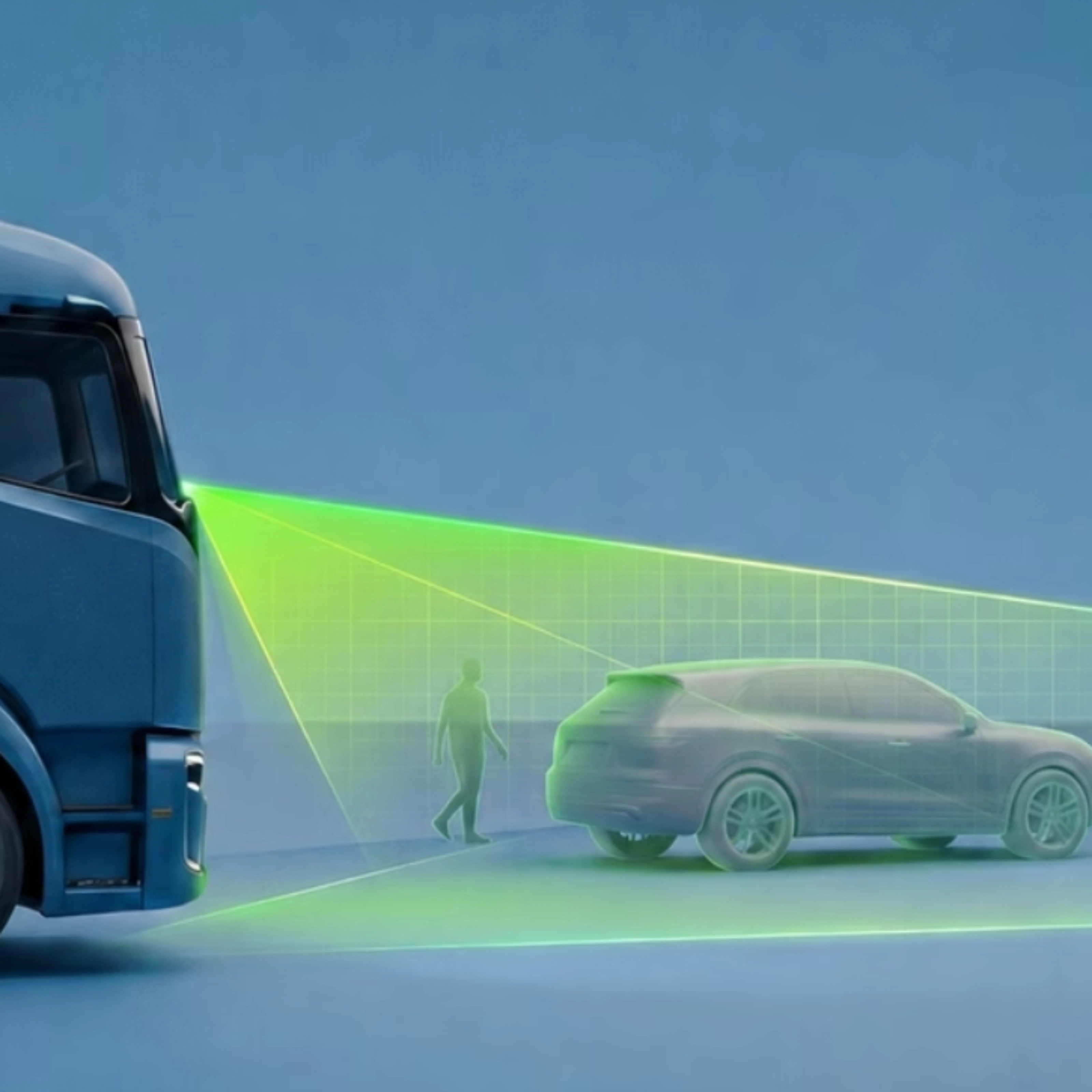
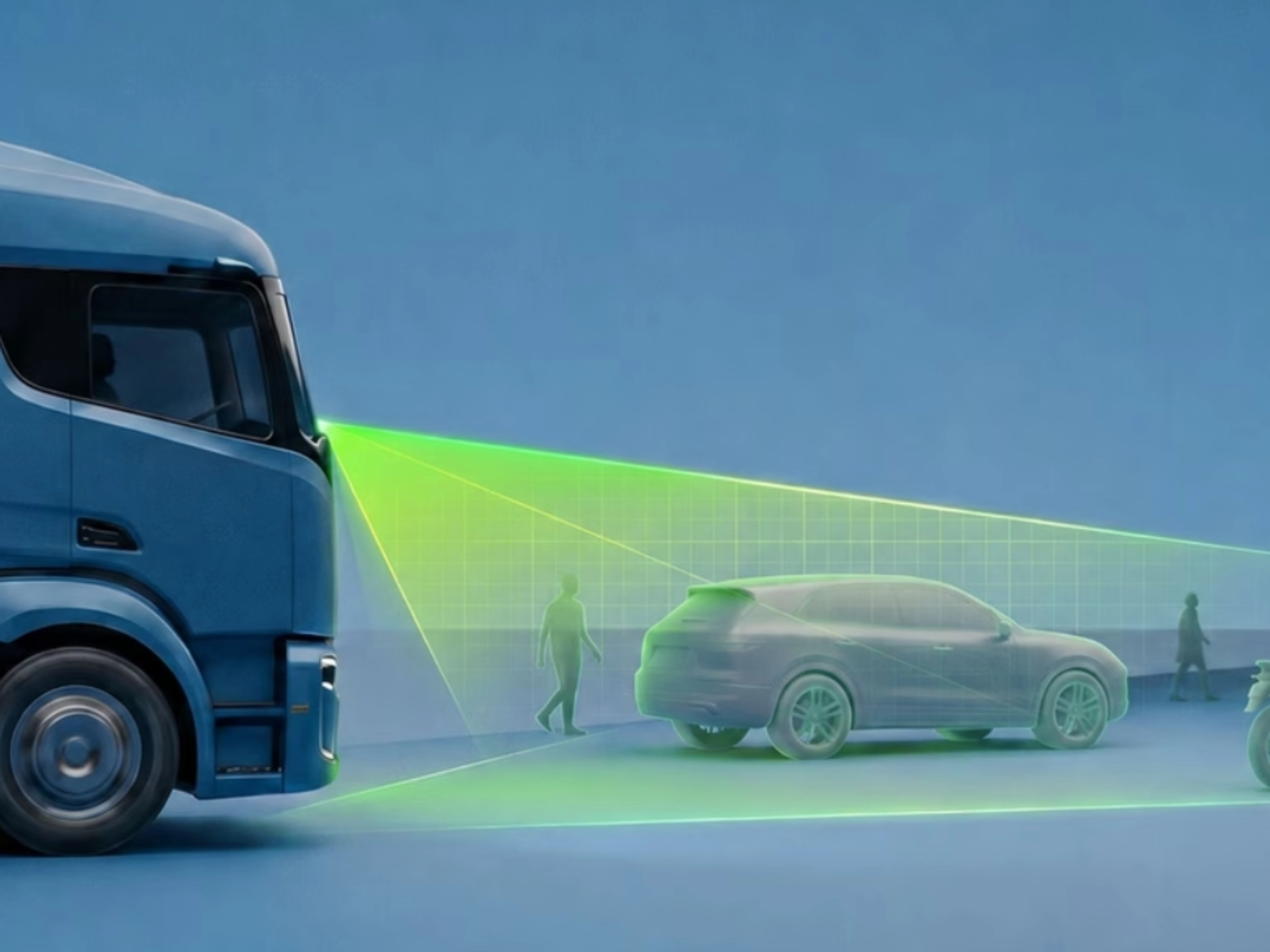
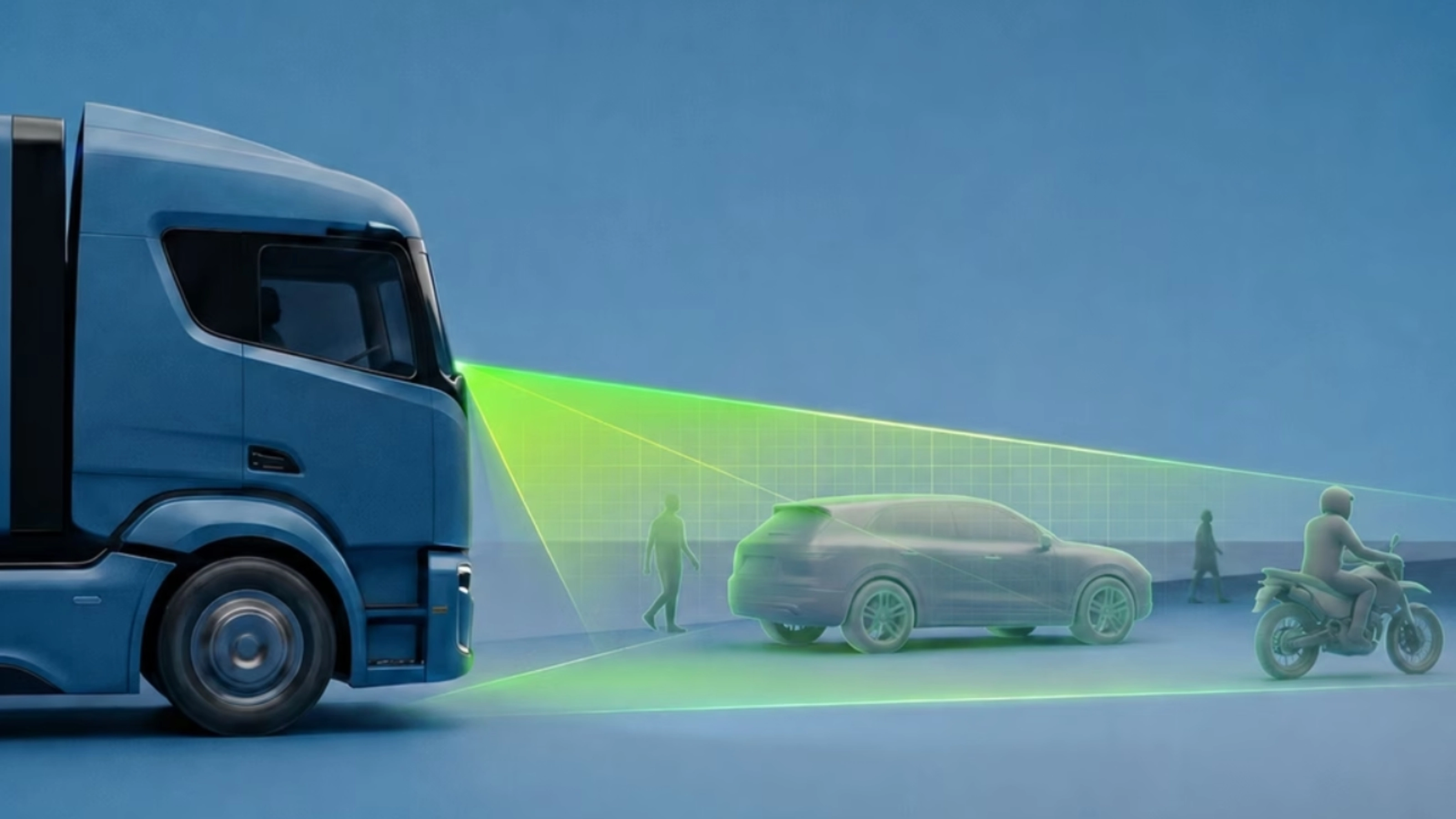
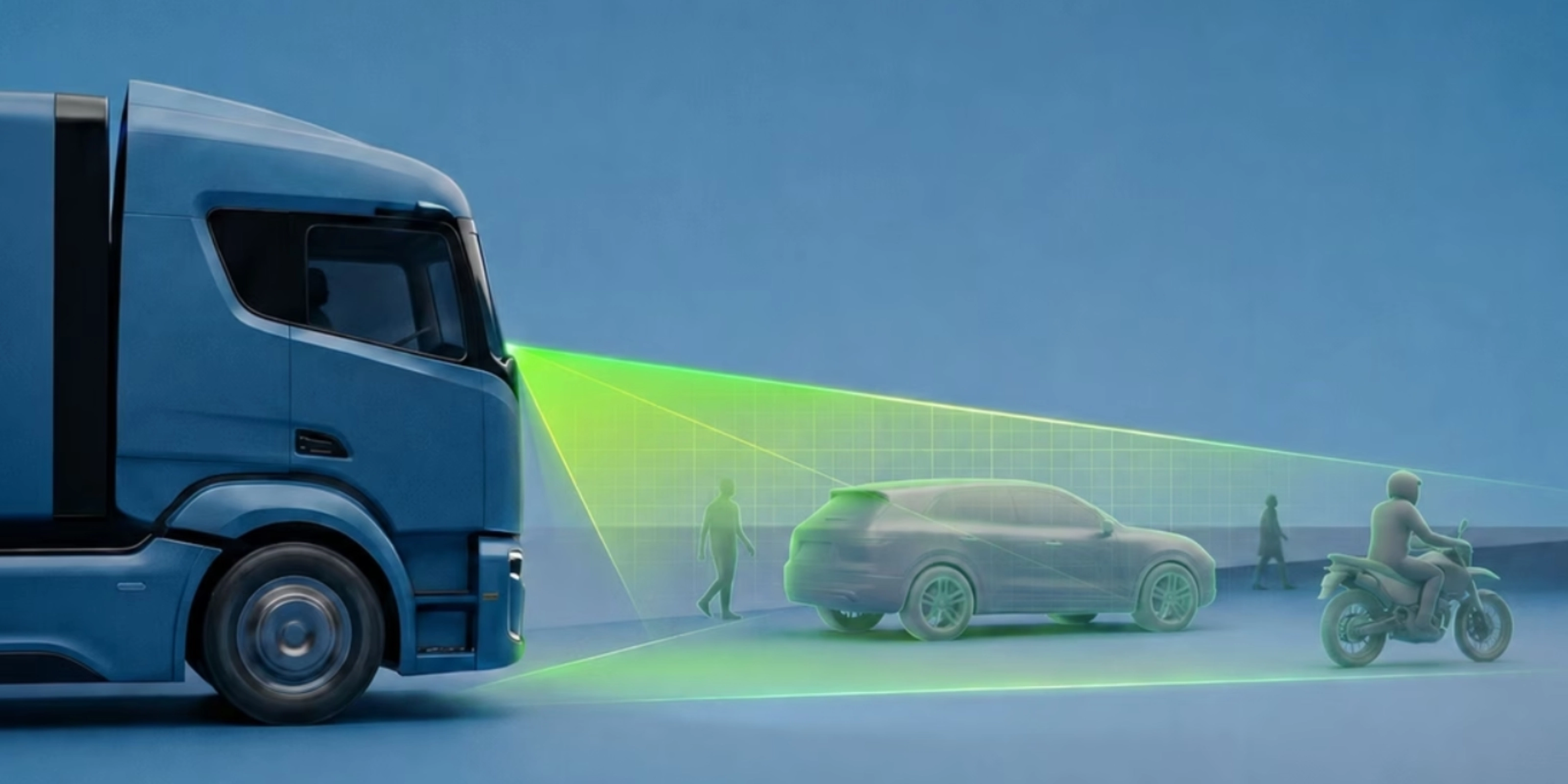
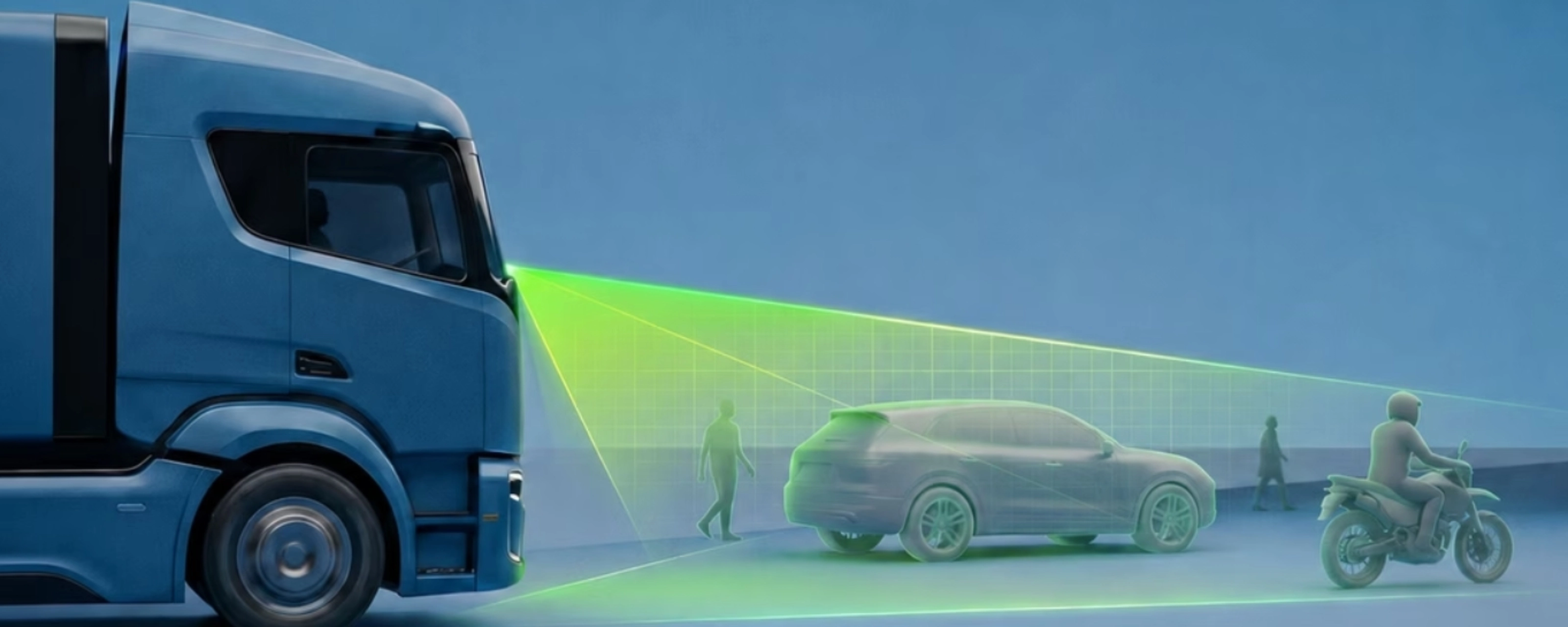
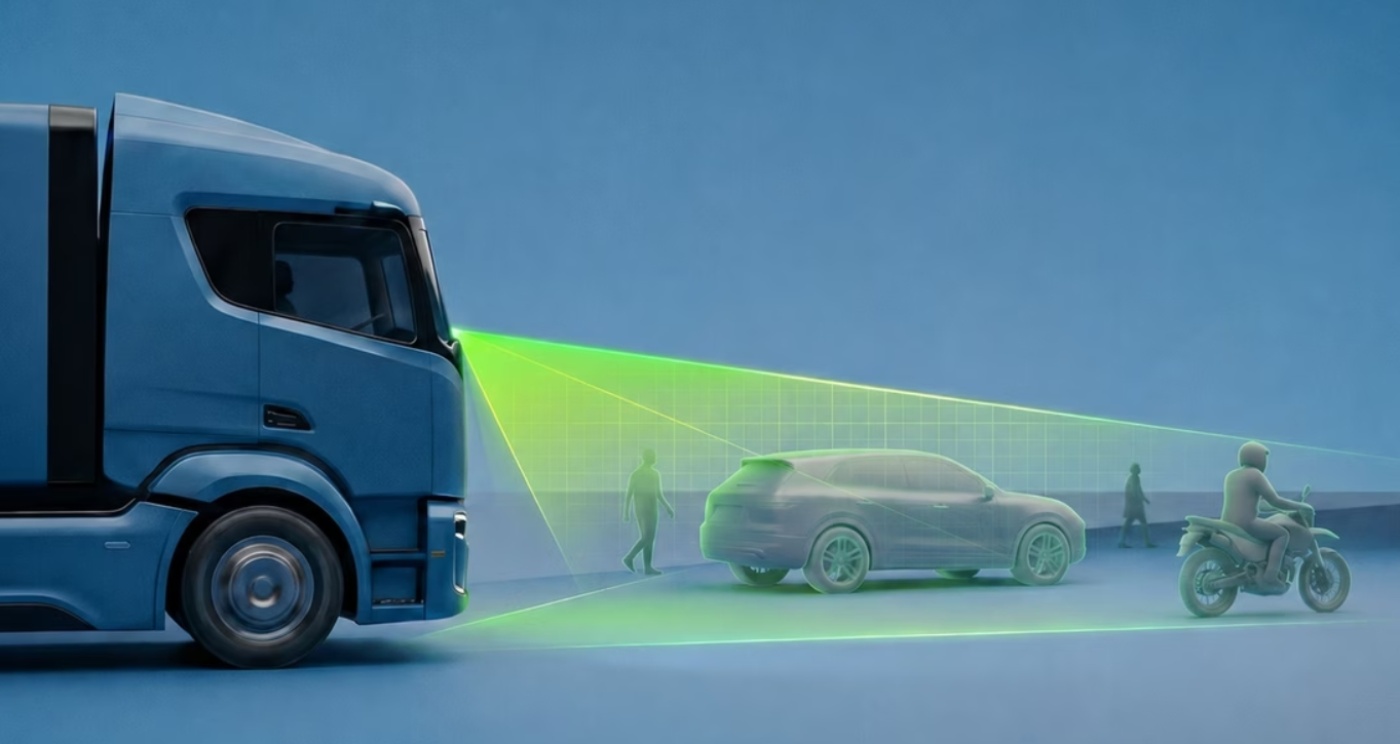
Sensor technologies represent another major highlight. Valeo is displaying camera, radar, and LiDAR solutions, including specialized sensor cleaning systems engineered to ensure reliable ADAS operation even under harsh weather conditions.
New Safety and Comfort Solutions
In vehicle safety, Valeo is highlighting its Adaptive Driving Beam (ADB) technology, which automatically adjusts the high beams to oncoming traffic to enhance visibility without blinding other drivers. The lineup is complemented by a Driver Monitoring System (DMS) that detects driver fatigue and distraction, helping fleets comply with current safety standards such as the GSR II regulation and NCAP 2026 guidelines.
To enhance driver comfort, Valeo is revealing new heating, ventilation, and air conditioning (HVAC) systems, linear ambient interior lighting, and a 21.6-inch curved touchscreen with 4K resolution. In addition, the company is featuring its AquaBlade wiper system for commercial vehicles and innovative lighting modules designed to create a distinctive vehicle signature.
Cyclee by Valeo Expands Urban Logistics Portfolio
With Cyclee by Valeo, the company is expanding its presence in last-mile delivery. Highlights include the maintenance-free GO7 Gen4 Drive Unit, featuring an integrated 48-volt motor with a seven-speed automatic transmission, as well as the new PixelRide HMI, equipped with a touchscreen display, boost function, and Bluetooth-based “Phone as a Key” technology. Built to haul payloads of up to 250 kilograms (550 lbs), the drive unit supports drivers in urban operations through a predictive driving mode.
Remanufacturing as Part of the Sustainability Strategy
Alongside cutting-edge technology, Valeo is outlining its remanufacturing strategy for the aftermarket. Its offering now encompasses more than 6,000 remanufactured components, including starters, alternators, brake calipers, A/C compressors, and commercial vehicle transmission parts. Through the REMAN 2.0 program, electronic components such as NOx sensors and electrification hardware such as inverters and electric compressors have also been added. According to Valeo, the process reuses more than 80 percent of materials on average while significantly reducing CO₂ emissions.