.svg)
U-Shift II: Modular Vehicle Concept Aims to Make Autonomous Mobility More Flexible and Sustainable
Image: (c) U-Shift
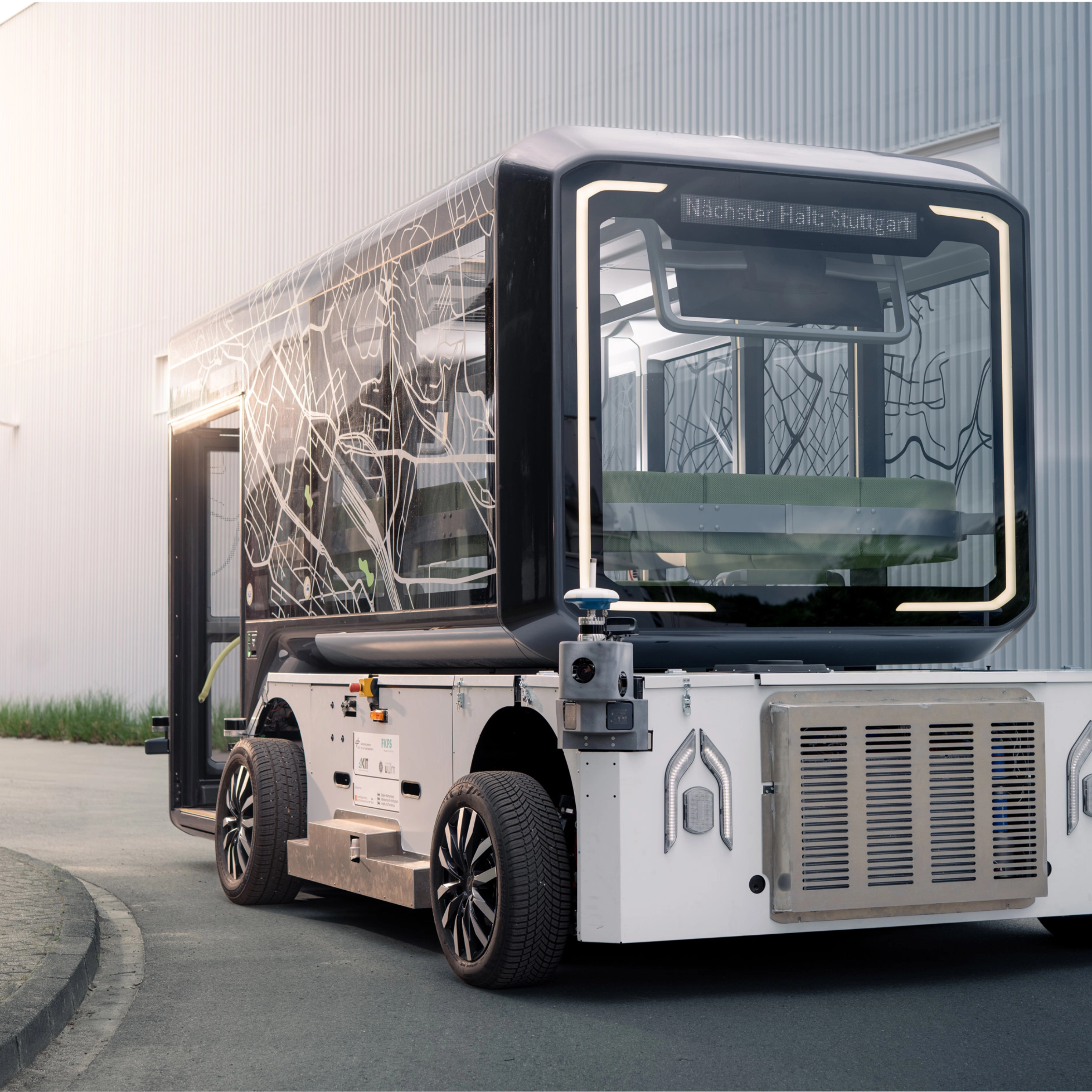
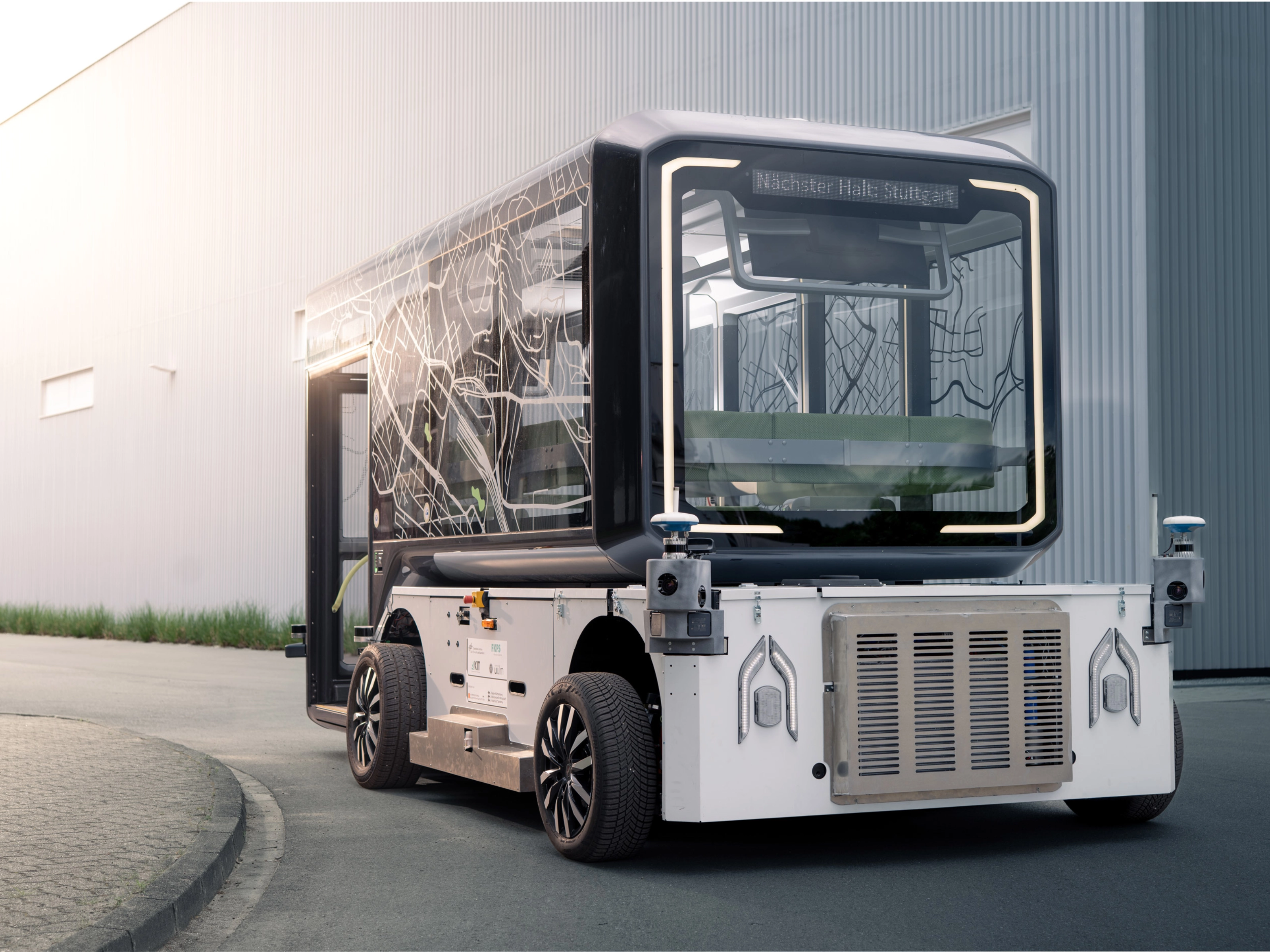
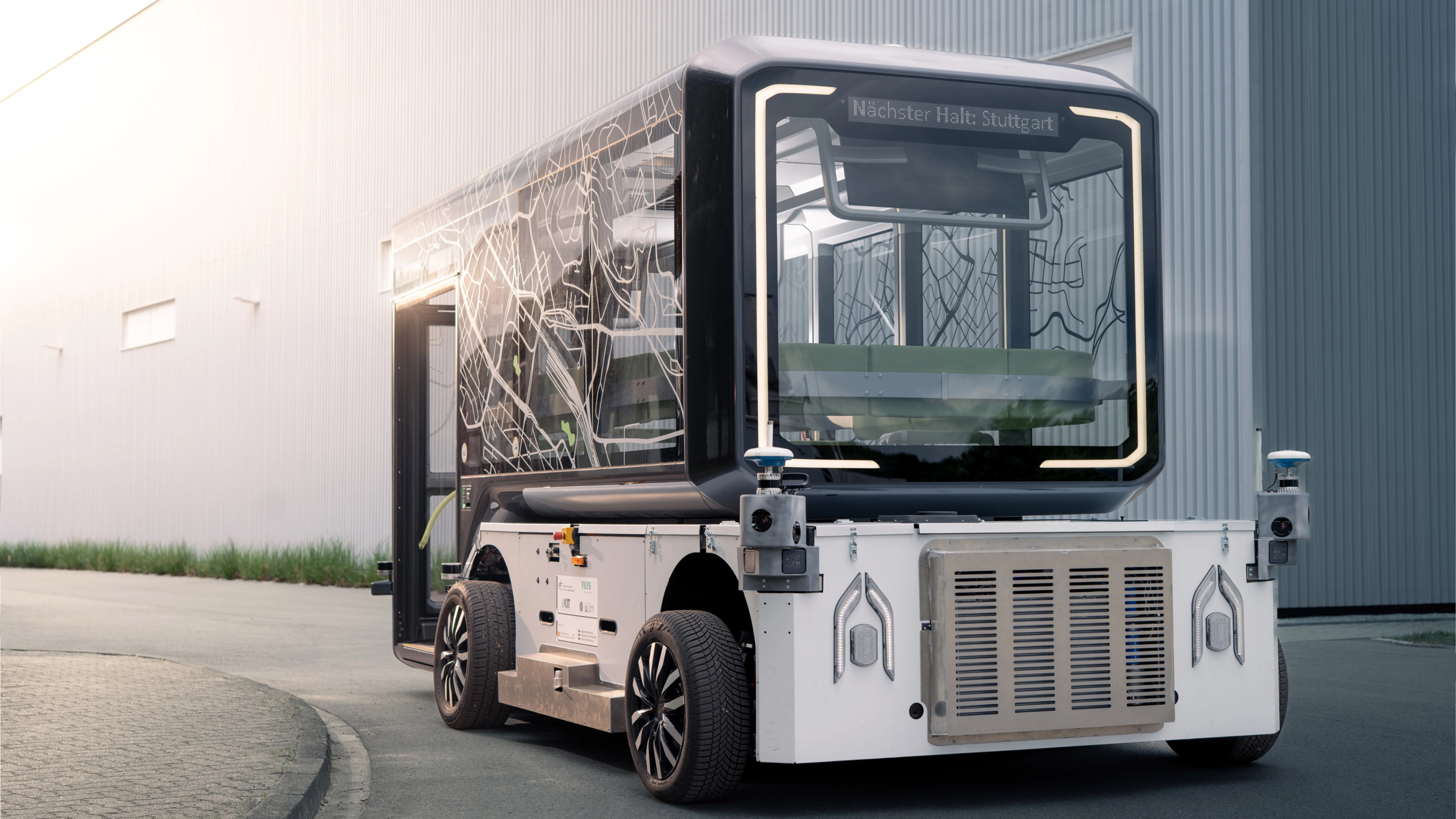
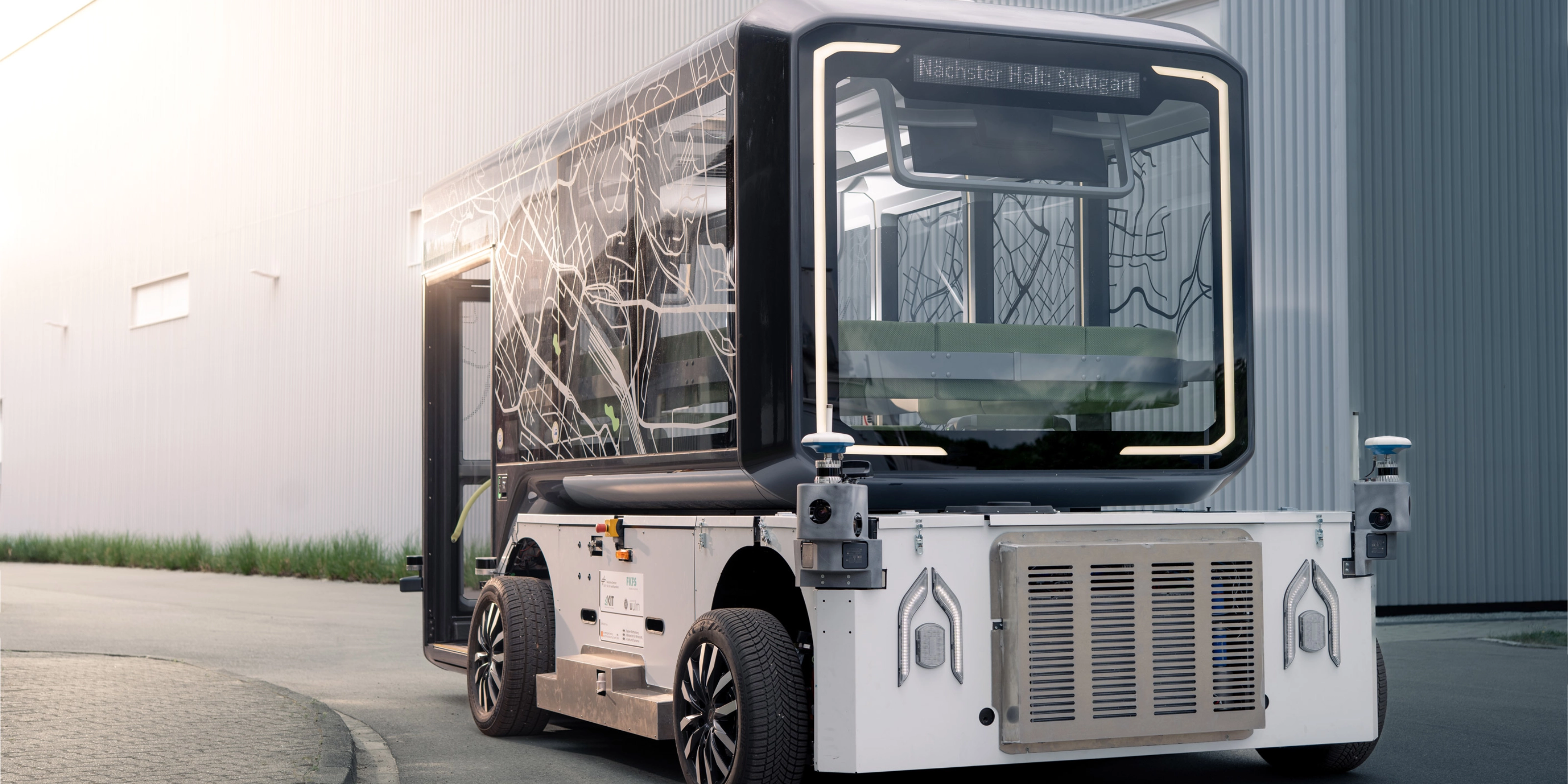
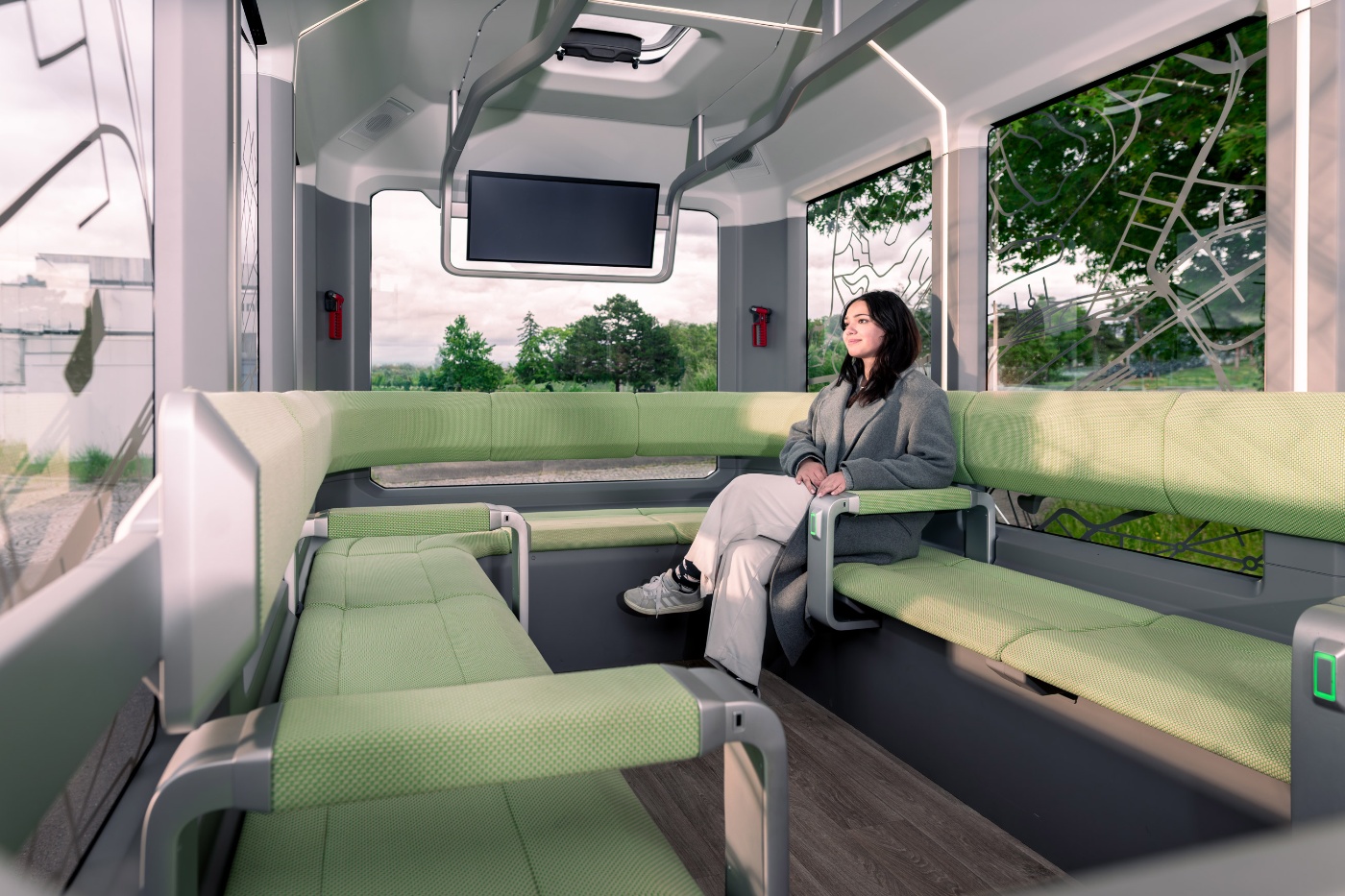
An autonomous vehicle for a wide variety of tasks: Researchers from several research institutions in Baden-Württemberg have further developed U-Shift II, a modular mobility concept that can automatically adapt to different deployment scenarios. At the heart of the system is a driverless platform that can independently pick up and drop off different vehicle bodies—known as capsules. This allows the exact same vehicle to be used, for example, as a passenger shuttle, a delivery vehicle, or a mobile service unit.
An autonomous vehicle for a wide variety of tasks: Researchers from several research institutions in Baden-Württemberg have further developed U-Shift II, a modular mobility concept that can automatically adapt to different deployment scenarios. At the heart of the system is a driverless platform that can independently pick up and drop off different vehicle bodies—known as capsules. This allows the exact same vehicle to be used, for example, as a passenger shuttle, a delivery vehicle, or a mobile service unit.
The current generation of the concept was unveiled at the Karlsruhe Institute of Technology (KIT). Building on previous U-Shift research, the project aims to make future mobility more flexible, efficient, and resource-friendly. Potential fields of application include on-demand public transit, delivery services, mobile medical services, or temporary supply units.
Modular Driveboard as the Technical Foundation
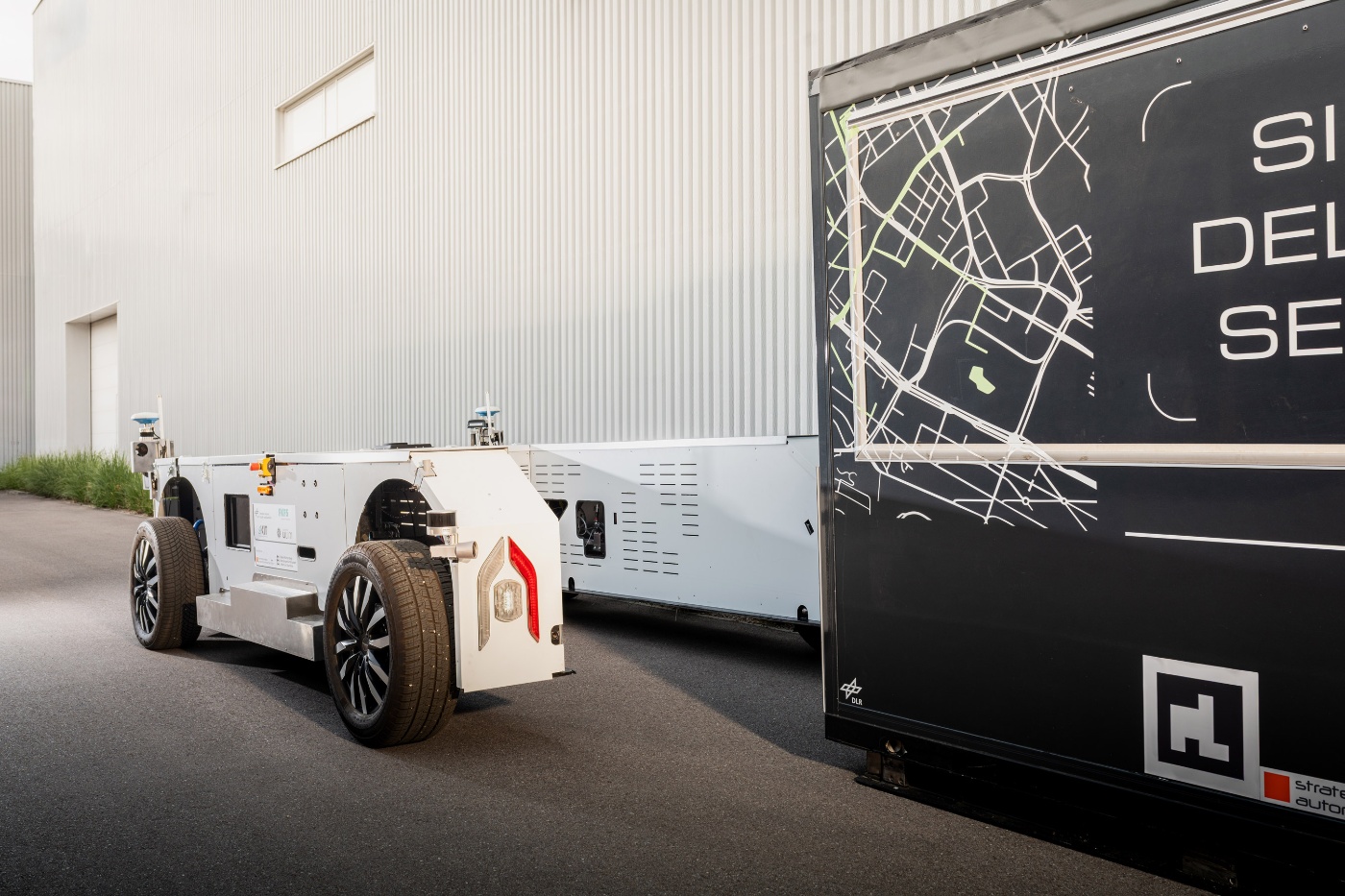
At the core of the concept is a flat, autonomously driving "driveboard" that integrates all central vehicle components. This includes the electric drive system with four wheel-hub motors, the battery, steering, as well as control, monitoring, and power supply systems. The vehicle drives autonomously underneath the required capsule, lifts it, and locks it into place automatically—requiring no manual intervention.
By separating the driving platform from the vehicle body, a single vehicle will be able to handle multiple tasks in the future, instead of requiring a dedicated vehicle for every single purpose. This reduces resource consumption and increases the utilization rate of the vehicle's technology.
Software Automatically Adapts Vehicle Functions
Upon docking, the driveboard connects digitally with the respective capsule. The electronic vehicle architecture automatically recognizes its functions and adjusts the sensor systems and software accordingly. For instance, the requirements for passenger transport differ significantly from those of a delivery or service capsule. New software functions can also be installed and updated over the air.
For autonomous operation, the vehicle utilizes a sensor concept consisting of cameras, radar, and laser sensors (LiDAR). These scan the surroundings, enabling precise navigation as well as centimeter-accurate maneuvering and docking. A specially developed locking system ensures that the capsule remains securely connected to the driveboard while driving.
Research for Future Mobility Solutions
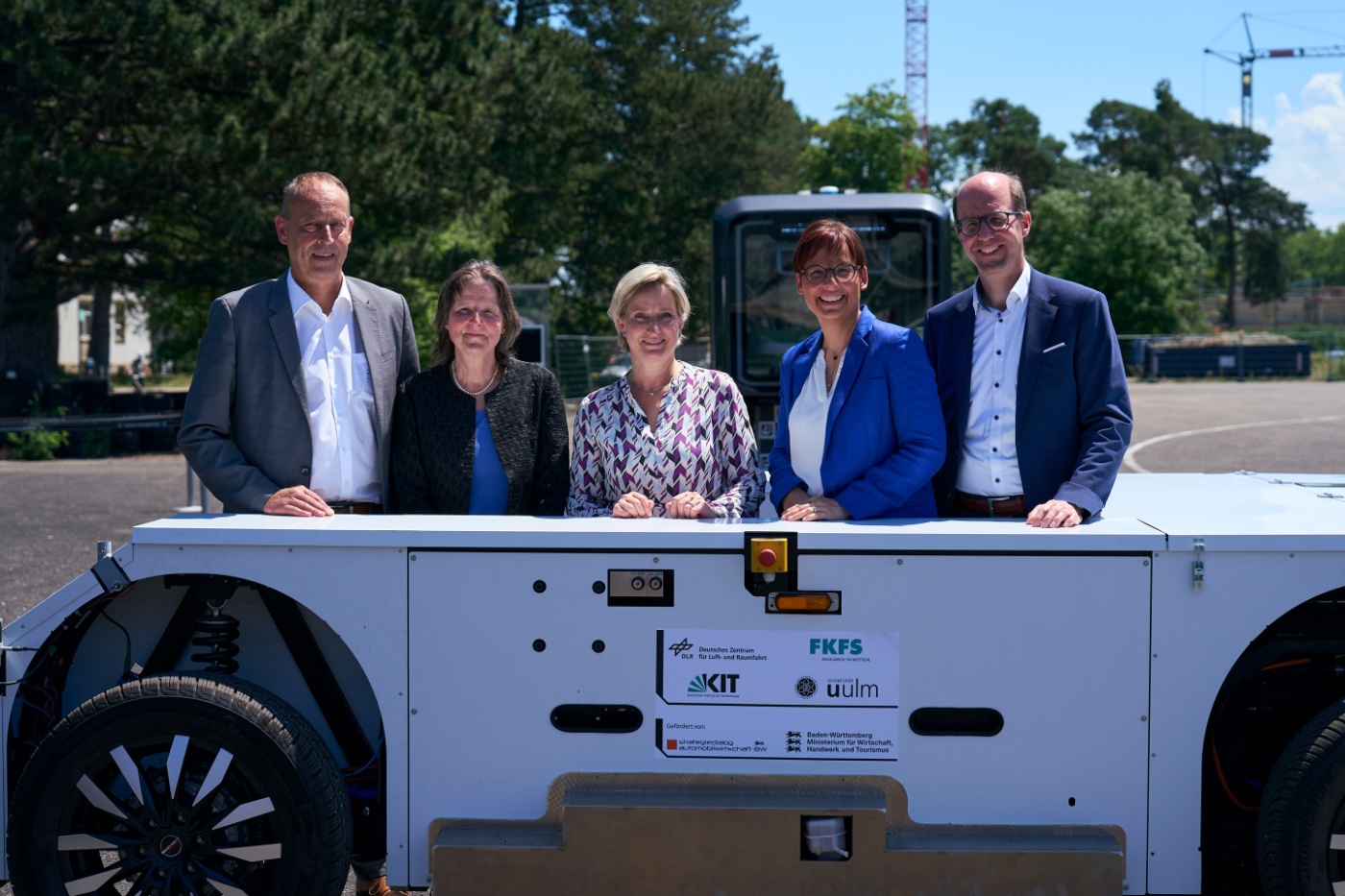
The U-Shift II project is a collaborative effort between the Karlsruhe Institute of Technology (KIT), the German Aerospace Center (DLR), Ulm University, and the Research Institute of Automotive Engineering and Vehicle Engines Stuttgart (FKFS). The project is managed by the DLR. The Baden-Württemberg Ministry of Economic Affairs, Labor and Tourism is funding the initiative with a total of ten million euros.
With this project, the research partners aim to establish the technological foundations for modular, automated vehicle concepts and pave the way for their integration into future mobility and logistics solutions. Especially for autonomous applications in passenger and freight transport, separating the driving platform from interchangeable vehicle capsules could open up new possibilities for more flexible and cost-effective vehicle deployment.