
.svg)

Tesla Launches Mass Production of the Tesla Semi
Image: (c) Tesla
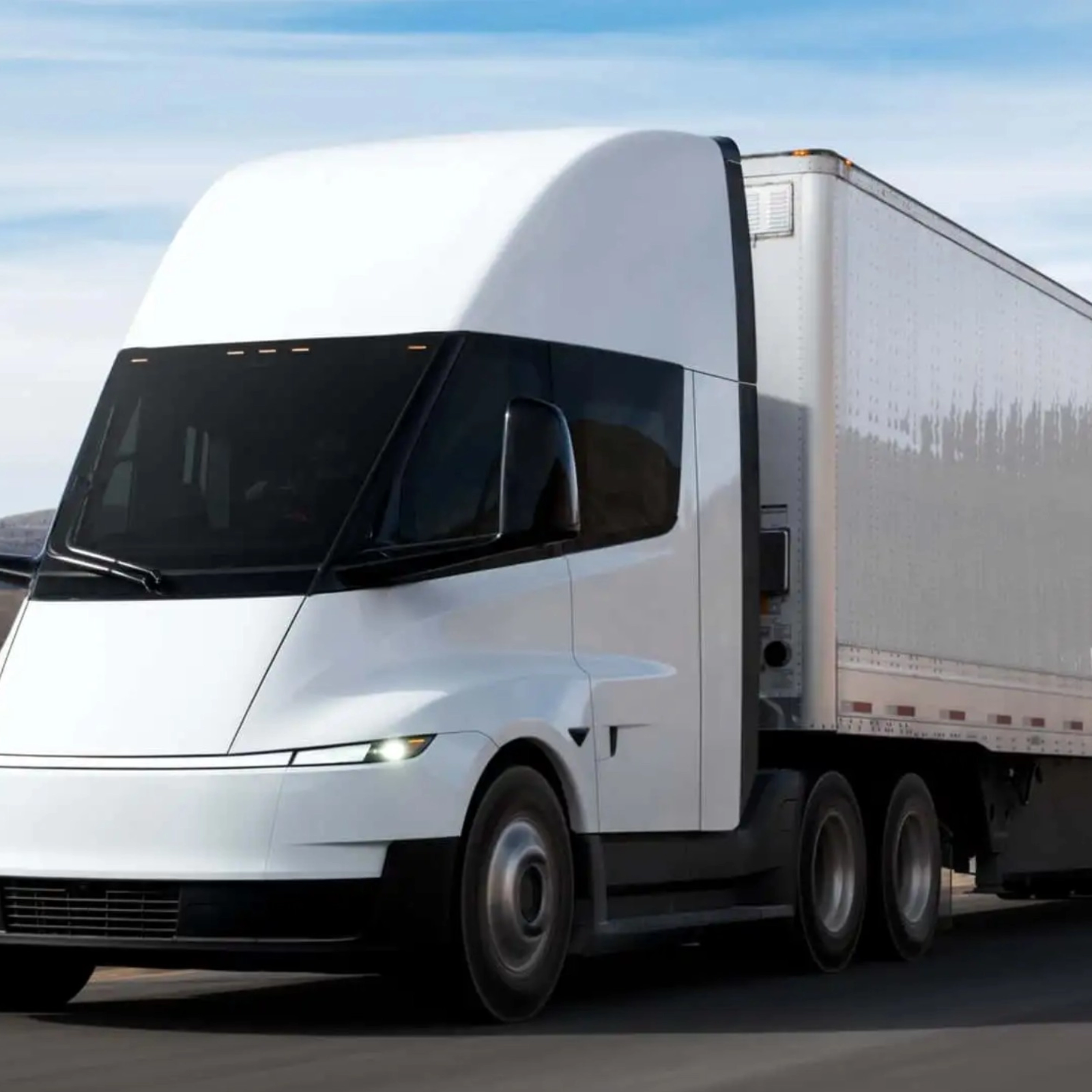
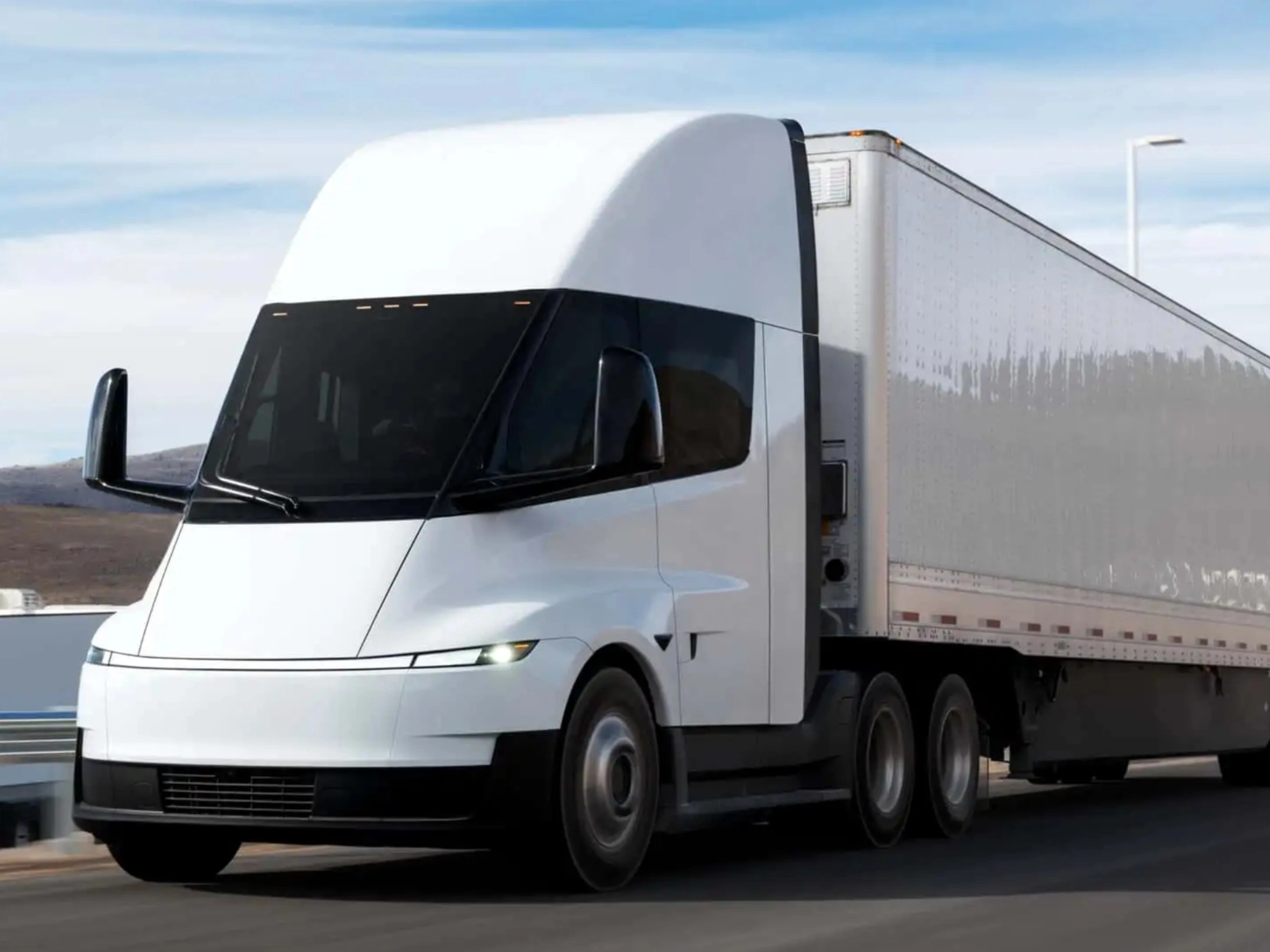
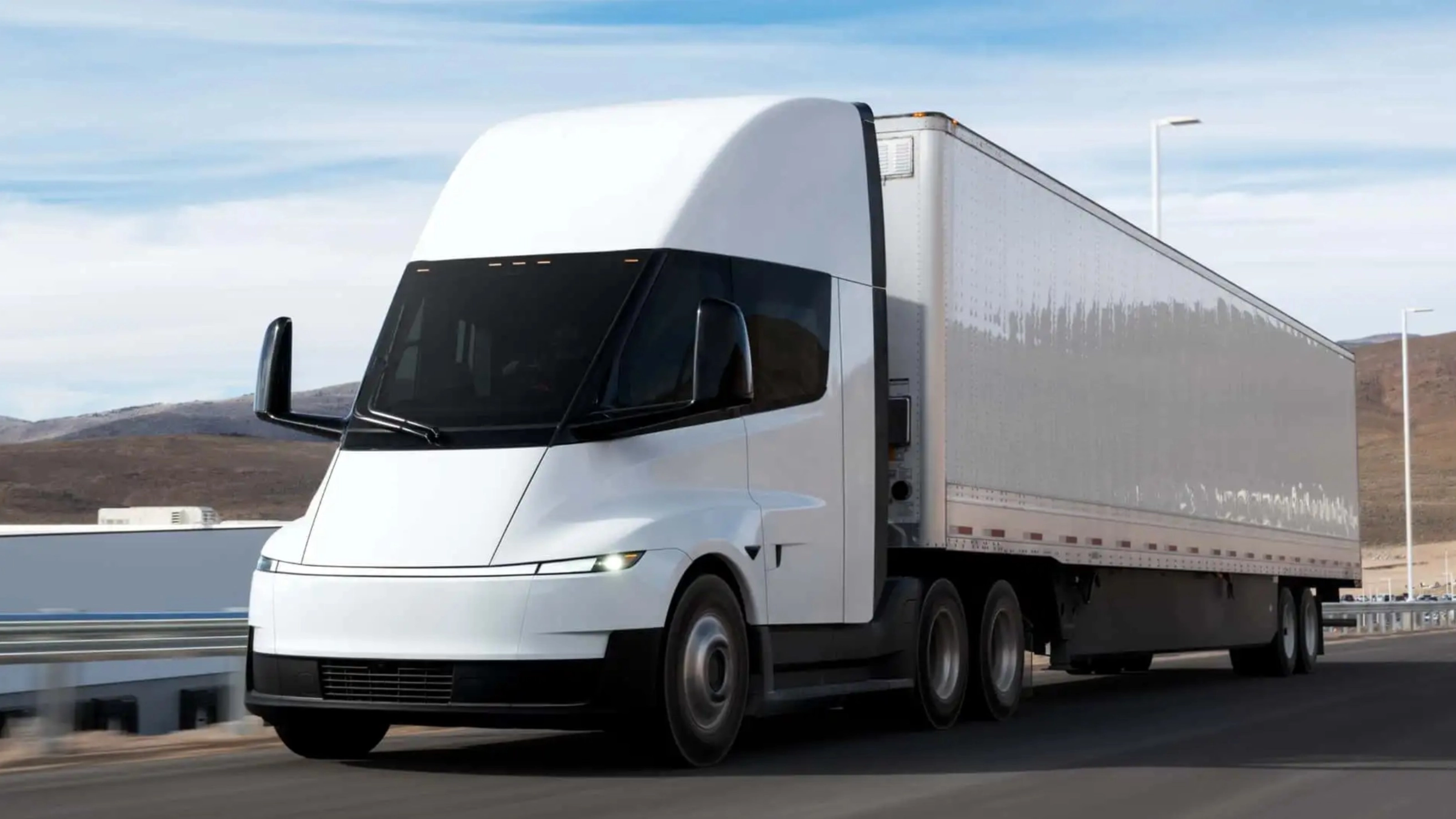
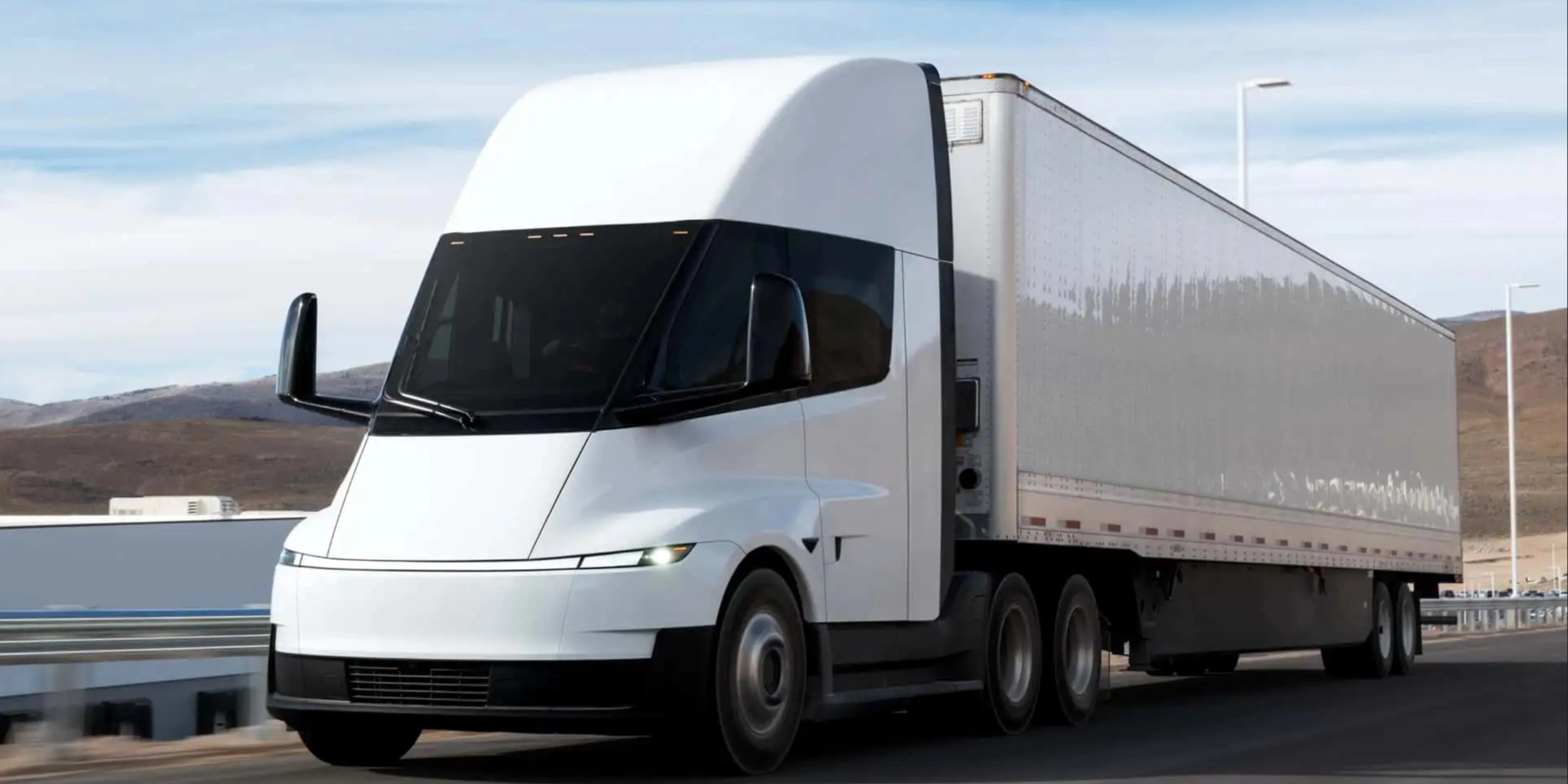
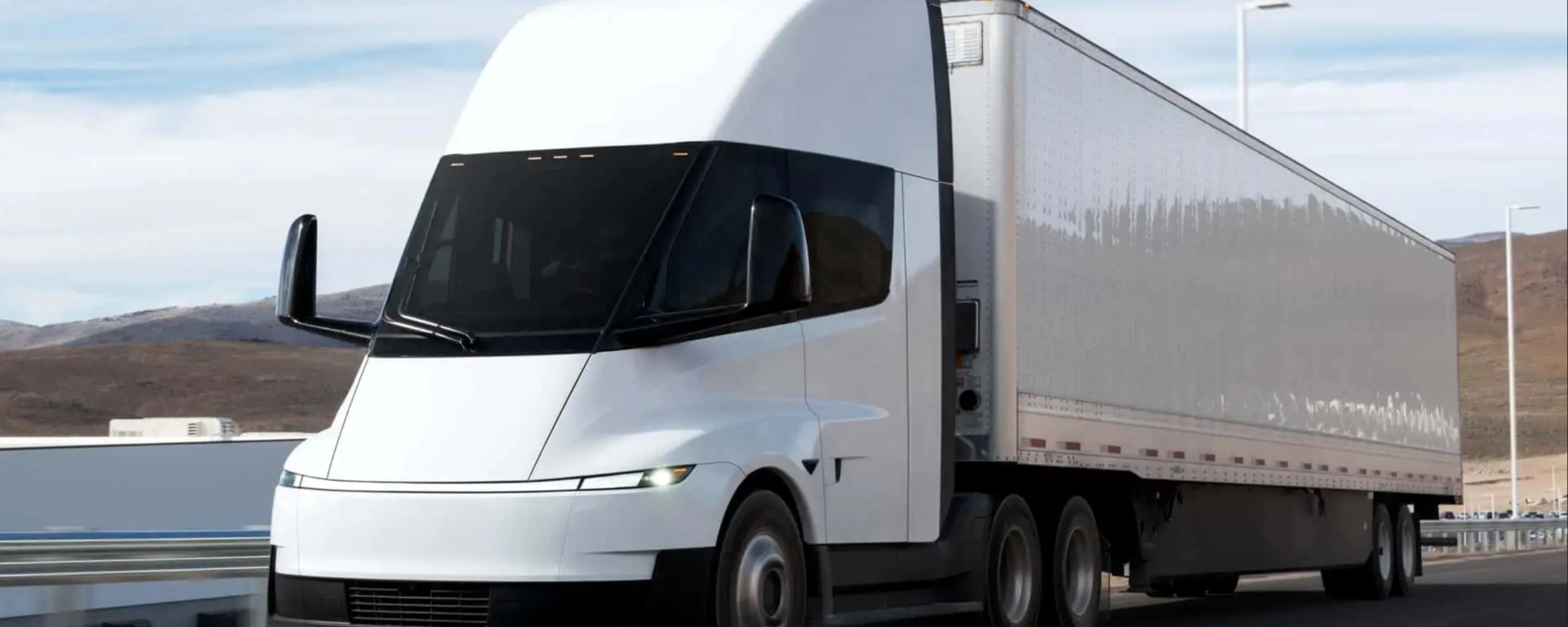
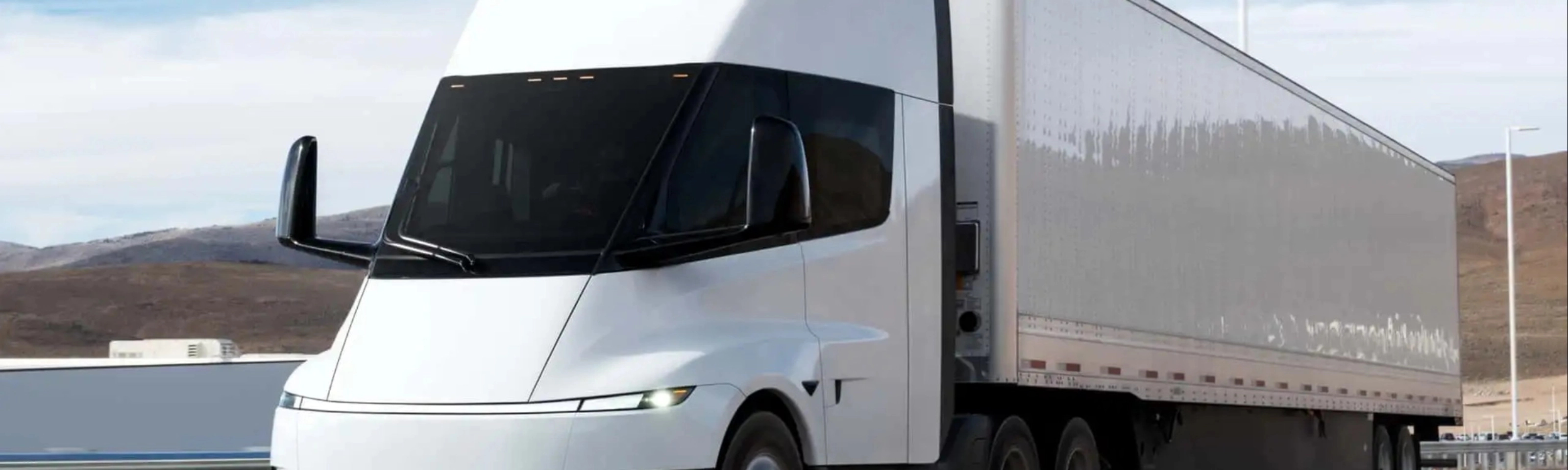
Tesla has unveiled its first mass-produced Semi truck: the first vehicle has rolled off a new high-volume production line at the plant near Gigafactory Nevada. This marks the official start of mass production for the long-awaited electric semi-trailer truck. The automaker released a photo of the production truck alongside the workforce at the new section of the factory.
Tesla has unveiled its first mass-produced Semi truck: the first vehicle has rolled off a new high-volume production line at the plant near Gigafactory Nevada. This marks the official start of mass production for the long-awaited electric semi-trailer truck. The automaker released a photo of the production truck alongside the workforce at the new section of the factory.

This step is considered a major milestone for the program, which has been delayed several times since its initial unveiling in 2017. The start of production brings an end to one of the longest development phases in Tesla's automotive history.
The Semi is being manufactured in a purpose-built factory specifically designed for electric commercial vehicles. The facility is designed for an annual capacity of approximately 50,000 vehicles, with the production ramp-up expected to happen in stages.
With this move, Tesla is laying the groundwork to manufacture the Semi in significantly larger quantities, completing the transition from previous low-volume production to full industrial manufacturing.
The economies of scale from mass production are intended to help offer the Semi in both Long Range and Standard versions. The Tesla Semi will be available in two variants: the Standard version is expected to have a range of about 325 miles, while the Long Range version is slated to reach approximately 500 miles.
A central element of the truck is its megawatt charging technology: using specially developed "Megachargers," a significant portion of the range can be recharged in about 30 minutes. In parallel, Tesla is building its own charging infrastructure for heavy-duty transport. Initial locations are already delivering power outputs of up to 750 kW, with plans to reach up to 1.2 megawatts in the future.
