



SPIRIT-E Research Project: Electric Truck Feeds Up to 350 kW Back into the Grid
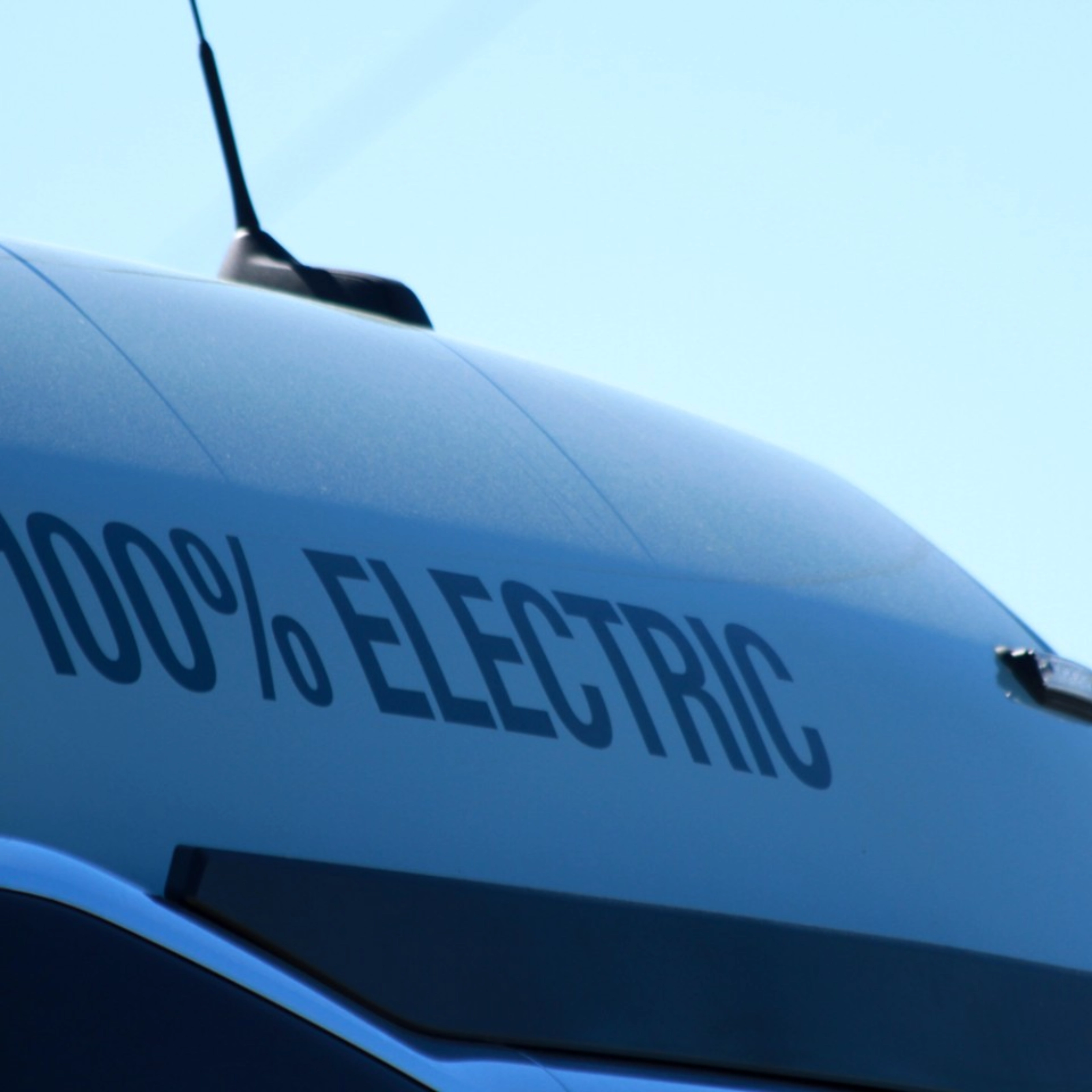
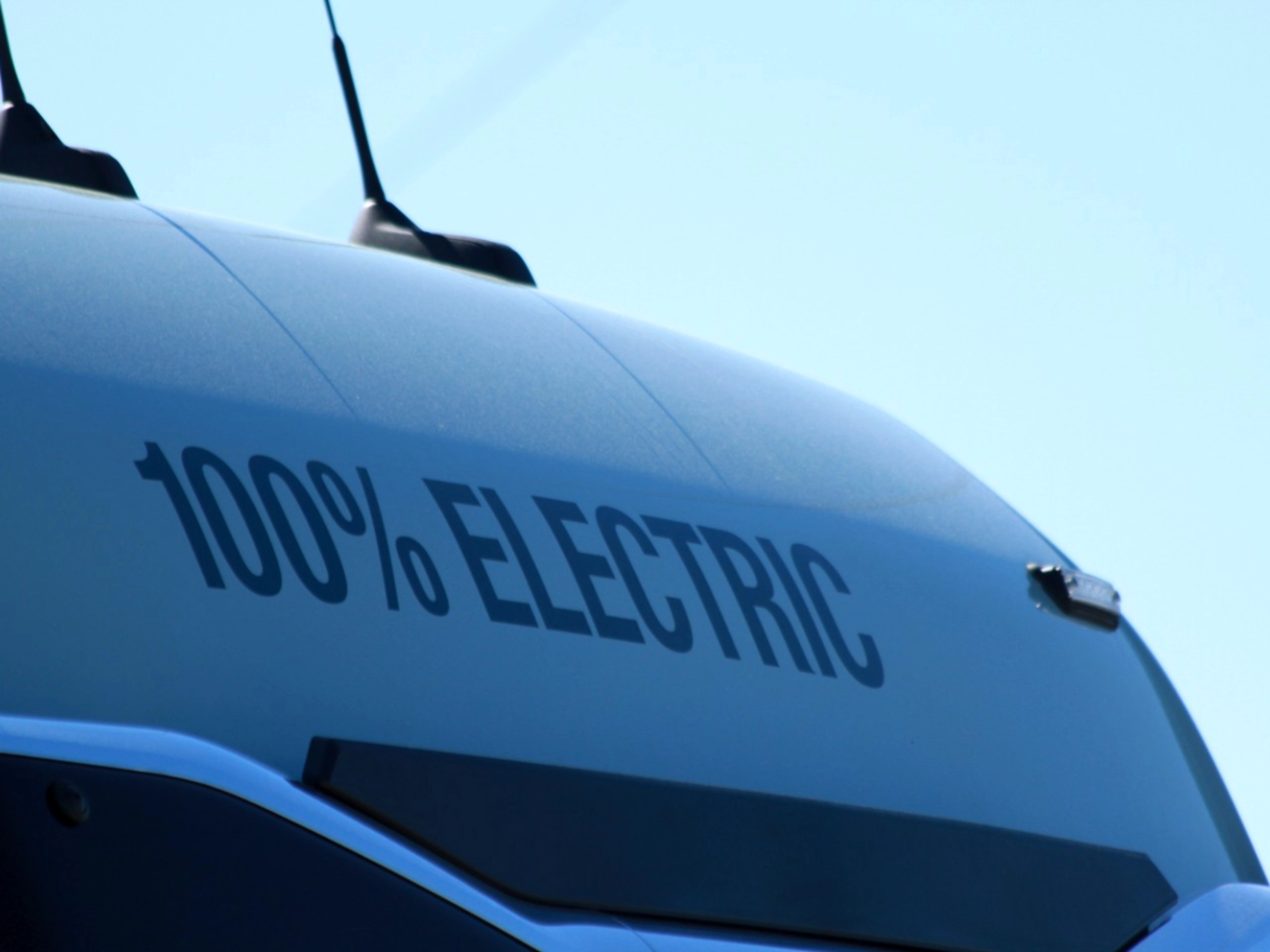
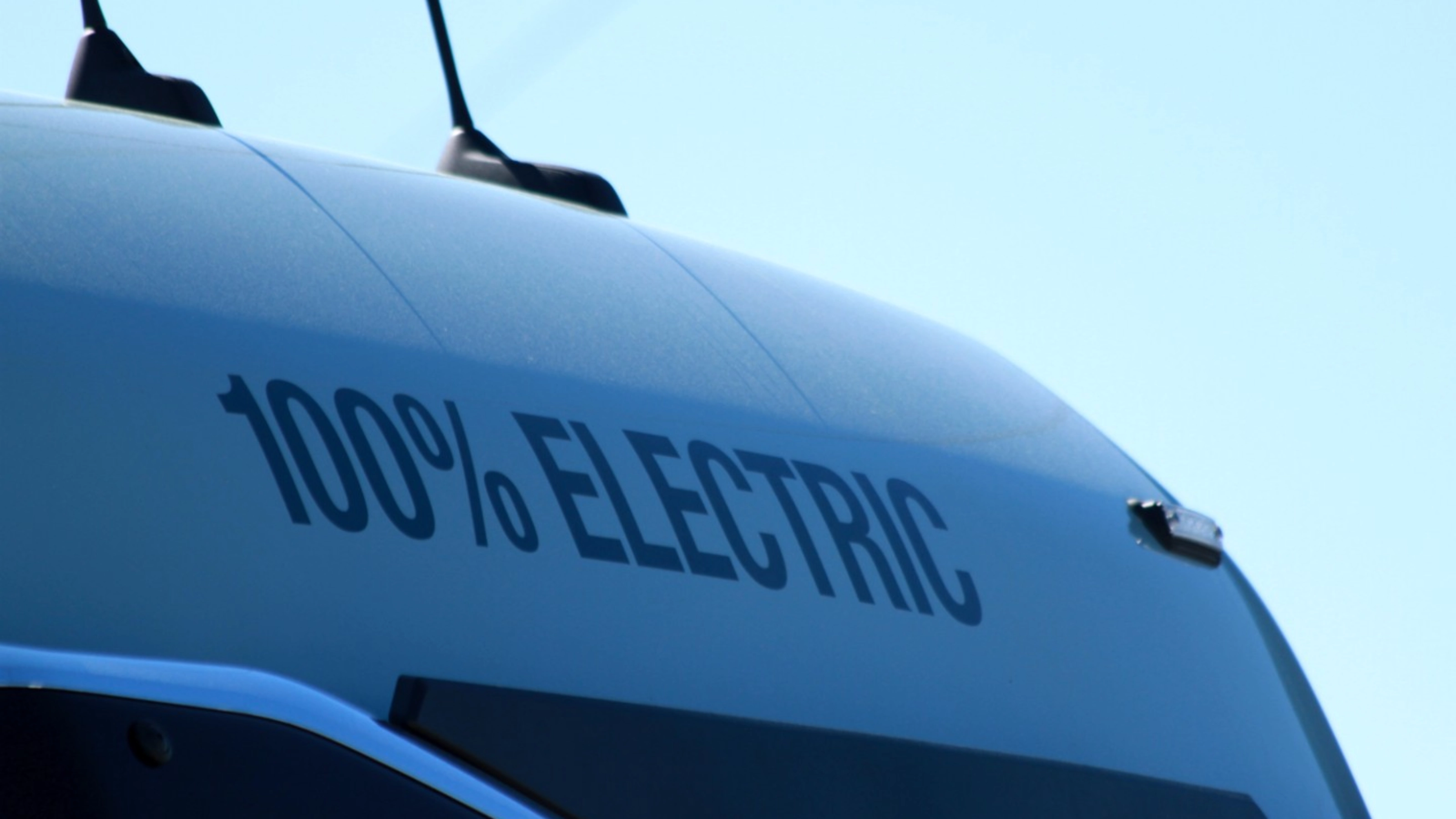
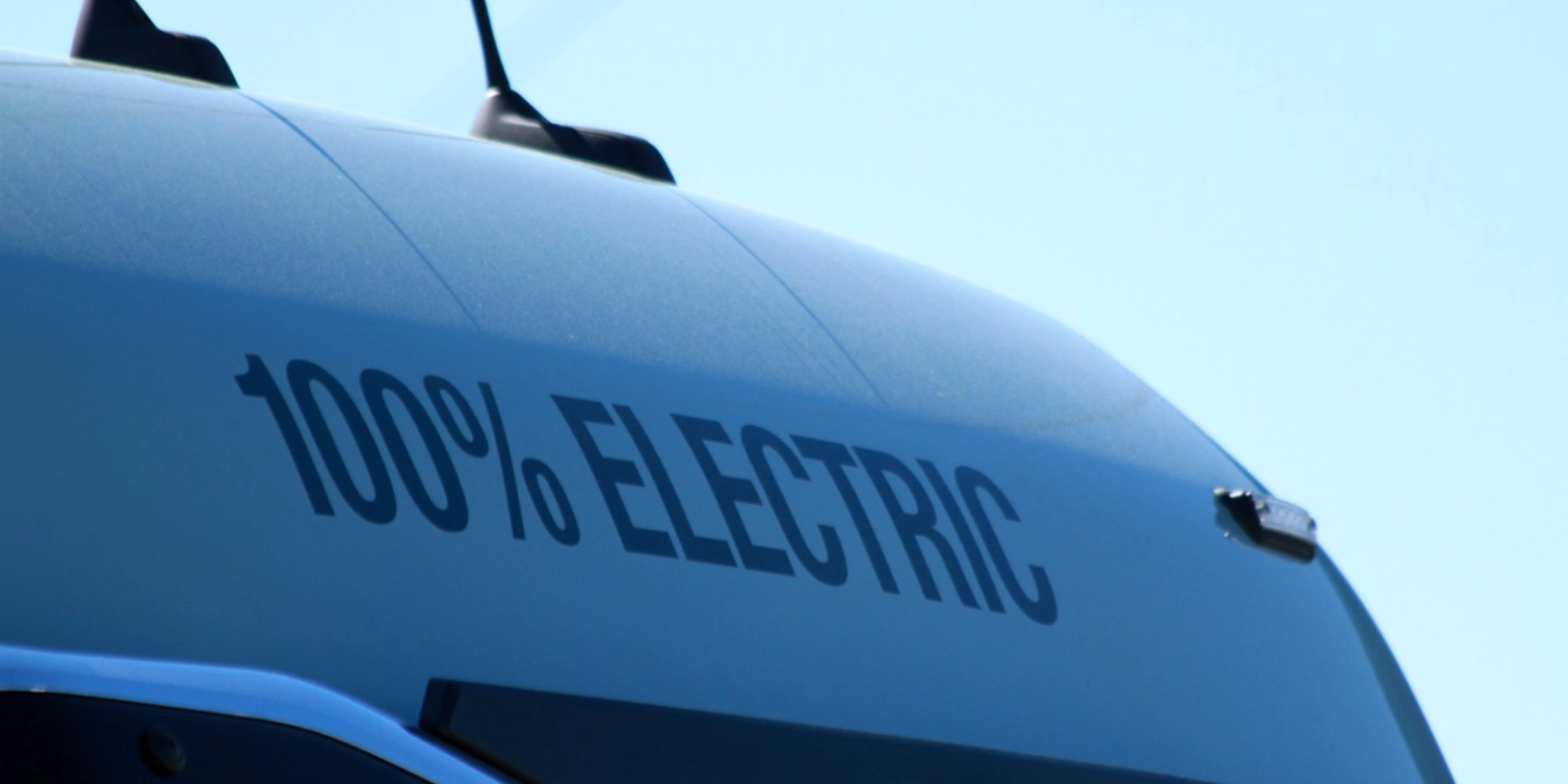
Image: (c) MAN Truck & Bus
After three years of research, the SPIRIT-E project has demonstrated the technical feasibility of bidirectional charging for heavy-duty electric trucks in real-world depot operations. At the Schmid freight company in Regensburg, a battery-electric MAN eTGX fed electricity back through a bidirectional DC charging station developed by Shell Business Recharge Solutions (SBRS), reaching a power output of up to 350 kW. Three vehicle-to-X applications were demonstrated: supplying electricity to other vehicles, powering the company's premises, and feeding electricity into the public power grid.
After three years of research, the SPIRIT-E project has demonstrated the technical feasibility of bidirectional charging for heavy-duty electric trucks in real-world depot operations. At the Schmid freight company in Regensburg, a battery-electric MAN eTGX fed electricity back through a bidirectional DC charging station developed by Shell Business Recharge Solutions (SBRS), reaching a power output of up to 350 kW. Three vehicle-to-X applications were demonstrated: supplying electricity to other vehicles, powering the company's premises, and feeding electricity into the public power grid.
MAN eTGX Demonstrates Three Bidirectional Charging Applications
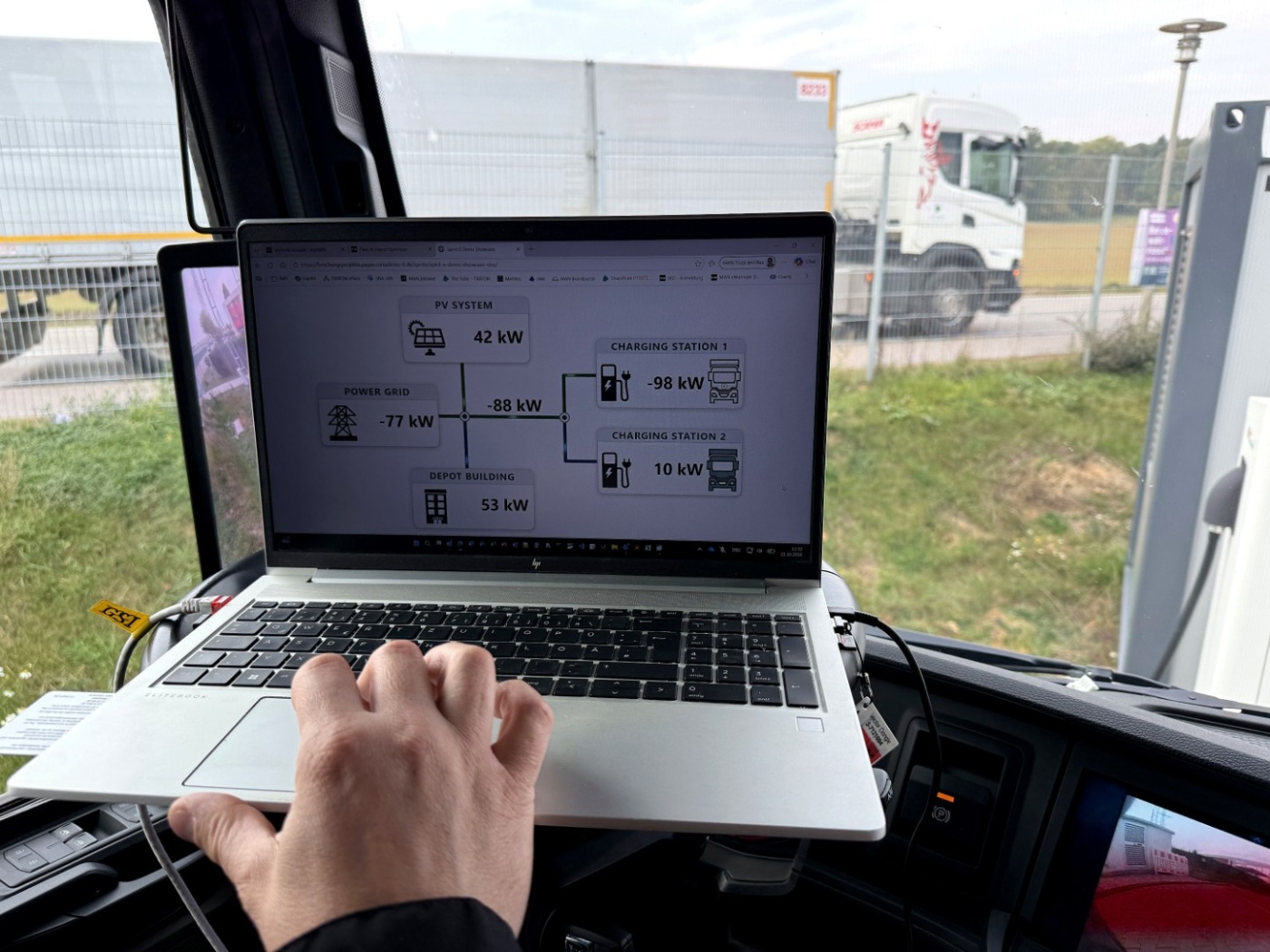
The real-world demonstration used a MAN eTGX with a usable battery capacity of 480 kWh. With the charging infrastructure developed by SBRS, the electric truck could both draw electricity and feed it back as needed.
The project demonstrated Vehicle-to-Vehicle (V2V), which supplies electricity to other vehicles; Vehicle-to-Site (V2S), which powers the company's premises; and Vehicle-to-Grid (V2G), which feeds electricity back into the public power grid. The power output during electricity feed-back reached up to 350 kW.
SBRS's mobile and stationary DC charging systems are designed for charging capacities of up to 440 kW. According to the manufacturer, connecting these systems enables a combined capacity of up to 880 kW. Communication between the vehicle and charging infrastructure uses the international ISO 15118-20 standard, which is intended to support interoperable control of bidirectional charging processes across manufacturers.
Particularly Promising for Electric Trucks in Regional Transport
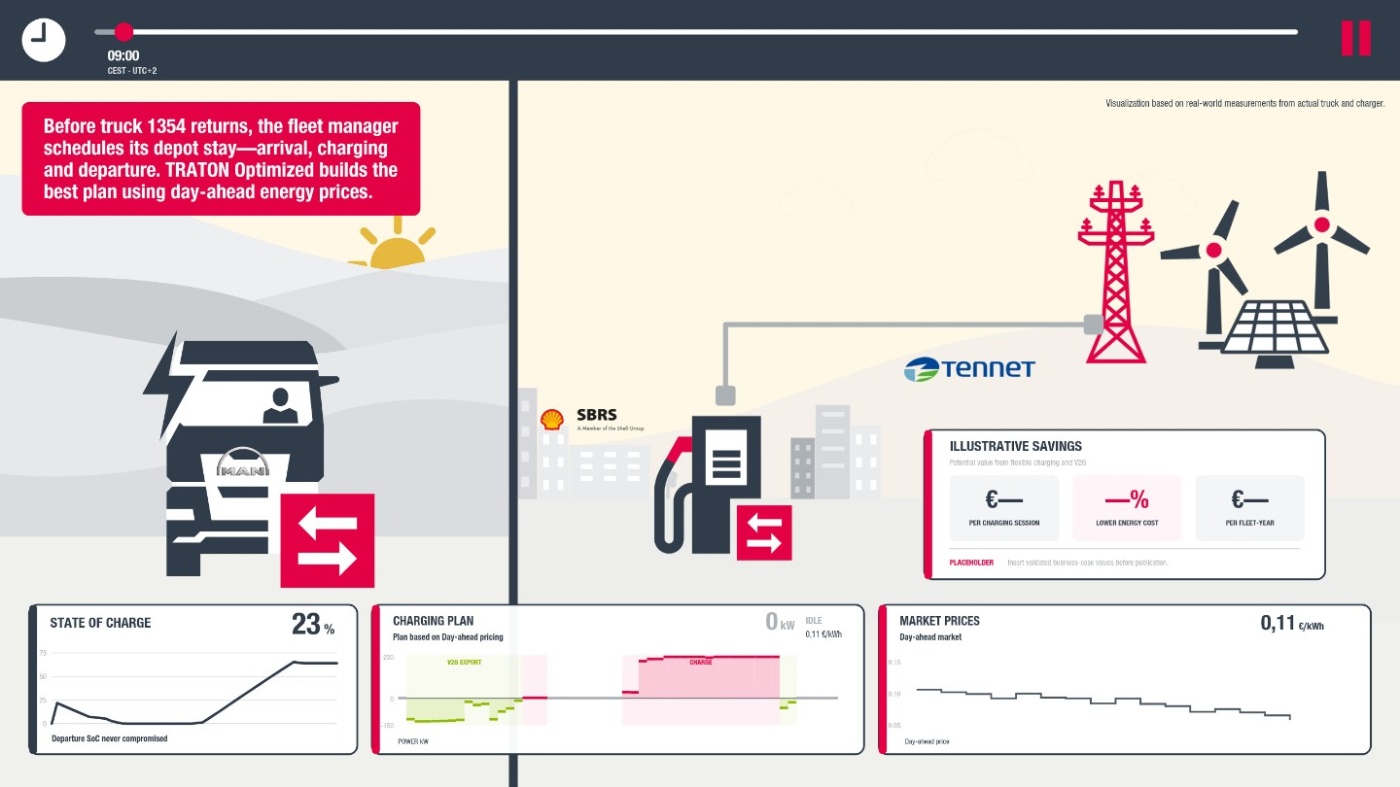
In addition to technical feasibility, SPIRIT-E examined the economic potential of bidirectional charging systems. Key factors include vehicle downtime at depots, electricity prices, grid fees, available grid connection capacity, and the integration of on-site photovoltaic systems.
Electric trucks with regular depot downtime and annual mileage of less than 100,000 kilometers appear particularly well suited, especially those used in regional distribution operations. These vehicles could temporarily store surplus solar power and make it available when needed for company operations or feed it into the public power grid.
According to the project partners, a ten percent reduction in electricity costs for a vehicle traveling 100,000 kilometers annually would be equivalent to the energy costs of approximately 10,000 kilometers of driving.
Grid Connections and Business Models Remain Challenges
Despite the successful demonstration, several challenges remain before the technology can be introduced more widely. These include limited grid connection capacity, a lack of uniform standards for practical integration, and business models that are not yet sufficiently developed.
The research project, funded by the German Federal Ministry for Economic Affairs and Energy, ran from August 2023 to October 2026. Led by the Technical University of Munich, the project involved Fraunhofer IEE, Forschungsstelle für Energiewirtschaft, MAN Truck & Bus, TenneT, Hubject, Consolinno Energy, and SBRS.