.svg)
Sponsored Content
SINOTRUK: From Electric Vehicles to Integrated Transport Solutions
Image: (c) SINOTRUK
From vehicles and key components to integrated energy solutions and lifecycle support, SINOTRUK is developing solutions adapted to different transport scenarios and market conditions, with its new-energy products already in operation across more than 50 countries and regions.
From vehicles and key components to integrated energy solutions and lifecycle support, SINOTRUK is developing solutions adapted to different transport scenarios and market conditions, with its new-energy products already in operation across more than 50 countries and regions.
A Broader View of Electrification
As commercial transport continues to move towards lower-carbon solutions, electrification is becoming an increasingly important part of the industry’s development. But for commercial vehicles, the transition involves more than choosing an electric powertrain. Vehicle configuration, energy availability, charging and battery-swapping infrastructure, operating patterns and lifecycle costs all vary across markets and applications.
The challenge, therefore, is not simply to develop electric heavy-duty trucks, but to build an approach that can respond to these different conditions.
At IAA TRANSPORTATION 2026, SINOTRUK is presenting this broader approach under the theme “POWERING ALL. DELIVERING ONE.” The exhibition brings together commercial vehicles, key components, integrated energy solutions and lifecycle support — reflecting an approach that goes beyond the vehicle itself.
From Vehicle Capability to Operational Value
For electric heavy-duty trucks, range, energy consumption and charging performance directly influence vehicle utilisation and operating efficiency.
The SITRAK 4×2 Battery-Electric Tractor provides a concrete example. Built on an 800 V high-voltage platform with a 600 kWh-class battery system, it can achieve up to 500 km of range under standard line-haul operating conditions at a 44-tonne GCW. Energy consumption is as low as 1.1 kWh/km, supported by aerodynamic optimisation, regenerative braking and intelligent energy management.
Its high-power dual-connector charging system can charge the battery from 20% to 80% in approximately 23 minutes, helping to fit charging into demanding transport schedules.
The value of these figures goes beyond the technical specifications. They directly shape the operating cycle: how far the vehicle can travel, how much energy it consumes and how quickly it can return to work.
Different Operations Require Different Solutions
Commercial transport is not a single operating model. Line-haul logistics, urban distribution and construction operations each place different demands on vehicles in terms of payload, duty cycles, road conditions and energy use.
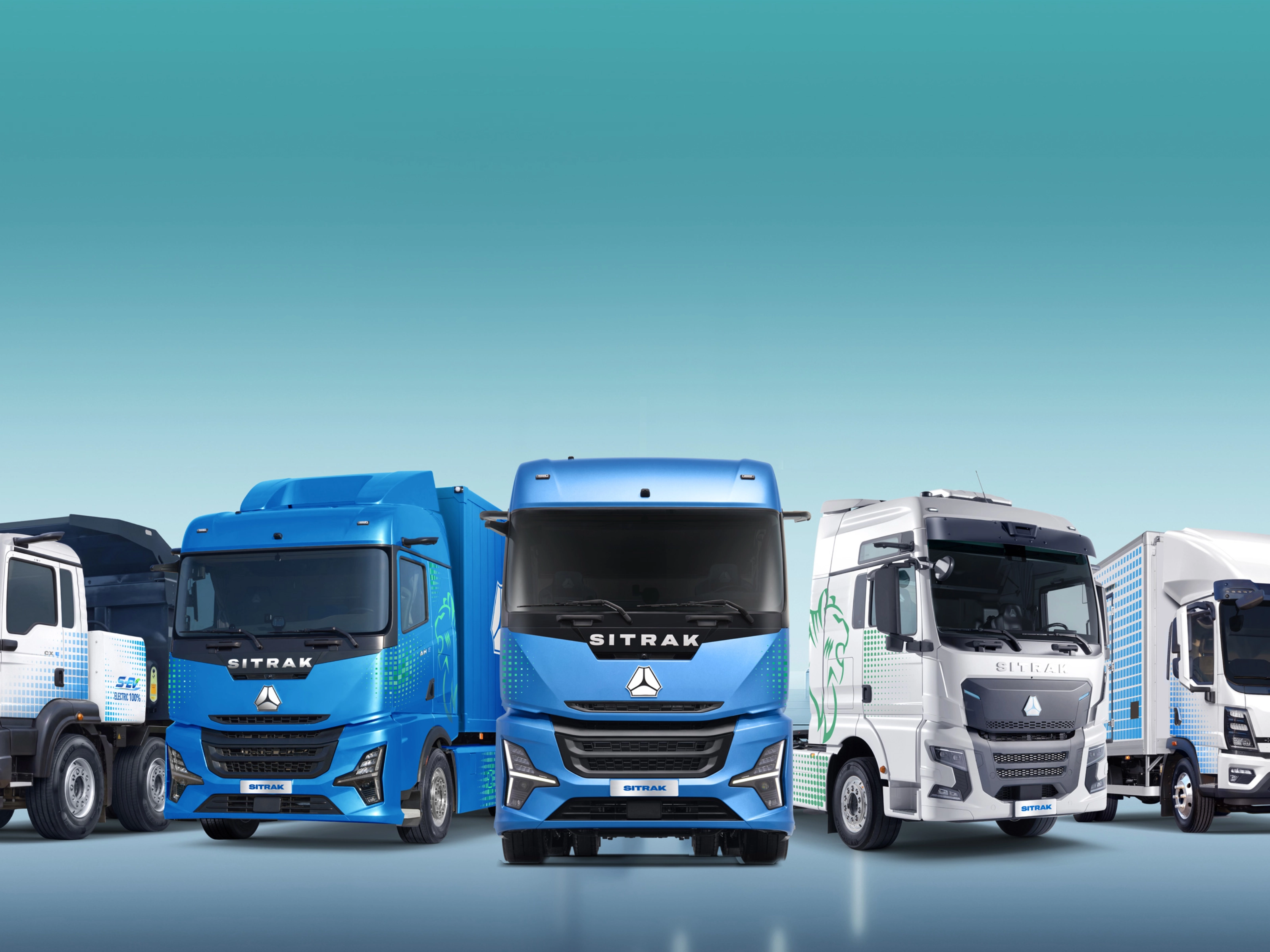
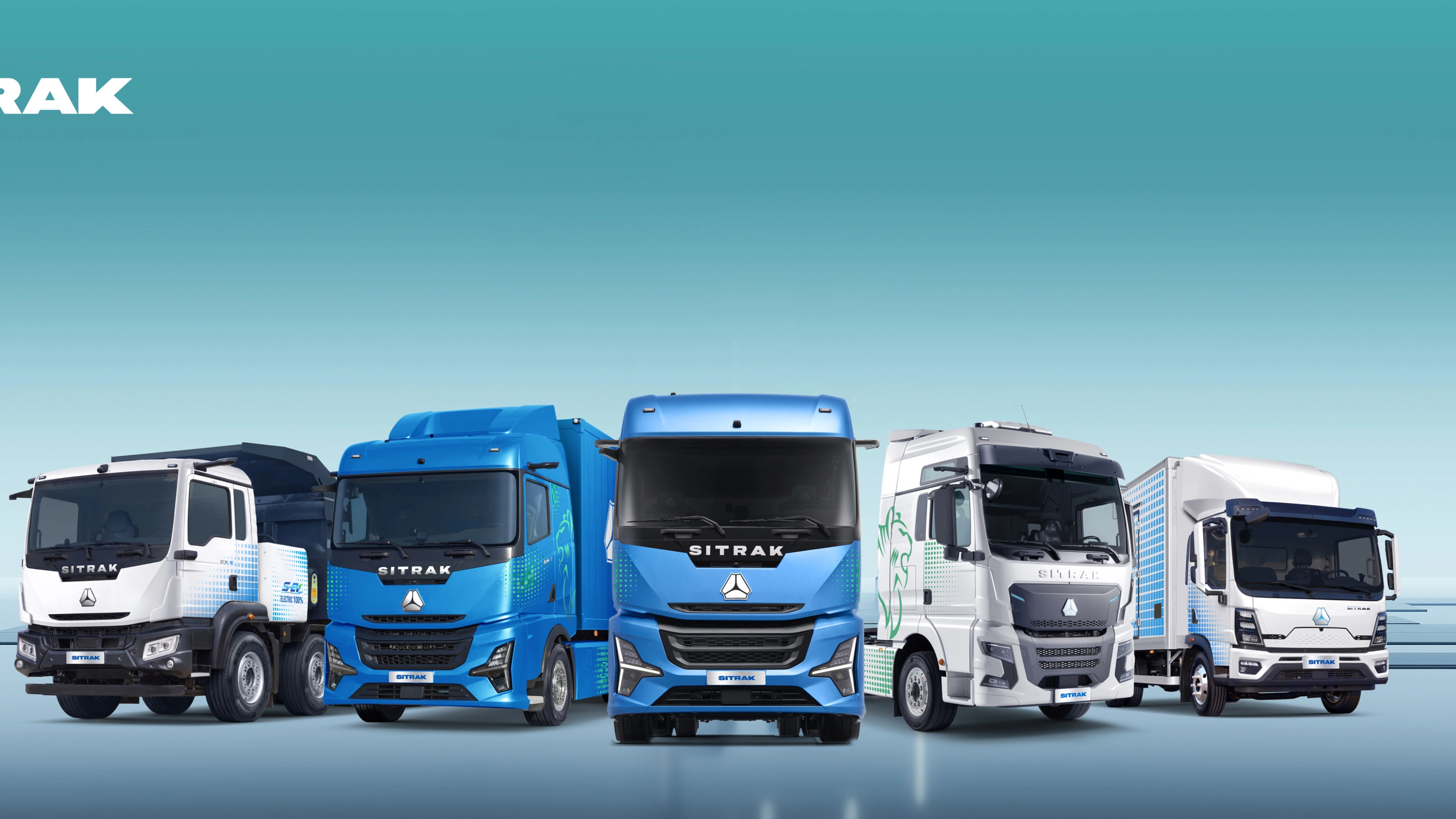
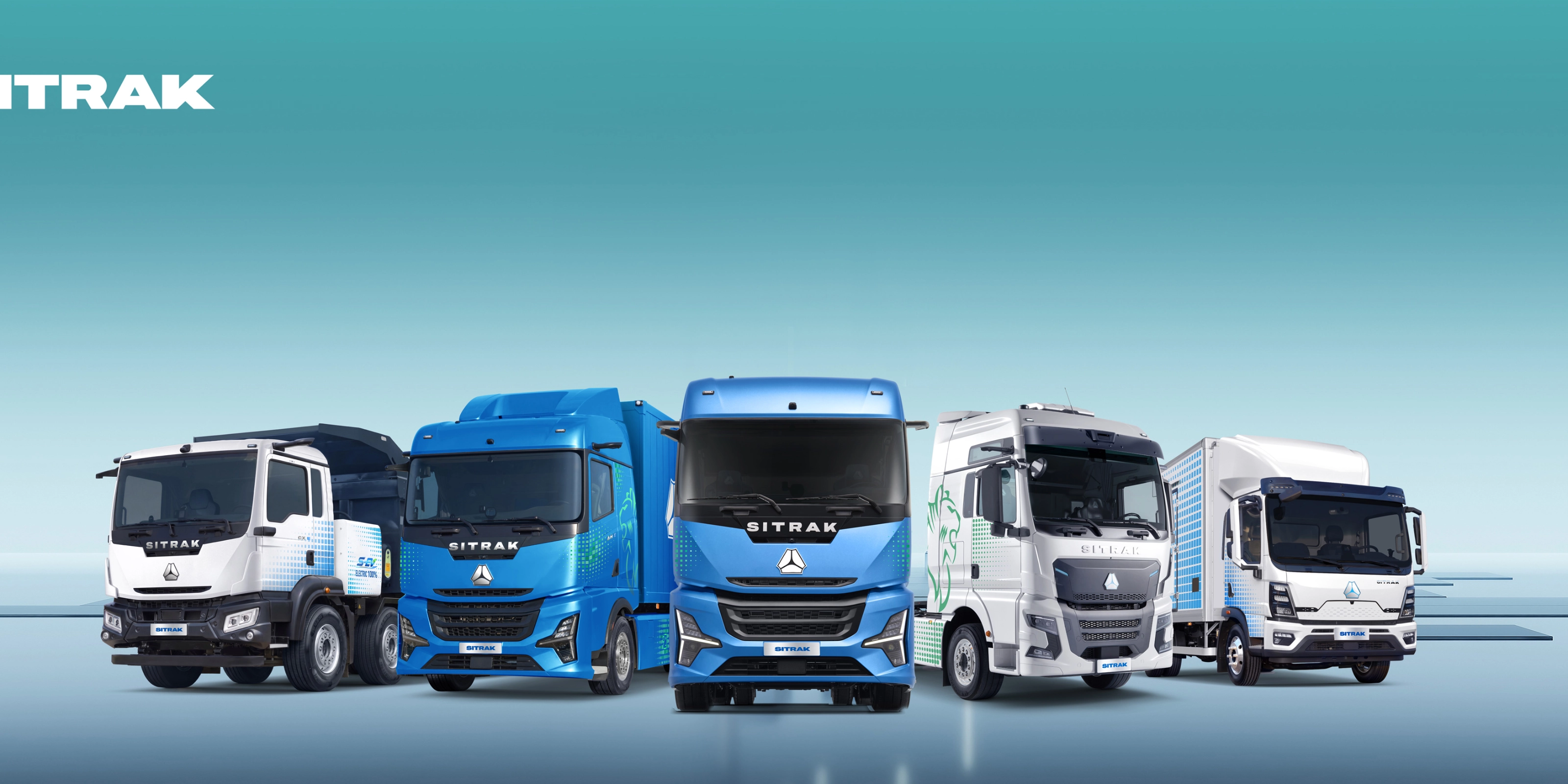
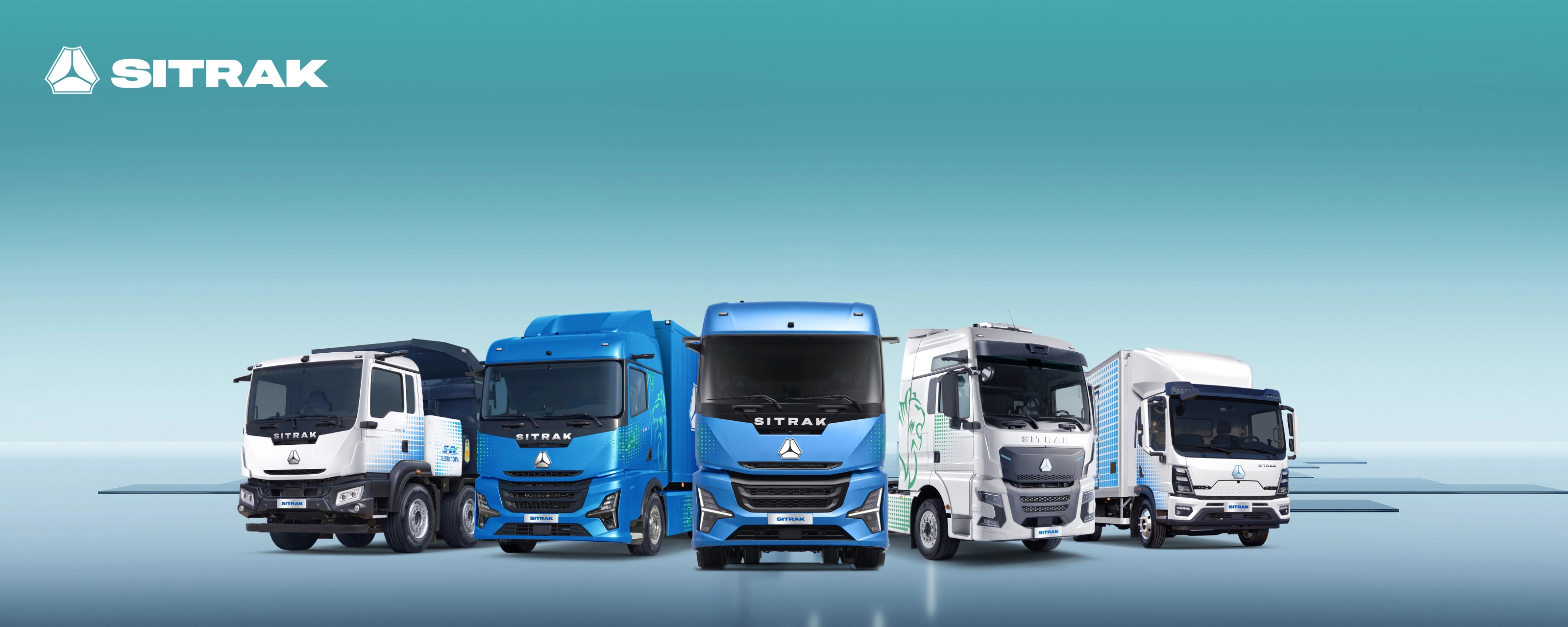
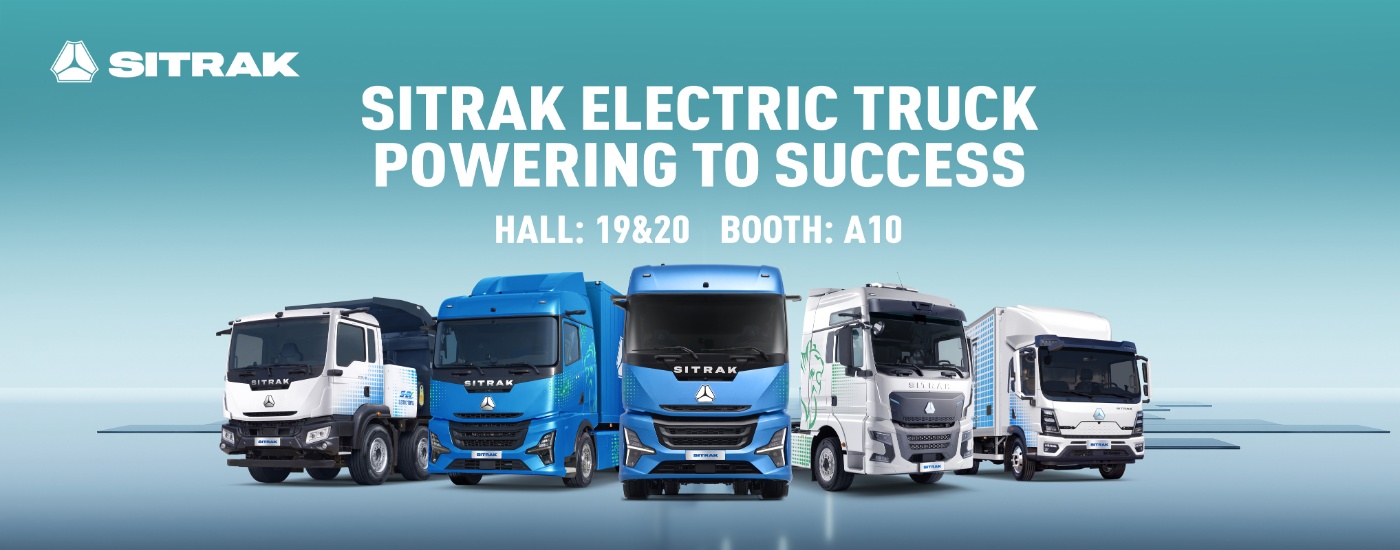
SINOTRUK’s IAA line-up reflects this diversity, with five vehicles covering different applications and operating profiles, from the SITRAK 4×2 Battery-Electric Tractor and 6×2 Battery-Electric Rigid Truck to the 8×4 Battery-Electric Tipper, Battery-Electric Light-Duty Truck and SITRAK 4×2 Tractor.
The point is not to use a single vehicle model for all applications, but to match vehicle configuration with the requirements of a specific operation.
This becomes particularly important when looking beyond the vehicle. Different markets also have different levels of grid capacity, renewable energy availability, charging and battery-swapping infrastructure and energy costs. The right electric transport solution therefore depends on both the vehicle and the conditions in which it operates.
From Vehicles to Energy and Lifecycle Support
For applications such as mining areas, ports and logistics parks, charging and battery swapping need to be considered together with the wider energy environment.
SINOTRUK is therefore presenting an integrated Wind-Solar-Storage-Charging-Swapping Ecosystem Solution, combining energy generation, storage and replenishment according to local conditions and operating requirements.
The approach also extends across the vehicle lifecycle. Service contracts, technical training and operational support address requirements beyond the vehicle itself, including uptime, maintenance and operating efficiency.
Together, vehicles, key components, energy infrastructure and lifecycle support form a configurable system that can be adapted to different markets and applications.
Making Electric Heavy-Duty Trucks Work in Practice
The development of electric heavy-duty transport is influenced by more than vehicle technology. Infrastructure, energy supply, operating economics, regulations and local conditions will all affect where and how quickly electric heavy-duty trucks can be deployed at scale.
Practical experience therefore matters.
SINOTRUK has delivered more than 100,000 new-energy commercial vehicles, with its new-energy products already deployed and operating across more than 50 countries and regions. These markets span different climates, road conditions, logistics patterns, energy environments and regulatory frameworks, giving SINOTRUK experience in adapting new-energy commercial vehicles to different operating contexts.
The question is therefore not whether a single electric heavy-duty truck model can serve every market, but how vehicle technology, energy systems and operational support can be configured around the needs of each market and application.
That is what SINOTRUK is bringing to IAA TRANSPORTATION 2026: not simply a selection of vehicles, but a broader approach to electrified commercial transport that connects vehicles with energy, infrastructure and lifecycle support.
For electric heavy-duty transport, wider adoption will depend not only on what the vehicle can achieve, but on how well the complete system works in practice.