
.svg)
Milence Opens Charging Hub Built Using Zero-Emission Construction
Image: (c) Milence
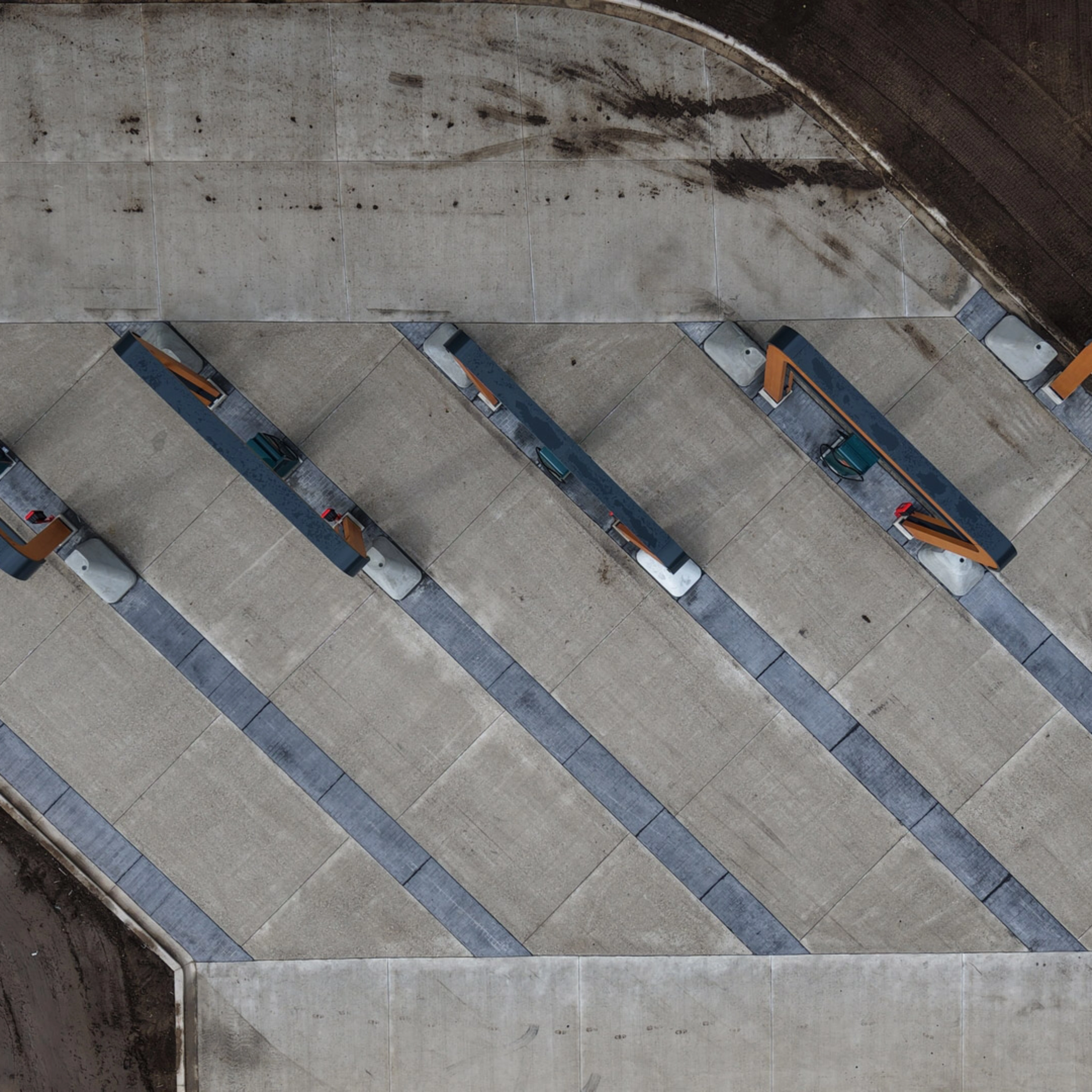
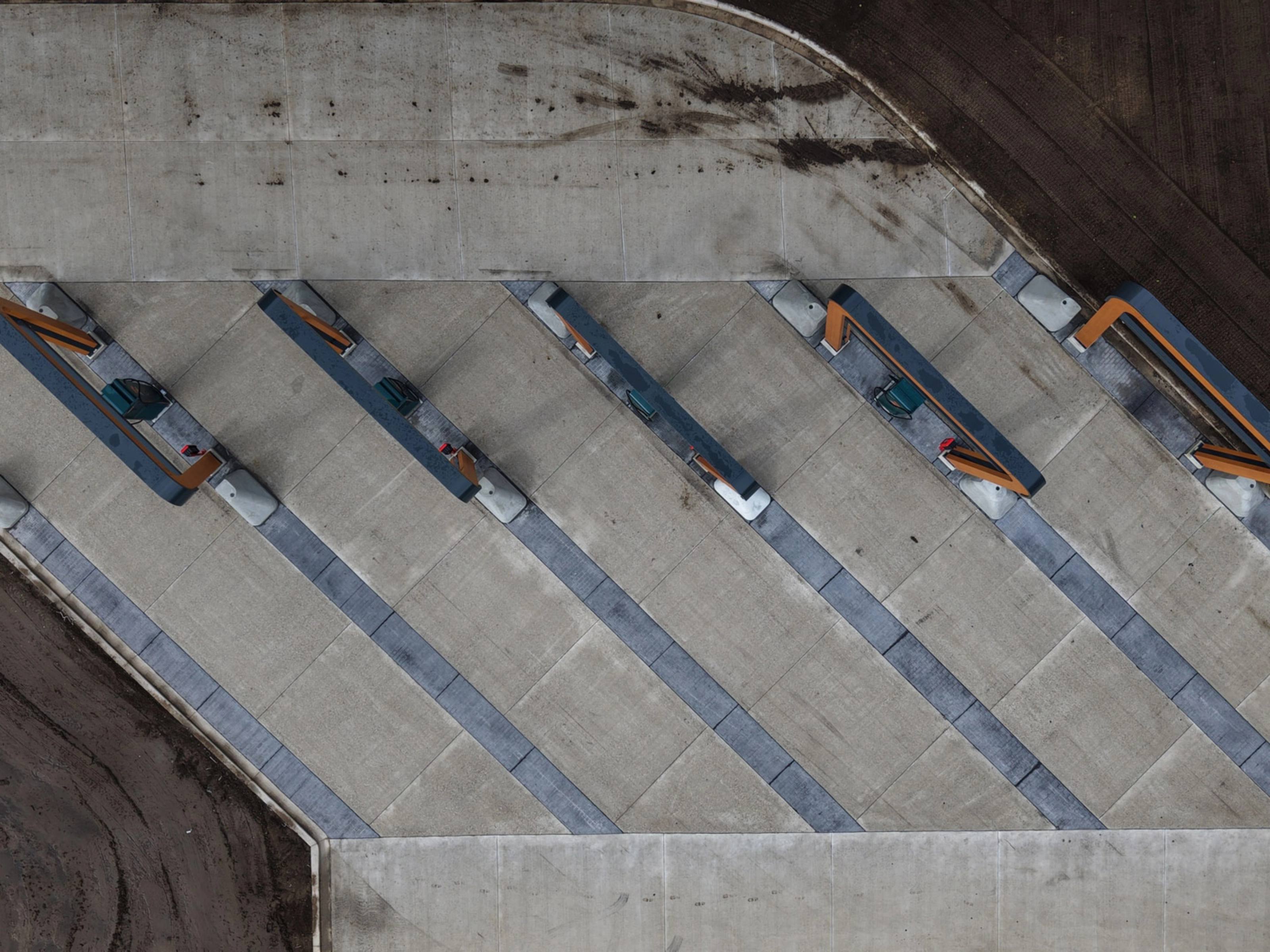
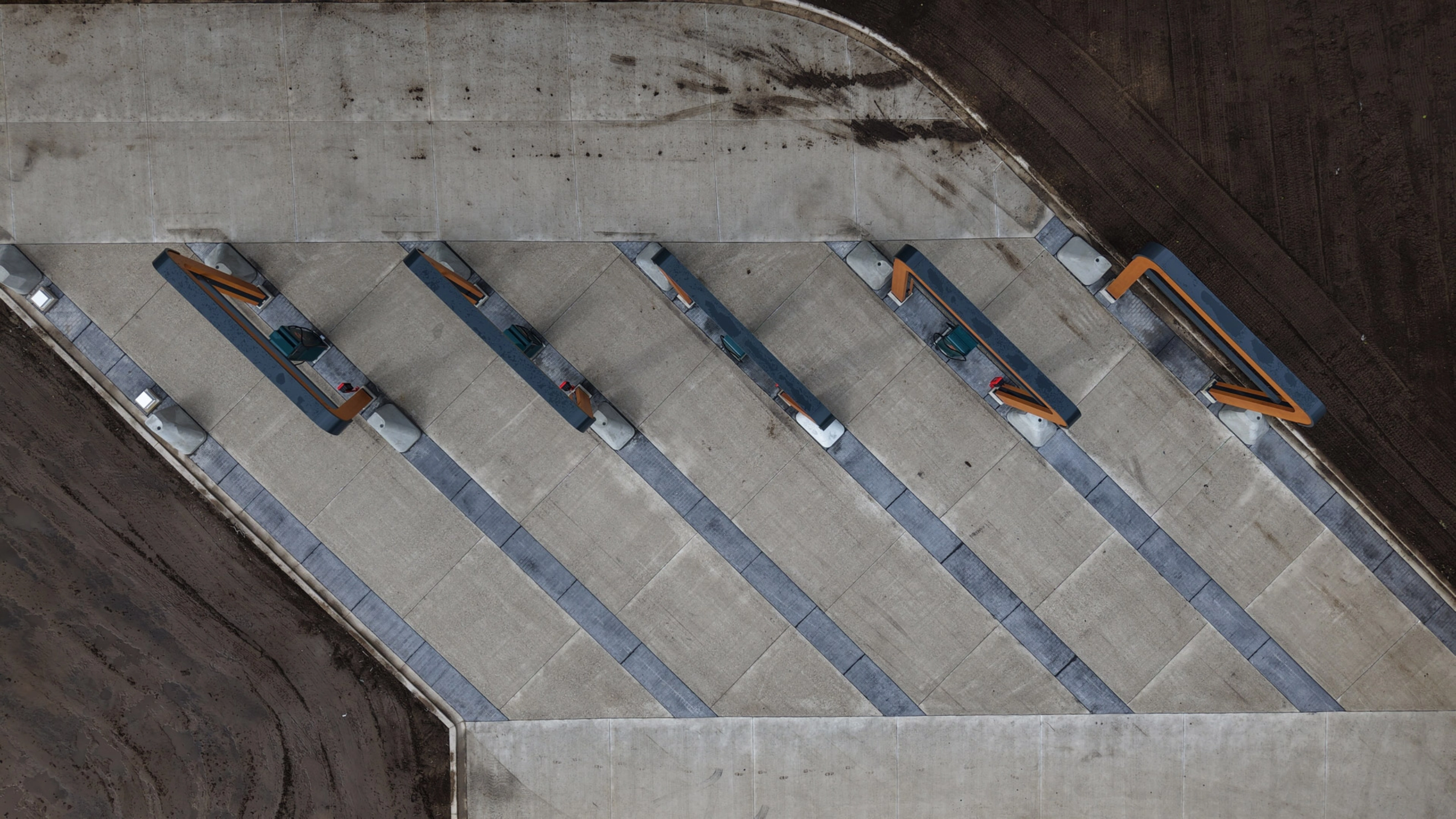
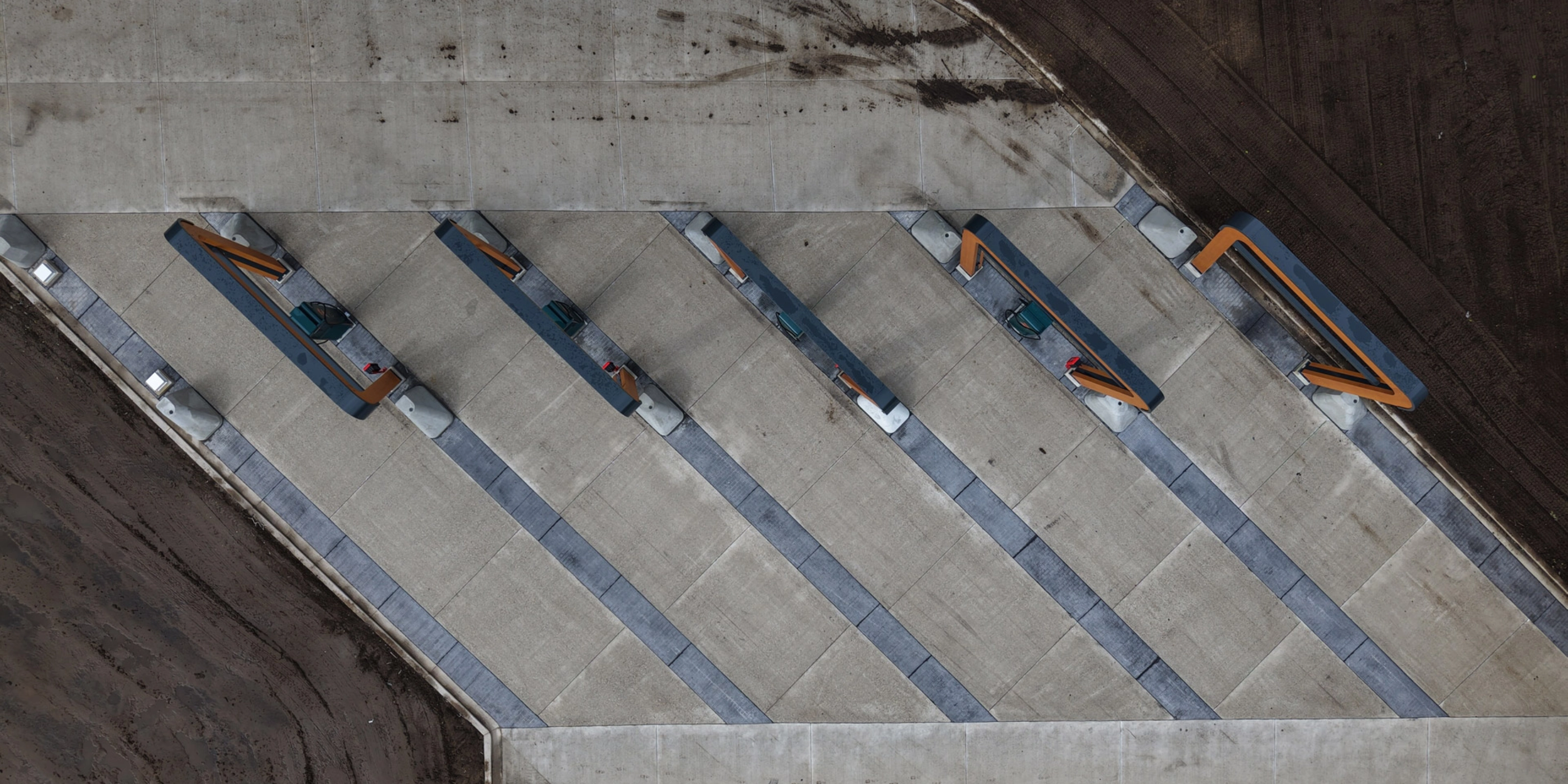
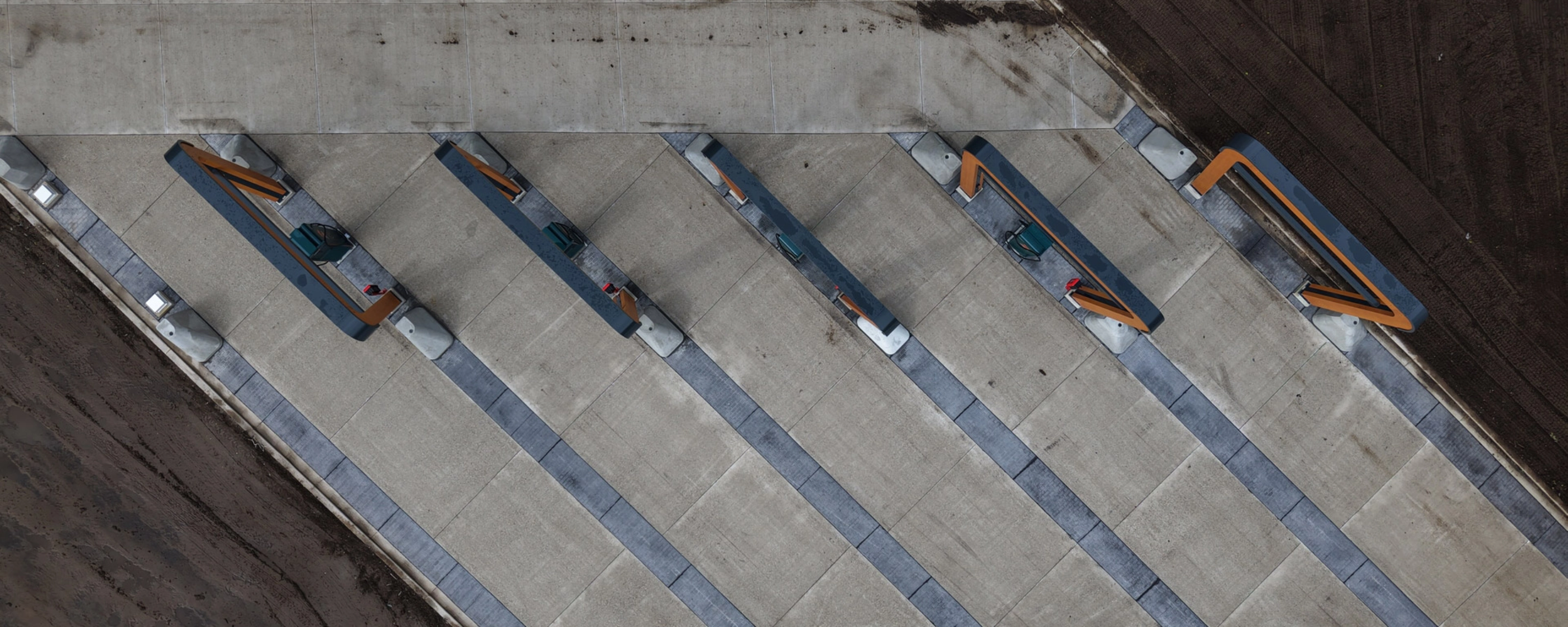
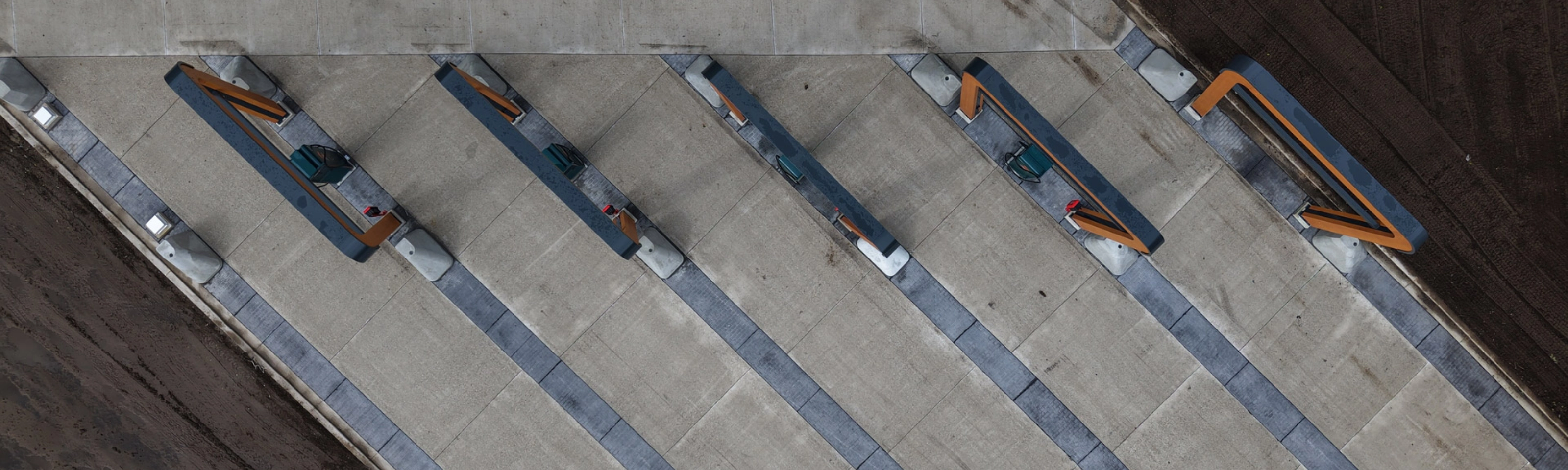
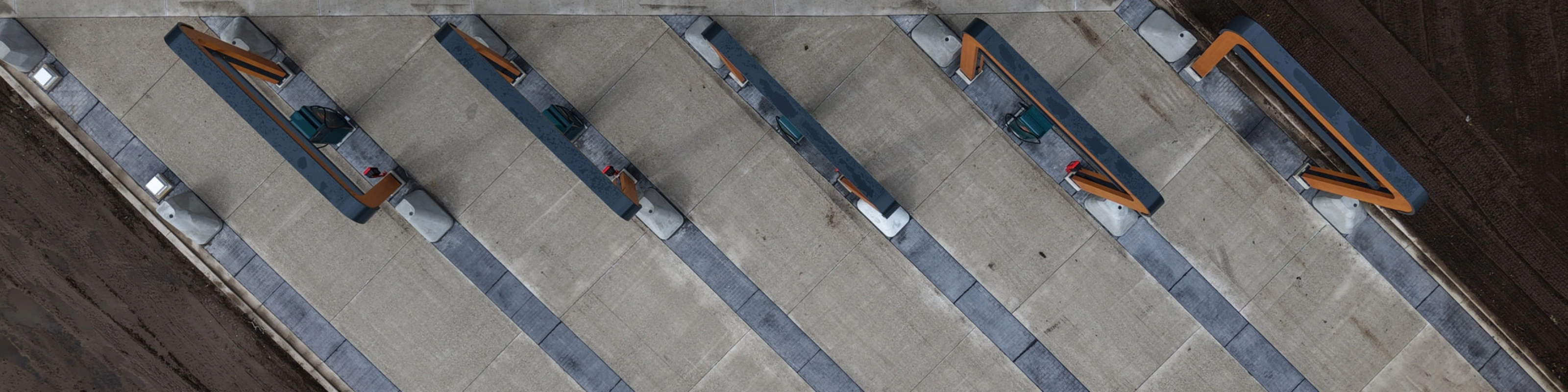
Milence has opened its first charging hub in Deurningen-Hengelo, Netherlands, constructed entirely using electric construction equipment. With this new location, the company is not only expanding its public charging network for battery-electric trucks, but also testing new approaches to building charging infrastructure more sustainably.
The charging hub is Milence’s fourth location in the Netherlands and is situated along the A1 motorway at the Frans op den Bult truck stop. It is designed to strengthen the North Sea–Baltic TEN-T Corridor—one of Europe’s most vital freight routes—and improve cross-border charging infrastructure between the Netherlands, Germany, and Belgium.
Milence has opened its first charging hub in Deurningen-Hengelo, Netherlands, constructed entirely using electric construction equipment. With this new location, the company is not only expanding its public charging network for battery-electric trucks, but also testing new approaches to building charging infrastructure more sustainably.
The charging hub is Milence’s fourth location in the Netherlands and is situated along the A1 motorway at the Frans op den Bult truck stop. It is designed to strengthen the North Sea–Baltic TEN-T Corridor—one of Europe’s most vital freight routes—and improve cross-border charging infrastructure between the Netherlands, Germany, and Belgium.
Pilot Project for Zero-Emission Infrastructure Development
Milence relied on fully electric construction machinery for the first time during the hub's construction. The project served as a real-world test case to gain valuable insights into construction scheduling, site logistics, and charging electric construction equipment.
In collaboration with its construction partners, including Hoogeboom as the supplier of the electric machinery, the company explored the opportunities and challenges of running a zero-emission job site. The lessons learned will be applied to future infrastructure projects.
Sustainable Materials Reduce the Carbon Footprint
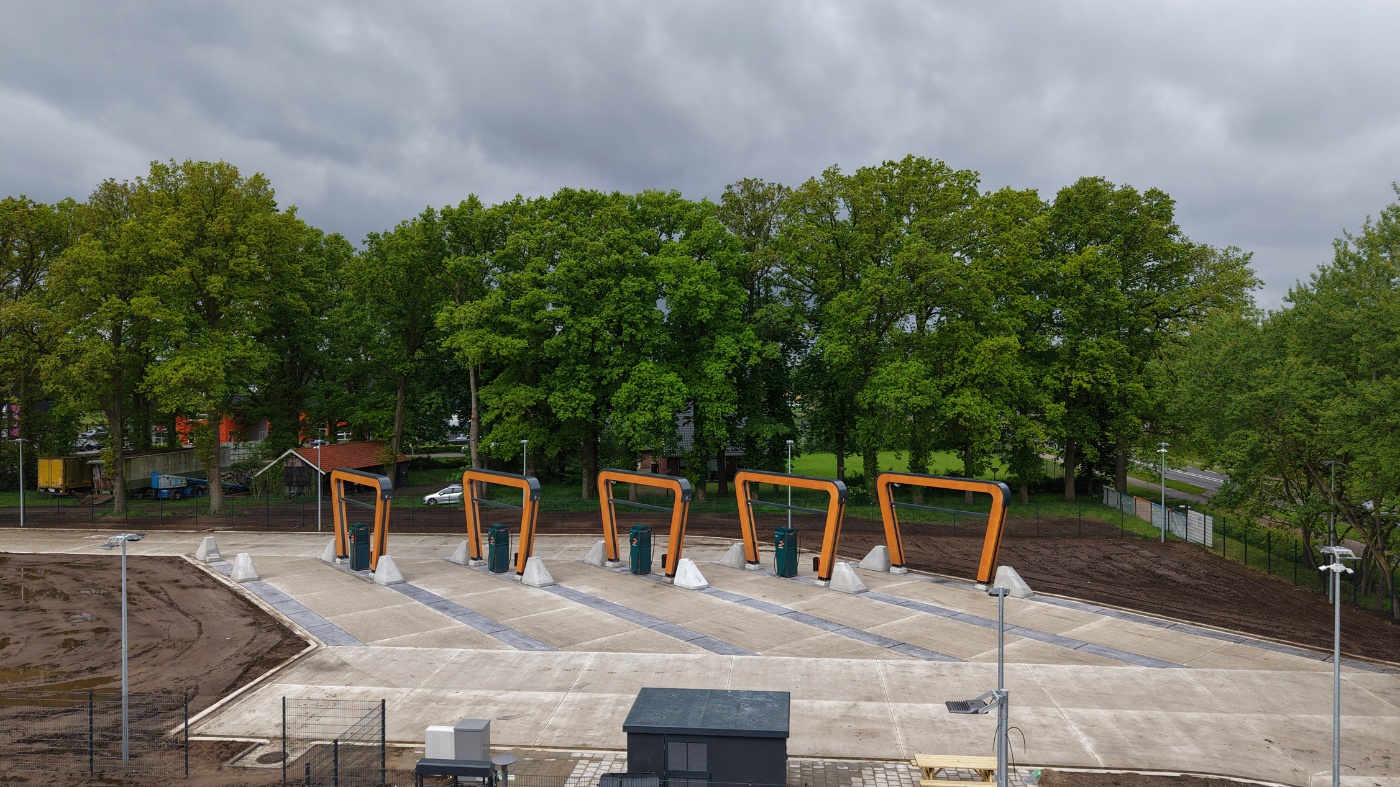
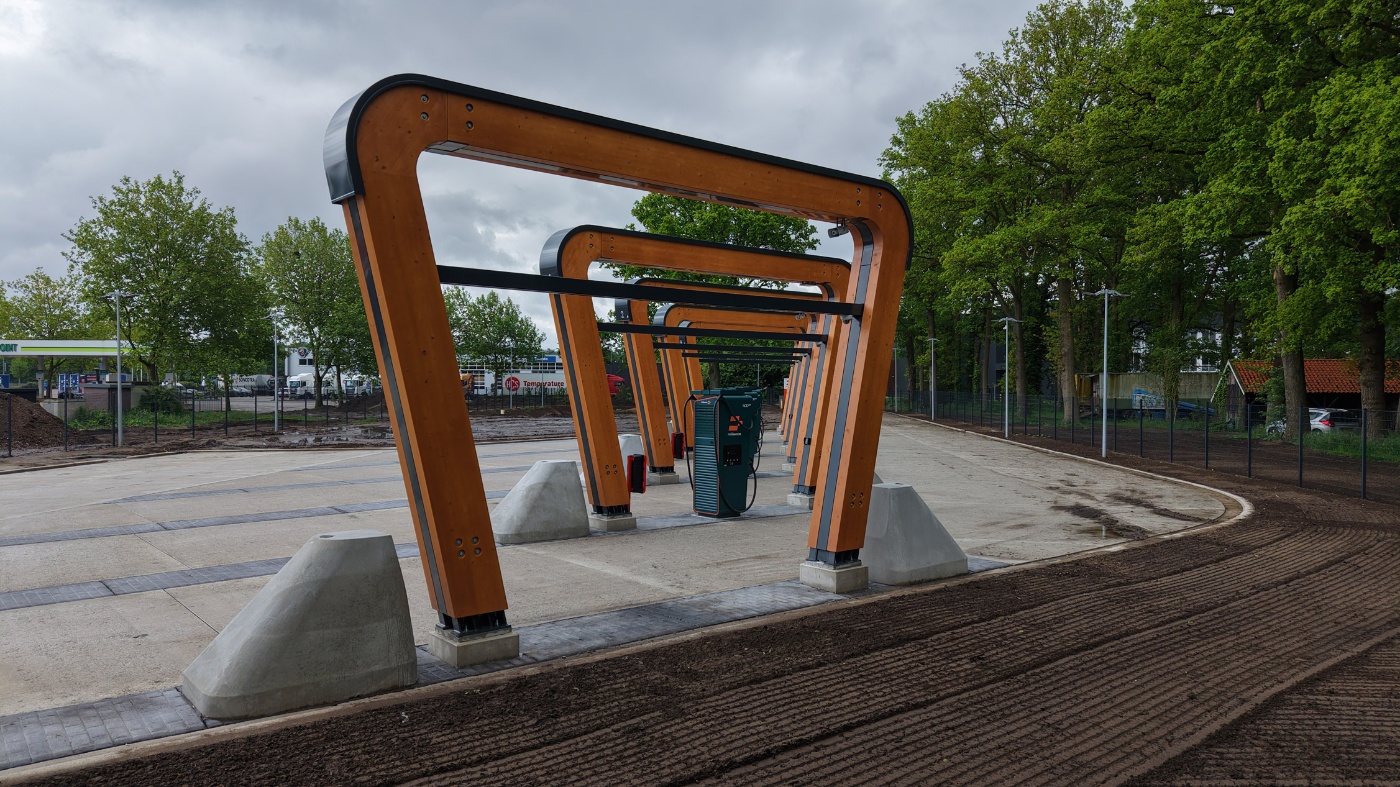
Beyond using electric construction machinery, Milence is prioritizing more sustainable building materials. The charging hub's canopies are crafted from PEFC-certified timber to lower its carbon footprint compared to conventional construction methods.
Alternative building materials were used below the surface as well. The foundations feature fiber-reinforced concrete and fiberglass dowels, which reduce the need for traditional steel rebar without compromising structural integrity.
Five 400-kW Charging Bays for Heavy-Duty Transport
The new charging hub offers five charging bays equipped with 400-kW CCS fast-charging systems for battery-electric commercial vehicles. By pairing the charging infrastructure with existing site amenities—including a restaurant, restrooms, and secure parking—drivers can make efficient use of their mandatory rest breaks.
Like other Milence locations, the Deurningen-Hengelo hub was designed with future expansion in mind. This allows charging capacity to scale alongside the growing demand for battery-electric road freight transport.