.svg)
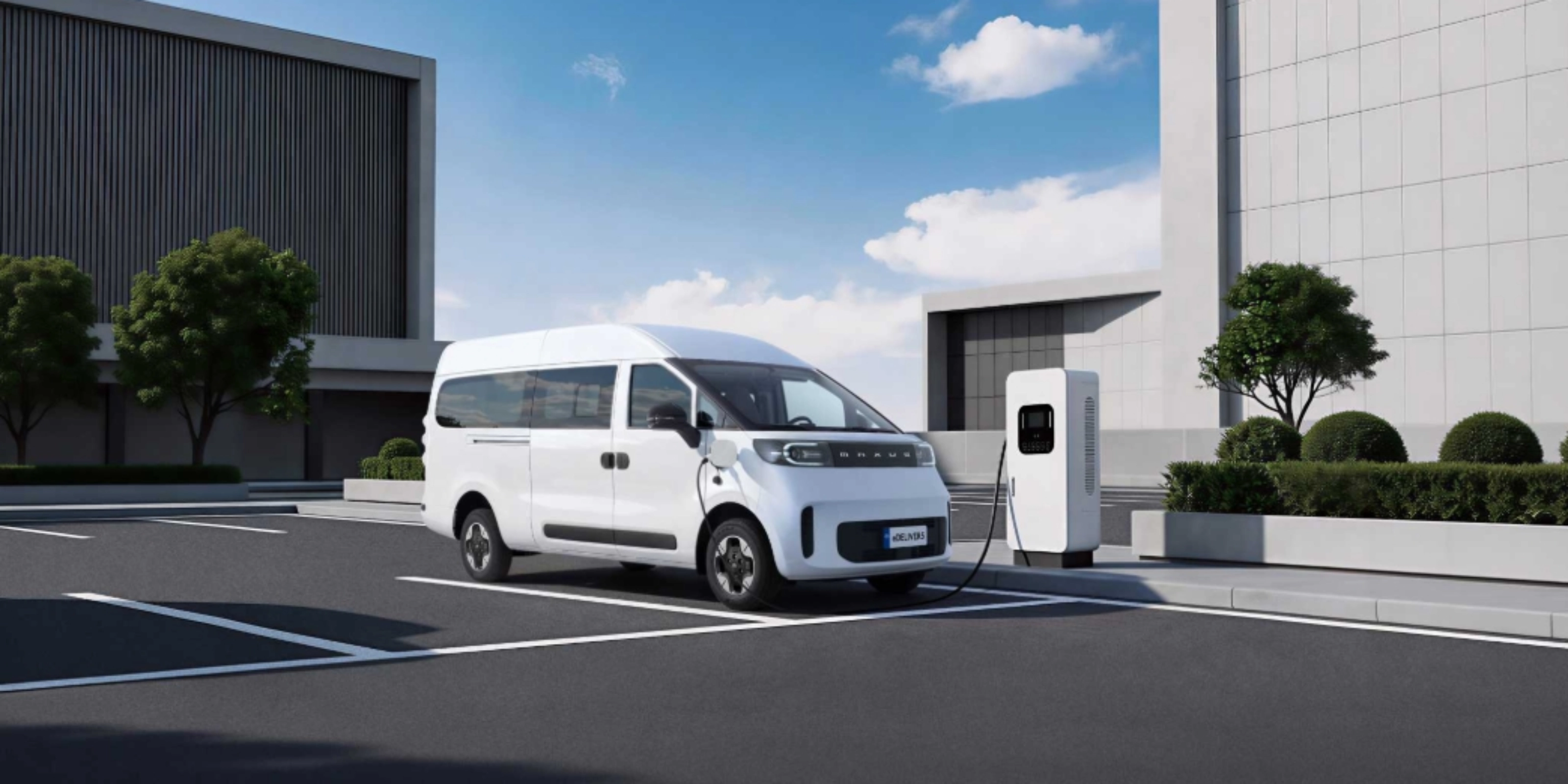
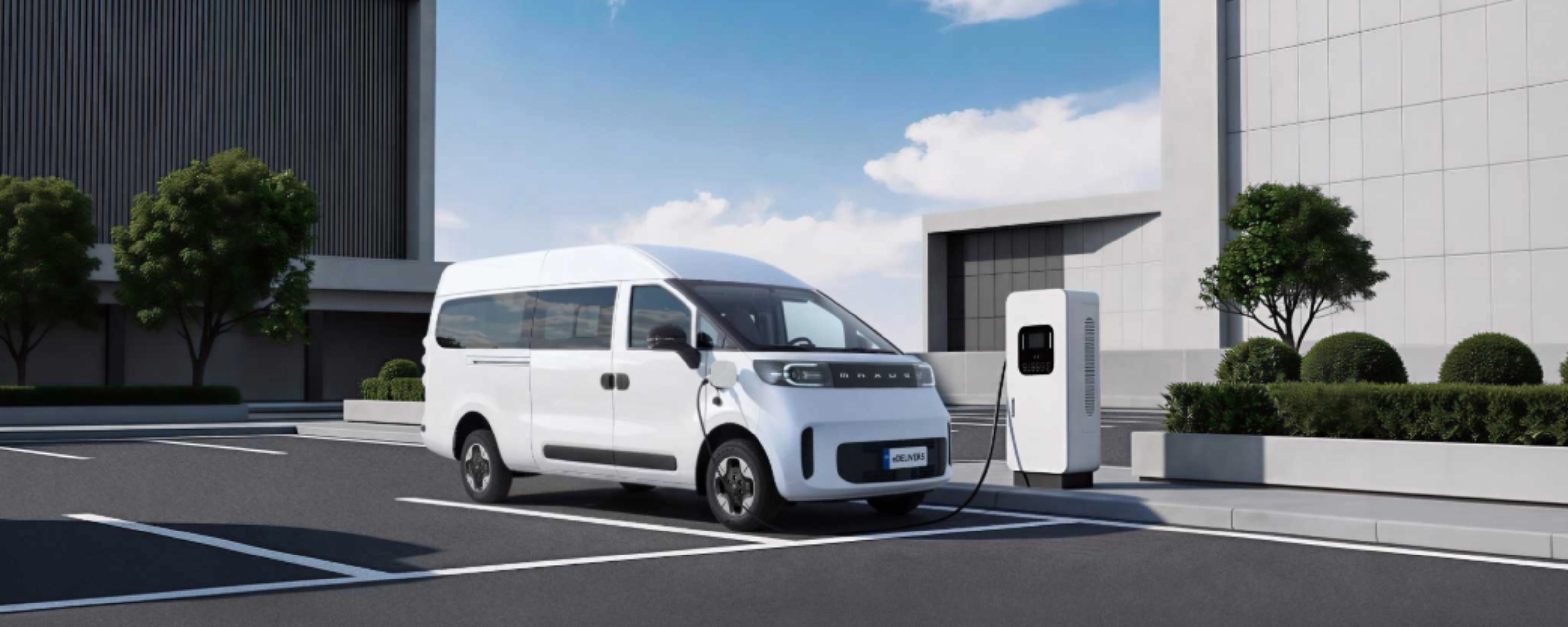
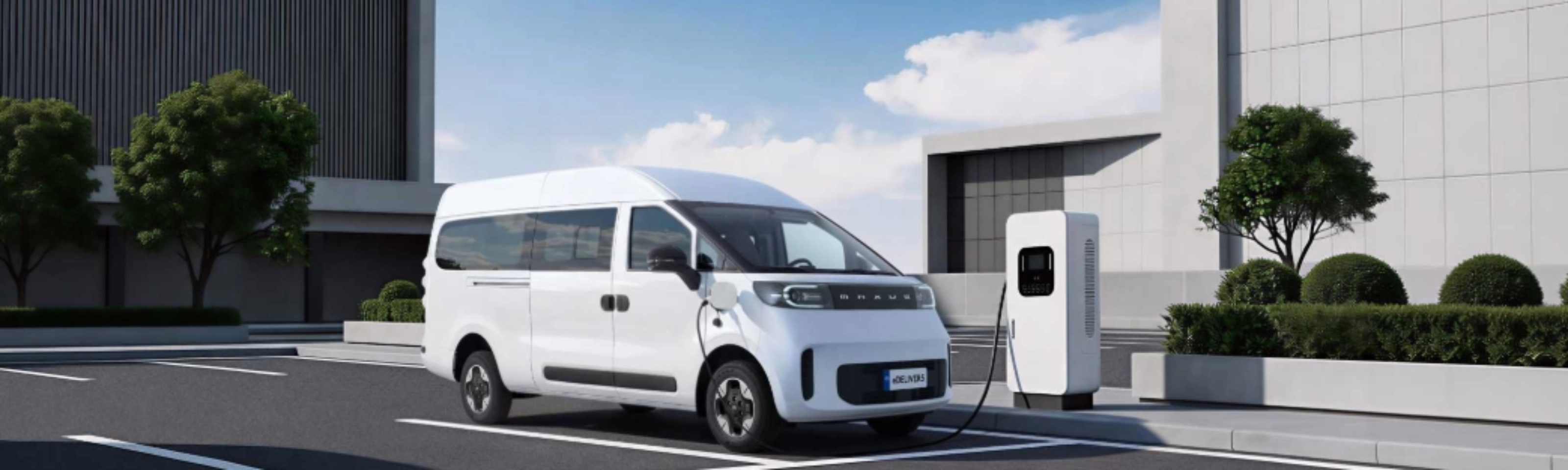

IAA TRANSPORTATION: MAXUS brings bidirectional charging to fleet deployment.
Image: (c) MAXUS
Vehicle-to-Load, Vehicle-to-Building and Vehicle-to-Grid are to show concrete use cases for commercial customers at the IAA. In addition, new electric vehicles and automated transport technology are coming.
MAXUS presents at IAA TRANSPORTATION 2026 an updated product and drivetrain program for the model year 2027. In addition to vans and pickups with different drivetrains, the manufacturer showcases bidirectional charging, a fully electric heavy-duty truck, and a technology demonstrator for automated transports.
Vehicle-to-Load, Vehicle-to-Building and Vehicle-to-Grid are to show concrete use cases for commercial customers at the IAA. In addition, new electric vehicles and automated transport technology are coming.
MAXUS presents at IAA TRANSPORTATION 2026 an updated product and drivetrain program for the model year 2027. In addition to vans and pickups with different drivetrains, the manufacturer showcases bidirectional charging, a fully electric heavy-duty truck, and a technology demonstrator for automated transports.
New powertrains for vans and pickups
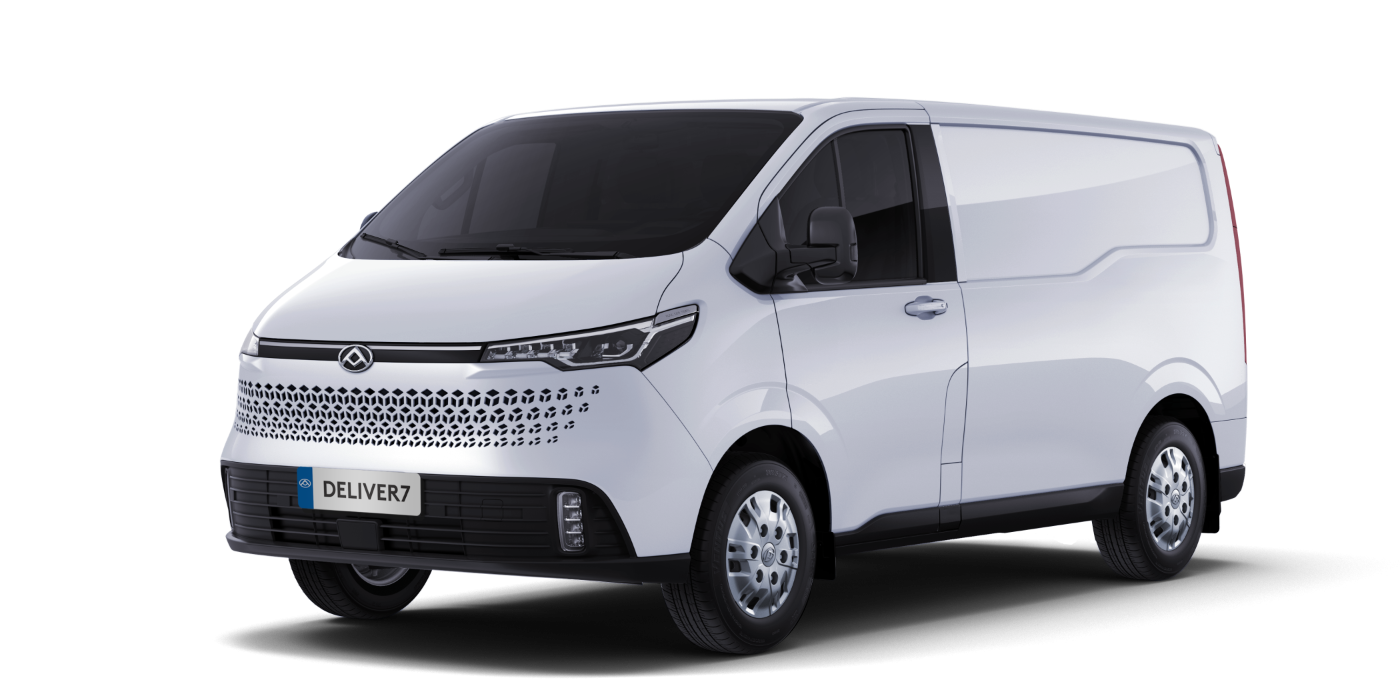
At the center of the presentation, according to the announcement, is the 2027 model year. MAXUS has announced an expanded portfolio with internal-combustion, hybrid and electric drivetrains. The company says the offering is geared toward different commercial transport tasks, referring to functionality, equipment and total cost of ownership.
For fleet operators, the combination of different drivetrains is particularly relevant, the manufacturer is convinced. It aims to cover different use profiles with this, without committing to a single propulsion path. The release does not name concrete model designations for the Hanover presentation.
Bidirectional charging moves into operation
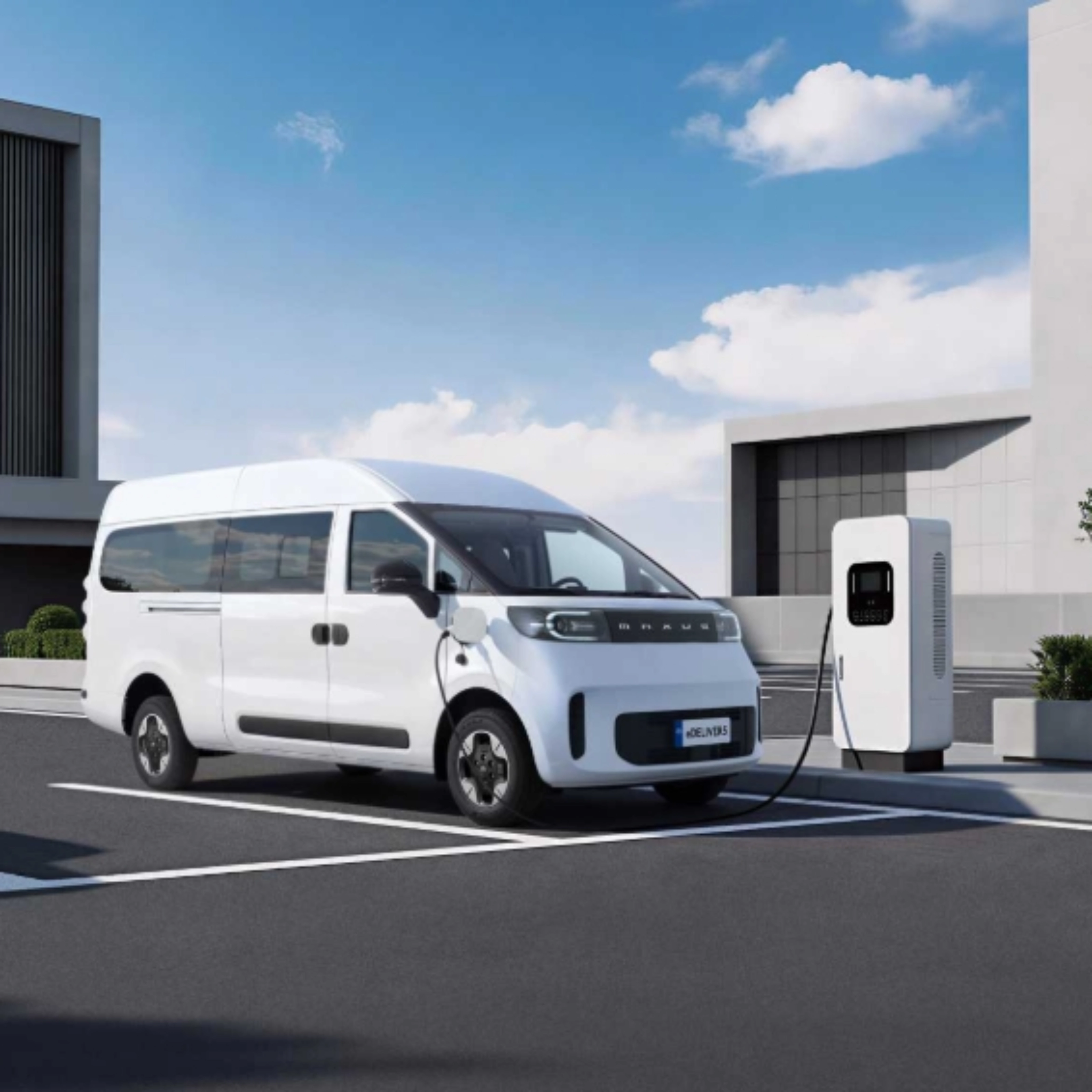
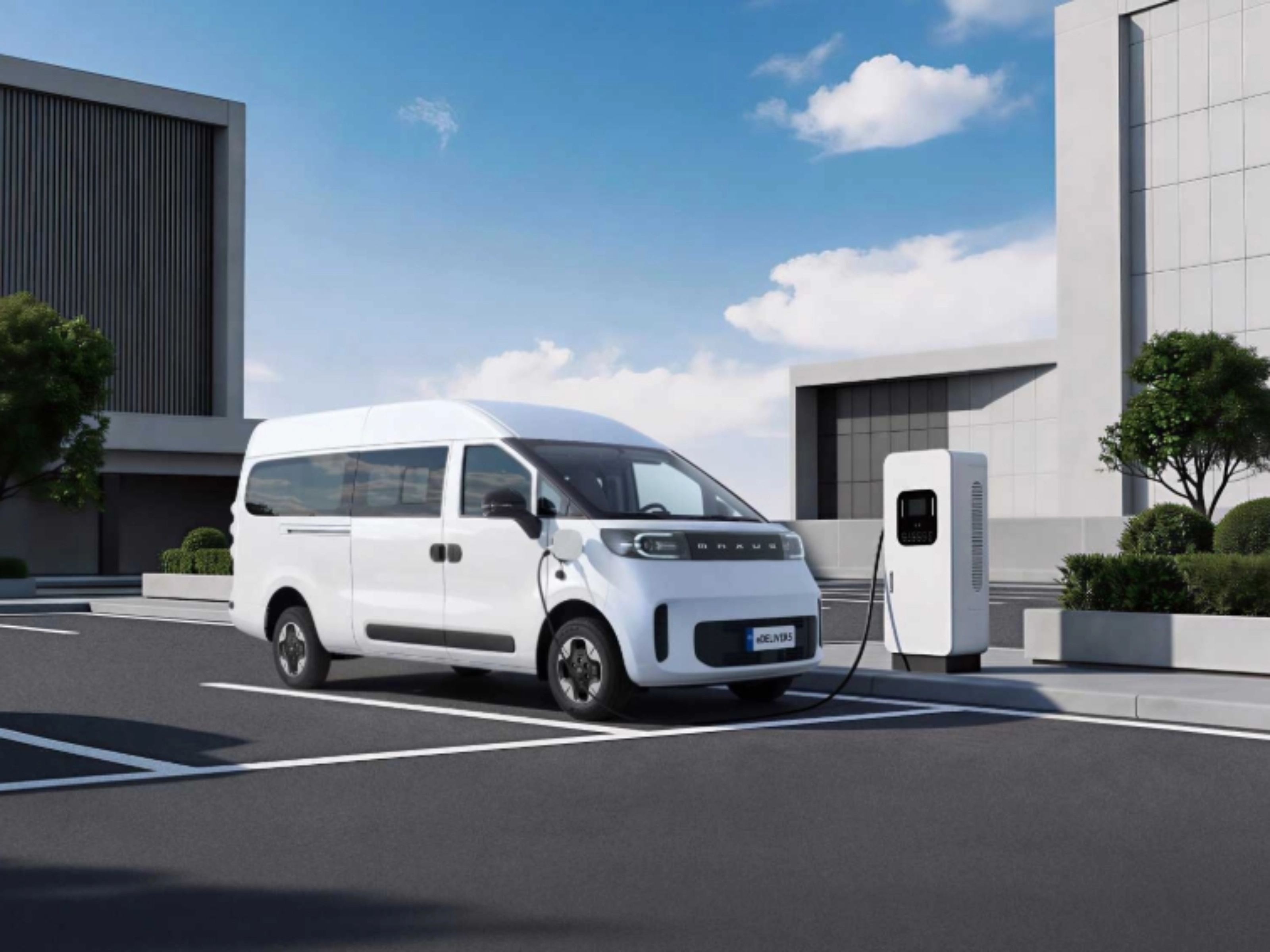
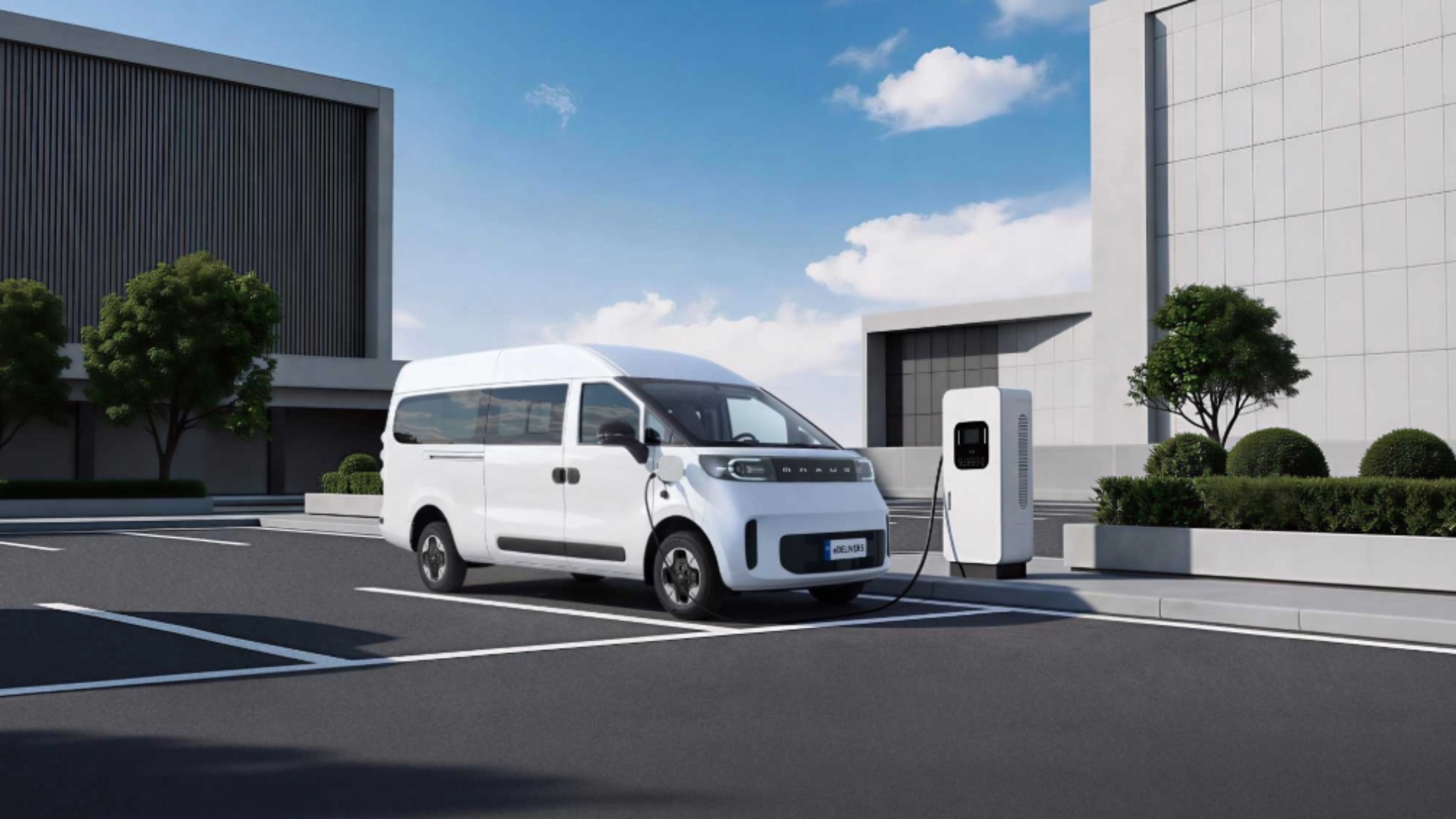
A focus is placed by MAXUS on energy management with vehicle batteries. At the IAA TRANSPORTATION, the company demonstrates Vehicle-to-Load, Vehicle-to-Building and Vehicle-to-Grid.
With this, electric vehicles should not only draw power but also supply energy back. MAXUS states applications in which peak loads can be reduced and solar power can be used more self-sufficiently. Supplying electric tools directly from the vehicle battery is also part of the demonstration.
Electric heavy-duty truck as a preview
For the heavy freight sector, MAXUS is bringing a fully electric Heavy-Duty eTruck to Hannover as a technological preview. The announcement classifies the vehicle in the heavy tonnage class and situates it in the context of emissions-free transport solutions.
Thus, the manufacturer broadens its view beyond light commercial vehicles. In the current model lineup, vans and pickups remain at the forefront. The heavy electric truck, however, is intended to show which use cases MAXUS wants to address in the future.
Automation for the Last Mile
Urban logistics is also part of the presentation. MAXUS announces a technology demonstrator for highly automated transports. The vehicle or system is intended to illustrate the potential of AI-assisted logistics on the last mile.
In addition to the current vehicles, the manufacturer links two development lines: electric drivetrains for different transport tasks and automation in urban freight transport. The concrete technical design of the technology demonstrator remains open in the announcement.