
.svg)

MAN Achieves 3,000 Amps in Megawatt Charging for the First Time in NEFTON Project
Image: (c) MAN
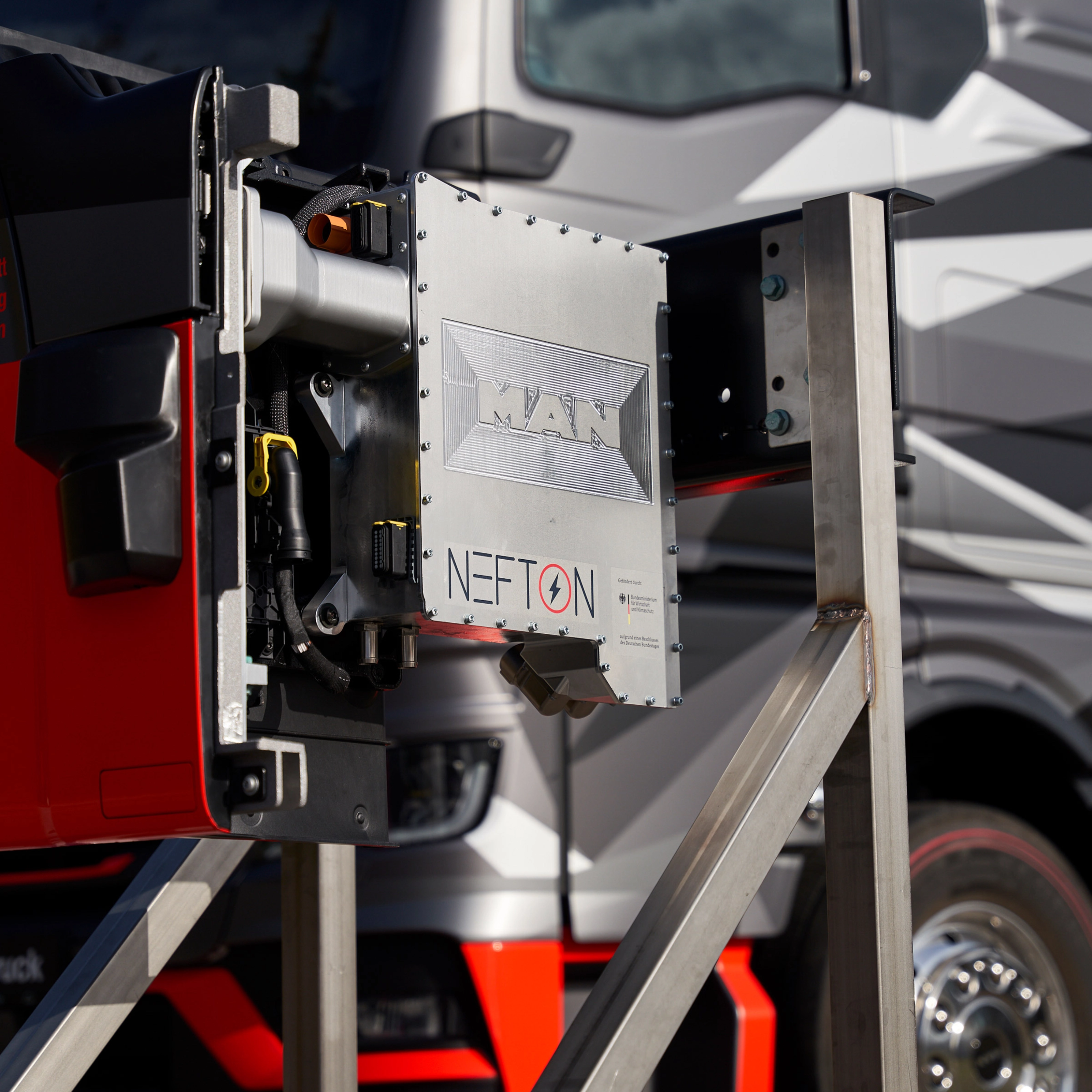
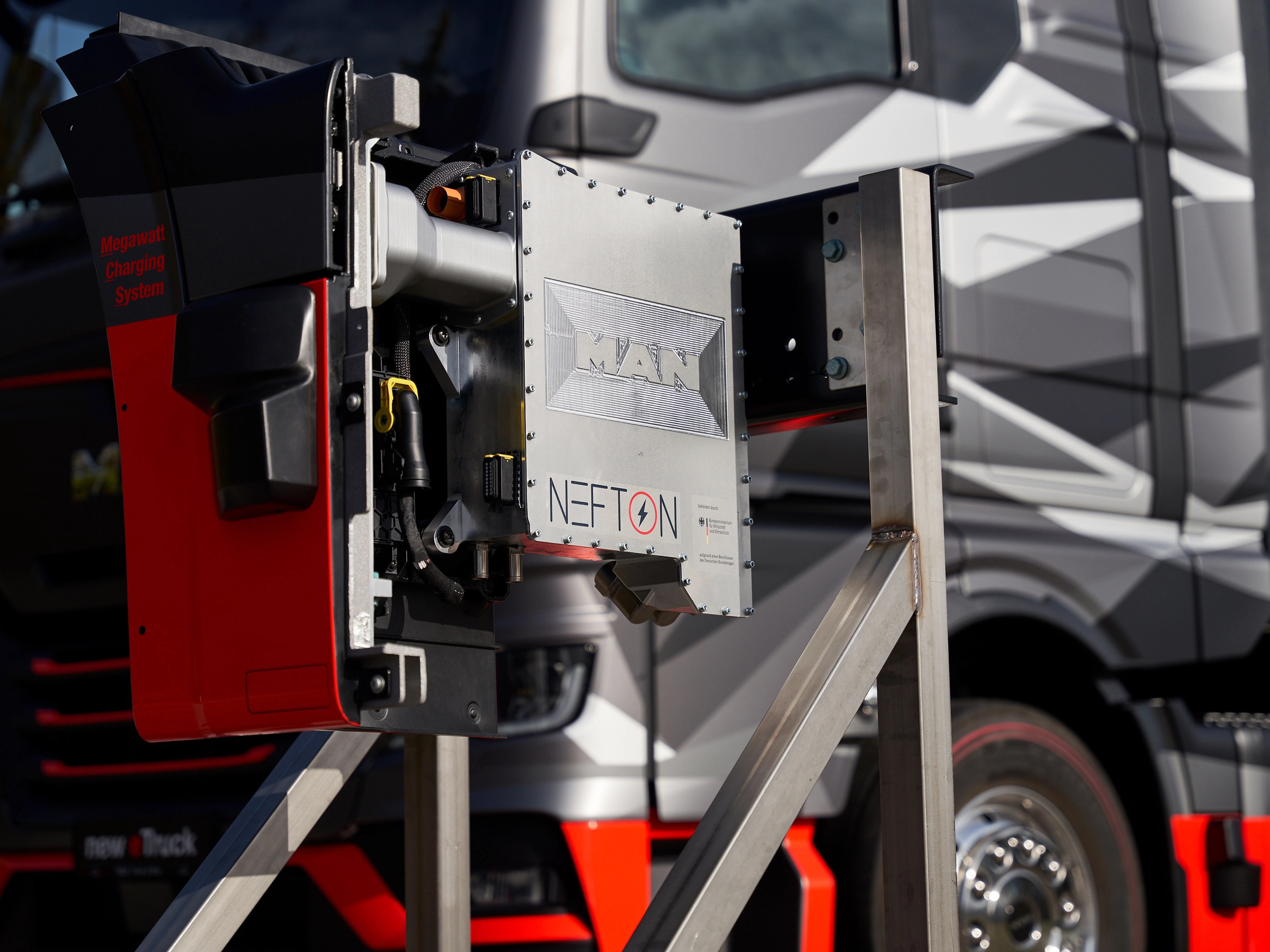
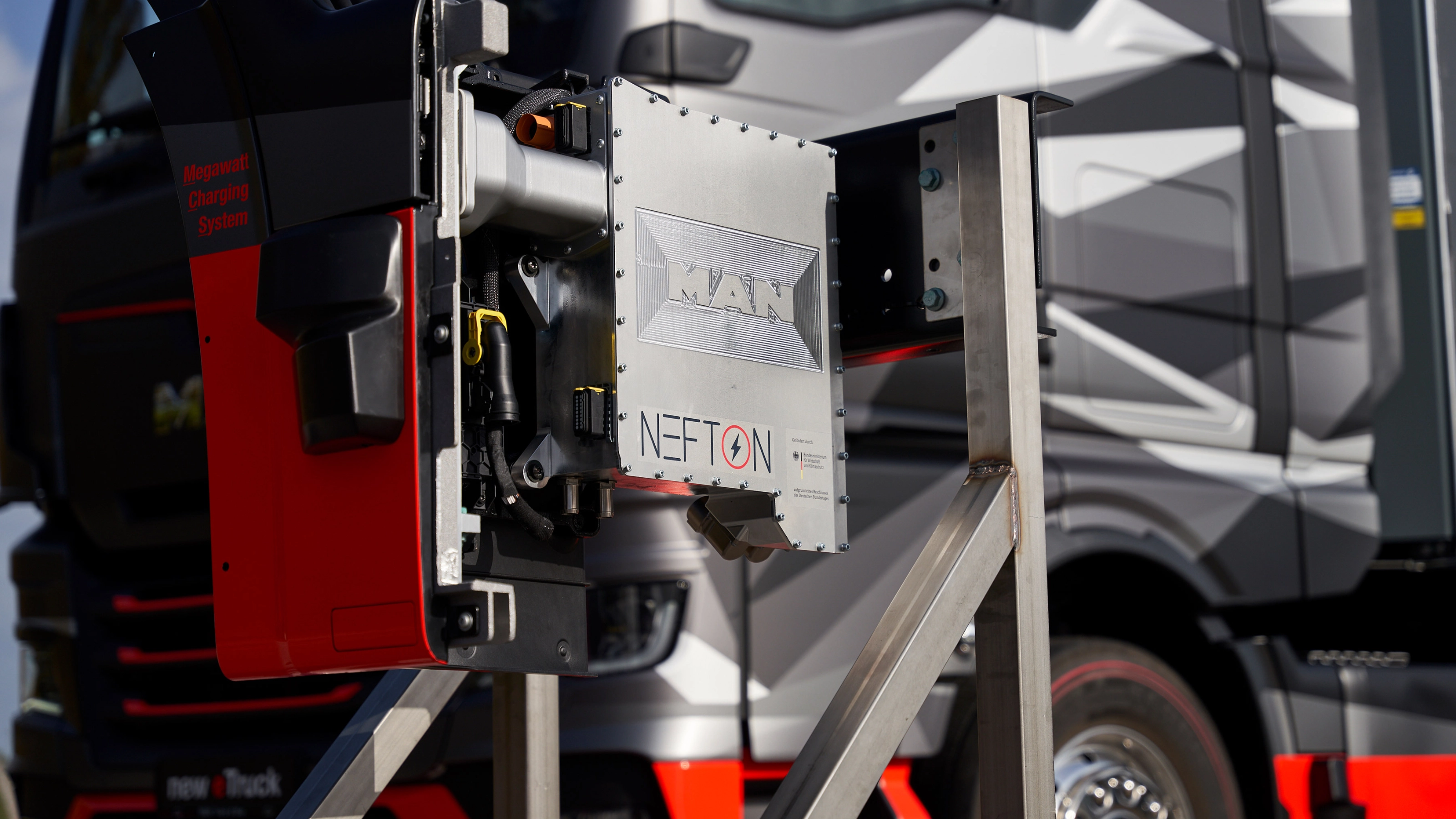
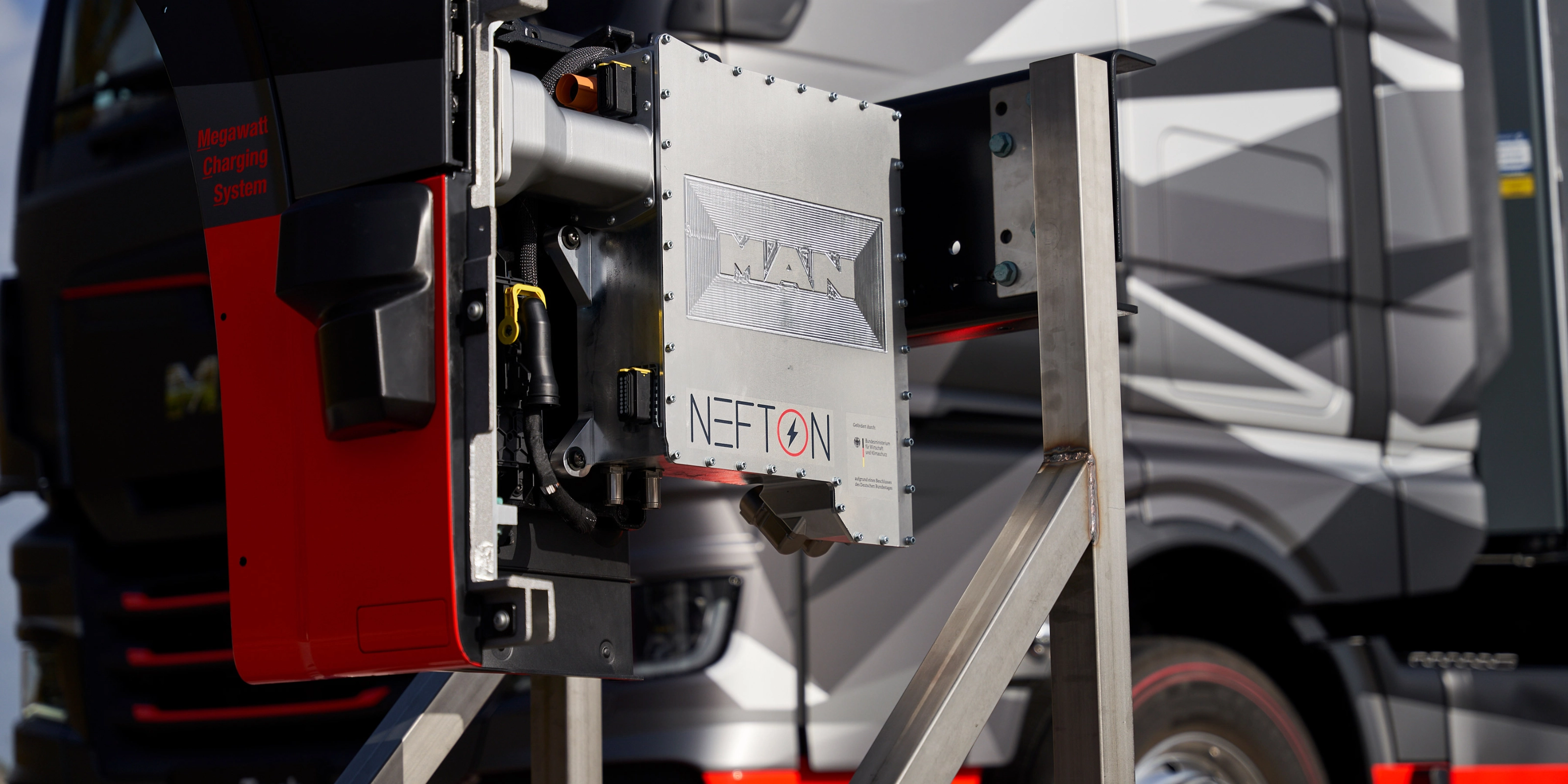
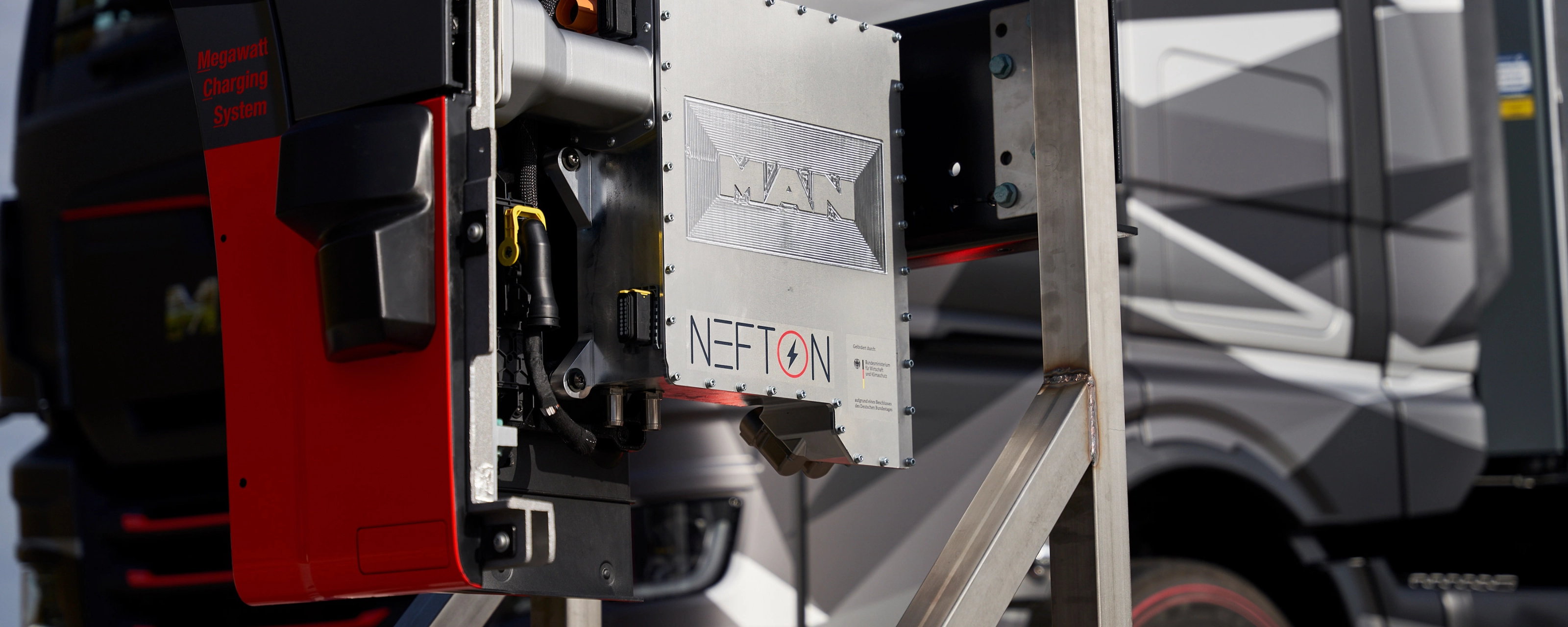
In the NEFTON 3000 research project, MAN Truck & Bus has reached a major milestone for the megawatt charging of battery-electric commercial vehicles. Working alongside its project partners, the company succeeded for the first time in establishing a stable, 3,000-amp high-current charging path between the vehicle and the test bench infrastructure.
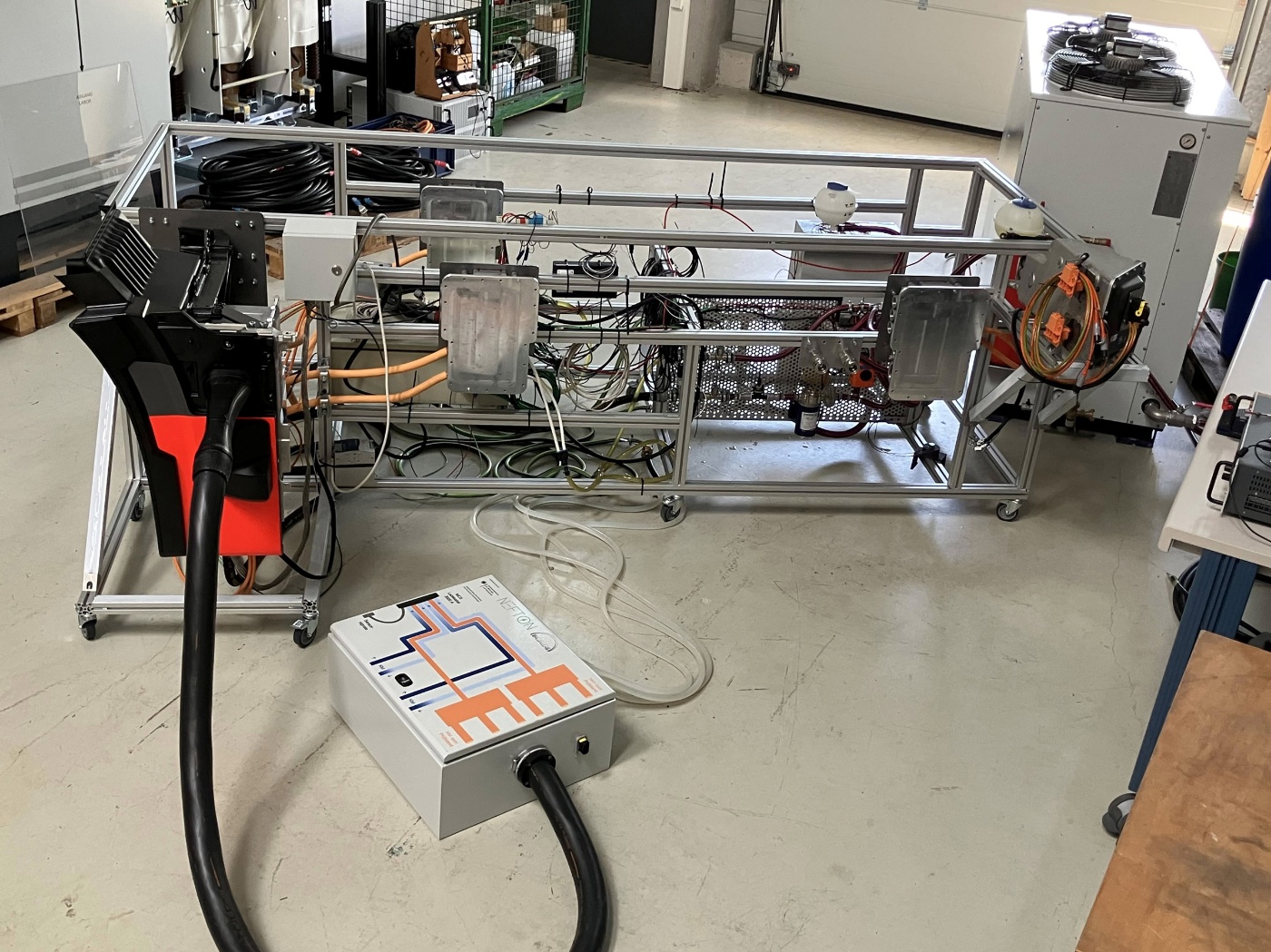
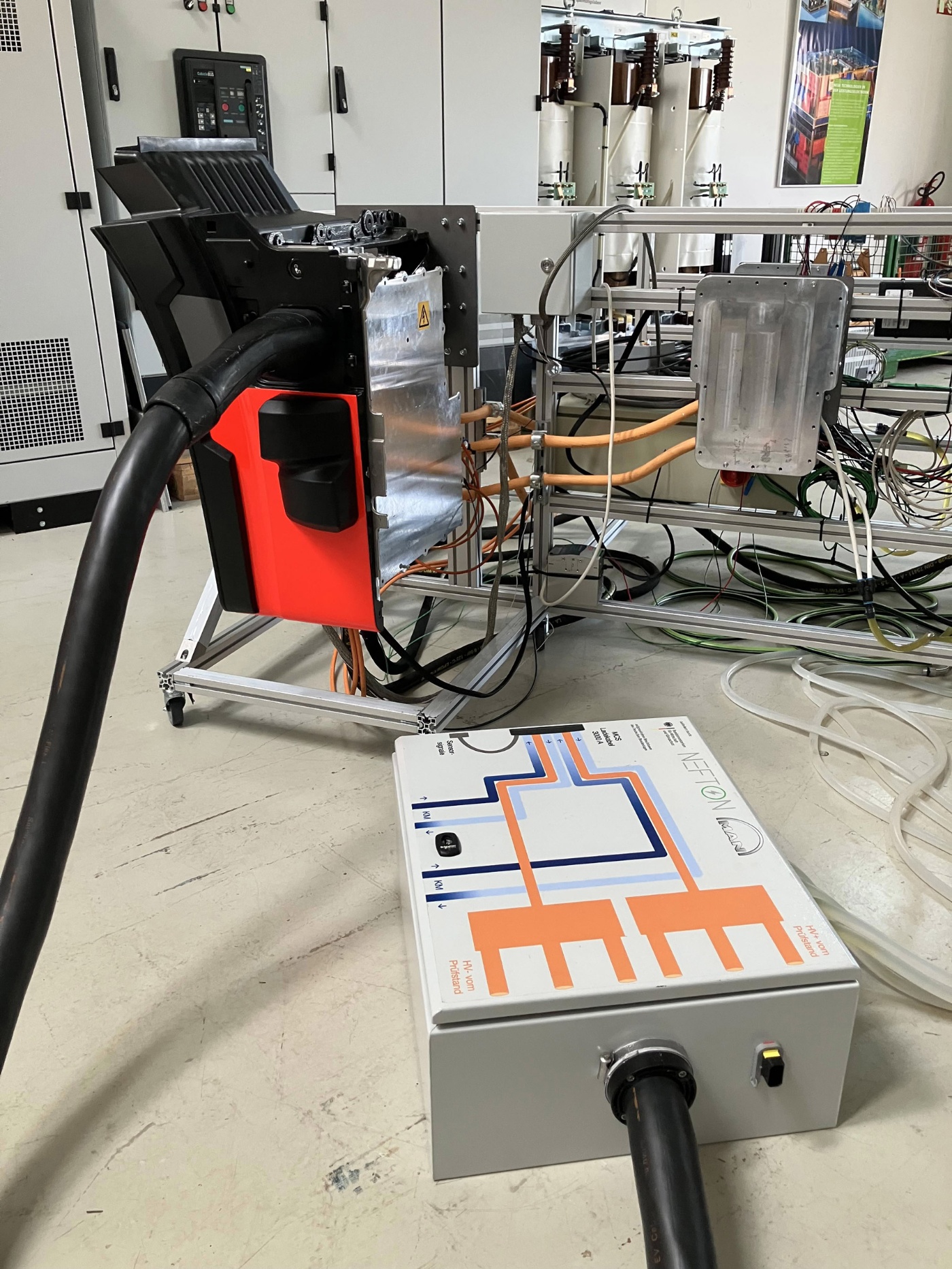
The series of tests was conducted on test benches at the Technical University of Munich and the Fraunhofer Institute for Solar Energy Systems (ISE). During these trials, the project partners analyzed thermal behavior, switching components, cooling systems, and the safety architecture of a high-current charging path, among other factors. The insights gained are intended to lay the foundation for future charging systems with significantly higher capacities.
In the NEFTON 3000 research project, MAN Truck & Bus has reached a major milestone for the megawatt charging of battery-electric commercial vehicles. Working alongside its project partners, the company succeeded for the first time in establishing a stable, 3,000-amp high-current charging path between the vehicle and the test bench infrastructure.
The series of tests was conducted on test benches at the Technical University of Munich and the Fraunhofer Institute for Solar Energy Systems (ISE). During these trials, the project partners analyzed thermal behavior, switching components, cooling systems, and the safety architecture of a high-current charging path, among other factors. The insights gained are intended to lay the foundation for future charging systems with significantly higher capacities.
Faster Charging Times for Long-Haul Transport
With charging capacities in the megawatt range, future charging times are expected to align much more closely with the operational requirements of road freight transport. According to MAN, a battery-electric truck could eventually recharge enough energy for a range of around 400 kilometers (approx. 250 miles) within 10 to 15 minutes. This would particularly benefit transport operations where charging during the legally mandated driver break is not possible, or those that start without overnight depot charging. It could also significantly reduce downtime in two-driver operations. In the long run, exceptionally high charging capacities could also allow for smaller batteries, provided multiple fast-charging cycles per day become feasible.
Optimized Components for High Currents
To enable charging capacities of up to three megawatts, numerous components of the charging path were newly developed during the project. The current path was designed for minimal electrical resistance, while cables, plugs, and distribution units are kept within the permissible temperature range via high-performance liquid cooling. In addition, switching and disconnection devices were specially engineered to handle the high electrical loads while being optimized for vehicle integration in terms of weight, installation space, and safety.
Further Developments Required
However, according to MAN, further developments are required before charging capacities of more than one megawatt can become a reality in practical applications. In particular, battery cells, module design, and electrical wiring would need to be engineered for these high charging capacities. At the same time, adjustments to the charging infrastructure are also necessary.
In addition to MAN Truck & Bus, the NEFTON funded project involves collaboration with AVL, the Technical University of Munich, Fraunhofer ISE, Prettl Electronics Automotive, the Research Center for Energy Economics (FfE), and the Deggendorf Institute of Technology, among others.