
.svg)
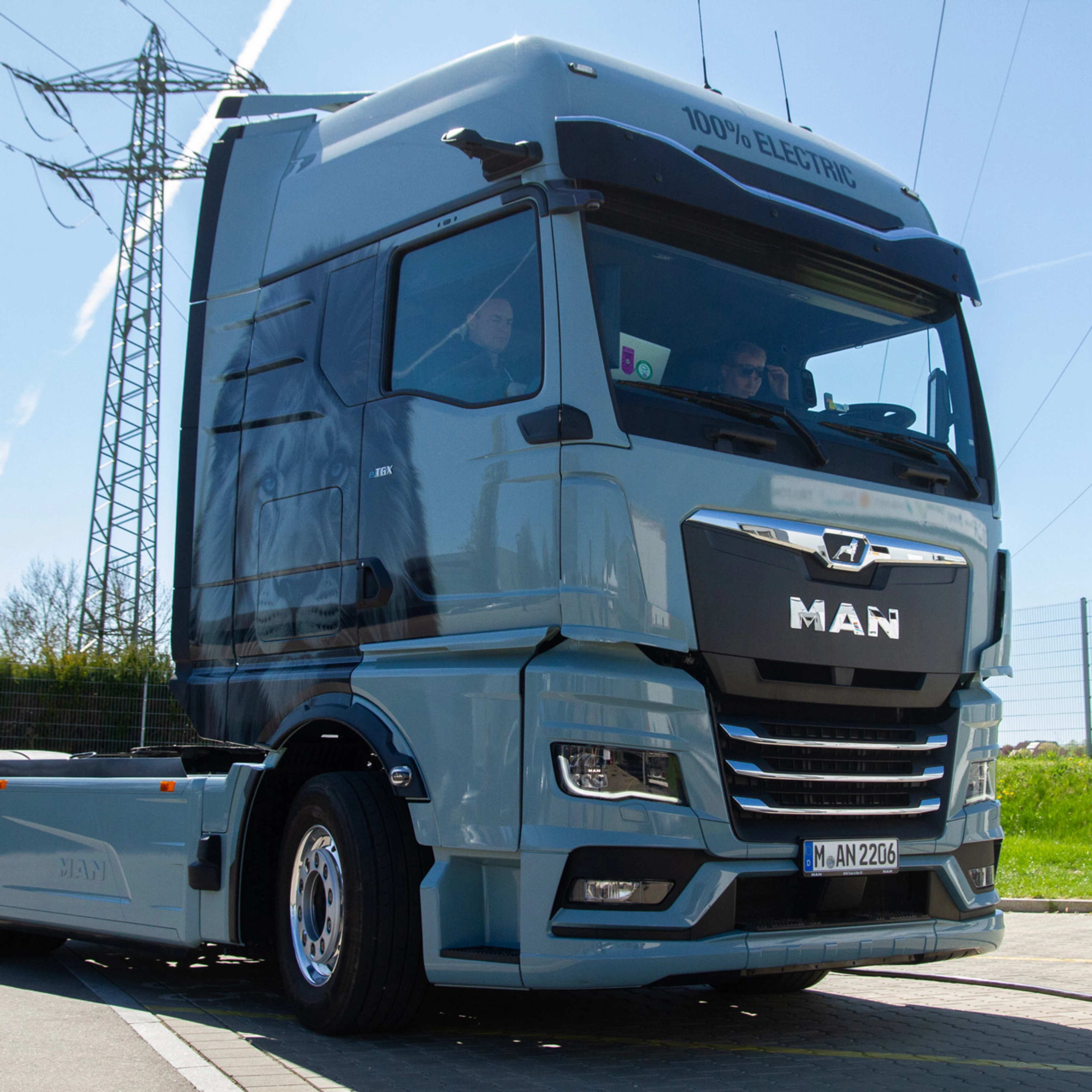
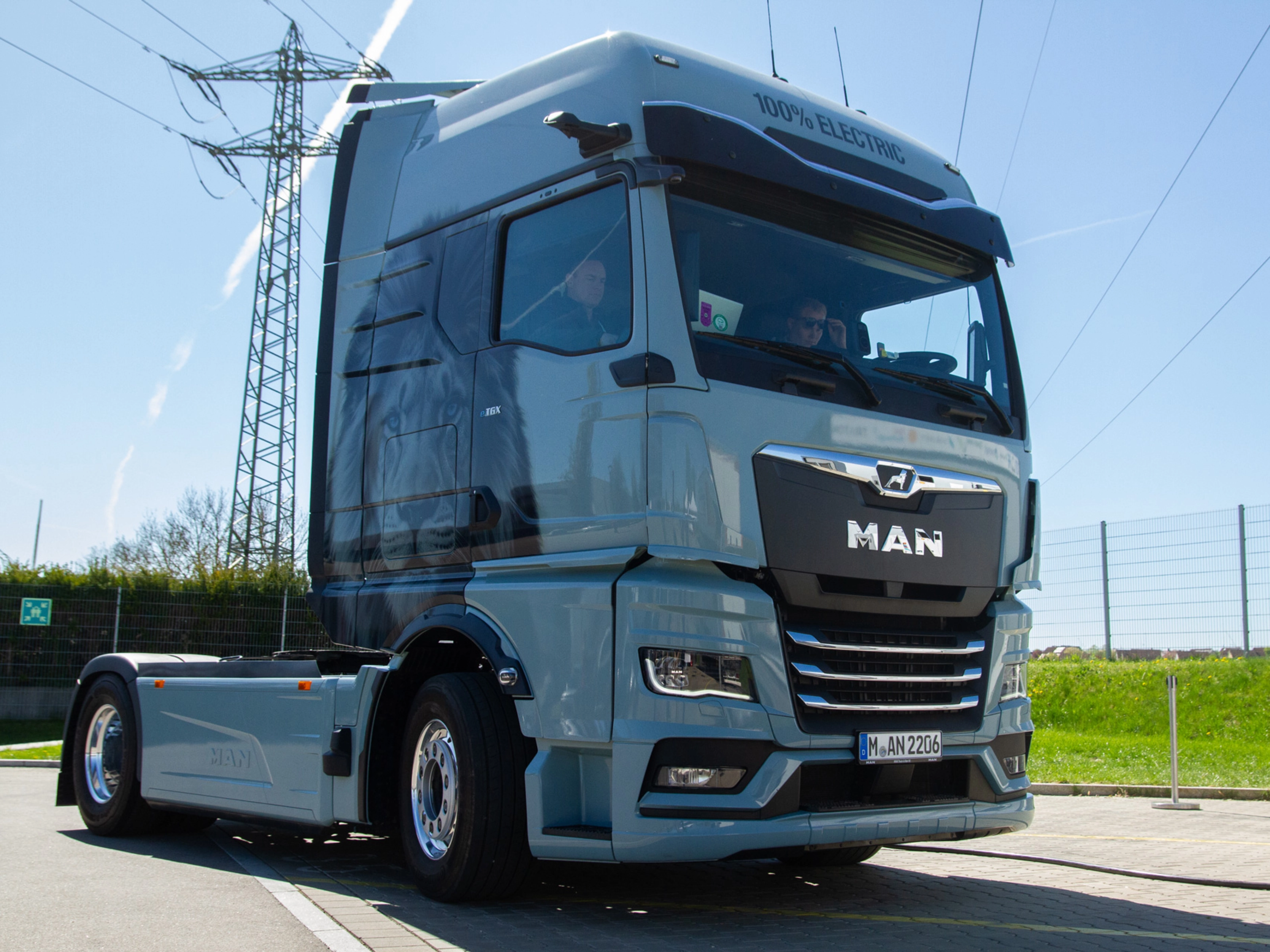
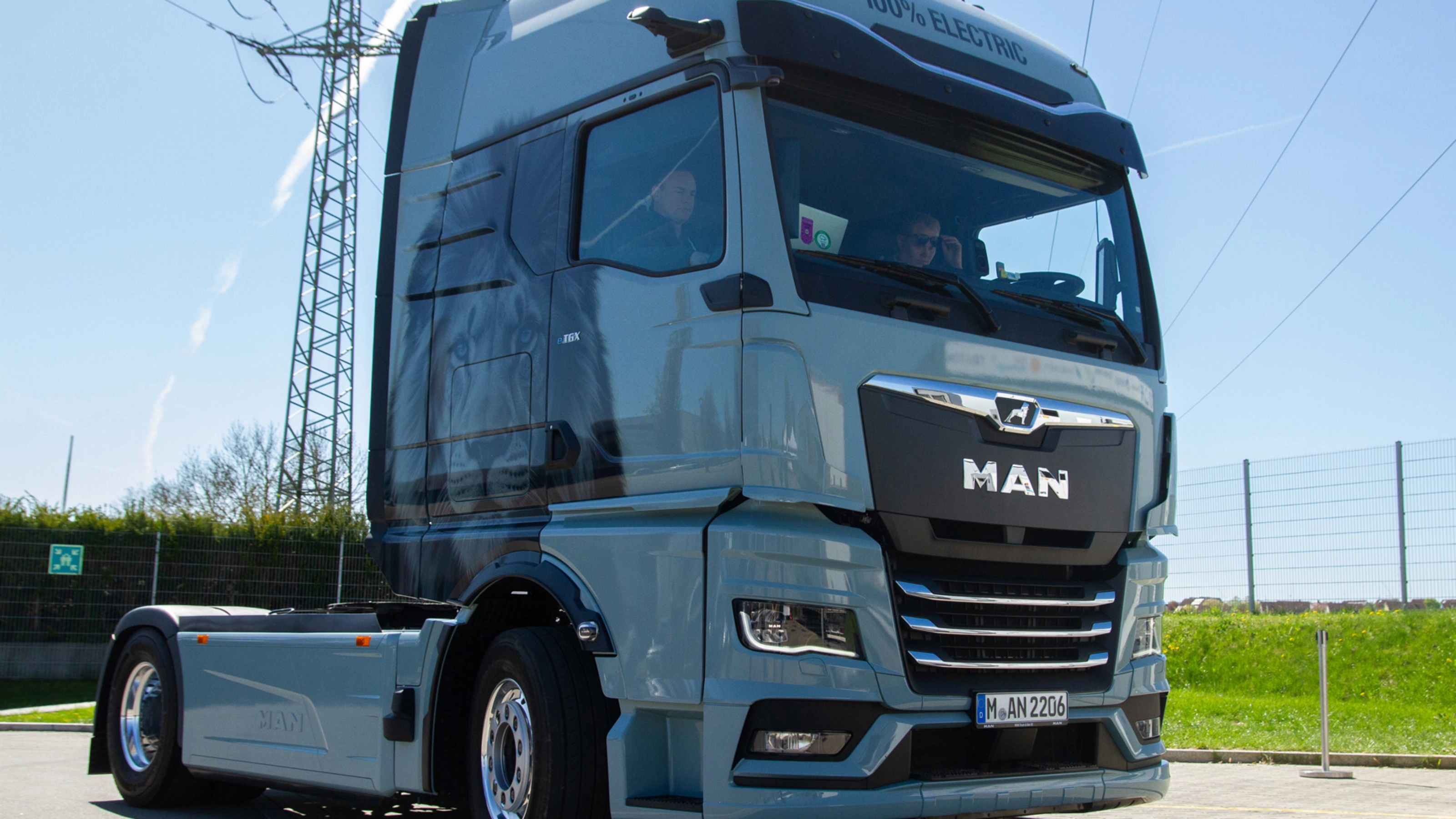
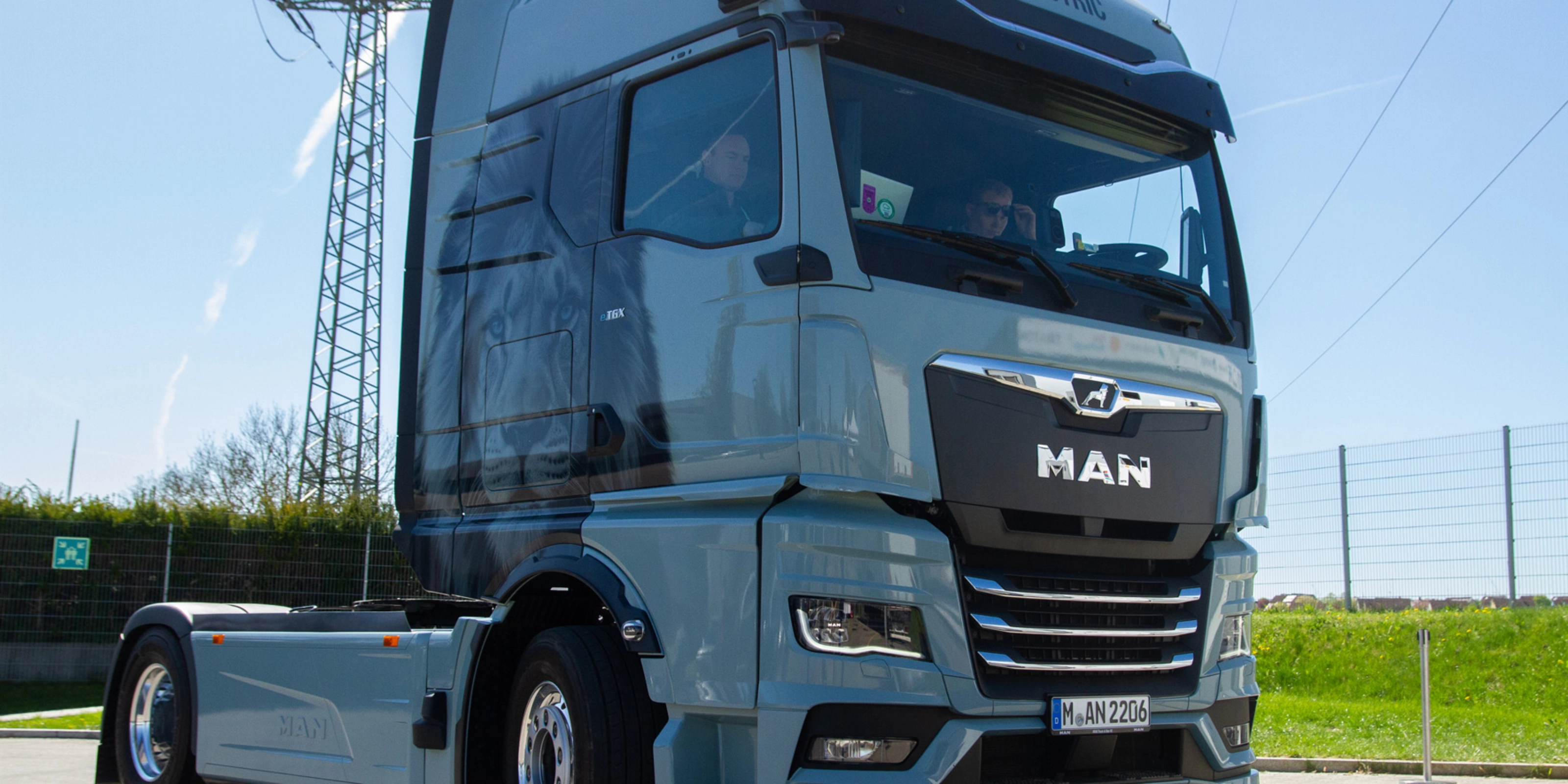
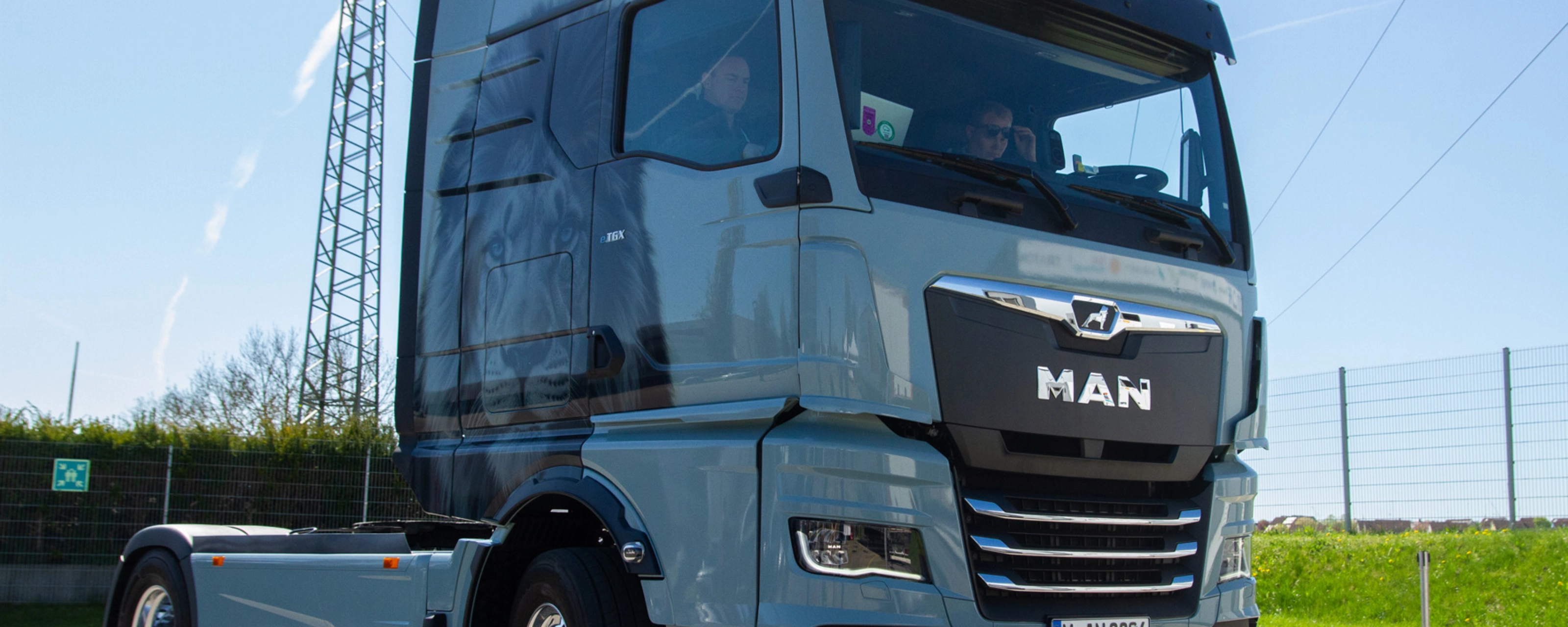
MAN becomes first European commercial vehicle manufacturer to demonstrate bidirectional truck charging
Image: (c) MAN Truck & Bus
With the SPIRIT-E research project, MAN Truck & Bus is taking freight transport electrification to a new level. For the first time, the commercial vehicle manufacturer MAN has publicly showcased bidirectional charging under real-world conditions using a battery-electric MAN eTGX with 480 kWh of usable energy.
With the SPIRIT-E research project, MAN Truck & Bus is taking freight transport electrification to a new level. For the first time, the commercial vehicle manufacturer MAN has publicly showcased bidirectional charging under real-world conditions using a battery-electric MAN eTGX with 480 kWh of usable energy.
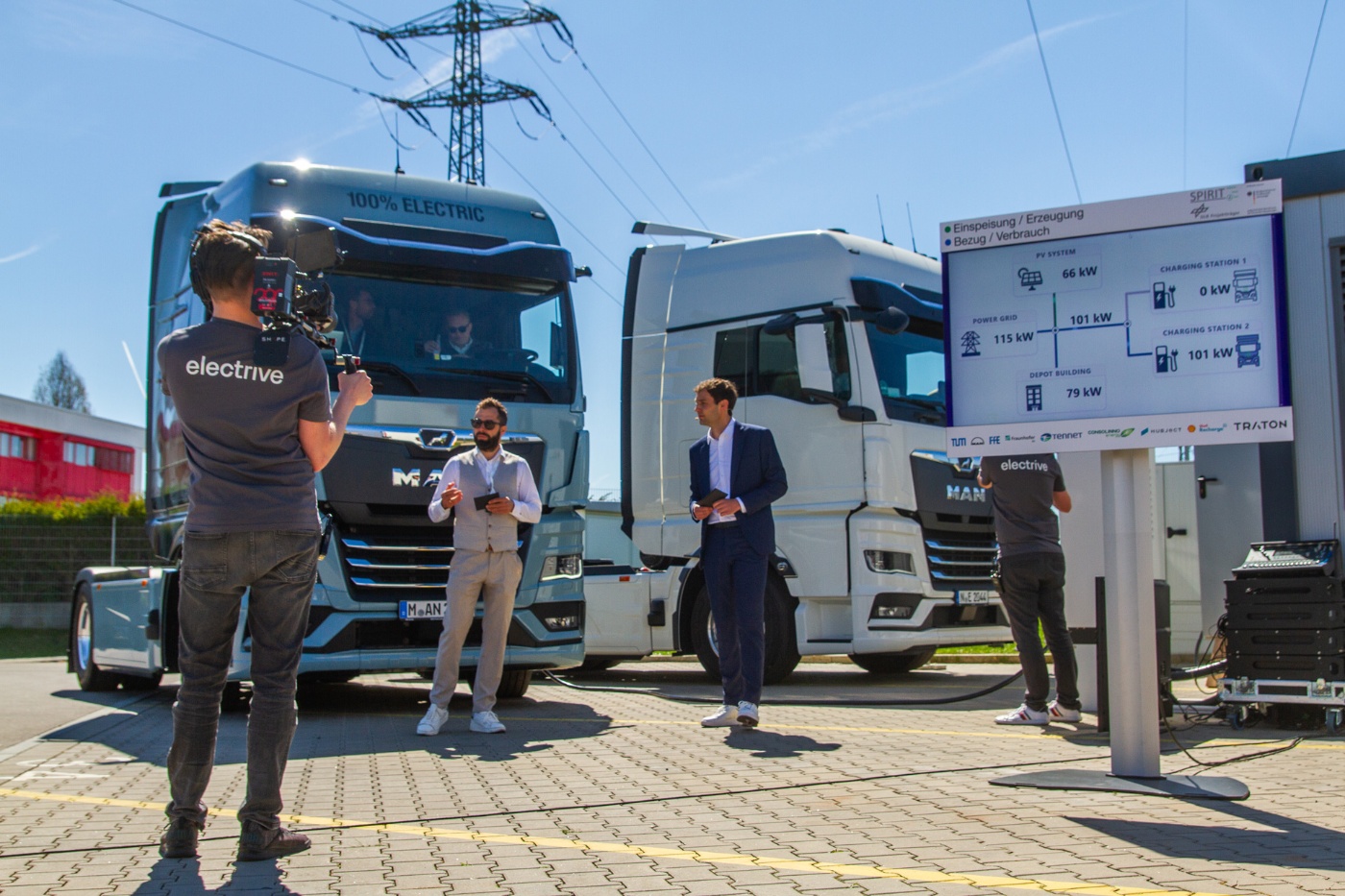
The practical application focuses on three main scenarios. In the Vehicle-to-Site (V2S) and Vehicle-to-Vehicle (V2V) approaches, a company uses the electricity stored in the truck's battery directly at its own site to avoid peak loads, increase self-consumption of photovoltaic power, or support building infrastructure.
Vehicle-to-Grid (V2G) expands this potential even further: here, the eTruck feeds energy back into the public grid—for example, during periods of high electricity prices or to sustain grid stability.
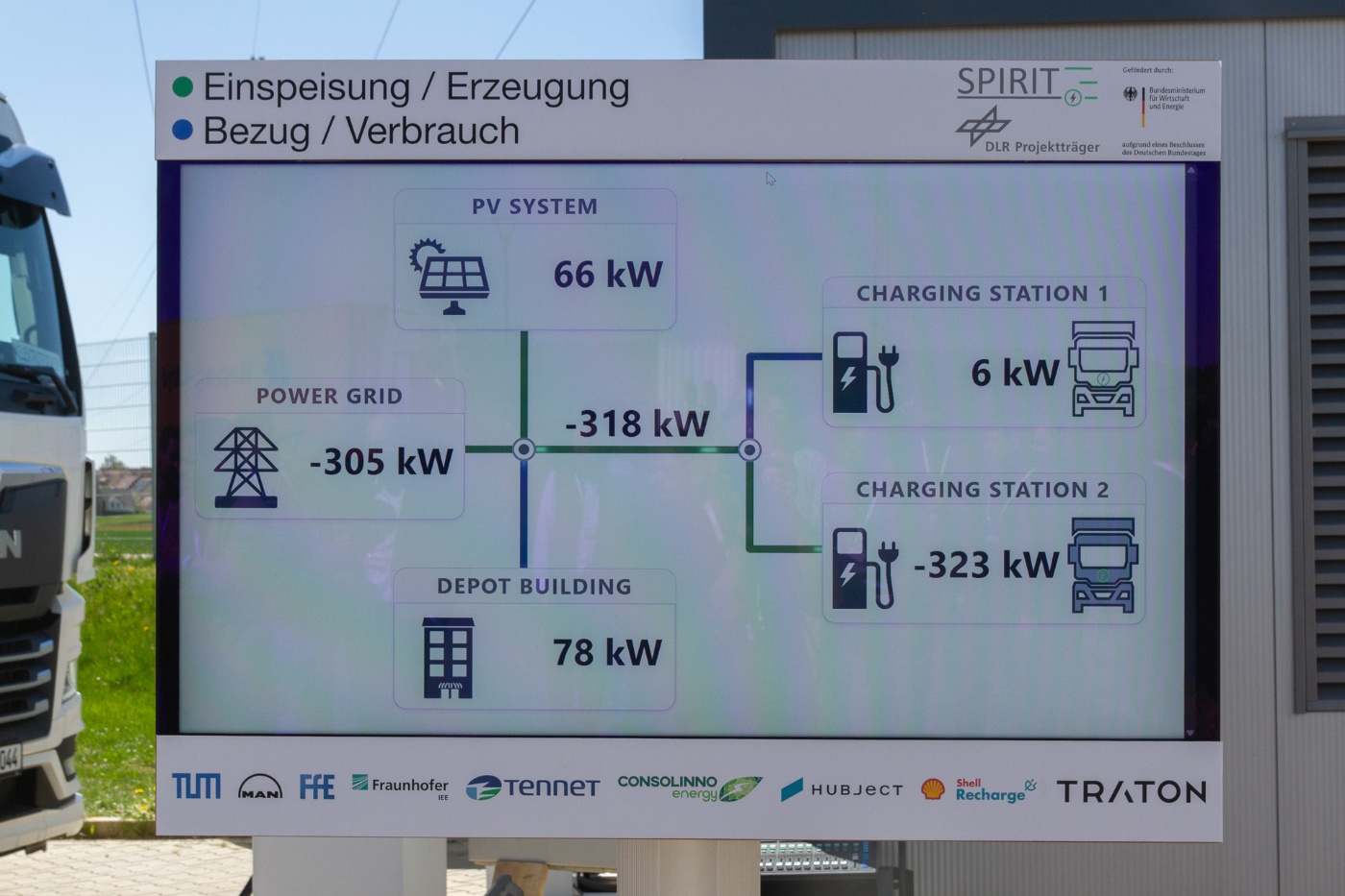
According to the company, MAN is the first manufacturer in the commercial vehicle sector to successfully showcase functional bidirectional vehicle technology as part of a research project. Within the SPIRIT-E project, real energy flows have reportedly already been implemented, including powering a building overnight via eTrucks or recharging electric cars from the truck's storage system.
SPIRIT-E is supported by a broad consortium covering the entire value chain, from vehicle technology and the energy industry to system integration. Partners include the Technical University of Munich (TUM) as consortium lead, Fraunhofer IEE, the Research Center for Energy Economics (FfE), SBRS (Shell), TenneT, Hubject, Consolinno Energy, and MAN Truck & Bus. Together, they have developed solutions that are being tested in a "living lab" at a logistics site.