.svg)
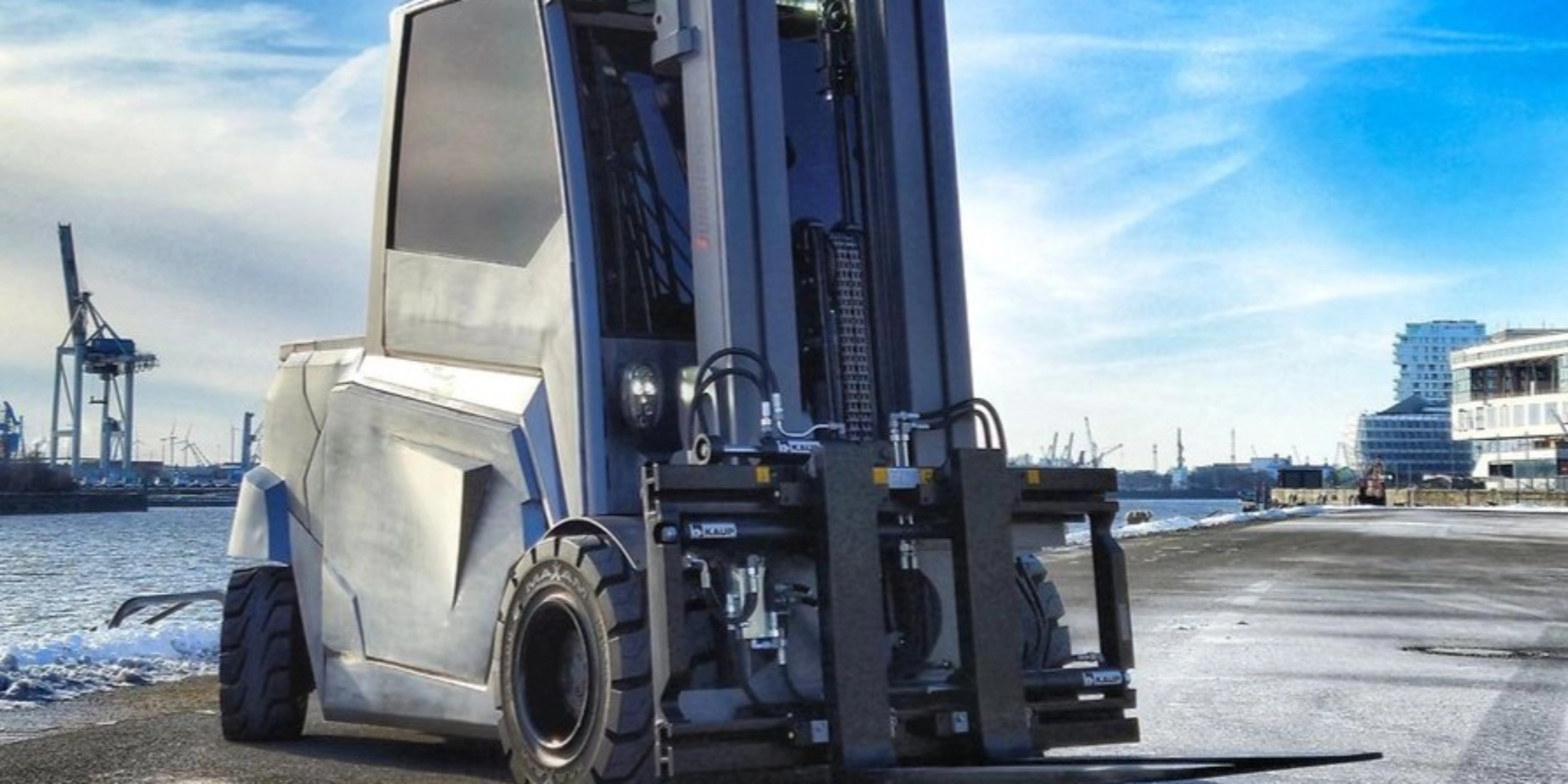



Jungheinrich Leverages Predictive AI Models for Electric Forklift Battery Development
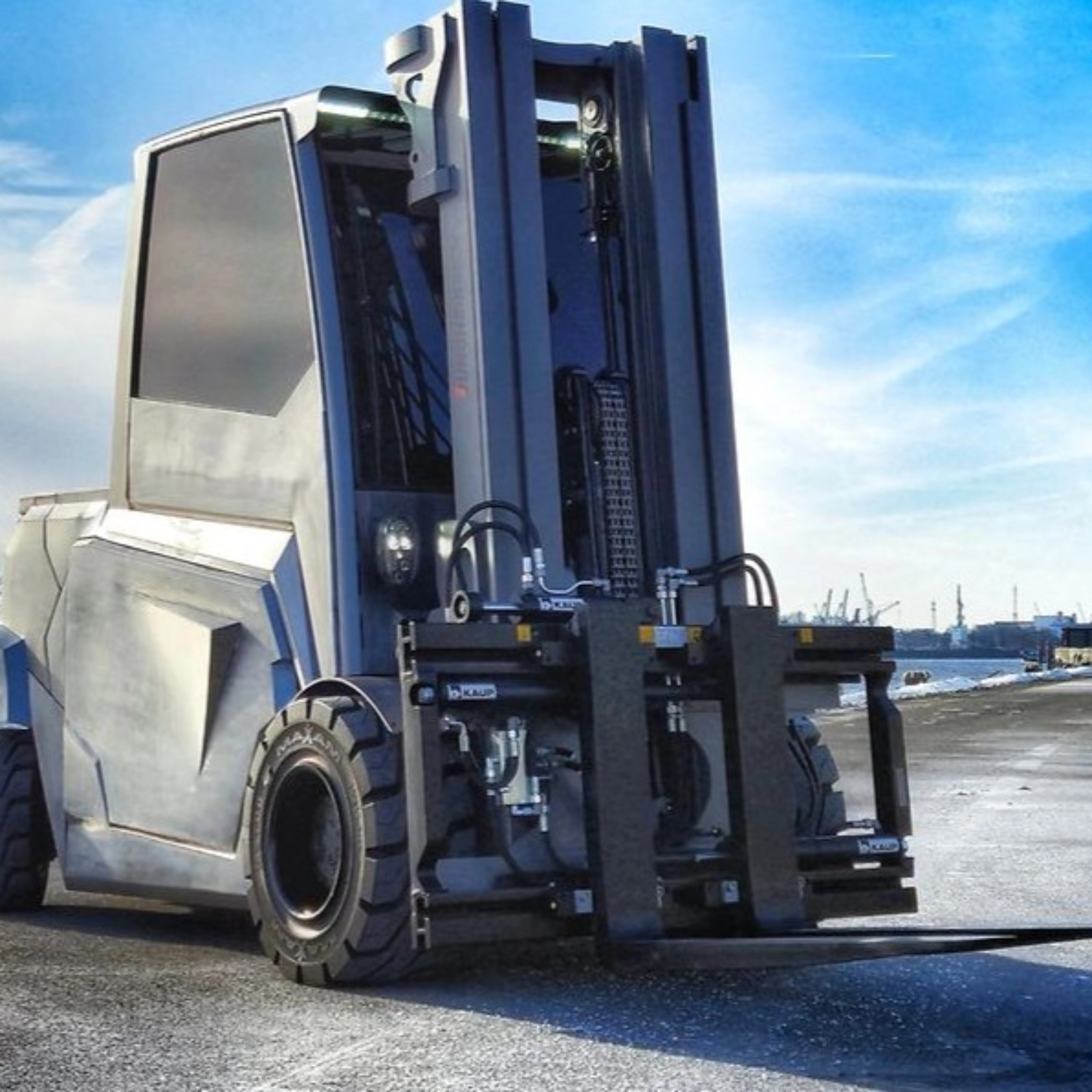
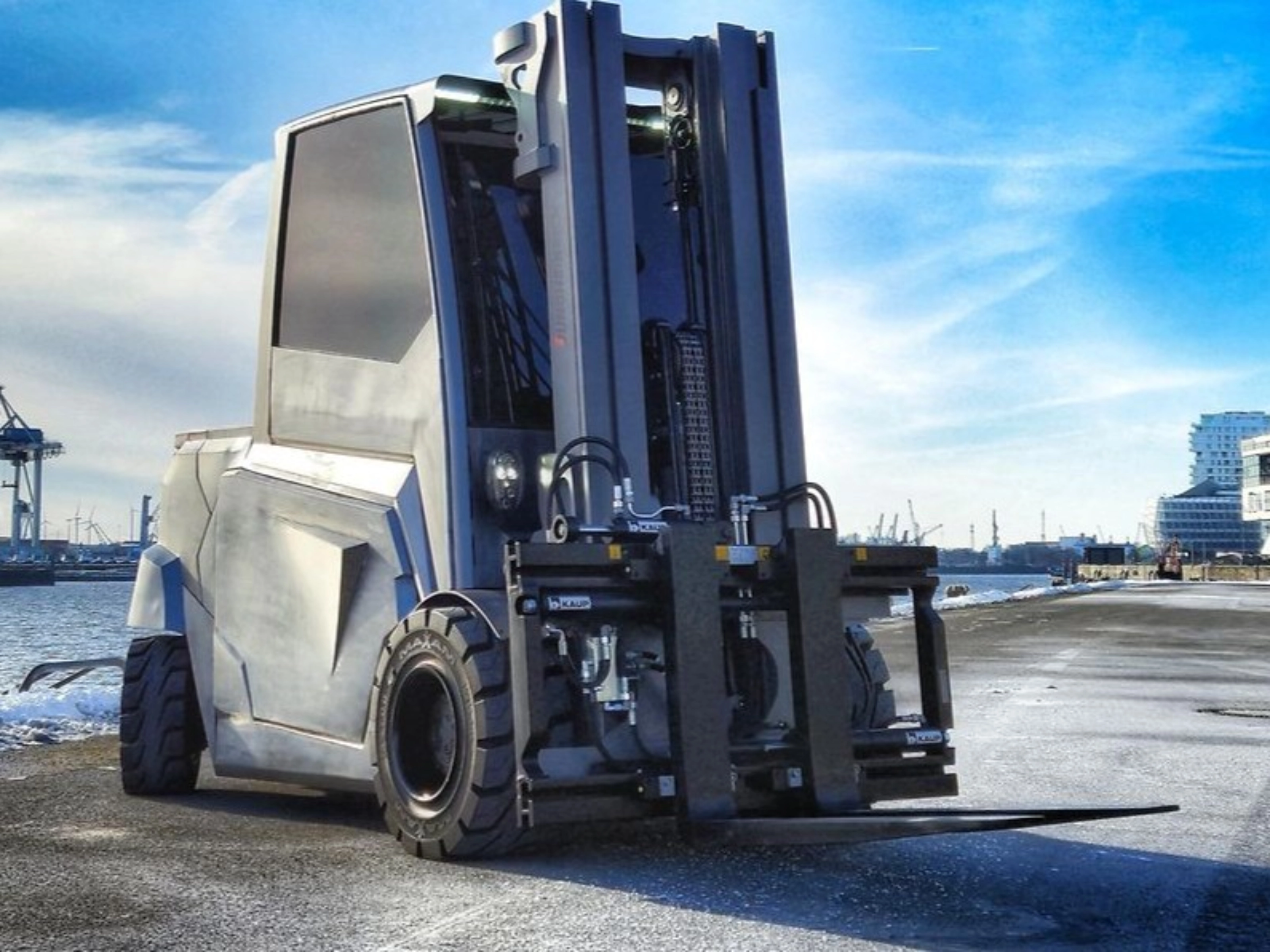
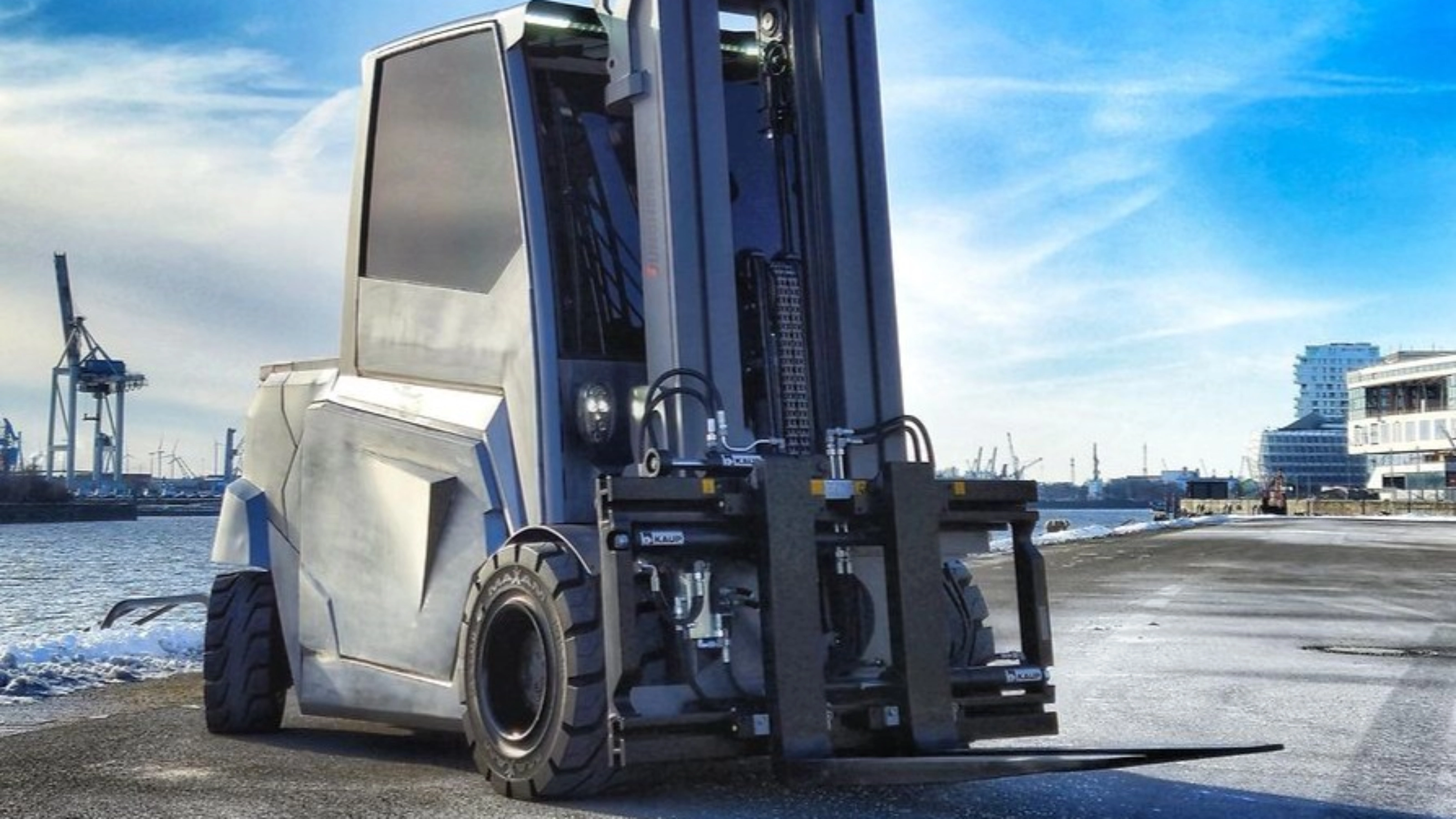
Image: (c) Jungheinrich
Jungheinrich is aiming to accelerate the development of battery-powered material handling equipment by modeling battery test data. To achieve this, the company is partnering with Monolith, a provider of AI software specializing in data-driven engineering and validation processes.
Jungheinrich is aiming to accelerate the development of battery-powered material handling equipment by modeling battery test data. To achieve this, the company is partnering with Monolith, a provider of AI software specializing in data-driven engineering and validation processes.
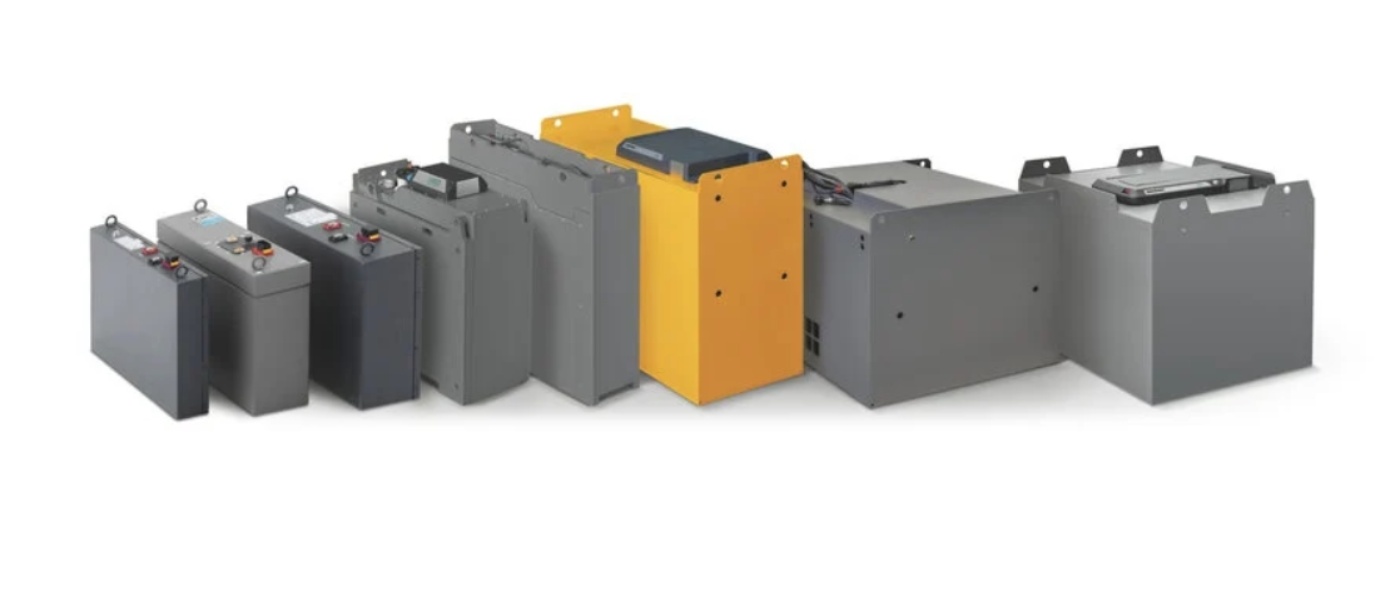
As part of this collaboration, Jungheinrich engineers analyze early battery test data and use Monolith’s AI-powered engineering tools to derive predictions for product-relevant performance metrics. Machine learning models are trained and validated using real-world test data to gain reliable insights early on. This enables faster, more informed technical decisions while simultaneously reducing the scope of physical testing campaigns.
Jungheinrich conducts battery tests throughout the development phase, generating significant amounts of technical measurement and test data. In this project, these datasets are transferred into Monolith’s engineering tools to train and validate predictive AI models.
As Jungheinrich expands its electric product portfolio, the collaboration aims to optimize the evaluation and selection of battery technologies by transforming test data into predictive models.
Monolith provides AI-driven engineering software designed to reduce the need for prototypes and testing campaigns, allowing engineering teams to focus on critical design and validation issues. Furthermore, Jungheinrich gains access to a centralized engineering intelligence platform where teams can securely access test data, model insights, and recommendations for subsequent experiments across various development programs. This scalable solution is intended to help make decisions earlier in the development cycle while reducing both costs and testing effort.