
.svg)
Isuzu and Toyota to Develop Japan’s First Mass-Produced Light-Duty Fuel Cell Truck
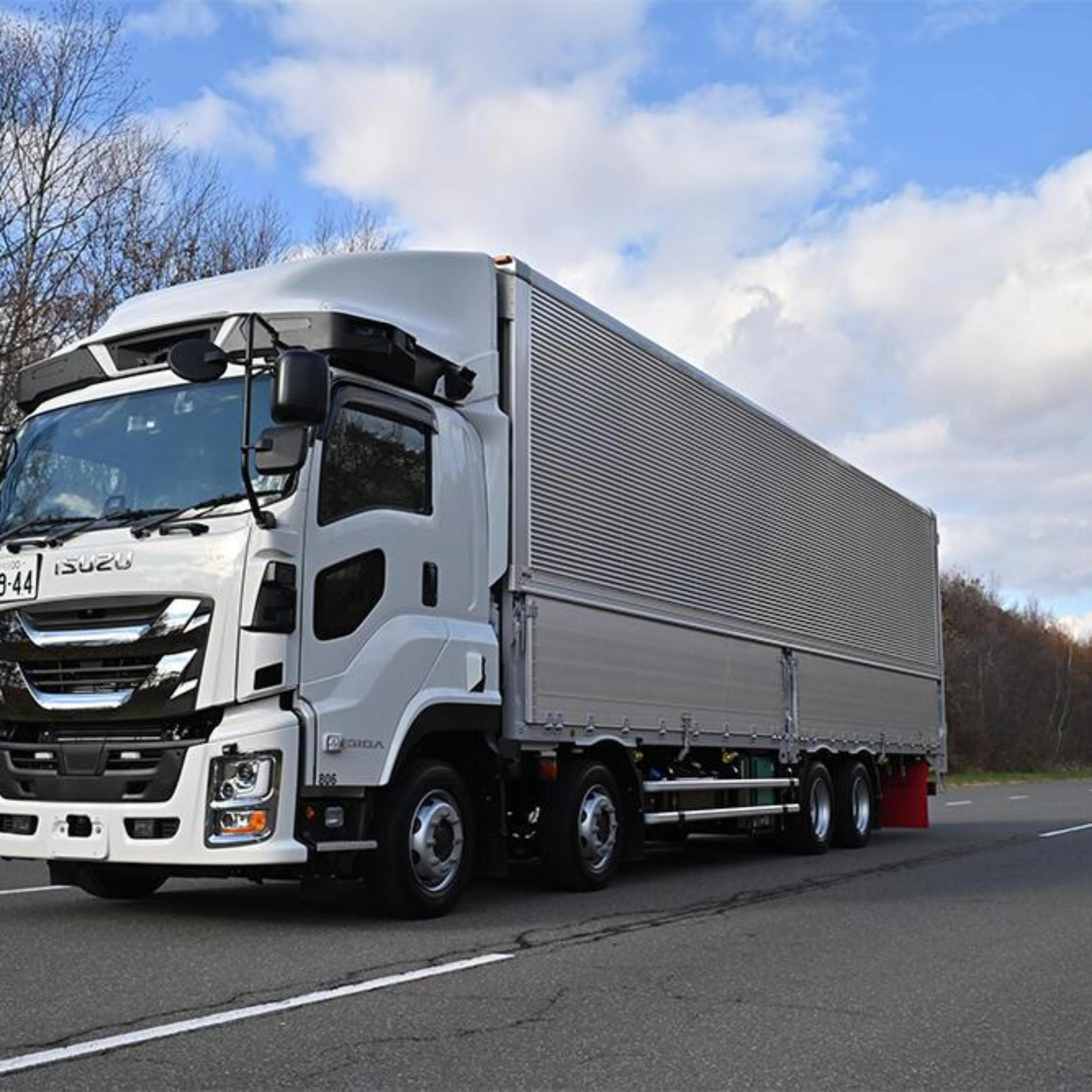
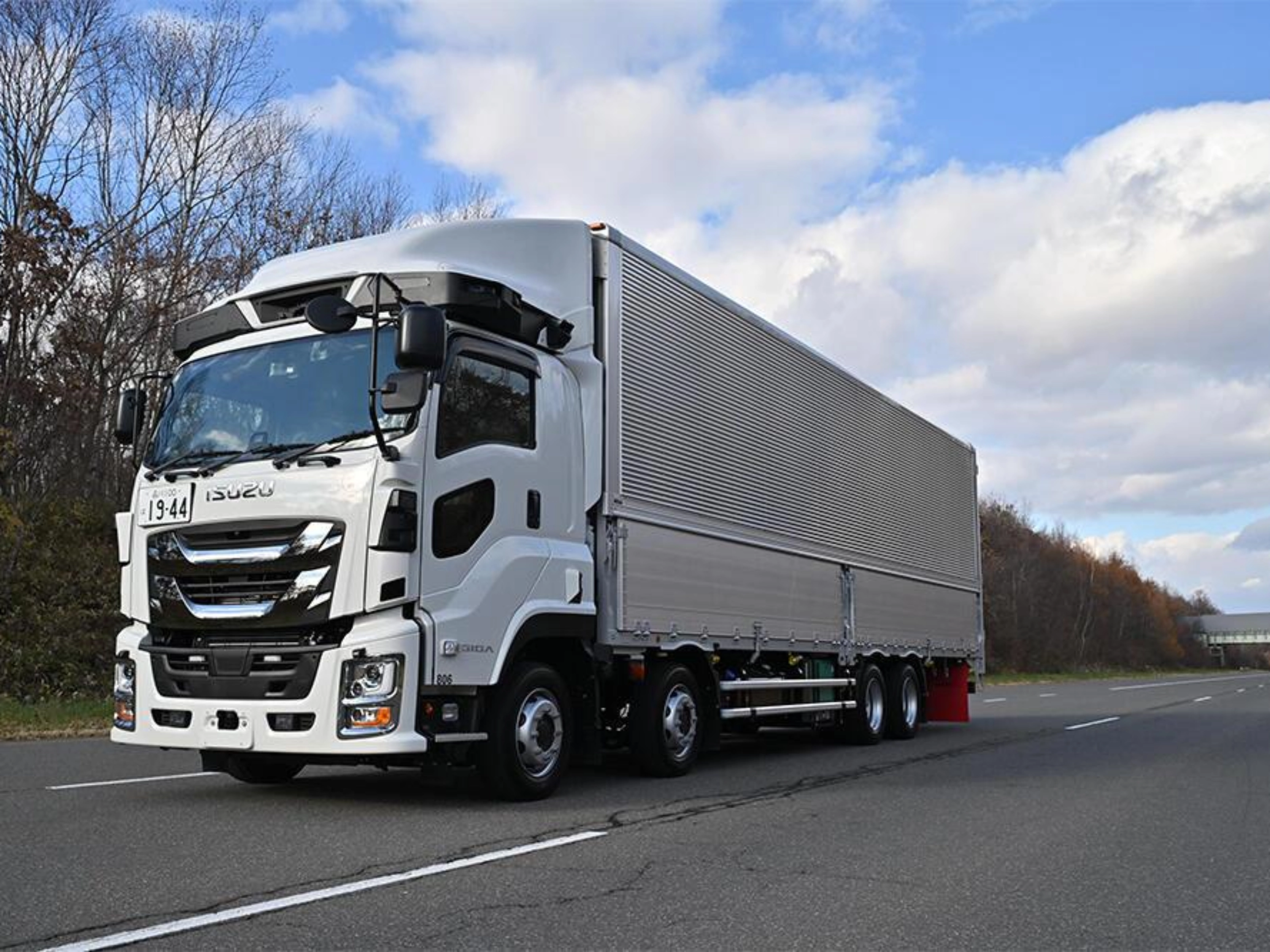
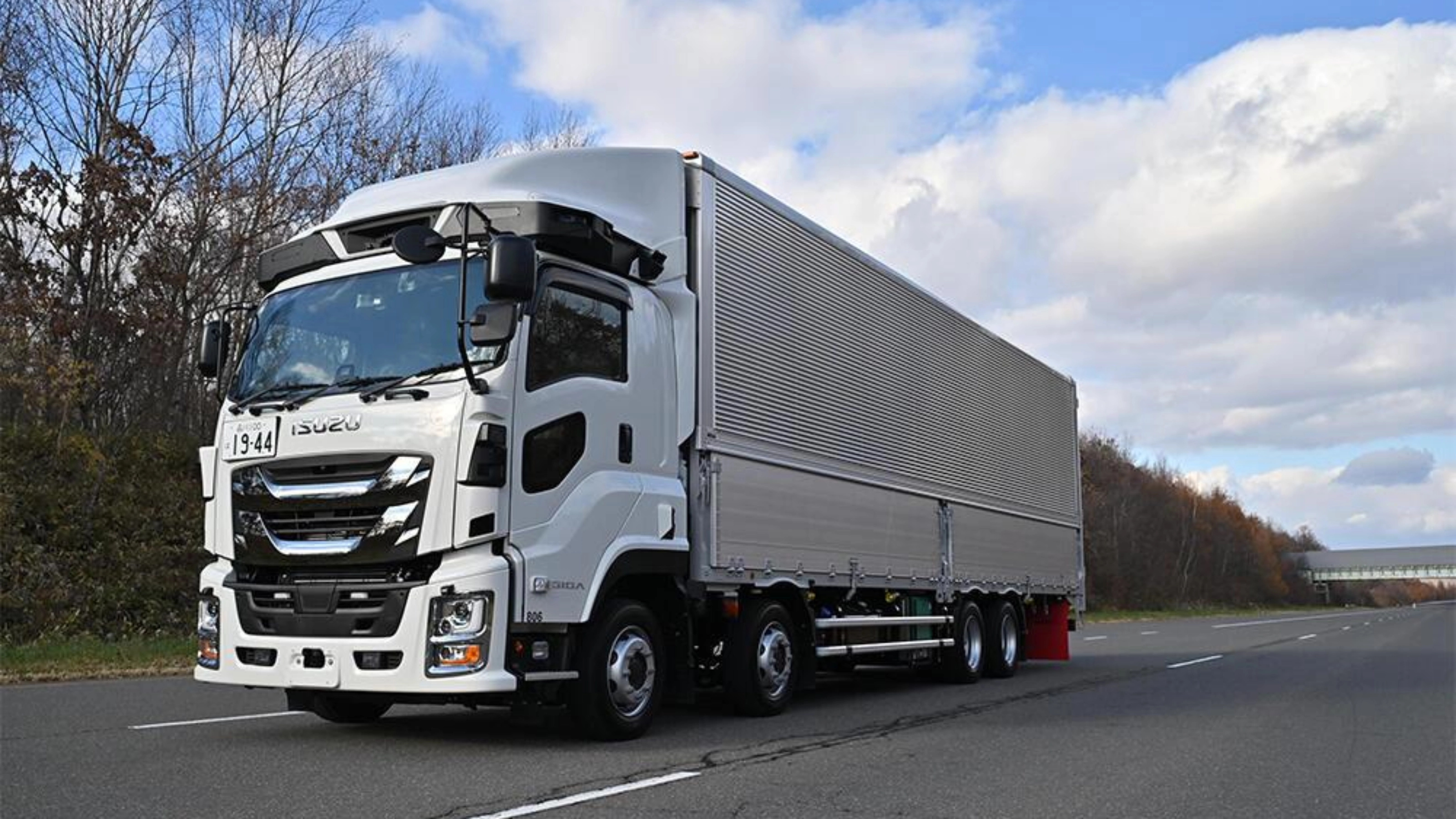
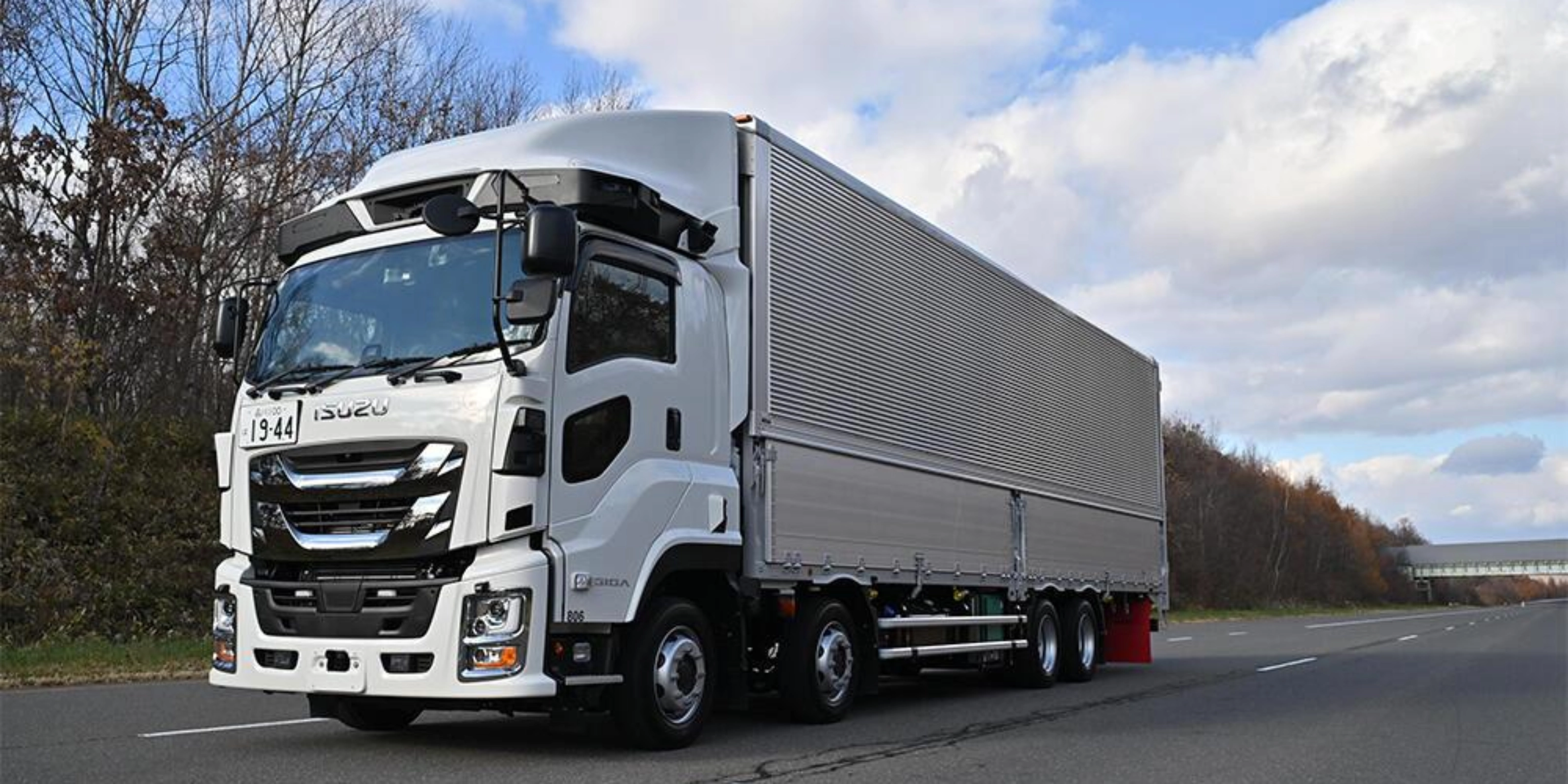
Image: (c) Isuzu
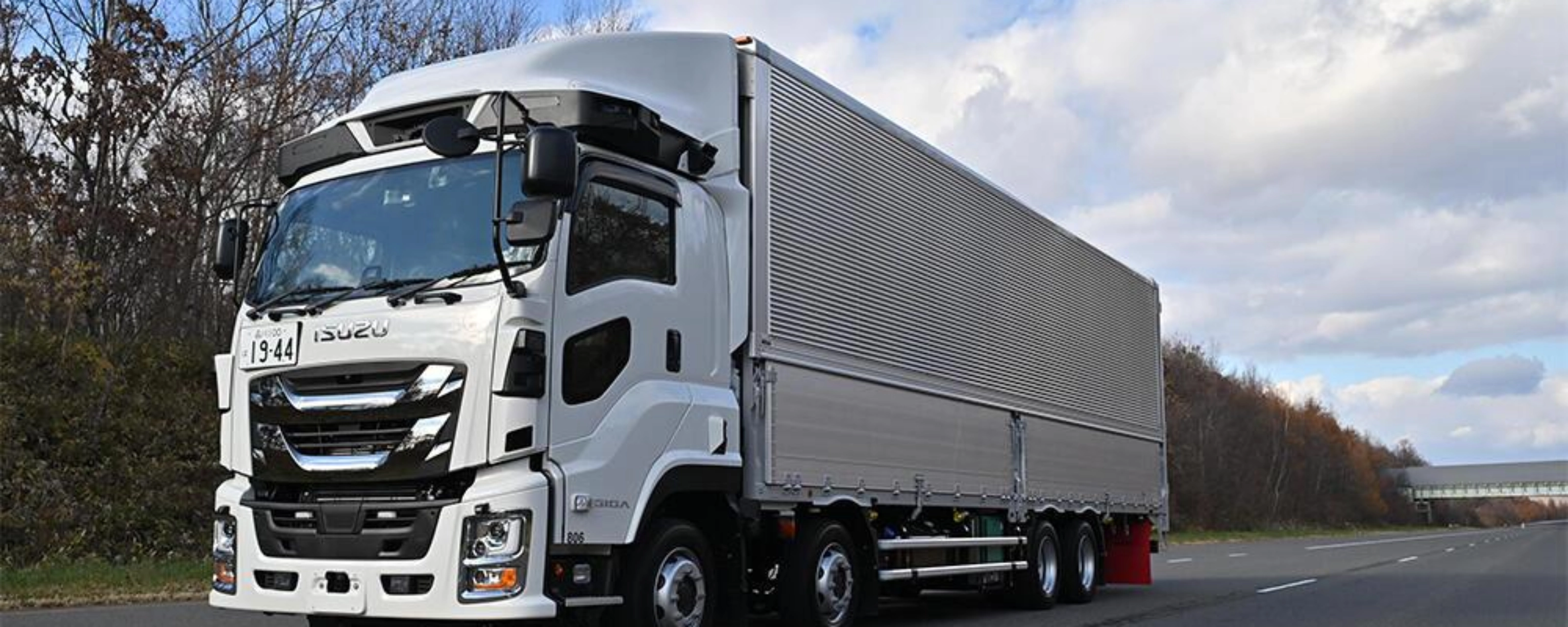
Isuzu Motors and Toyota Motor Corporation are joining forces to develop Japan’s first mass-produced light-duty fuel cell truck. The partnership aims to launch production in fiscal year 2027, marking a significant step toward decarbonizing the commercial vehicle sector and establishing a hydrogen-based society. At the heart of this project is a light-duty commercial vehicle based on the battery-electric Isuzu ELF EV, which will be integrated with Toyota’s third-generation fuel cell system. This collaborative engineering effort ensures that the propulsion system is perfectly tailored to the rigorous demands of commercial operations.
Isuzu Motors and Toyota Motor Corporation are joining forces to develop Japan’s first mass-produced light-duty fuel cell truck. The partnership aims to launch production in fiscal year 2027, marking a significant step toward decarbonizing the commercial vehicle sector and establishing a hydrogen-based society. At the heart of this project is a light-duty commercial vehicle based on the battery-electric Isuzu ELF EV, which will be integrated with Toyota’s third-generation fuel cell system. This collaborative engineering effort ensures that the propulsion system is perfectly tailored to the rigorous demands of commercial operations.
Light-duty trucks are the backbone of urban delivery, serving supermarkets and convenience stores. These vehicles are often equipped with refrigeration or freezing units, complete multiple routes per day, and must handle long operating hours and high daily mileage. Under these intense conditions, rapid refueling is essential for maintaining operational efficiency and profitability. Isuzu and Toyota view fuel cell electric vehicles (FCEVs) as the ideal solution for such high-intensity profiles. Compared to battery-electric vehicles, FCEVs offer significantly shorter refueling times while providing a much longer driving range per tank.
Furthermore, fuel cell trucks operate with zero local emissions and produce minimal noise or vibration, contributing to a cleaner and quieter urban environment. These advantages are particularly critical for heavy-duty commercial use. The new model will utilize Toyota’s next-generation fuel cell stacks, which are specifically engineered for enhanced durability and a longer service life. Simultaneously, the vehicle is built on Isuzu’s I-MACS development platform, which has already proven its worth in the ELF EV introduced in 2023.
The partners are leveraging extensive experience from previous projects, including the jointly developed "ERGA FCV" fuel cell bus and earlier light-duty fuel cell truck demonstration programs. Their goal is to further optimize control systems and increase reliability in real-world operations. One of the primary hurdles for fuel cell vehicles remains their high initial cost, which is why both companies are focused on driving down expenses. Isuzu is optimizing vehicle architecture and manufacturing processes, while Toyota works on more efficient designs and production methods for its fuel cell technology. Through these measures, the partners aim to improve cost-effectiveness and accelerate the broad adoption of hydrogen-powered vehicles across the commercial segment.