
.svg)
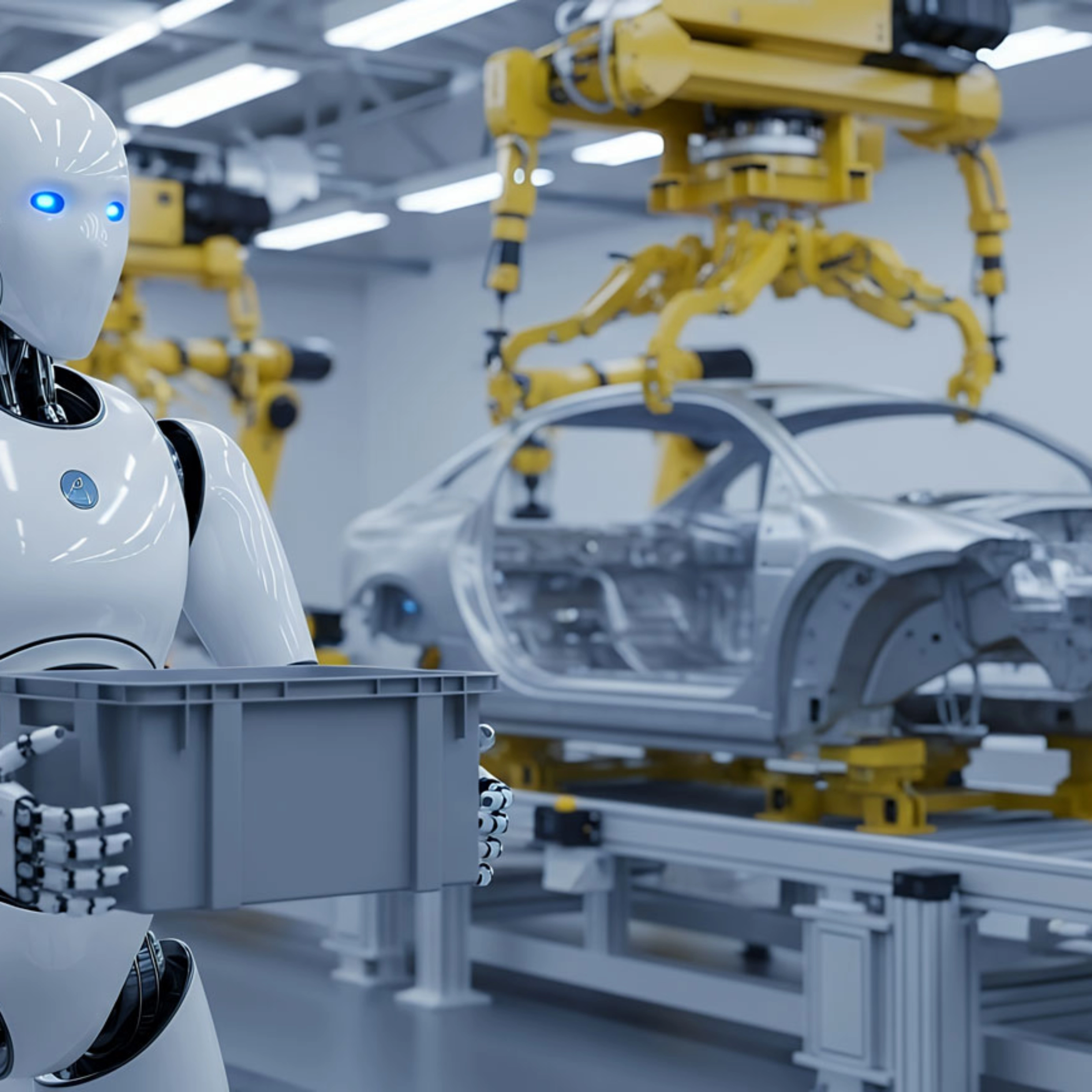
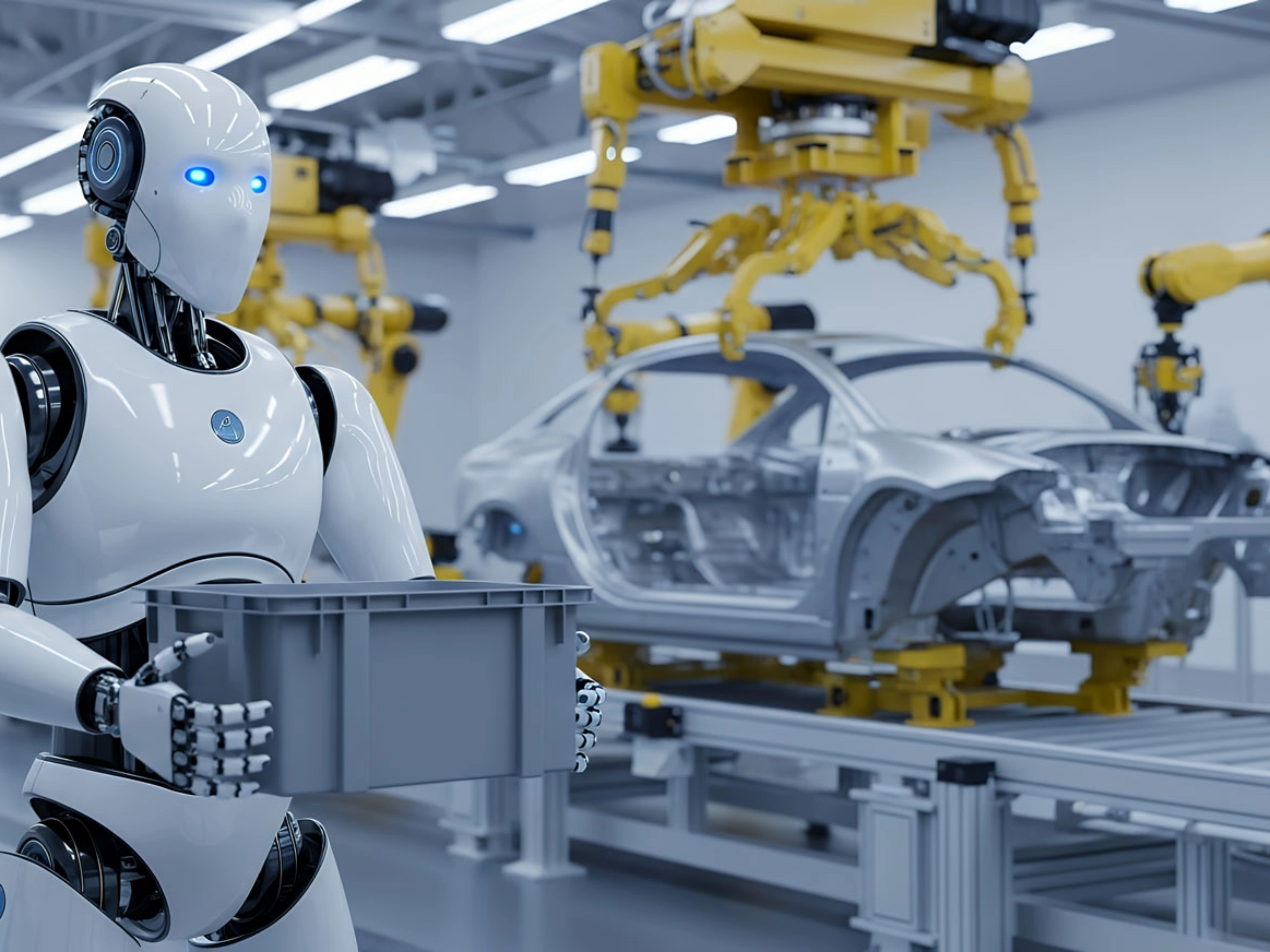
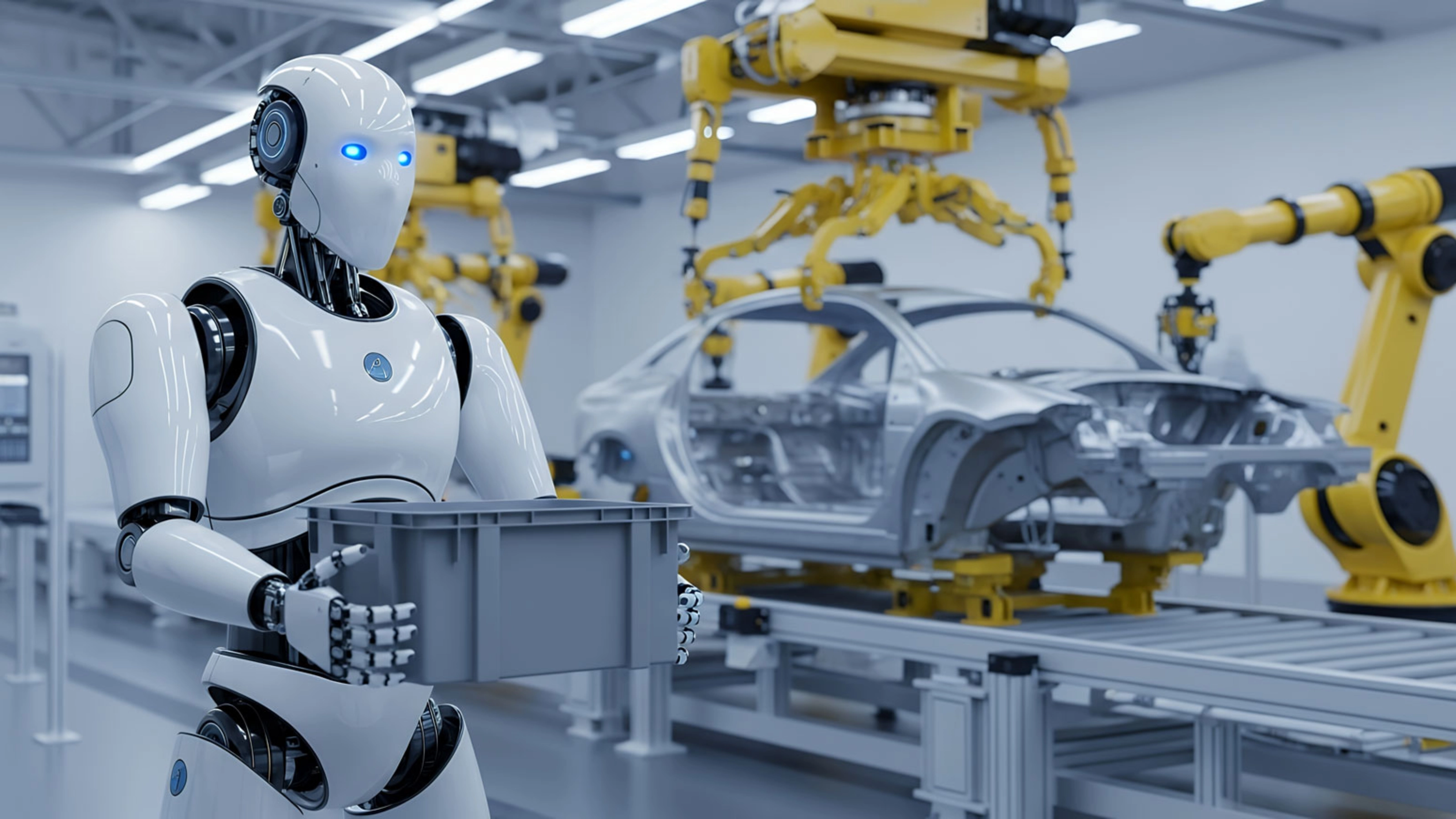
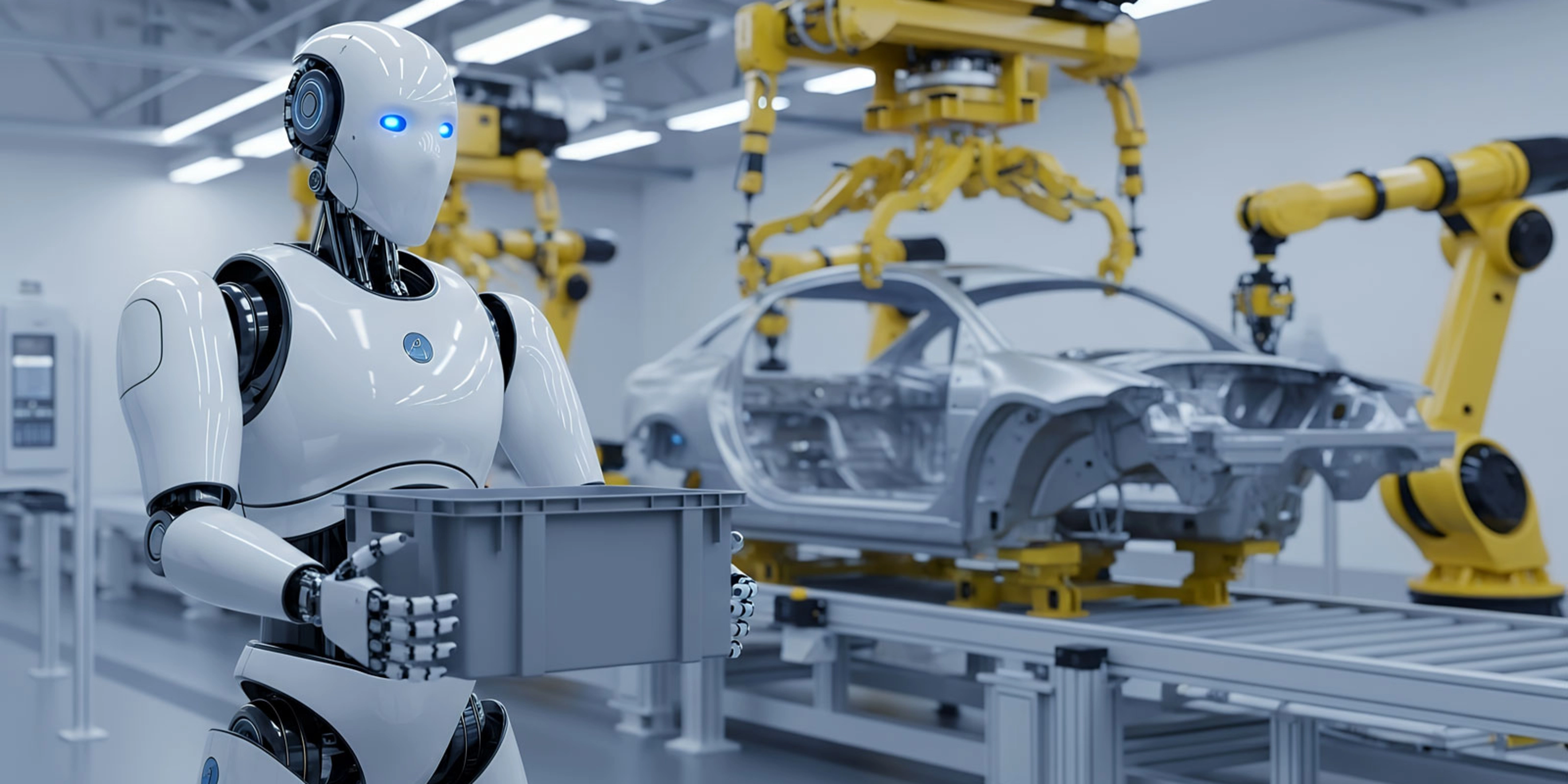
Fraunhofer Study Examines Potential of Humanoid Robots in Logistics
Image: (c) Adobe Stock
The Fraunhofer Institute for Material Flow and Logistics (IML) has presented a new study on the use of humanoid robots in the logistics sector. The research highlights the extent to which this technology could help solve core industry challenges in the future, including labor shortages, the increasing complexity of global supply chains, and growing demands for flexibility and resilience.
The Fraunhofer Institute for Material Flow and Logistics (IML) has presented a new study on the use of humanoid robots in the logistics sector. The research highlights the extent to which this technology could help solve core industry challenges in the future, including labor shortages, the increasing complexity of global supply chains, and growing demands for flexibility and resilience.
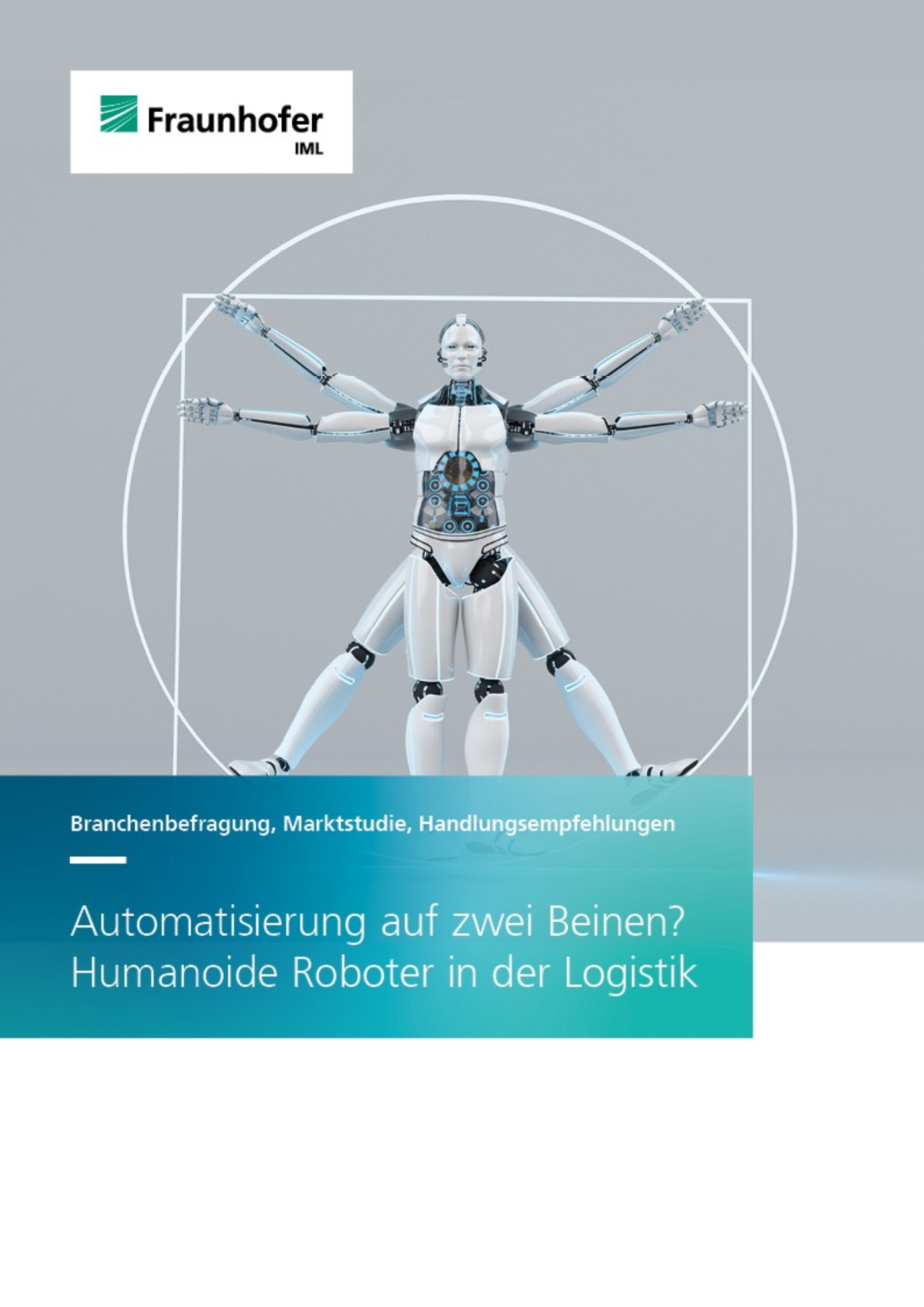
Humanoid robots are being considered as a potential supplement to existing automation solutions, particularly in areas where traditional systems reach their limits. A key finding of the study suggests that humanoid robots could function as versatile, flexible automation units capable of integrating into existing work environments originally designed for humans. Unlike specialized robotic systems, they are built to handle various tasks—such as sorting, transport, or support processes. This makes them particularly suitable for complex logistics operations that lack high levels of standardization.
Market Analysis Reveals Early Development Stage
The study identifies approximately 80 different humanoid robot systems currently in existence, which differ significantly in terms of mobility, sensor technology, and software. The market is highly fragmented and largely dominated by non-European providers. At the same time, the technology is still in an early stage of development, meaning broad industrial application is not yet realistic. Significant development is still required, especially regarding core capabilities such as robustness, safety, handling, and integration into existing workflows.

Majority of Companies Expect Implementation Within Ten Years
Despite the early stage of development, the industry appears open to the new technology. According to the study, around 75% of surveyed companies expect humanoid robots to be ready for productive use within the next ten years. The goal is generally not to replace human workers but rather to augment existing processes. Humanoid robots are intended to provide support primarily where flexibility is required or where labor shortages exist.
Recommendations for Industry and Policy
The researchers have derived specific insights from the study. They suggest that companies should establish testing grounds and pilot projects early on to gain experience with the technology and develop realistic deployment scenarios. Furthermore, the study recommends promoting open standards and partnerships while continuing to drive the digitalization of logistical processes. A particular focus lies on the development of safety standards for mixed human-robot operations, which is crucial for practical application. Given the intense international competition, the researchers also see an increased need for investment in Europe to secure technological sovereignty in the field of autonomous systems.