.svg)
DAF and Einride to Jointly Develop SAE Level 4 Autonomous Electric Trucks
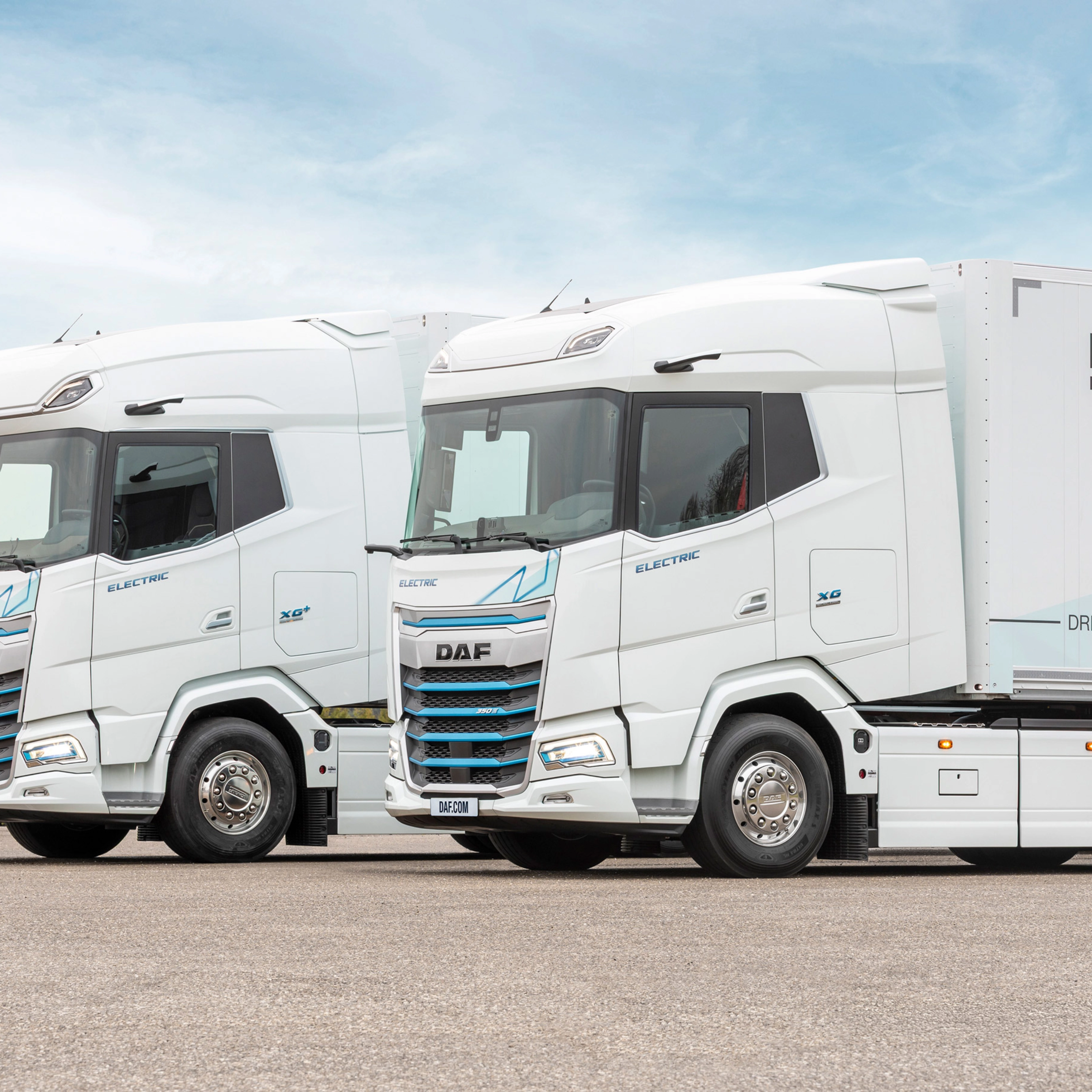
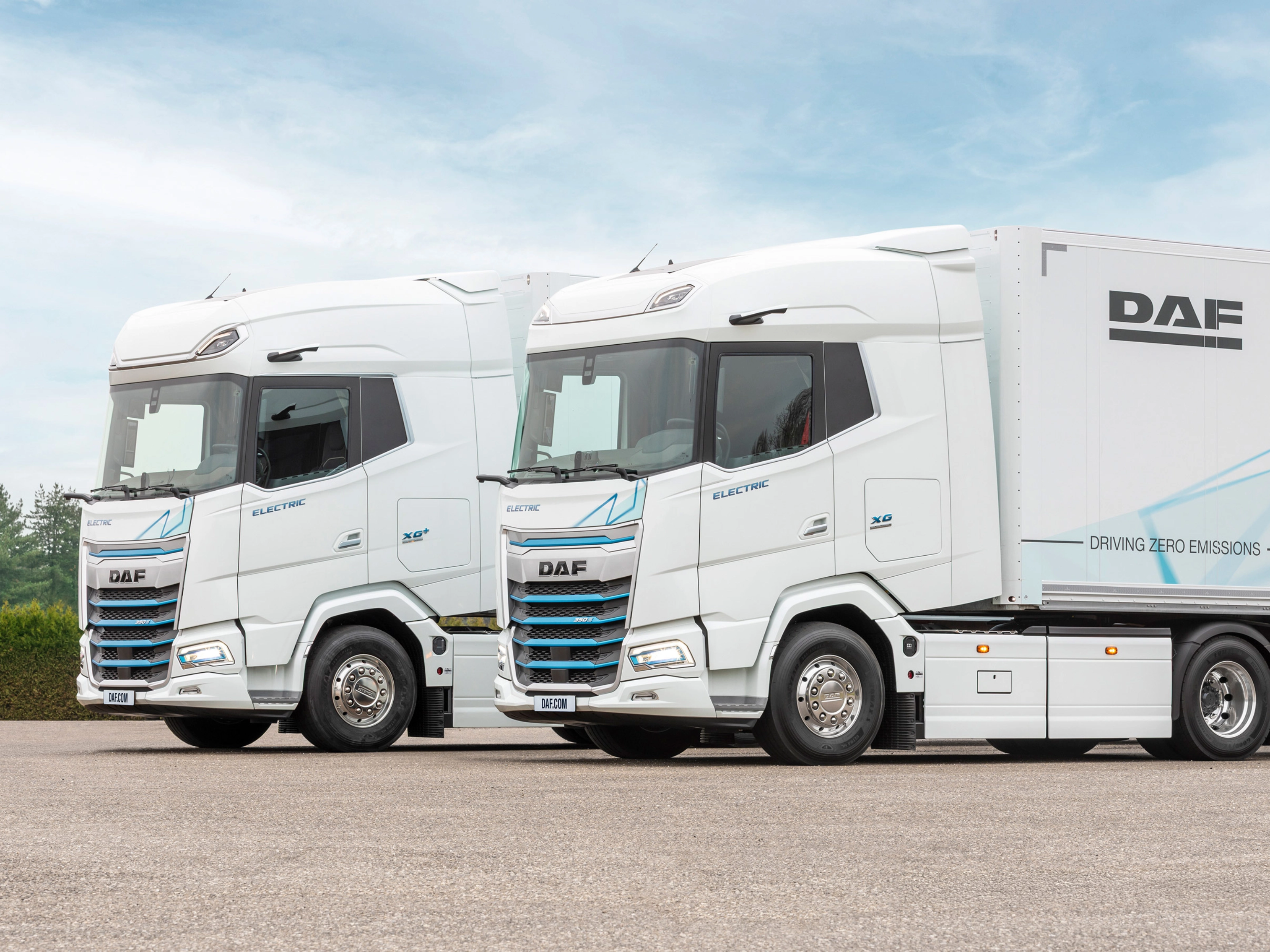
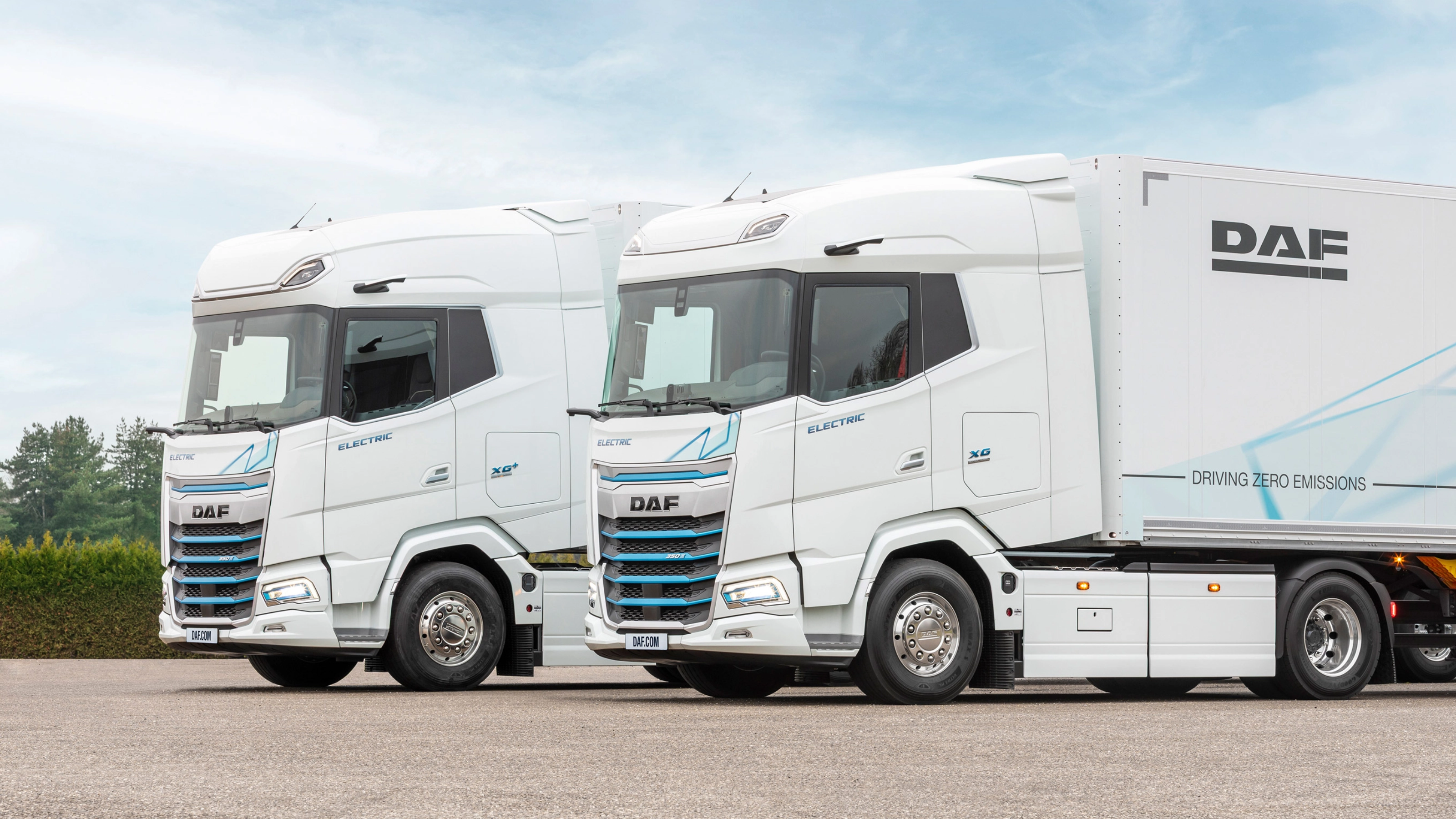
Image: (c) DAF
DAF Trucks and the Swedish technology company Einride are joining forces to drive the development of autonomous electric trucks. As part of a new partnership, the "Einride Driver" autonomous driving system will be integrated into DAF's electric truck platform. The goal is to lay the groundwork for the scalable commercial deployment of highly automated freight transport at SAE Level 4.
DAF Trucks and the Swedish technology company Einride are joining forces to drive the development of autonomous electric trucks. As part of a new partnership, the "Einride Driver" autonomous driving system will be integrated into DAF's electric truck platform. The goal is to lay the groundwork for the scalable commercial deployment of highly automated freight transport at SAE Level 4.
Autonomous Driving System Meets DAF Electric Platform
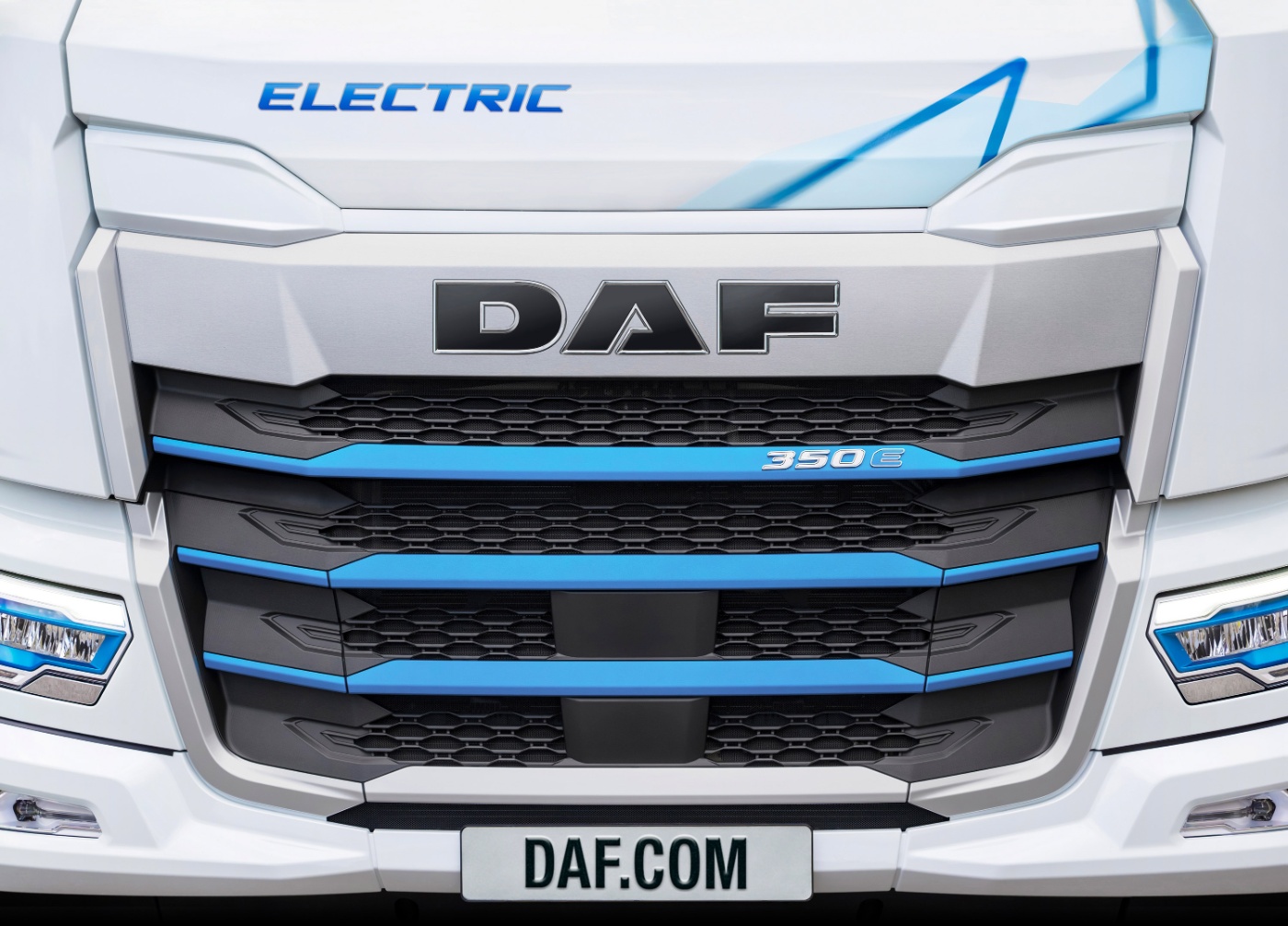
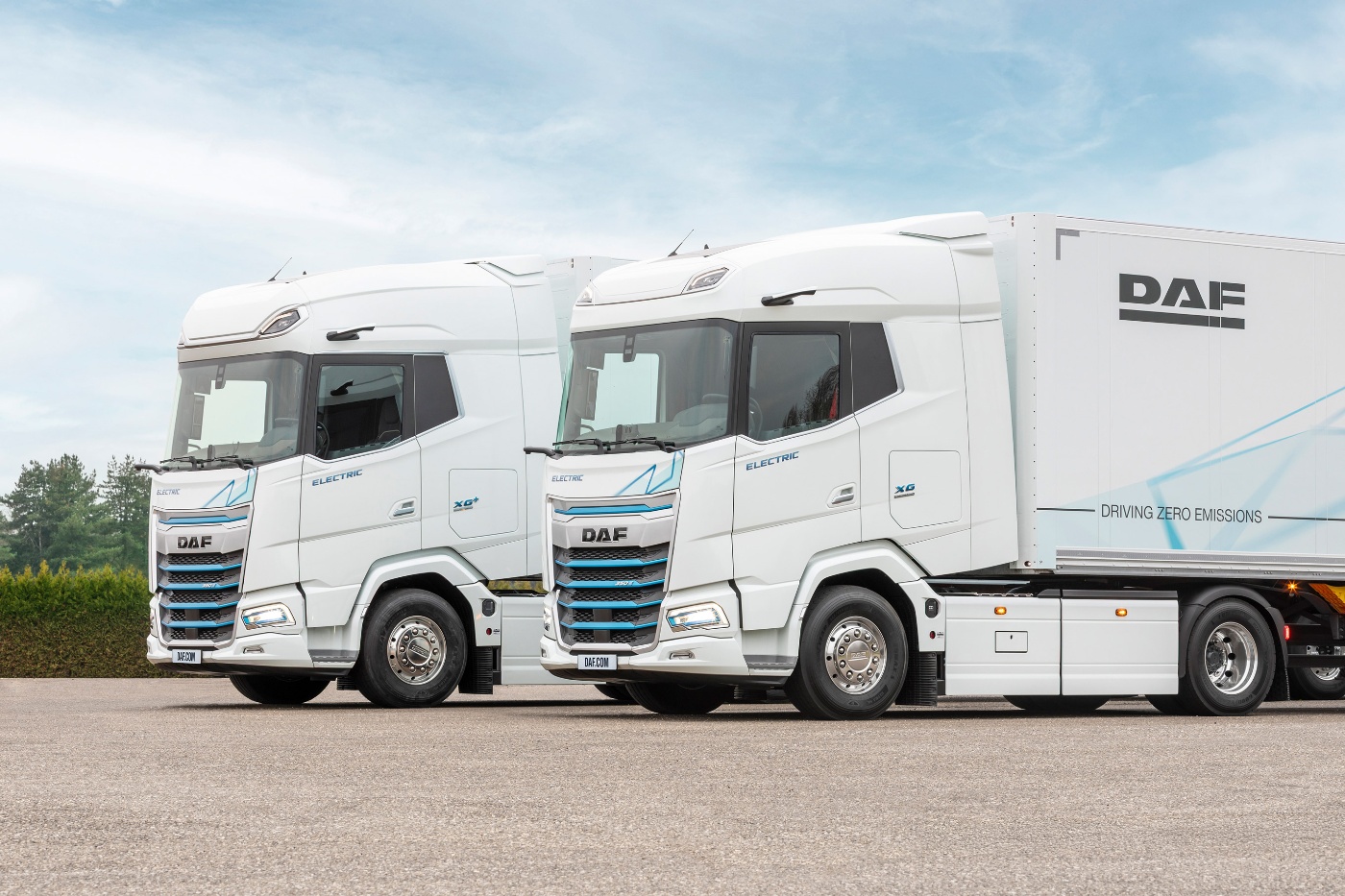
As a first step, DAF and Einride—together with the Dutch research institute TNO—plan to examine and test the technical requirements for integrating the Einride Driver. The project will build on DAF's electric truck platform, whose XD Electric and XF Electric models were named "International Truck of the Year 2026."
The initial focus will be on the necessary vehicle-to-system interfaces required to enable safe and, eventually, scalable autonomous operations.
At SAE Level 4, a vehicle can handle all driving tasks completely on its own within defined operating conditions, without requiring driver intervention. For the logistics industry, the companies see this as a way to address driver shortages and rising operating costs, among other challenges.
First Tests in 2026, Integration Starting in 2027
Initial testing and validation of the core interfaces are set to take place in 2026. This will be followed in 2027 by the integration and commissioning of Einride's autonomous driving software in a DAF truck, along with further interface validation and functional testing.
Supported by TNO, the partners are also working closely with type-approval authorities to ensure the technical platform is designed to allow autonomous operations to eventually expand to public roads.
At the same time, the collaboration builds on existing automated driving activities by DAF’s parent company, PACCAR. In North America, PACCAR is already gaining experience with autonomous commercial vehicles through its Autonomous Vehicle Platform Program, while also collaborating with providers of complete autonomous driving systems.
Einride Pursues Vehicle-Agnostic Approach
Einride follows a vehicle-agnostic approach with its autonomous technology. The partnership with DAF aims to demonstrate that the system can be integrated into the platform of an established truck manufacturer and scaled for broader use over time.
DAF also views the cooperation as a core part of its strategy for advancing the future of freight transport. By combining its own vehicle platform with autonomous driving technology, DAF aims to create more efficient, safer, and more sustainable transport solutions.
DAF Expands Electric Truck Portfolio
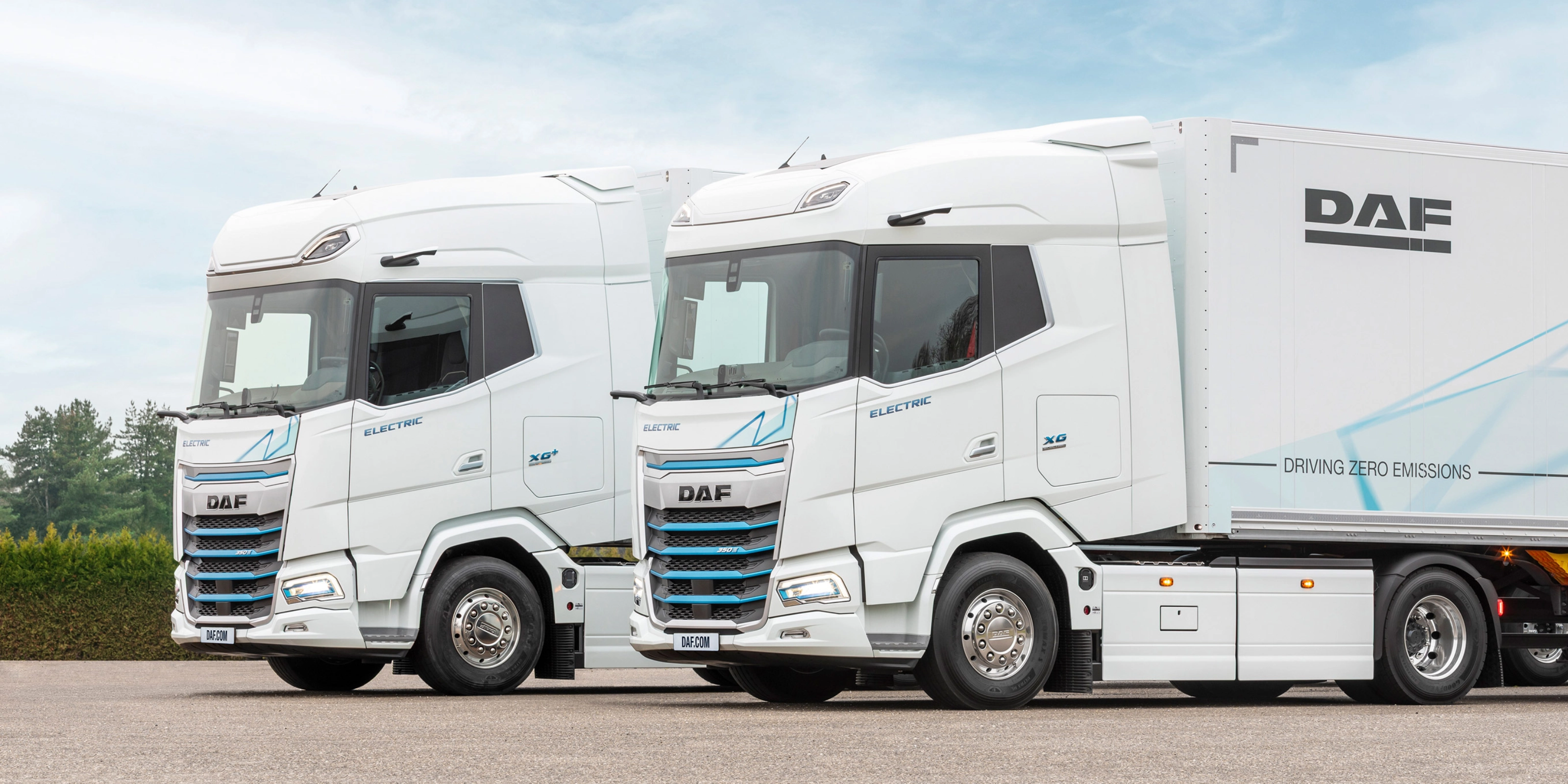
The autonomous technology will be paired with an electric truck lineup that has grown significantly. DAF offers battery-electric models ranging from the 12-ton XB Electric for urban distribution to the XG and XG+ Electric for long-haul transport.
With the planned integration of the Einride Driver, DAF is now expanding this approach to include automated driving capabilities. However, the announcement did not specify when a commercially available Level 4 truck might be ready for regular operation.