
.svg)
Sponsored Content
How Integrated Thermal and Acoustic Solutions Are Supporting the Future of Commercial Transportation
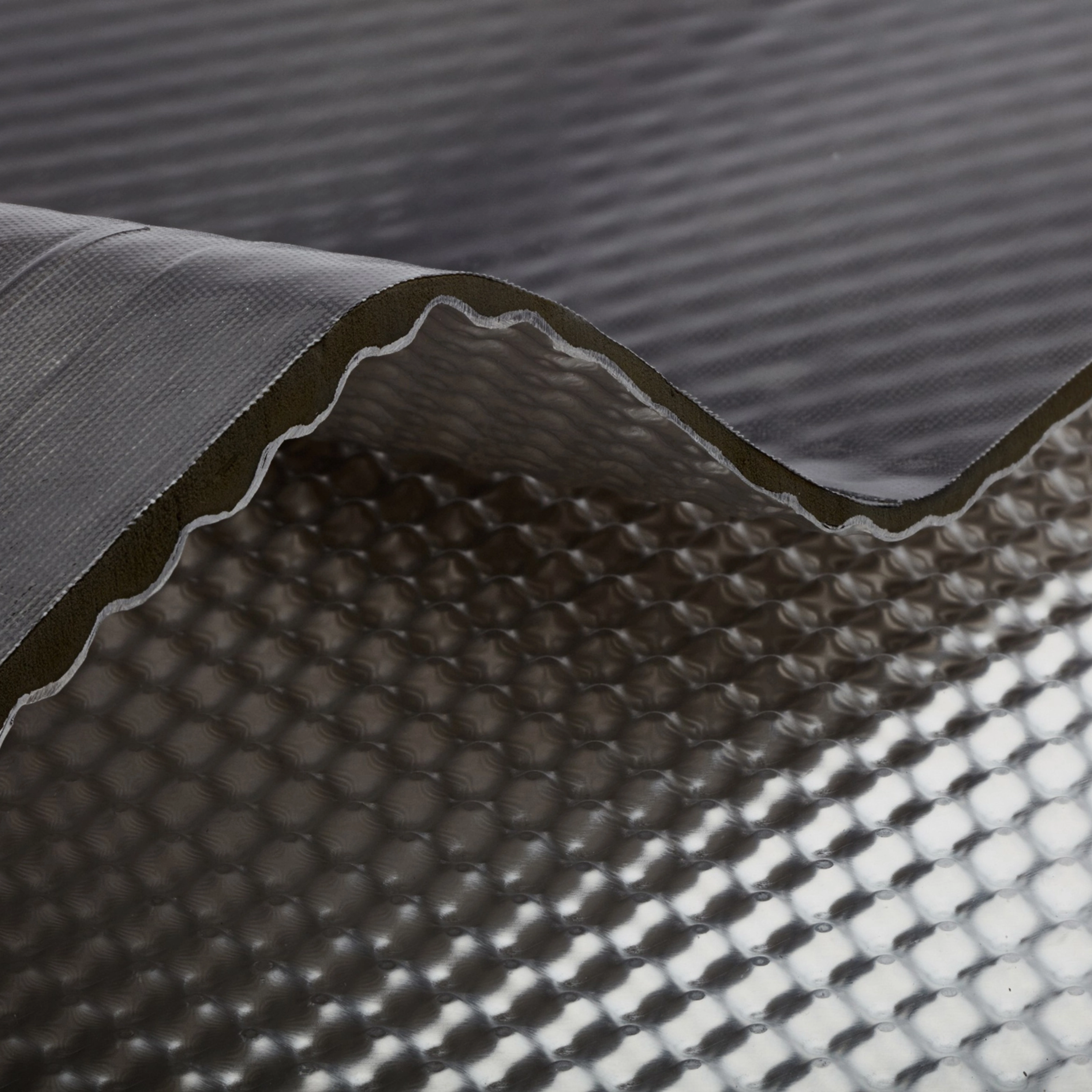
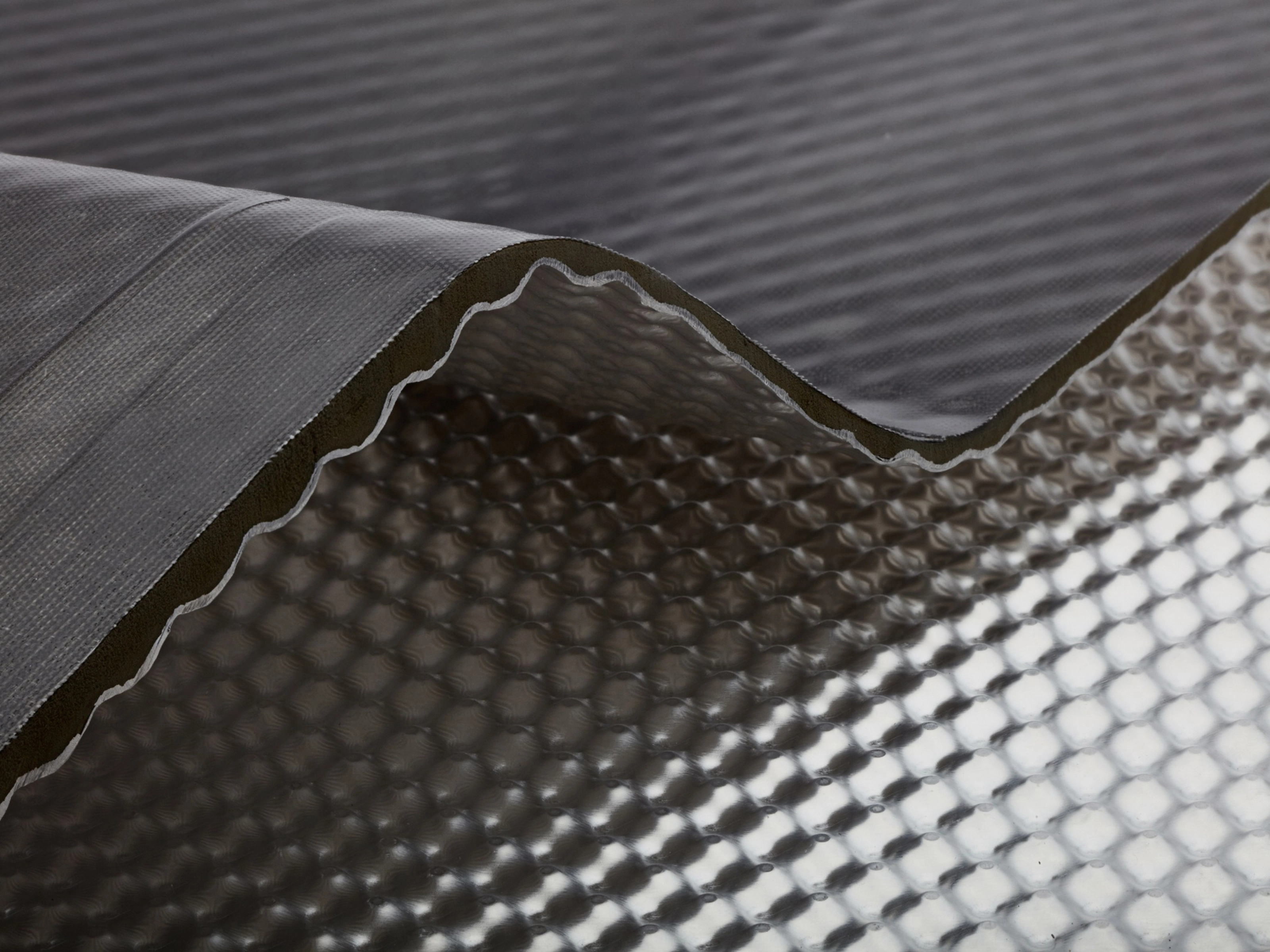
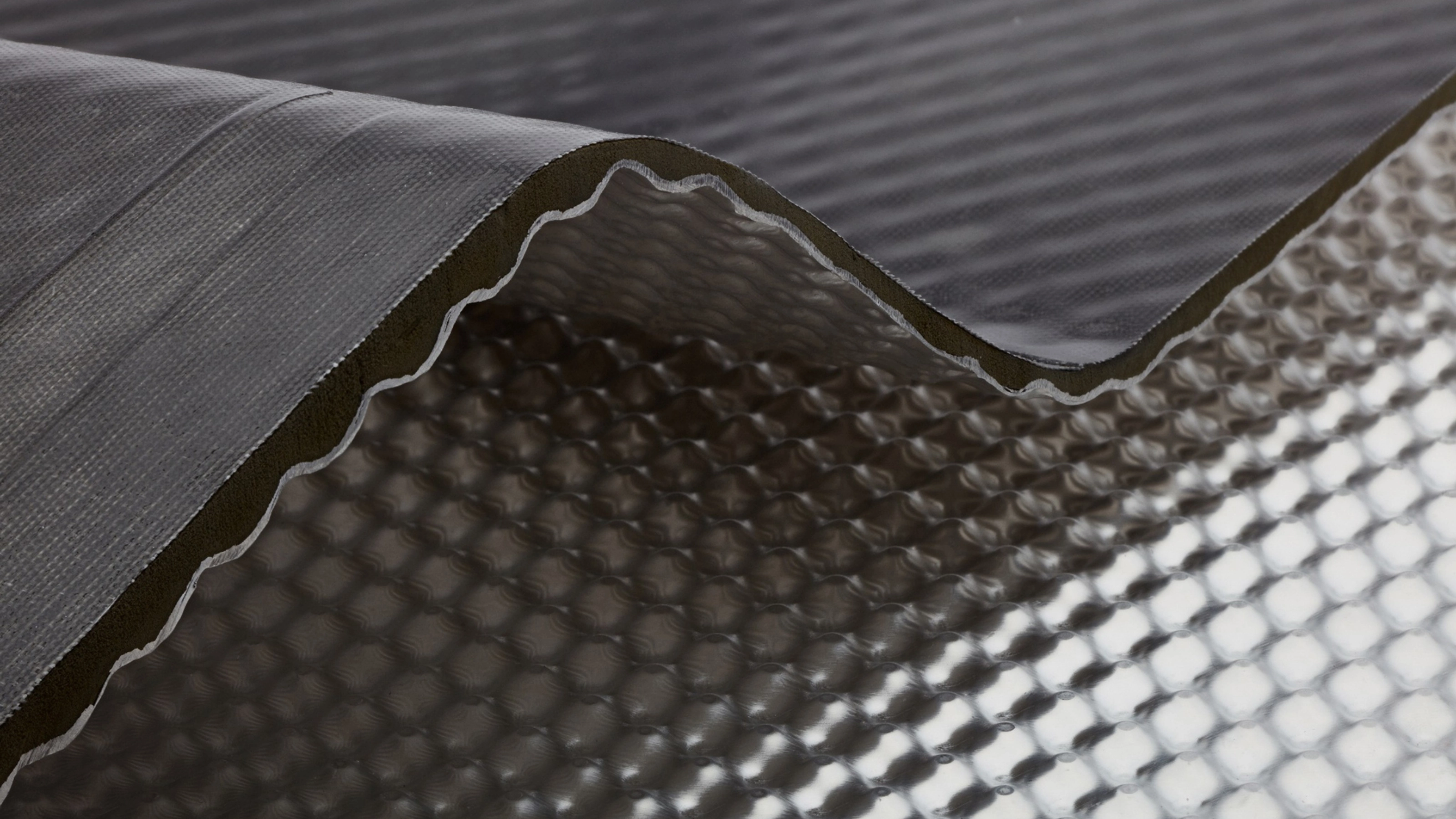
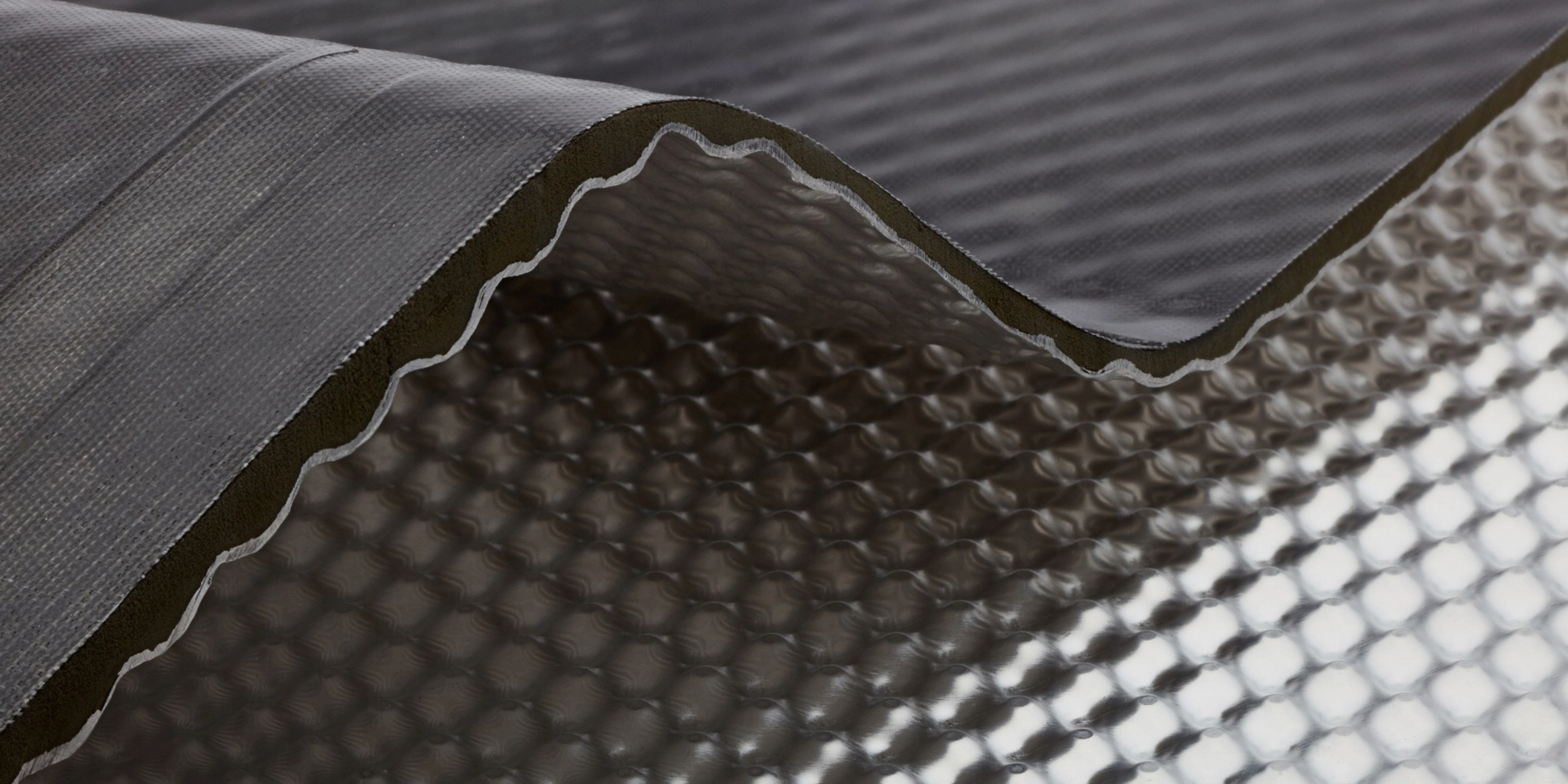
Image: (c) L&L Products
From managing heat and noise to reducing weight, multifunctional panel solutions help redefine what is possible in commercial vehicle design.
From managing heat and noise to reducing weight, multifunctional panel solutions help redefine what is possible in commercial vehicle design.
The heavy-duty transportation industry is currently facing a time of rapid transformation. Manufacturers are balancing increasing requirements that include vehicle lightweighting, improved energy efficiency, stricter noise regulations and new thermal management challenges, often associated with modern powertrain architectures. As vehicle systems evolve, traditional component designs are reevaluated through a broader lens. Engineers no longer look for materials that solve a single problem but instead have shifted their focus toward multifunctional solutions that deliver total system value.
This trend is particularly evident in under-cab and engine compartment applications, where components need to withstand intense conditions while contributing to overall vehicle performance. L&L Products has responded to these challenges with advanced panel solutions enabled by InsituCore® technology, demonstrating how innovative systems can help manufacturers achieve multiple objectives simultaneously.
Under-cab insulation panels and engine compartment shields do more than just take up space in a heavy-duty vehicle. They help create a quieter, cooler and more comfortable environment for drivers. By limiting heat from the powertrain and reducing noise entering the cab, these components play an important role in overall vehicle performance and operator comfort. At the same time, manufacturers expect these parts to meet a long list of requirements. They need to be durable enough to withstand demanding operating conditions, lightweight enough to support efficiency goals and simple to install on the production line.
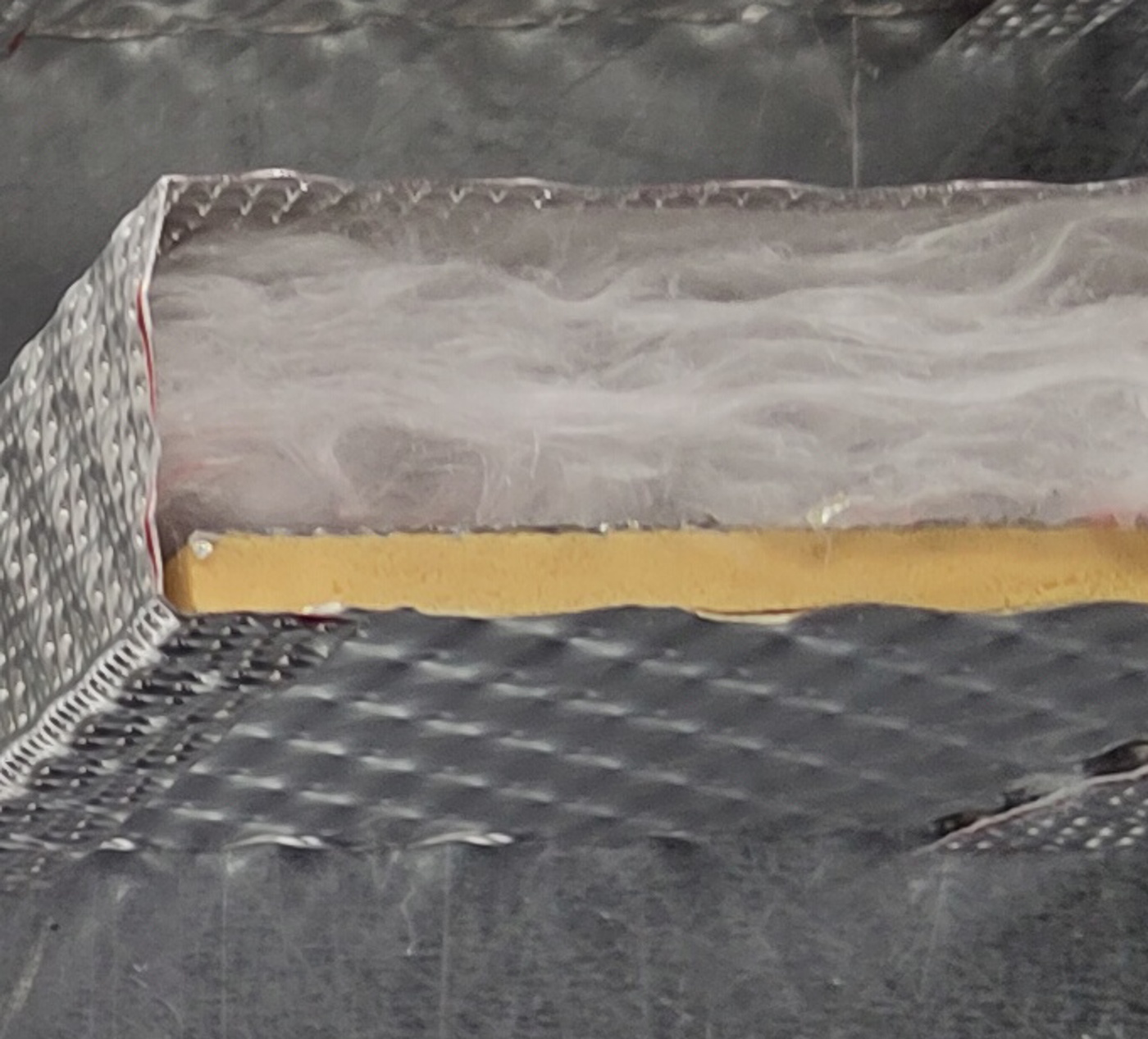
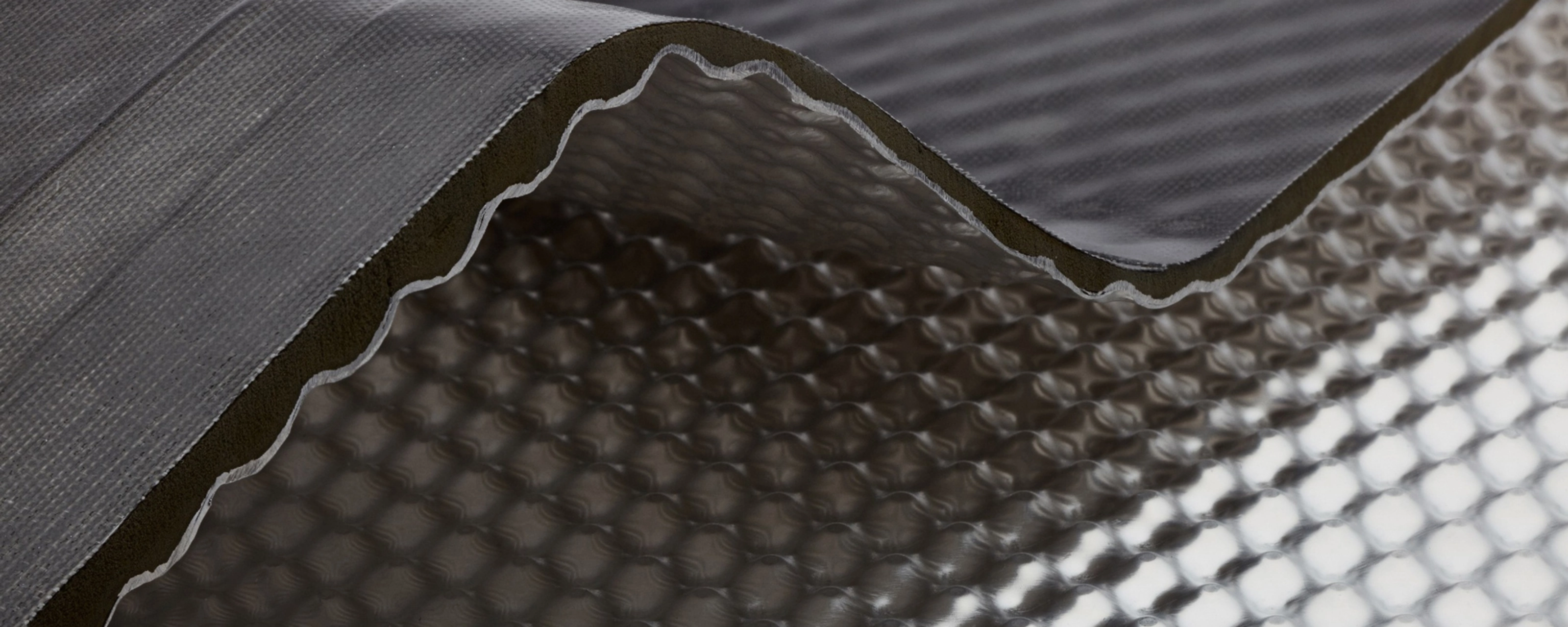
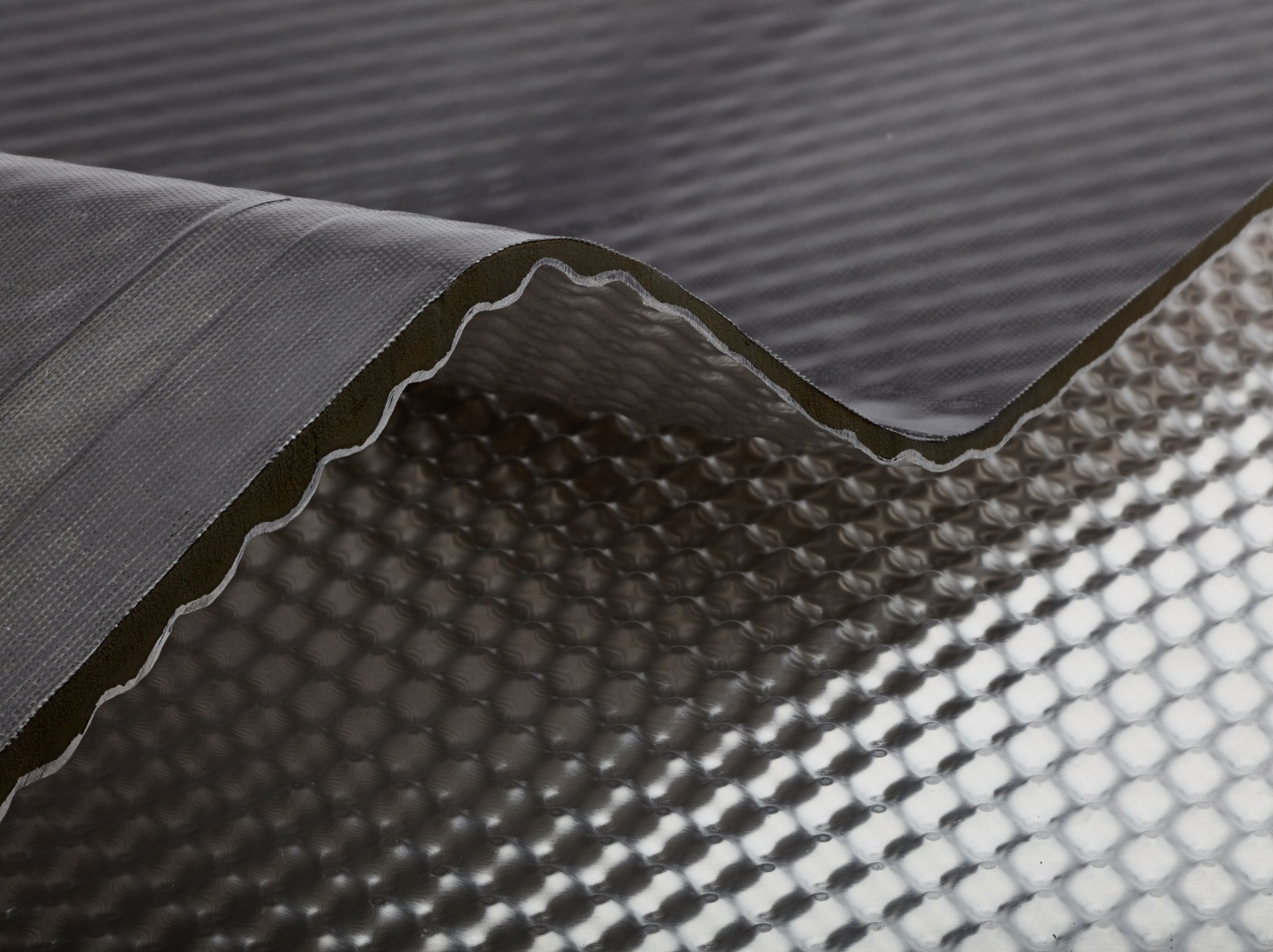
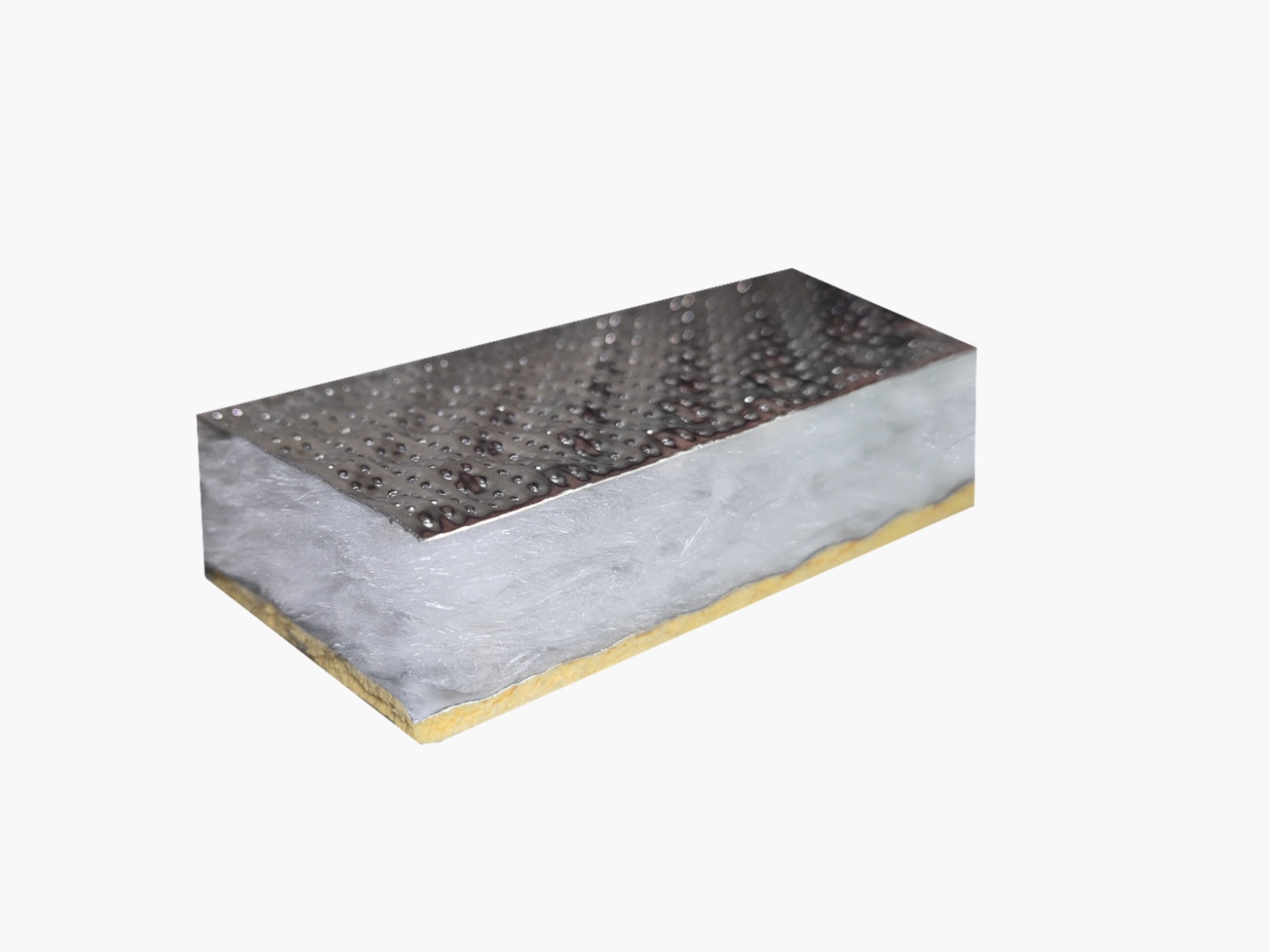
To address these evolving requirements, L&L Products developed a lightweight sandwich panel architecture utilizing aluminum facing layers bonded with an InsituCore® core. The sandwich panels are molded to form three-dimensional complex shapes.
For applications requiring enhanced acoustic performance, additional engineered layers that include fiber media and perforated aluminum facings can be integrated into the panel structure. This creates an integrated solution capable of delivering thermal insulation, sound absorption and reduced mass within a single component. The resulting panel system demonstrates just how advanced material design can consolidate multiple functions while simplifying overall vehicle architecture.
Lightweighting that Delivers Measurable Benefits
Weight reduction remains a major priority across the transportation industry. Every kilogram removed from a vehicle can contribute to improved efficiency, increased payload capacity or greater operational flexibility. In thermal insulation applications, InsituCore® panels achieved approximately 50% weight savings compared to incumbent fiberglass composite solutions. In combined thermal and acoustic applications, weight reductions exceeded 30%. These savings often extend beyond the component itself. Reduced weight on the cab can support greater towing capacity and contribute to overall vehicle efficiency targets. For manufacturers looking for every available opportunity to optimize performance, lightweight multifunctional materials offer a reliable path forward.
Thermal Management for Modern Vehicle Platforms
Thermal management has become increasingly important as powertrain systems grow more sophisticated and vehicle architecture continues to evolve. InsituCore® technology provides excellent heat resistance and low thermal conductivity, helping create an effective barrier between heat-generating systems and the occupant compartment. Testing demonstrated a temperature differential of approximately 40°C through the InsituCore® material and up to 75°C between the engine-side environment and the cab.
These results help improve driver comfort while supporting better thermal management throughout the vehicle. The ability to place panels closer to heat sources can also improve packaging efficiency and eliminate the need for additional mounting components. As manufacturers continue to look for better ways to manage heat and reduce weight, materials that deliver strong thermal performance will become increasingly important to future vehicle development.
Engineering Comfort through Material Design
Driver comfort is becoming an important differentiator in commercial vehicle design. Noise reduction affects not only driver comfort but also driver fatigue and the overall operating experience. Traditional composite panels often provide broad sound absorption characteristics but ultimately offer limited performance at lower frequencies where engine and powertrain noise can be most challenging.
To address this, L&L Products developed acoustic versions of the InsituCore® panel system incorporating fiber layers and perforated aluminum facings. This architecture enables sound absorption performance to be tuned across targeted frequency ranges, allowing manufacturers to optimize acoustic behavior for specific vehicle requirements. By tailoring the acoustic package, manufacturers can achieve demanding sound absorption targets while supporting pass-by noise certification requirements and creating a quieter cab environment.
When Performance and Appearance Work Together
While the primary purpose of thermal and acoustic shielding systems is to manage heat and reduce noise, appearance often matters, too. Under-cab and engine compartment panels are often exposed during routine maintenance and service work. While traditional composite panels tend to look purely functional, aluminum-faced InsituCore® panels offer a more polished appearance. Vehicle manufacturers benefit from a more refined overall product, while fleet owners, operators and service technicians appreciate components that look as well-engineered as they perform throughout the vehicle's service life.
The Future of Multifunctional Vehicle Components
The transportation industry continues to focus on getting more from every component. Reducing weight, improving thermal management, enhancing acoustic performance and creating a better user experience are no longer separate goals. Today's vehicle designs require solutions that can support all these priorities at once.
InsituCore® technology was developed with that challenge in mind. By combining thermal insulation, acoustic performance, structural rigidity and manufacturing efficiencies into a single lightweight panel system, L&L Products is helping manufacturers take a more integrated approach to vehicle design. Instead of relying on multiple materials and components to achieve different objectives, engineers can address several performance requirements with one solution.
As heavy-duty vehicles continue to advance, multifunctional materials will play an increasingly important role. Technologies that deliver multiple benefits in a single system can help manufacturers build vehicles that are quieter, more efficient, more comfortable and better equipped to meet the demands of the future.
L&L Products combines expertise in materials science, advanced engineering and manufacturing process optimization for customers to develop unique solutions that deliver structural reinforcement, substrate bonding, static sealing and acoustic improvement for automotive, aerospace, commercial vehicle, construction and consumer products applications. For nearly 70 years, our skilled chemists, scientists and engineers have collaborated with customers around the world to make products lighter, stronger and quieter. Today, L&L has over 1,200 employees worldwide, 10 manufacturing facilities and locations in 14 countries. For more information, visit www.llproducts.com.