.svg)


Colombia launches country’s first zero-emission freight corridor
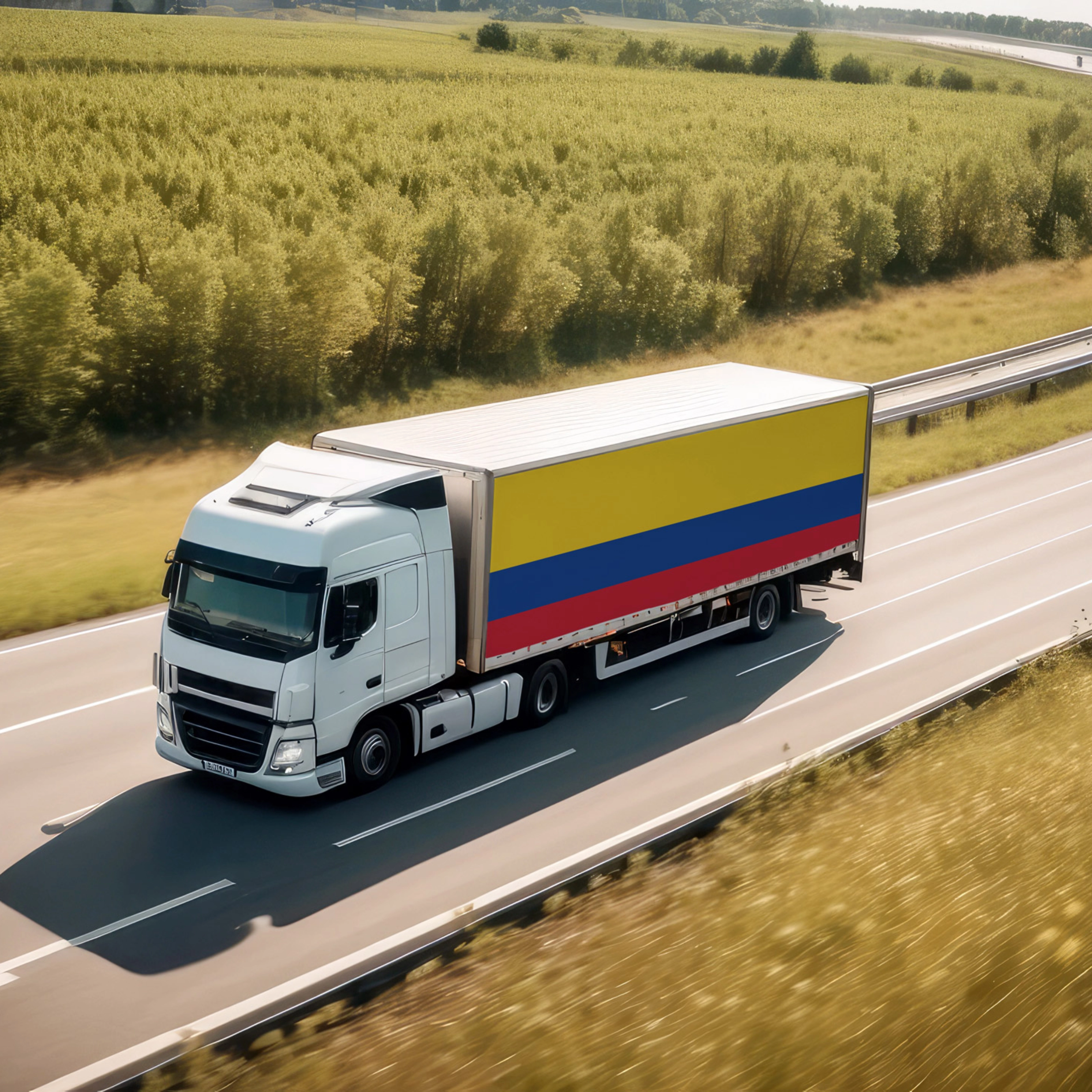
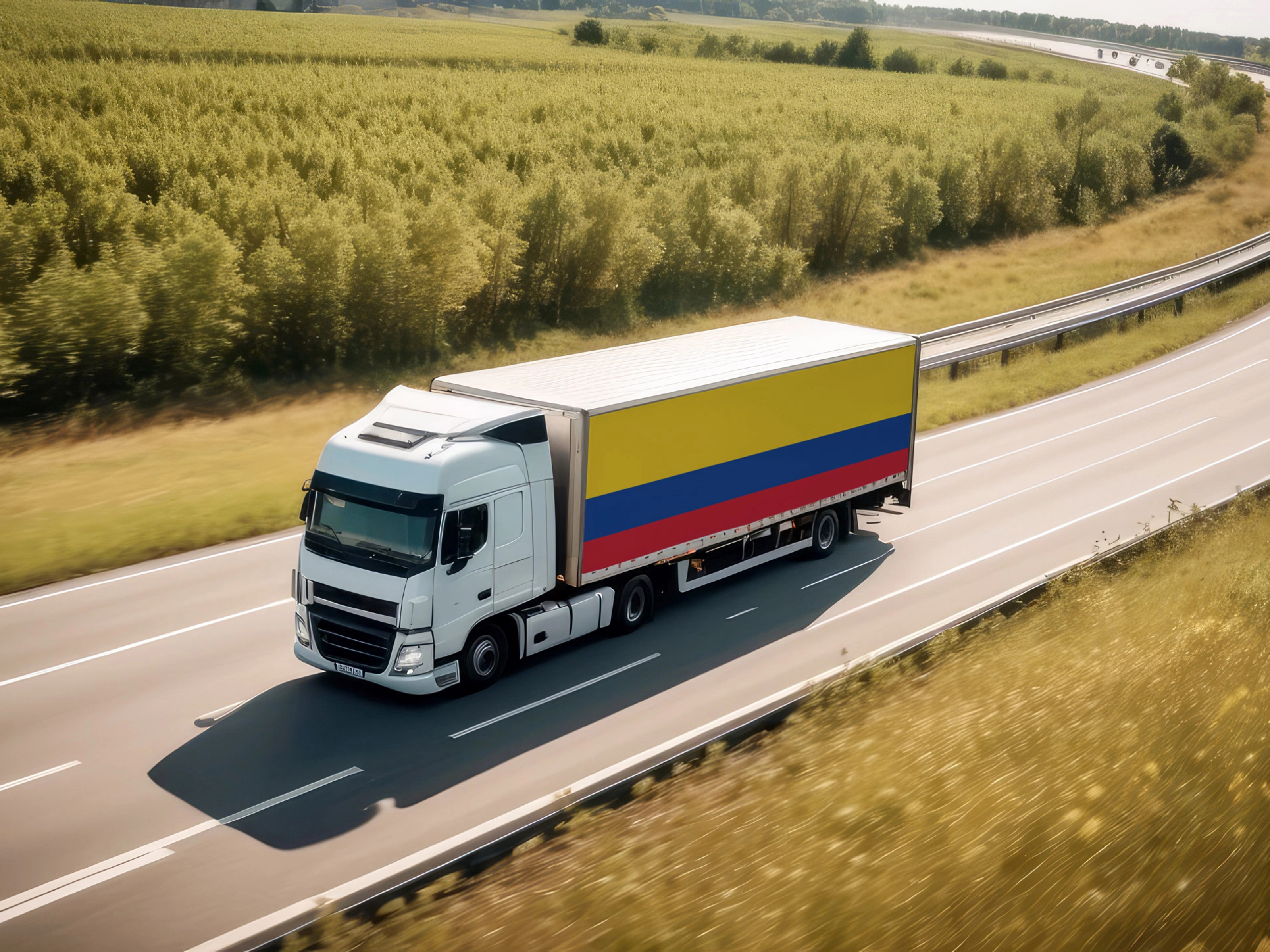
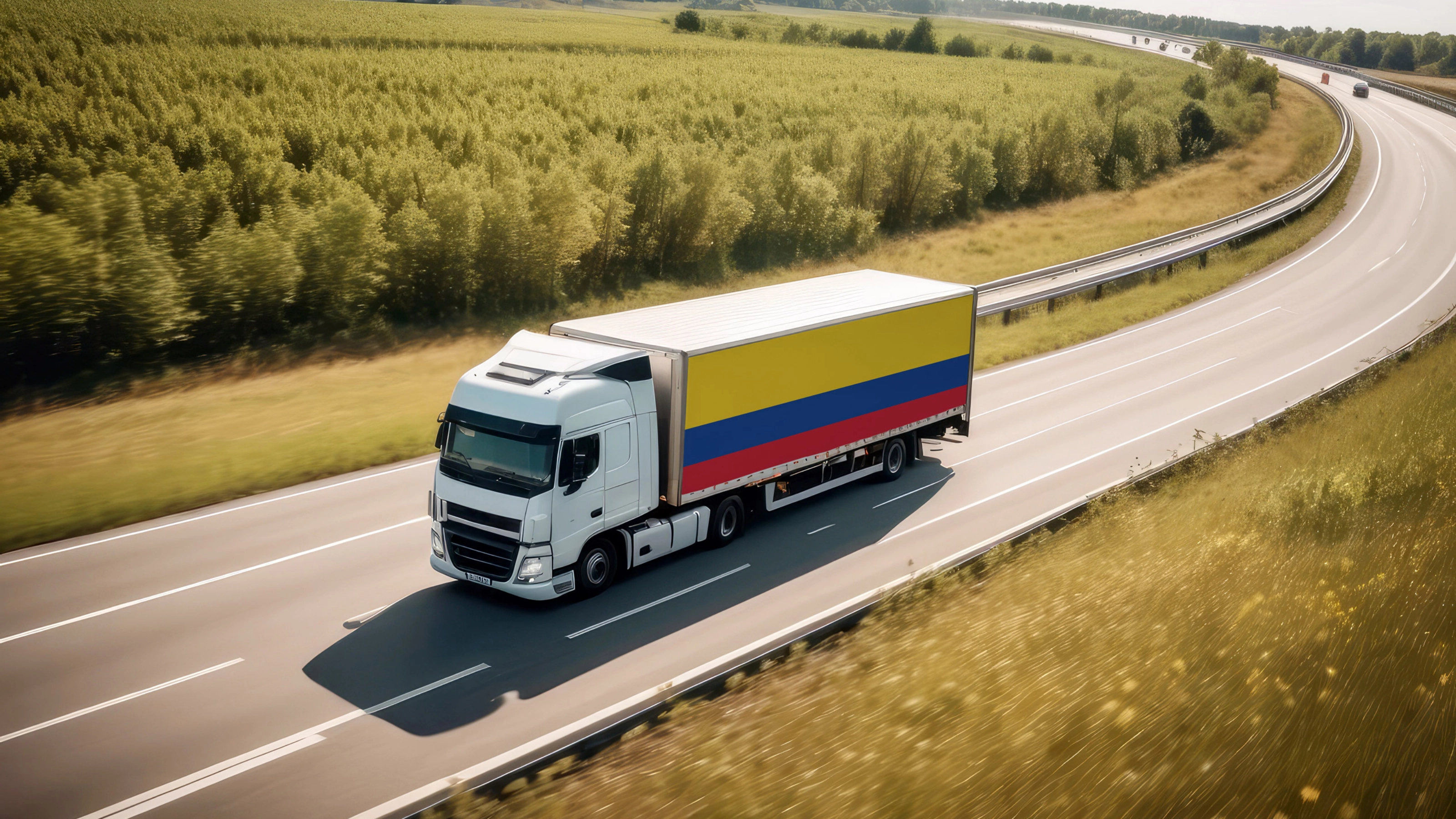
Image: (c) AdobeStock
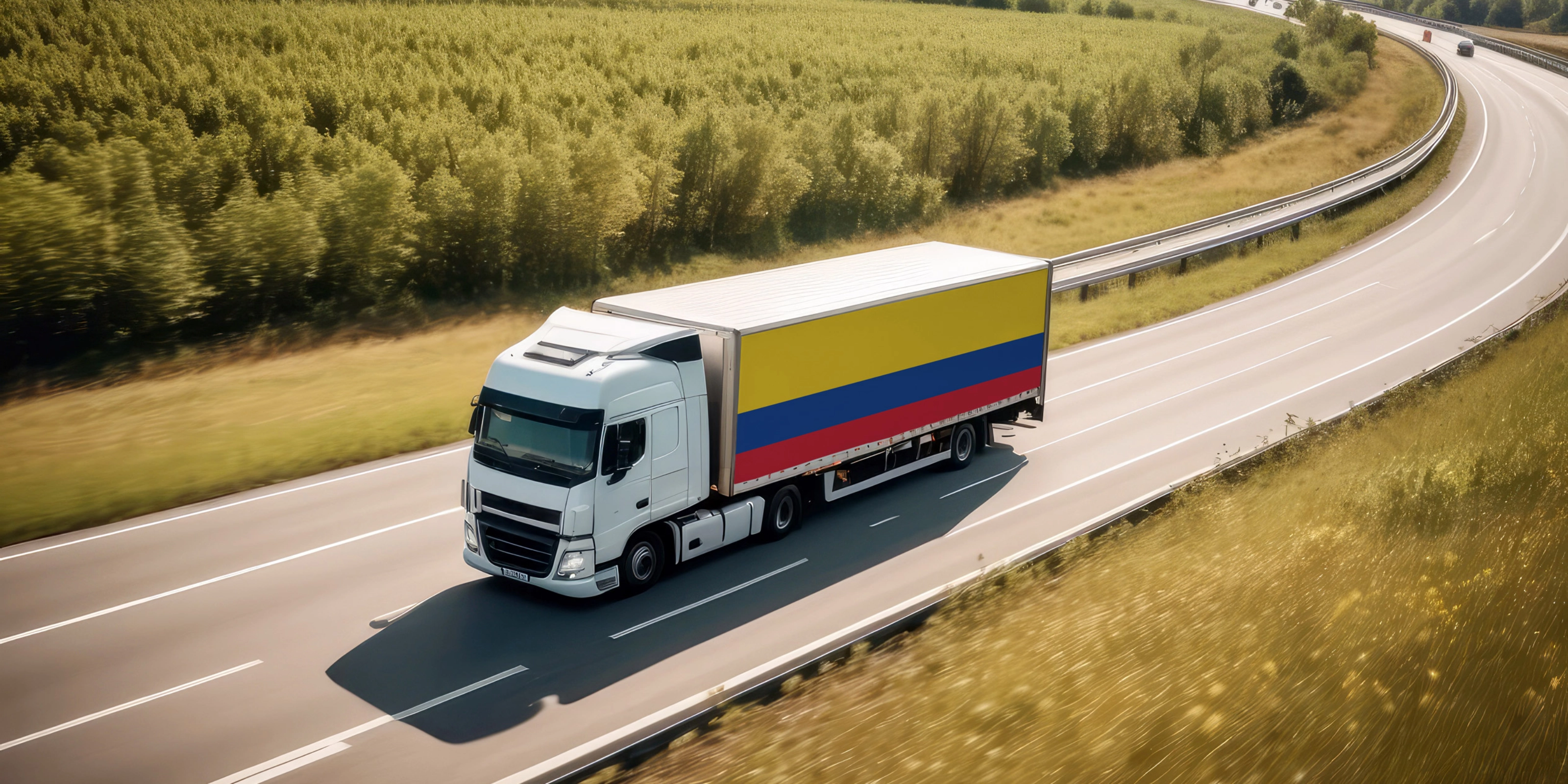
Colombia, alongside industry partners, the Ministry of Transport, and the CALSTART/Drive to Zero initiative, has introduced the country's first zero-emission freight corridor. The project, named "Ruta-E: Clean Energy in Motion," aims to accelerate the electrification of road freight transport, connecting the capital city of Bogotá with the port cities of Barranquilla and Cartagena over a distance of 1,195 kilometers (approx. 742 miles).
Colombia, alongside industry partners, the Ministry of Transport, and the CALSTART/Drive to Zero initiative, has introduced the country's first zero-emission freight corridor. The project, named "Ruta-E: Clean Energy in Motion," aims to accelerate the electrification of road freight transport, connecting the capital city of Bogotá with the port cities of Barranquilla and Cartagena over a distance of 1,195 kilometers (approx. 742 miles).
The initiative goals to deploy more than 1,000 electric trucks along the corridor by 2032. Founding members include logistics companies TCC and DHL, vehicle manufacturers BYD and Auteco Blue, as well as energy and infrastructure partners like Andrade Oil, Entrapetrol, and Voltrelli. The project is further supported by industry organizations such as LOGYCA and ACOMOVES.
A central component of the project is the build-out of a comprehensive charging infrastructure for heavy-duty electric commercial vehicles. Charging stations are planned along the route at a maximum distance of 100 kilometers (approx. 62 miles) apart. The locations will be based on major traffic arteries and fleet duty cycles identified by logistics companies.
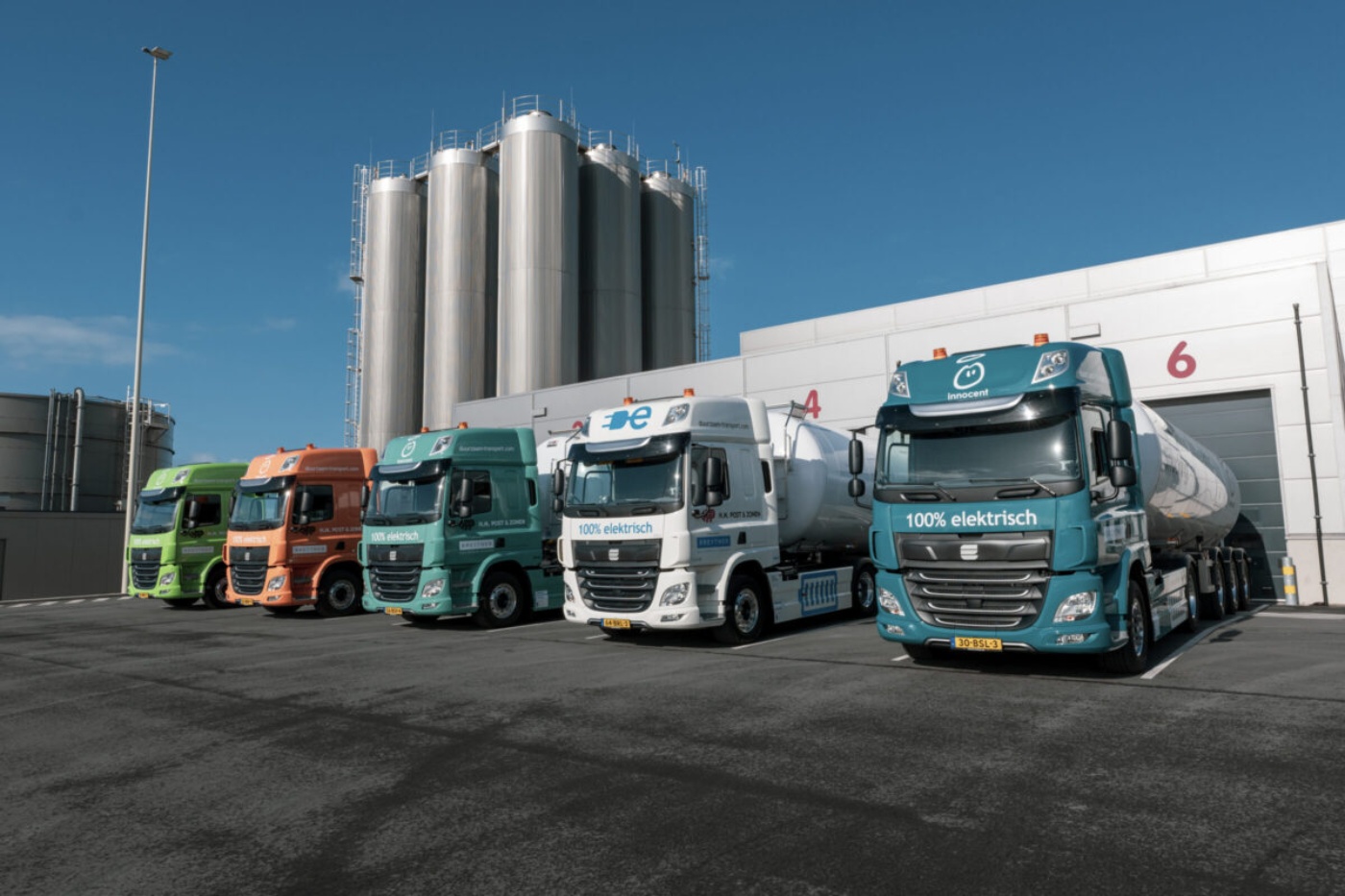
According to calculations by the project partners, electric trucks on this route could already offer economic advantages over diesel vehicles today while protecting companies from fluctuating fuel prices. By 2032, the corridor is expected to cut more than 185,000 metric tons of CO₂ annually—equivalent to the emissions of around 40,000 passenger cars.
The project is part of the international "Global Green Road Corridors" initiative, which promotes the development of zero-emission transport corridors worldwide. CALSTART and other partners intend to leverage insights from similar projects to reduce investment risks in charging infrastructure development and accelerate the market introduction of zero-emission commercial vehicles.
The transformation of freight transport in Colombia is backed by extensive government incentives. These include VAT exemptions, tax benefits, accelerated depreciation options, and reduced fees for setting up charging infrastructure. Furthermore, Colombia is one of the co-initiators of the Global Memorandum of Understanding (Global MOU) on Zero-Emission Medium- and Heavy-Duty Vehicles, which is now supported by 43 countries as well as numerous companies and organizations.
With Ruta-E, Colombia is establishing one of the first large-scale electric mobility corridors for heavy-duty transport in Latin America. The project is intended to serve as a blueprint for additional zero-emission freight corridors within the country and beyond, driving the decarbonization of the transport sector forward.