
.svg)
Collect&Go startet autonome Lieferlösung in Leuven: Elektrisches Fahrzeug bringt Einkäufe ohne Fahrer nach Hause
Image: (c) Telenet
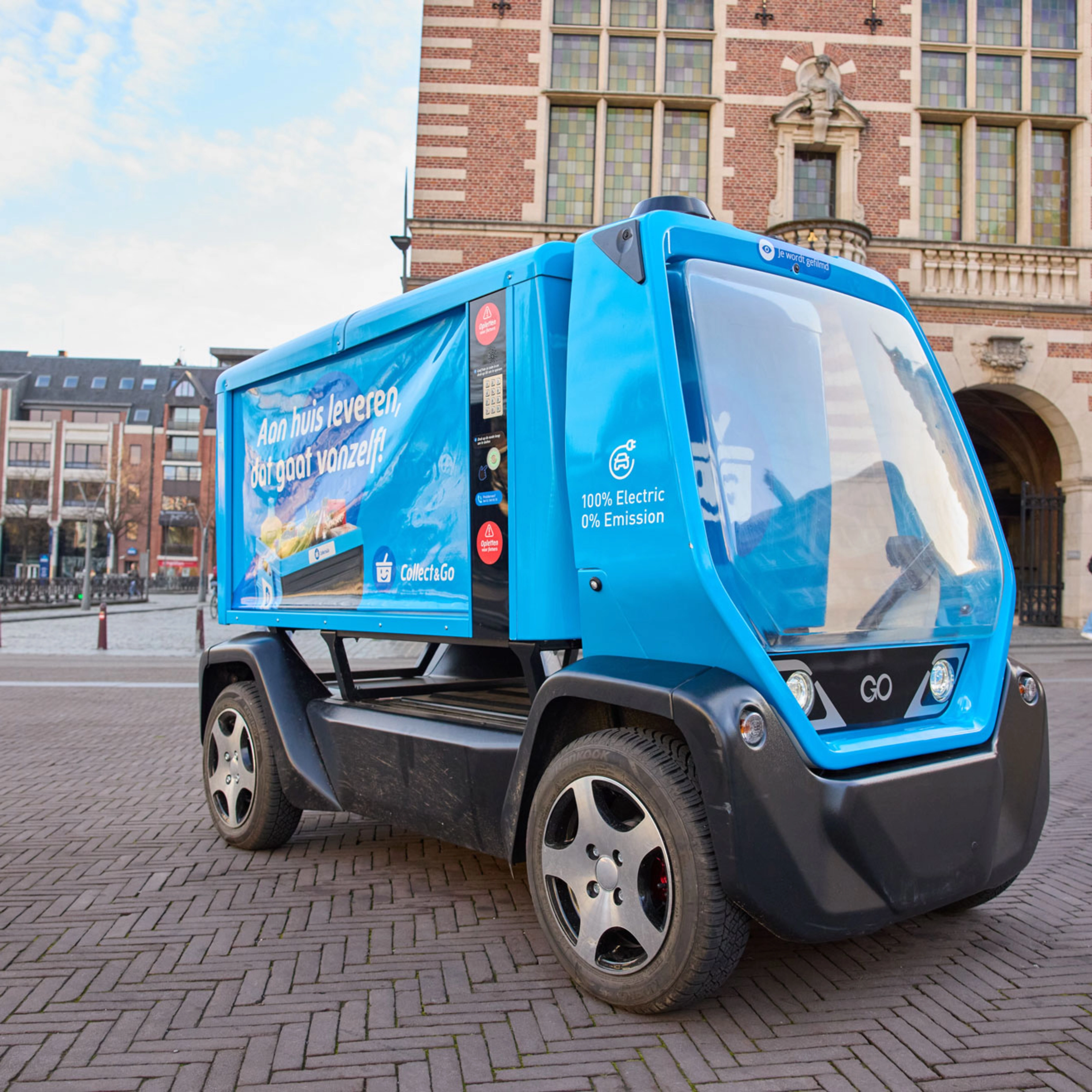
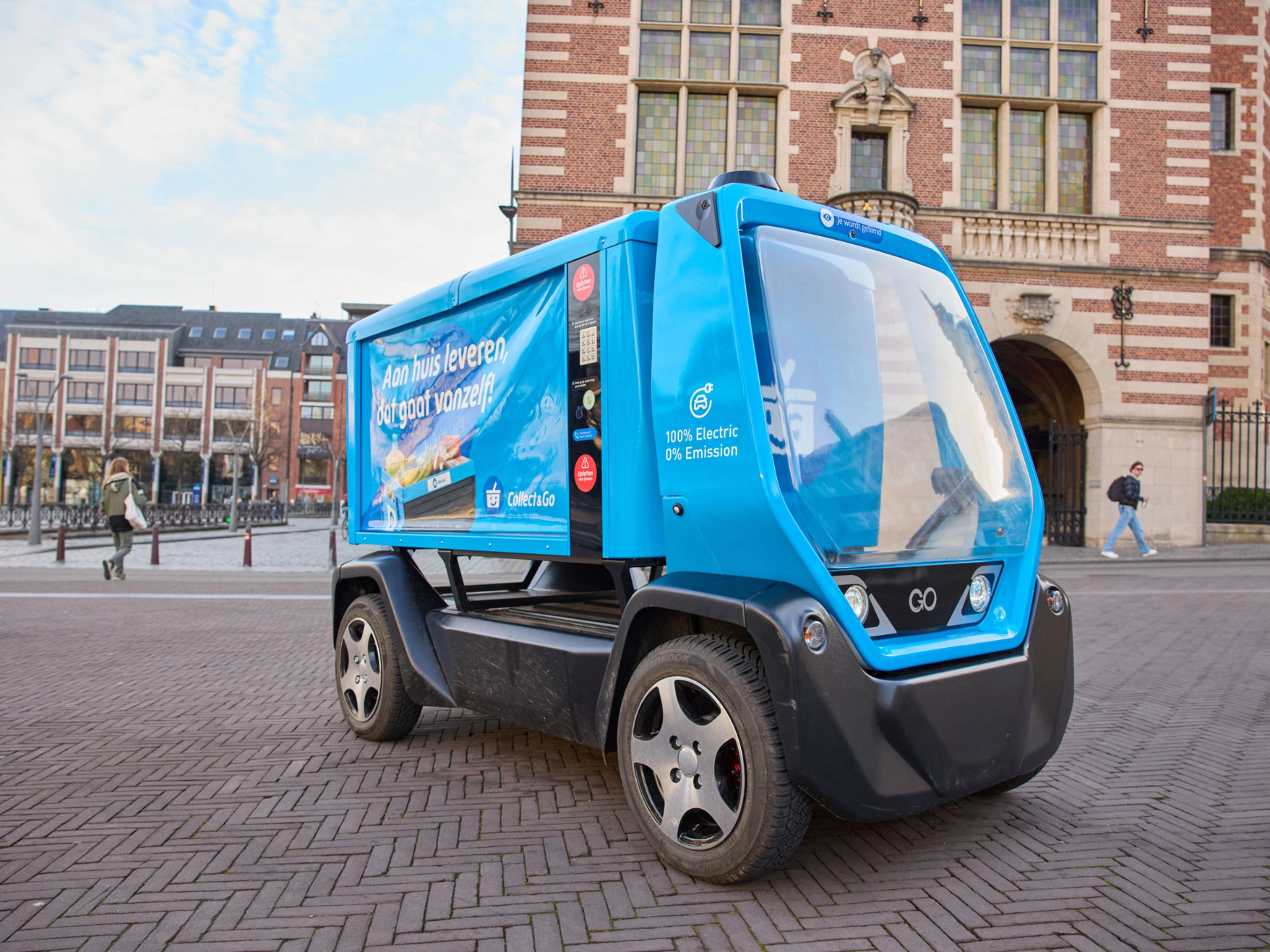
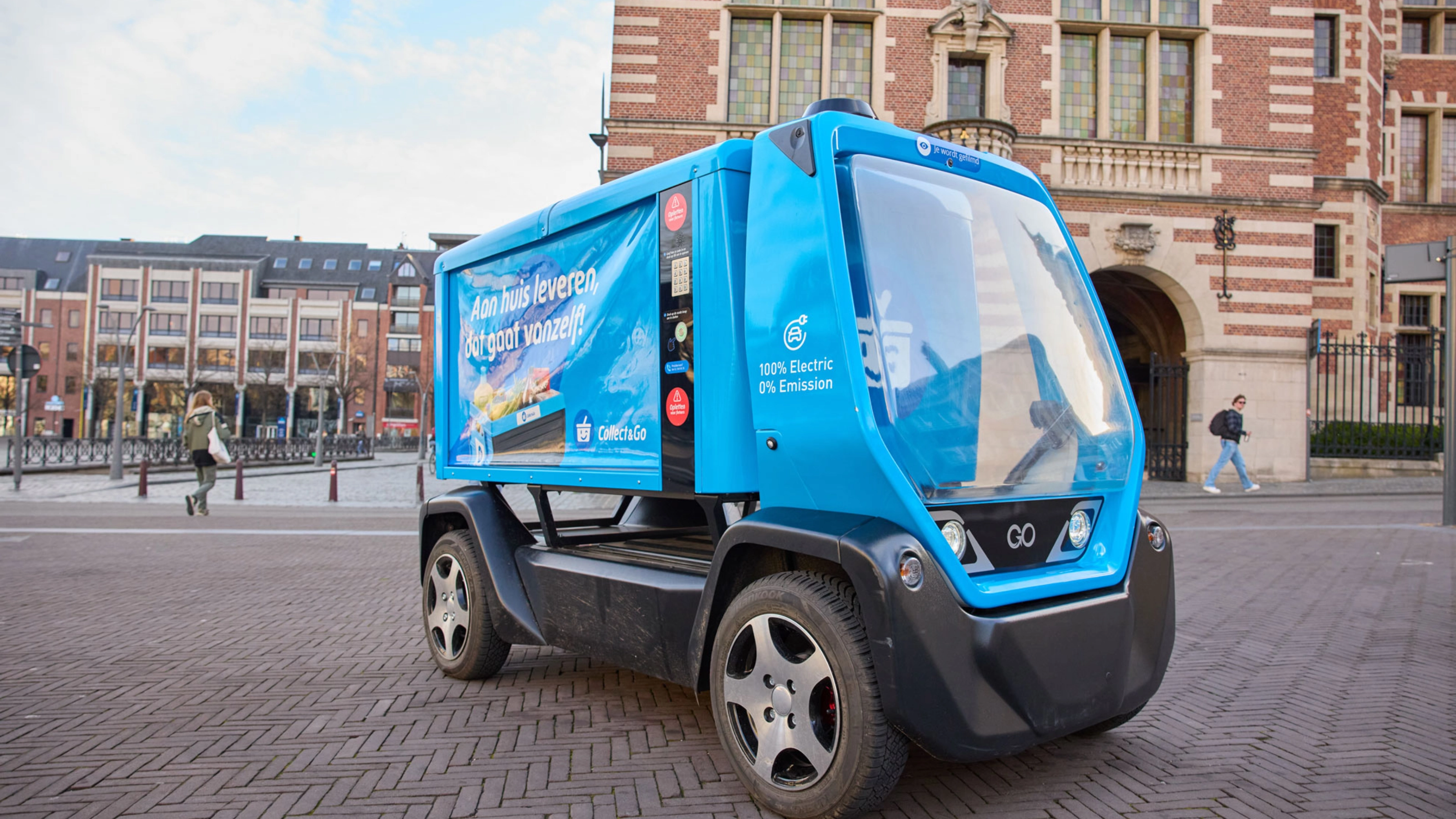
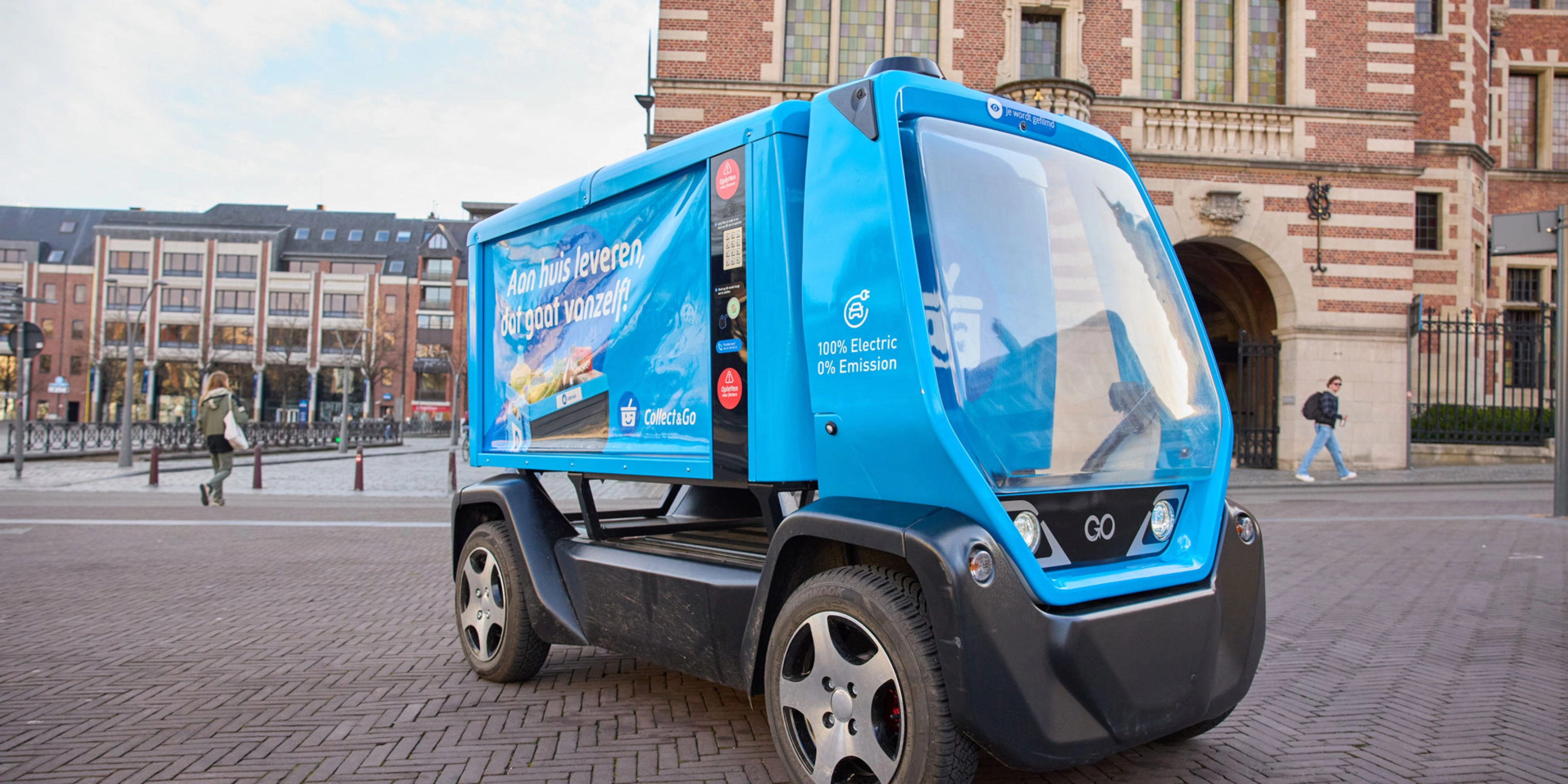
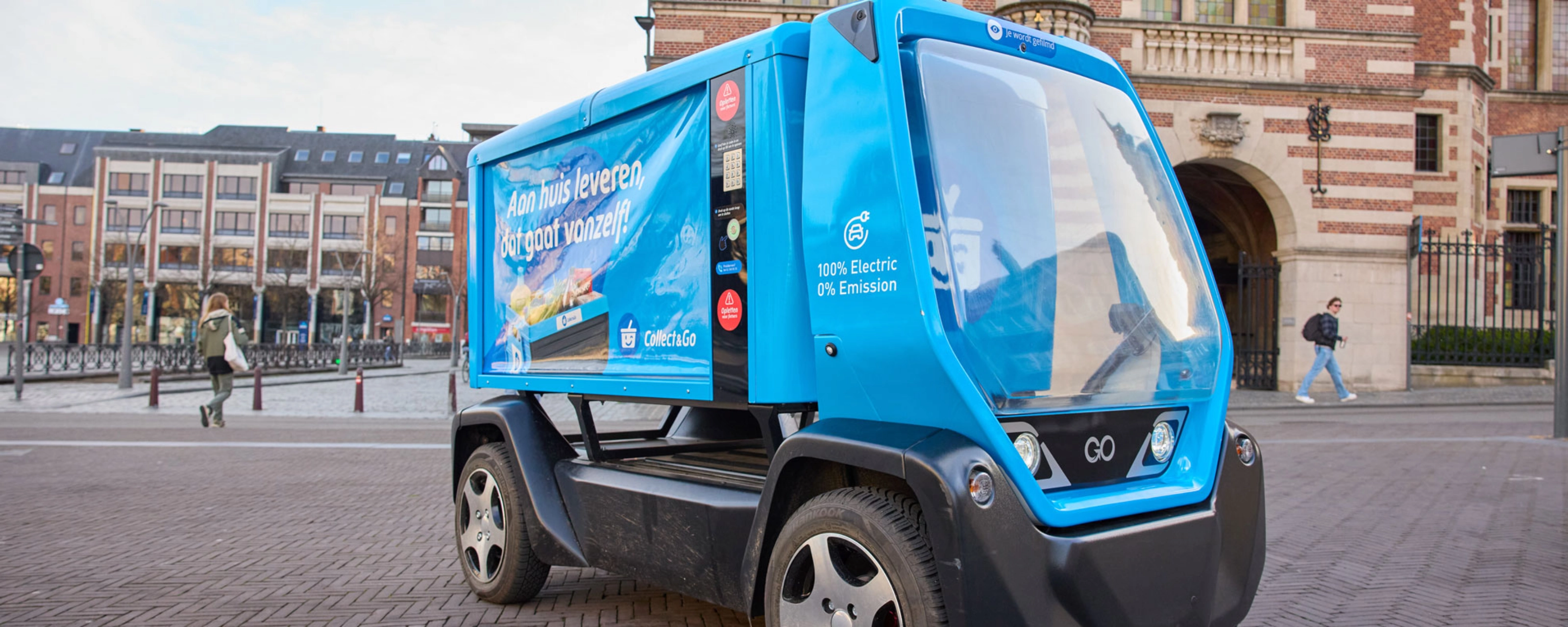
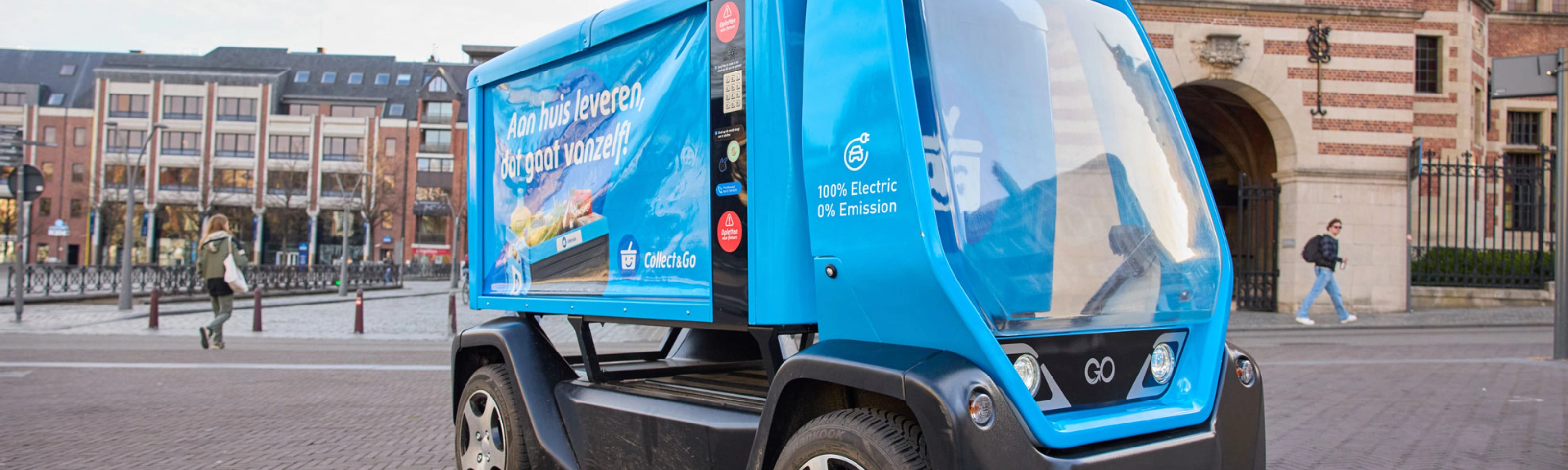
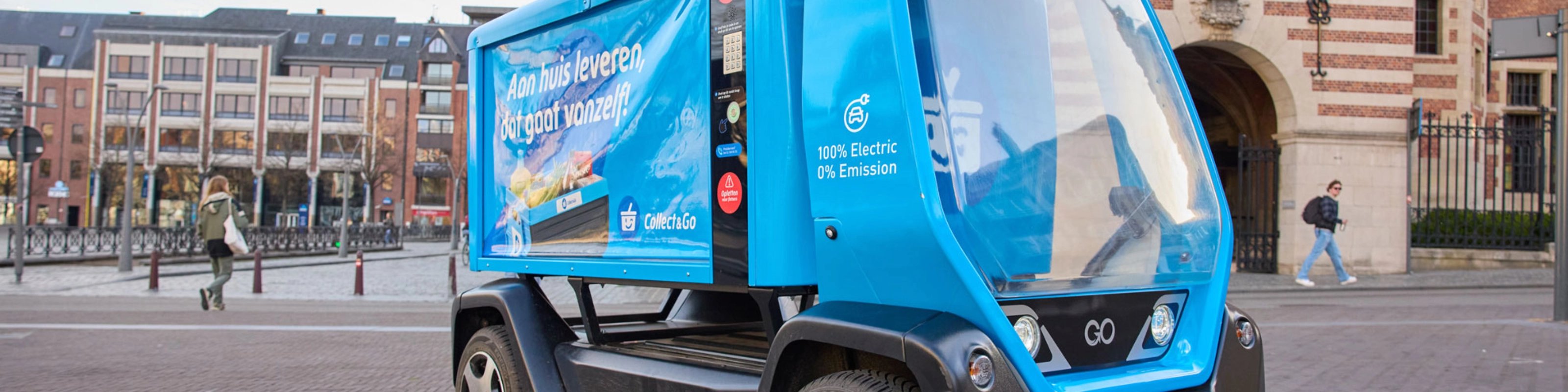
The Belgian retail giant Colruyt Group is pushing the boundaries of urban logistics with an innovative pilot project. Under its Collect&Go brand, an unmanned, all-electric delivery vehicle has hit the streets of Leuven for the first time—operating on public roads and powered by Telenet’s 5G network.
The Belgian retail giant Colruyt Group is pushing the boundaries of urban logistics with an innovative pilot project. Under its Collect&Go brand, an unmanned, all-electric delivery vehicle has hit the streets of Leuven for the first time—operating on public roads and powered by Telenet’s 5G network.
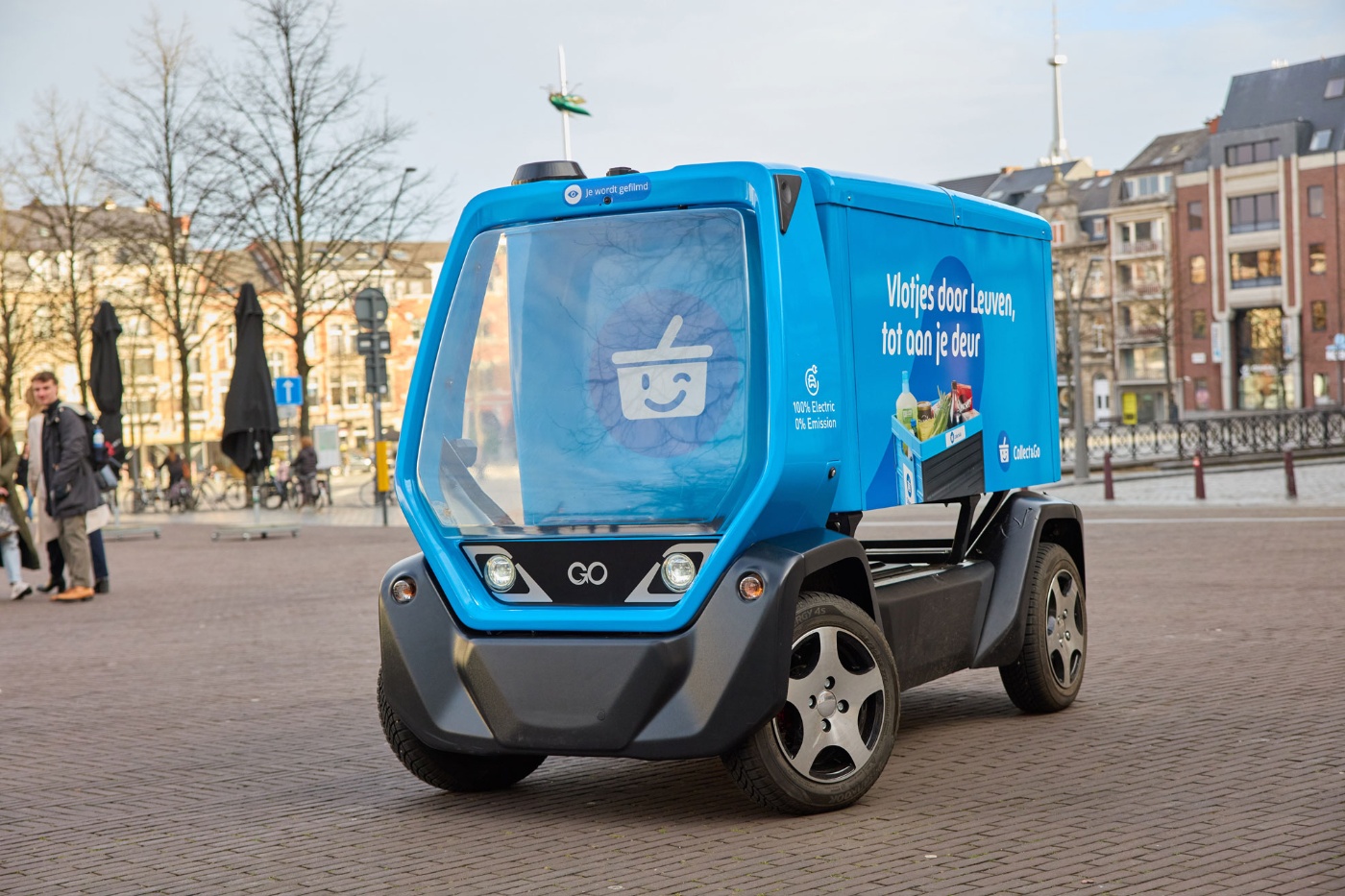
Starting in mid-May 2026, customers in Leuven’s city center will begin receiving their groceries via autonomous delivery vehicles. The initial three-month trial, running through August, targets households within the 3000 zip code area.
The project is considered a major milestone: it marks the first time an unmanned vehicle has operated on public roads in Belgium without a fixed route. The goal is to develop new solutions for the "last mile"—the most cost-intensive and complex stage of urban delivery.
The pilot utilizes a compact, purpose-built delivery robot, the Clevon 1, which functions without a steering wheel or pedals. At roughly 8 feet (2.5 meters) long, the vehicle is specifically designed for narrow streets and crowded urban environments. It can carry two customer orders simultaneously, which are accessed via individual secure codes. After each drop-off, the vehicle automatically returns to the depot in Kessel-Lo to be reloaded.
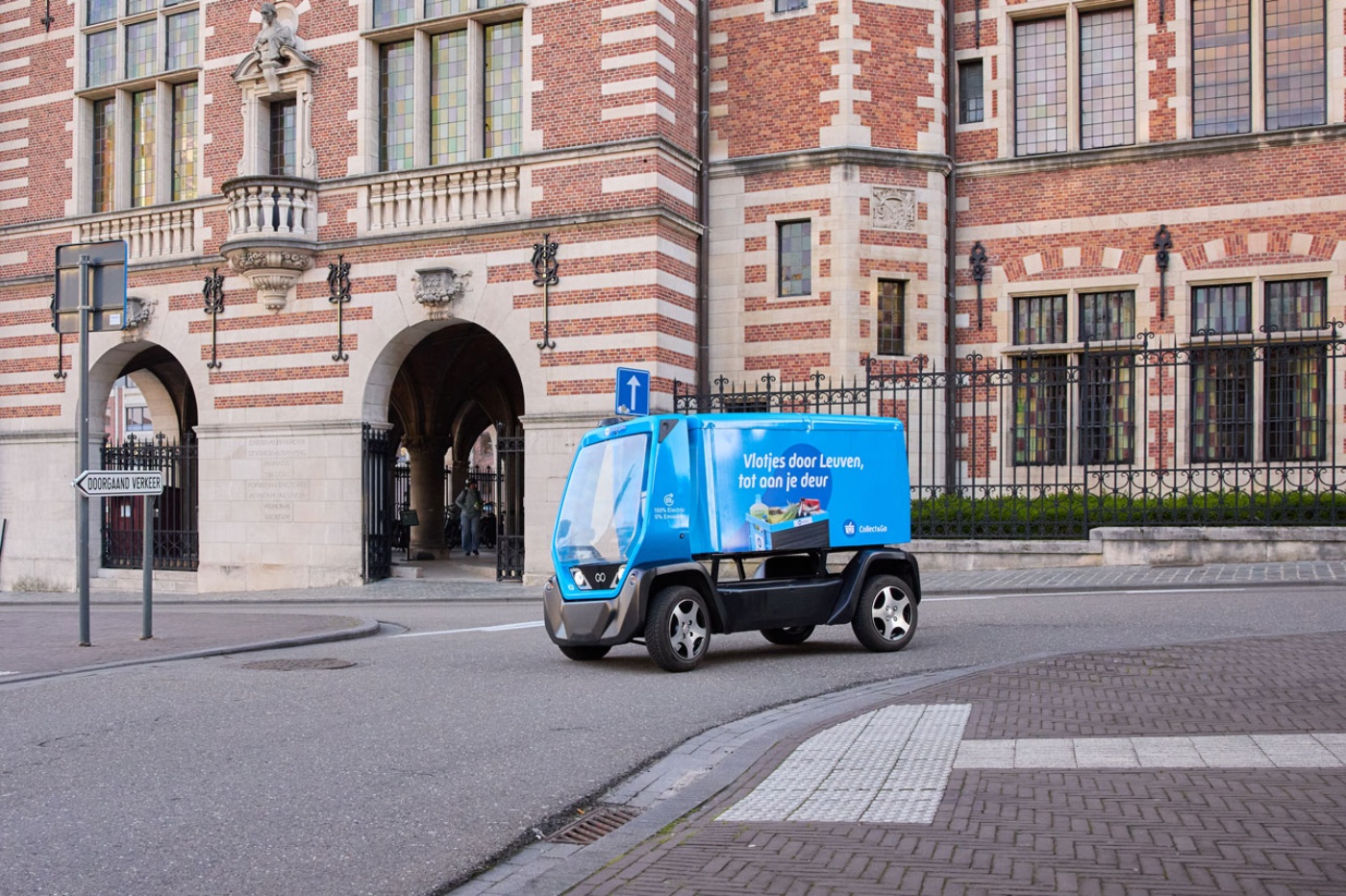
While the vehicle is driverless, it is monitored in real time. It remains continuously linked to a control center via Telenet’s 5G network, allowing an operator to intervene and take remote control if necessary. This is made possible through "network slicing"—a dedicated slice of network capacity that guarantees stable and secure data transmission.
For added safety, the vehicle is equipped with cameras, radar, and sensor systems to detect obstacles like pedestrians, cyclists, and other cars. Its top speed is capped at 15 mph (25 km/h). Consistent with traditional delivery rates, the delivery fee for this service is set at 7 euros.