.svg)
CEVA Logistics Launches Sea Freight Service for Used EV Batteries
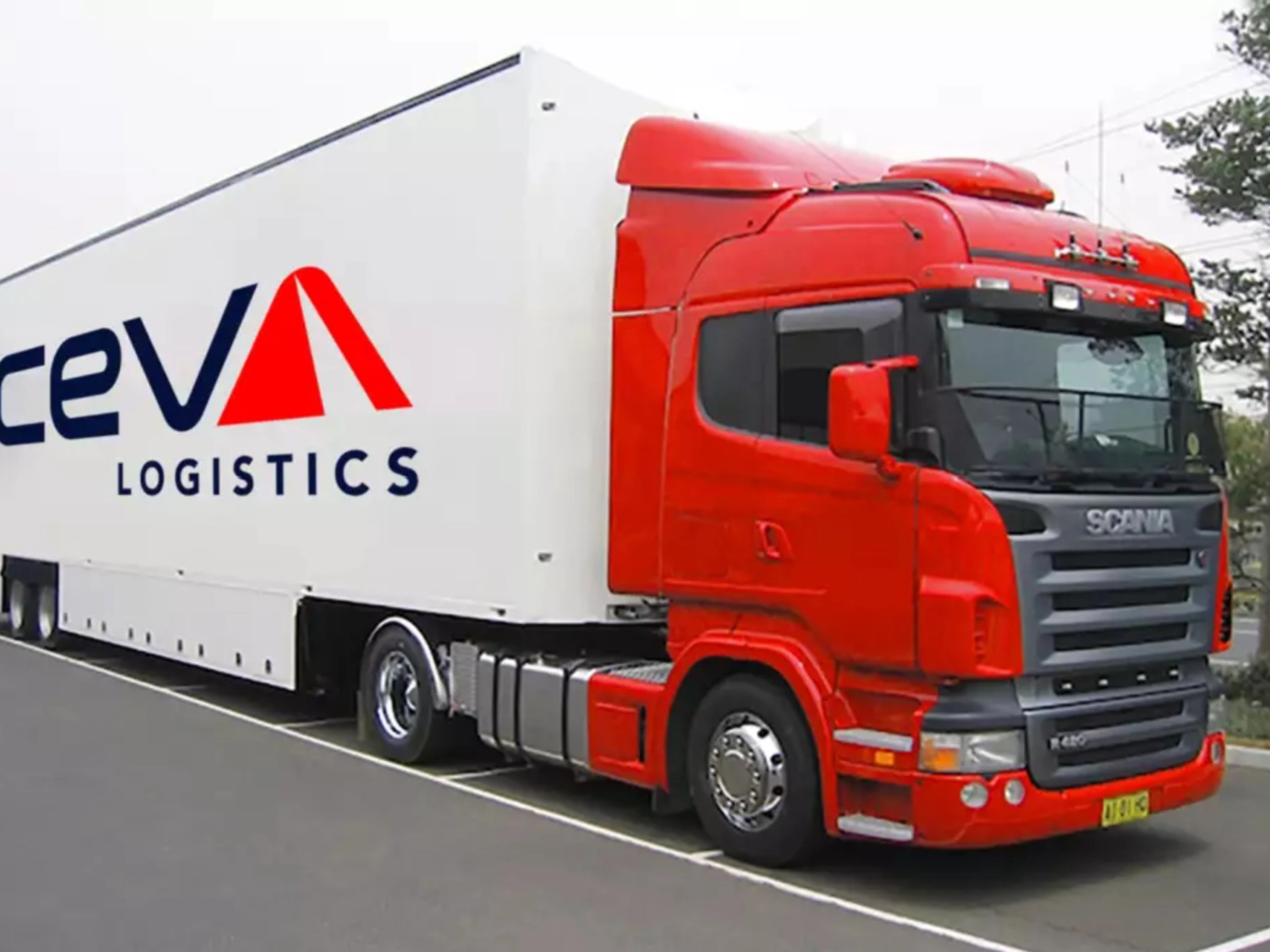
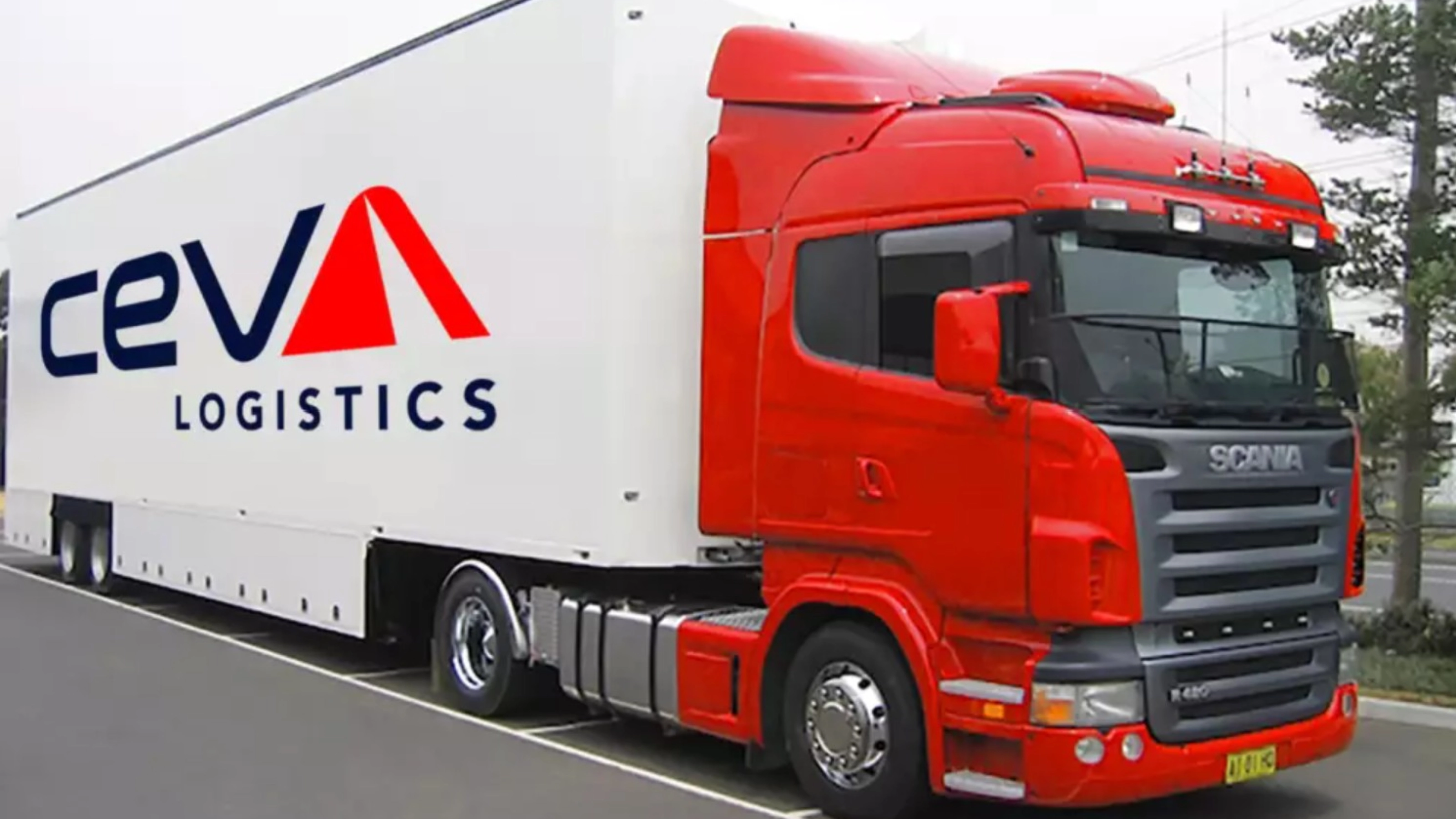
Image: (c) Ceva Logistics
The logistics provider CEVA Logistics is introducing a new maritime transport service for used lithium-ion batteries. This solution specifically targets the transport of end-of-life batteries from island regions to mainland Europe, where they can be recycled or further processed. The service has been available since March 2026 and is offered on shipping lines operated by the carrier CMA CGM.
The logistics provider CEVA Logistics is introducing a new maritime transport service for used lithium-ion batteries. This solution specifically targets the transport of end-of-life batteries from island regions to mainland Europe, where they can be recycled or further processed. The service has been available since March 2026 and is offered on shipping lines operated by the carrier CMA CGM.
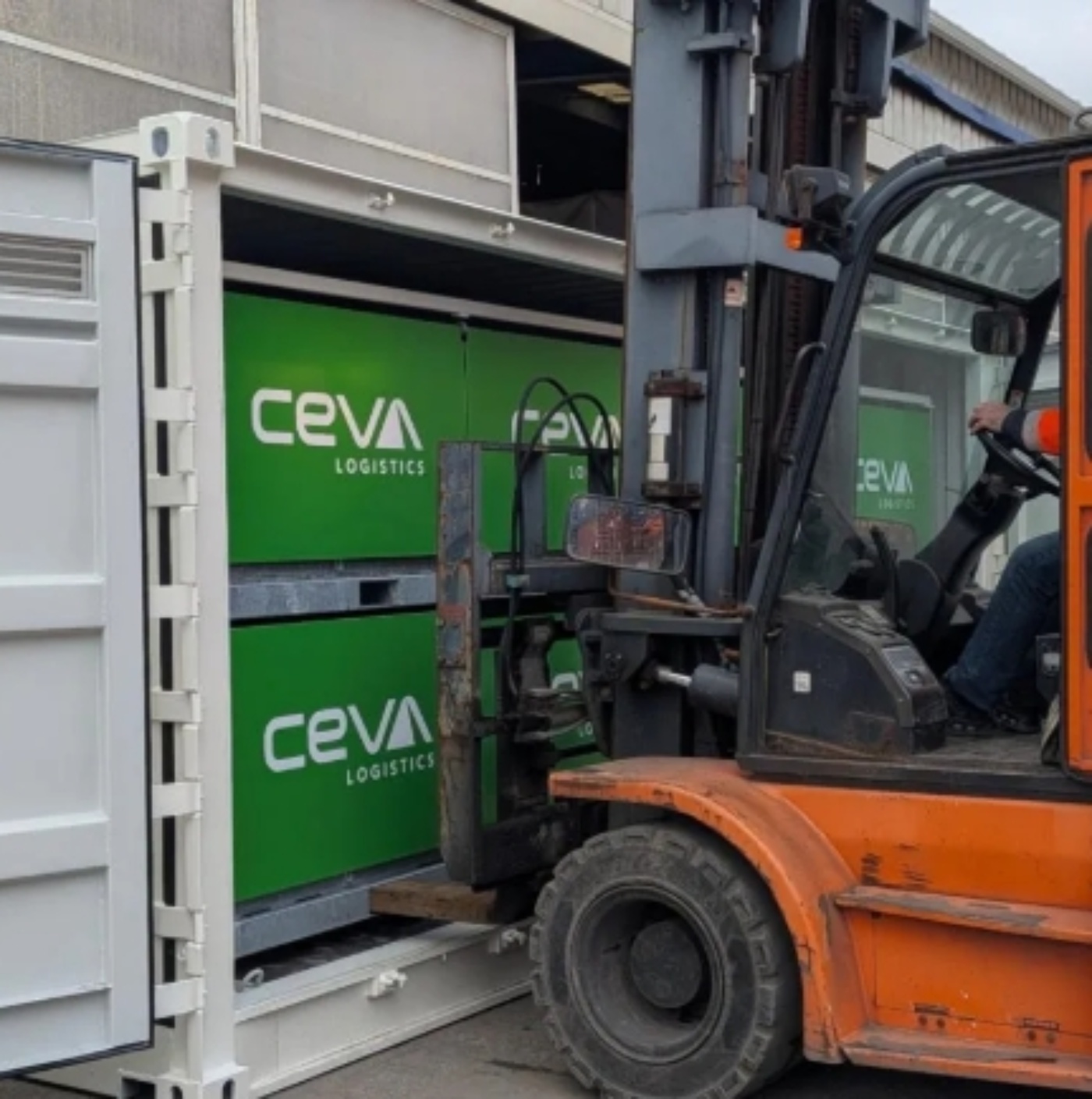
For safe maritime transport, CEVA relies on a specially developed double-container system. The used batteries are first packed into safety enclosures ("vaults") and then loaded into larger containers specifically designed for this type of hazardous material.
At launch, five specially adapted containers are being deployed. Each container is designed to hold several of these safety modules, reaching a transport capacity of up to 33 tons (30 metric tons).
The construction is intended to minimize risks arising from potential instability or thermal reactions in old batteries. Additionally, shipments are accompanied by specially trained personnel and undergo technical and administrative inspections in advance.
A Solution for Island Regions Lacking Recycling Infrastructure
A particular focus is placed on island nations and remote regions that often lack sufficient local recycling capacities. These areas are seeing an increasing accumulation of end-of-life batteries that must be professionally disposed of or recycled due to strict EU regulations.
The new sea transport service aims to create a direct link to recycling facilities on the European mainland, thereby supporting compliance with regulatory requirements and the development of closed-loop material cycles.
Part of a Comprehensive Battery Take-Back Logistics Program
The sea transport service is part of a broader reverse logistics approach by CEVA. In addition to transport, this includes collection, interim storage, diagnostics, dismantling, and forwarding to recycling or second-life centers.
The company intends to build a Europe-wide network of battery logistics centers where batteries can be analyzed, disassembled, or prepared for further use.