
.svg)
IAA TRANSPORTATION: Cespira feiert Weltpremiere mit neuem HPDI-Kraftstoffsystem
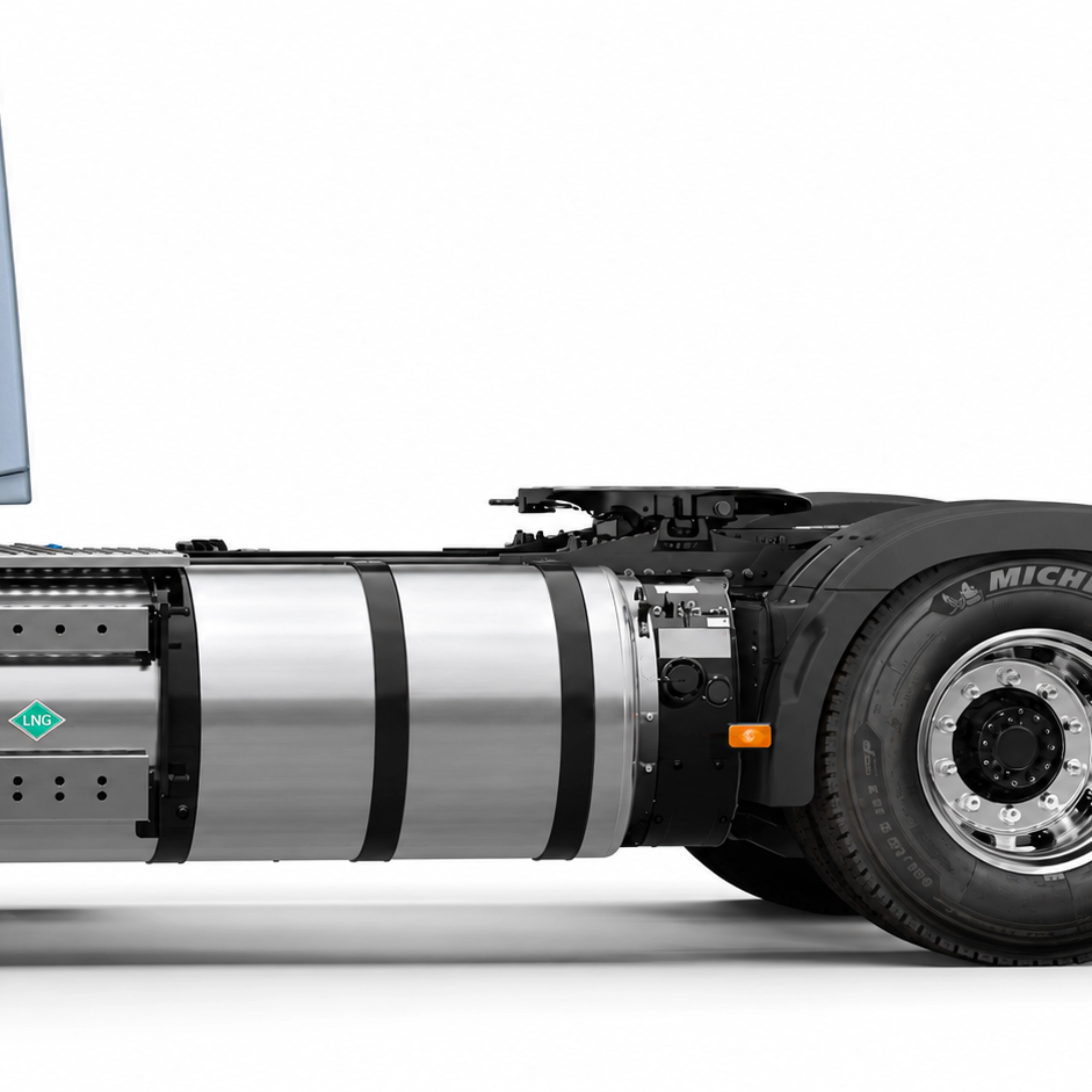
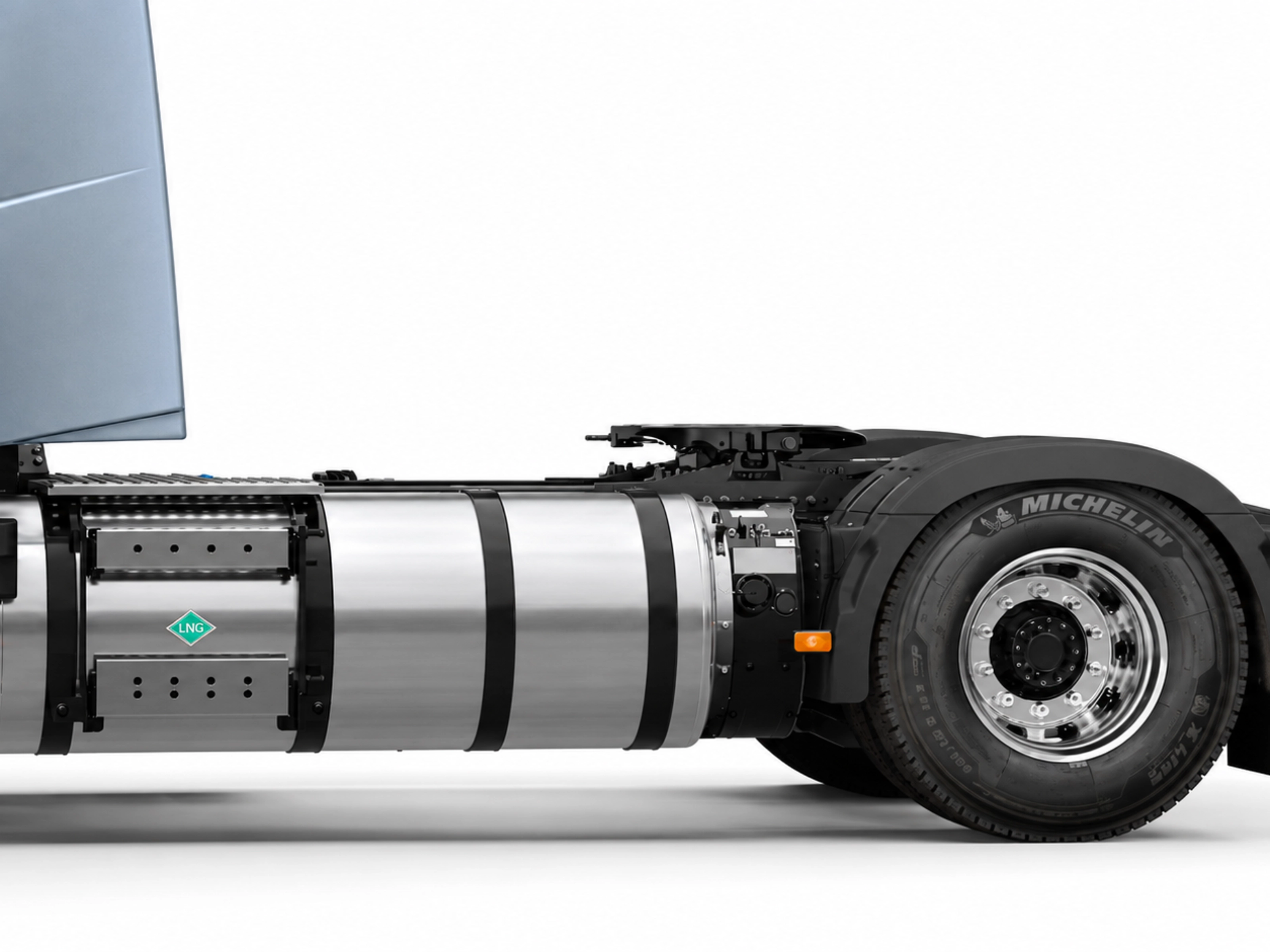
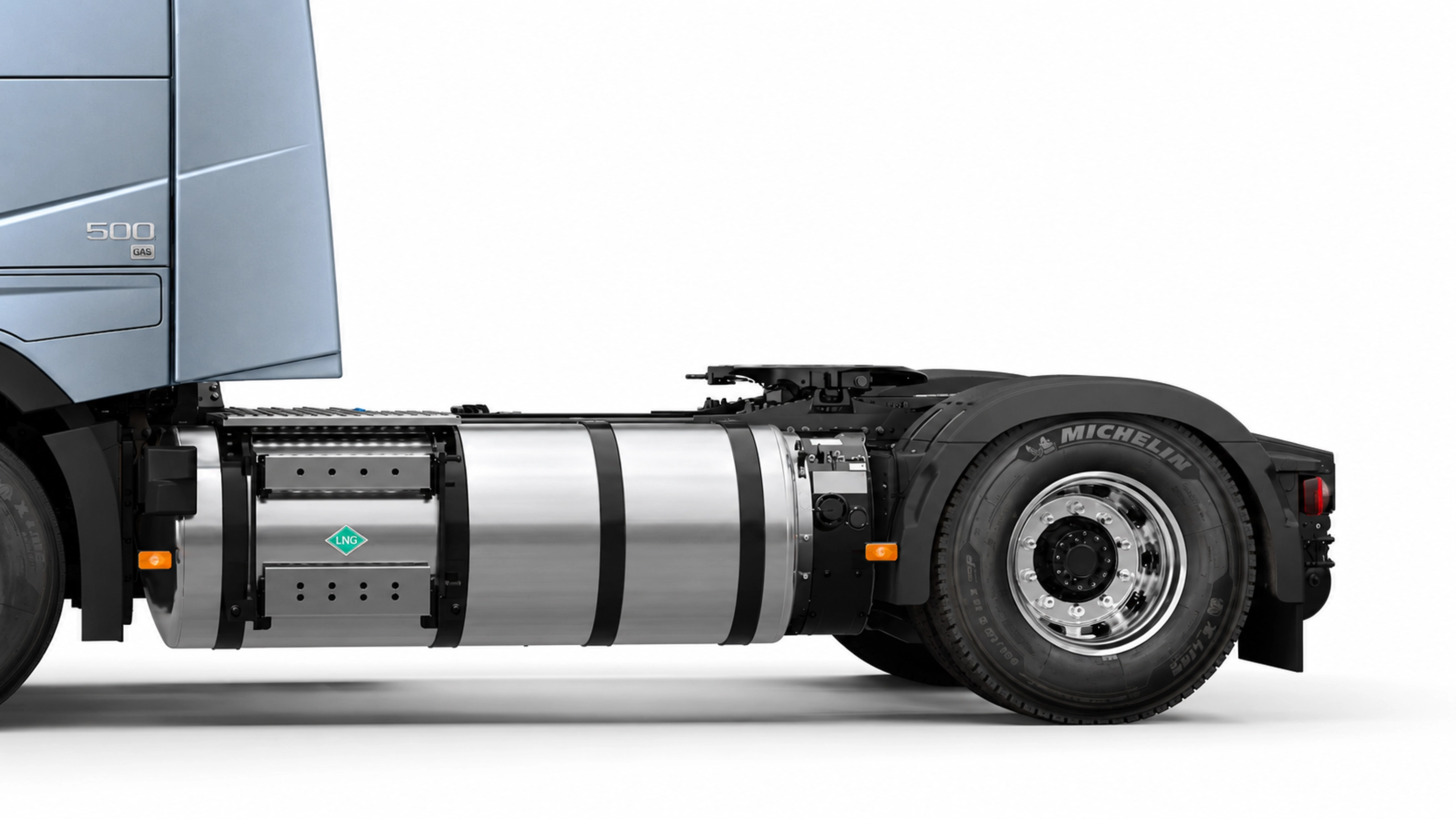
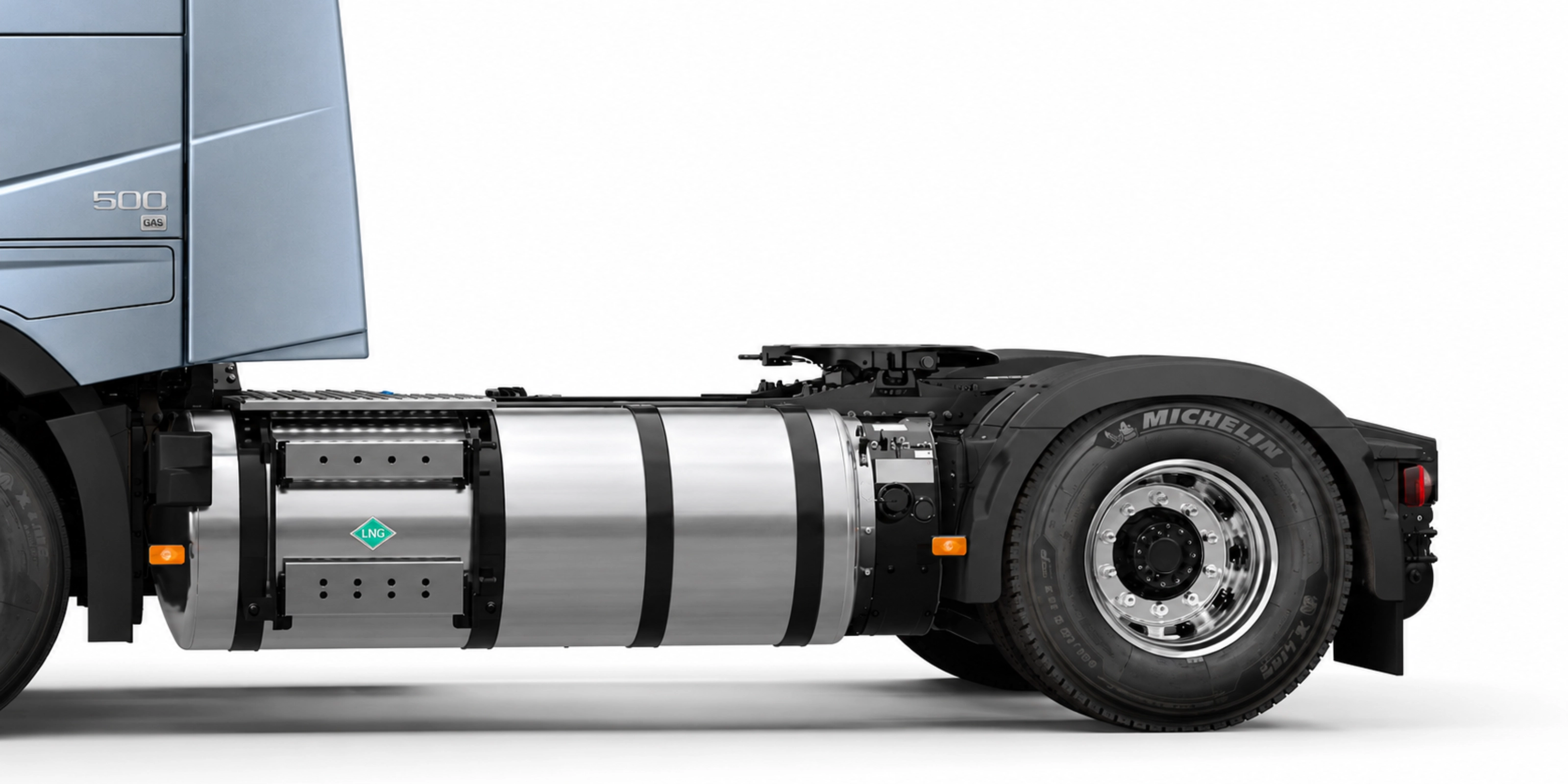
Bild: (c) Cespira
With a new generation of its HPDI fuel system, Cespira is premiering at IAA TRANSPORTATION 2026 in Hanover. The HPDI 3.0 equips heavy-duty trucks with internal combustion engines for operation with LNG and bio-LNG, while delivering the performance characteristics of a diesel engine, according to the manufacturer. Serial production is scheduled to begin in the fourth quarter of 2026.
With a new generation of its HPDI fuel system, Cespira is premiering at IAA TRANSPORTATION 2026 in Hanover. The HPDI 3.0 equips heavy-duty trucks with internal combustion engines for operation with LNG and bio-LNG, while delivering the performance characteristics of a diesel engine, according to the manufacturer. Serial production is scheduled to begin in the fourth quarter of 2026.
New Generation of the Fuel System
HPDI 3.0 uses a new architecture for fuel-pressure management, explains Cespira. This is intended to improve the precision and reliability of the system while also reducing operating costs. The technology relies on self-ignition rather than spark plugs. As a result, among other things, the high torque at low speeds and the fuel efficiency typical for diesel powertrains are preserved, according to Cespira.
The system also forms the basis for additional fuel options. In addition to LNG and bio-LNG, Cespira names hydrogen, ethanol and methanol as potential fuels.
Volvo Takes Over the System
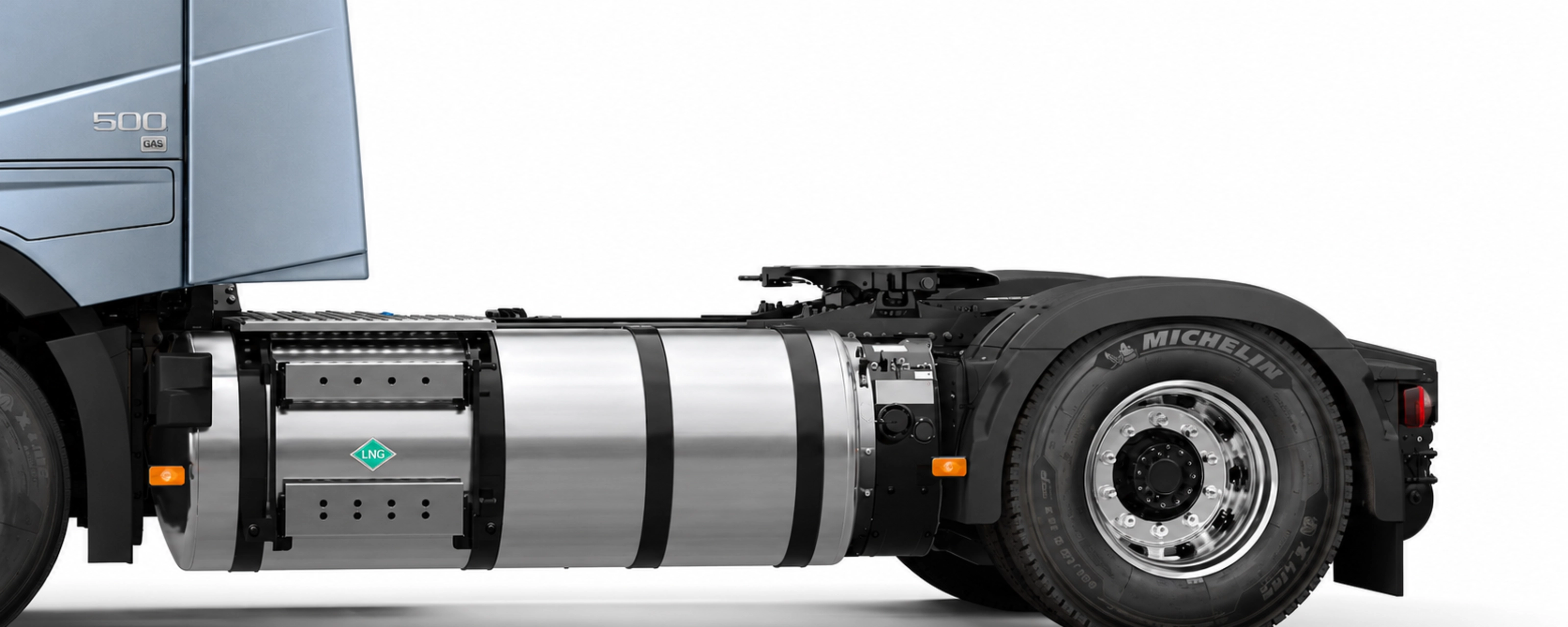
For a first production deployment, Cespira says it already has a customer. Volvo Trucks will use HPDI 3.0 for its next generation of 13-liter natural gas engines. The trucks equipped with it are expected to be available from early 2027.
Cespira provides the complete fuel-system platform. This includes onboard fuel storage, pressure management and precision fuel injection. For vehicle manufacturers, this is intended to create a platform that can accommodate various alternative fuels on the same technical base.
Experience from LNG Deployment
HPDI 3.0 builds on the previous generations of the system. According to the information provided, more than 10,000 LNG trucks with HPDI technology have already been sold. The vehicles have thus covered a total of 3.3 billion kilometers in more than 30 countries with Cespira fuel systems.
For use with bio-LNG and HVO from renewable sources, Cespira cites a possible reduction in carbon dioxide emissions by 100 percent compared with diesel. This figure refers to the fuel combinations named by Cespira.
The manufacturer therefore sees HPDI primarily in heavy long-haul transport as the technical base for various fuel pathways. According to the company, vehicle manufacturers can use existing propulsion platforms, while fleets can deploy LNG and bio-LNG.